

 Zoe Yu
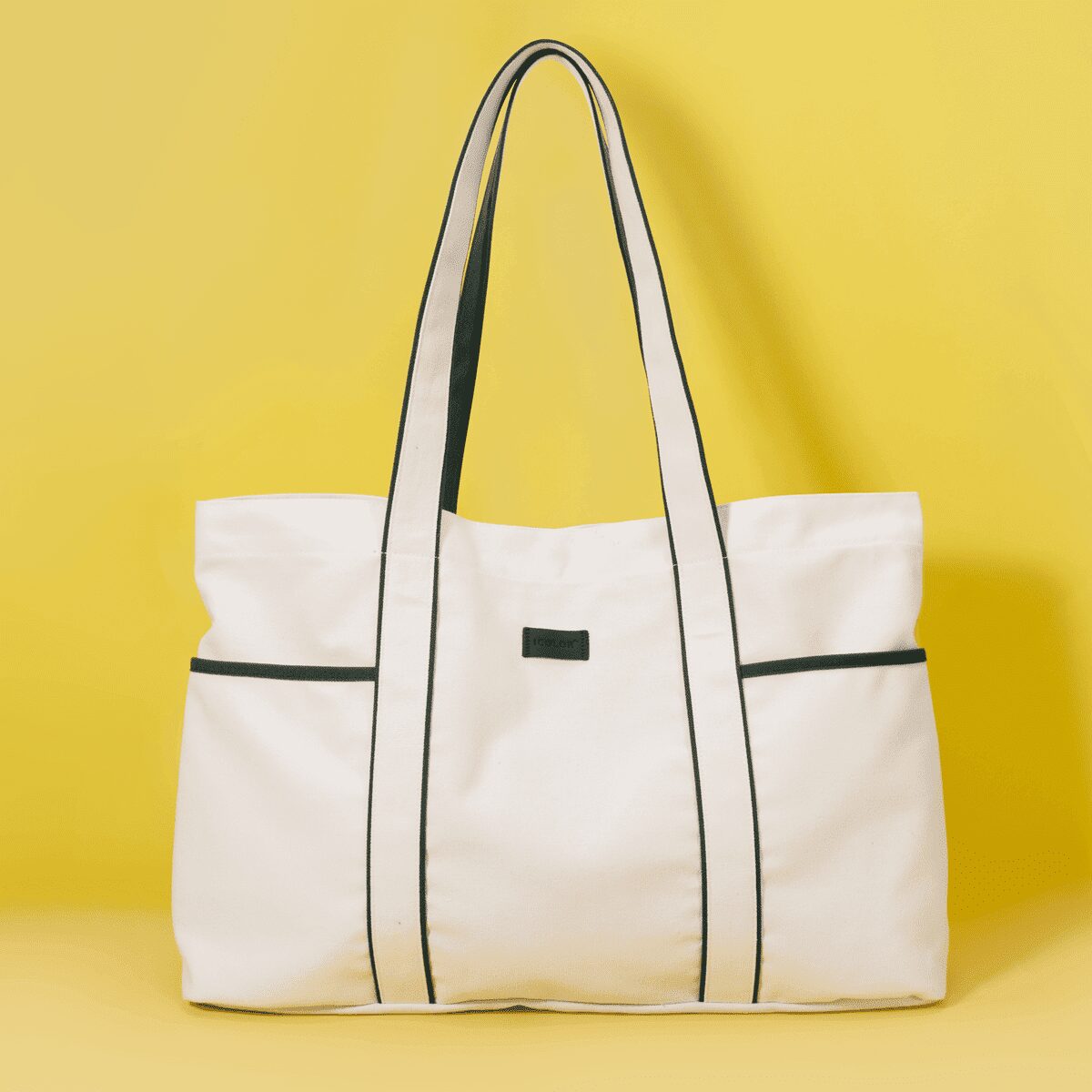
 A custom tote bag internal divider is a construction decision. The quote and sample become useful only when the intended contents, cell layout, side logo and load direction are described together.
Send Divider Tote BriefView Custom Logo Tote Route
The seam position must follow the objects the tote will carry. A useful sample brief defines the cell layout, load direction and side-logo position together.
- intended contents
- cell width and count
- side logo and seam clearance
Quick answer
Send the finished tote size, contents or product measurements, number of cells, divider direction, fabric/GSM, side-logo artwork, quantity, delivery market and required date. Approve the divider on a loaded physical sample before bulk production.
The recent inquiry exposed a structure gap, not a price gap
Verified inquiry note: a recent organization-domain inquiry requested a good-quality, non-premium tote with a printed side logo and a stitch through the middle to create cells. Quantity, delivery market, launch window, tote size, material and the objects going into the cells were not provided. The next useful sales step is therefore a measured structure brief, not a guessed product recommendation.
This example is anonymized and only uses the details received. No order result, country or quantity is claimed.
Measure the actual objects, then check removal clearance and filled-bag balance.
- object width and height
- removal clearance
- filled-bag balance

Translate “cells” into dimensions the sample room can follow
Draw the finished outer tote first. Then show each divider seam with a distance from the side or base. If objects vary in width, give the largest dimensions and the preferred loading direction. A centered seam creates two equal cells; that may be wrong when one object is wider or heavier.
| Brief field | Why it matters | Approval evidence |
|---|---|---|
| Contents | Defines cell width, height and access. | Product measurements or reference items. |
| Divider position | Controls balance and panel shape. | Dimensioned drawing and loaded sample. |
| Seam end points | Changes opening access and strength. | Front, inside and base photos. |
| Logo clearance | Prevents seam or fold interference. | Filled side-view approval photo. |
Seam strength must match how the cells are loaded
ISO 13935-2 seam tensile properties [1] describes a method for seam maximum force in applicable textile constructions, while ISO 13934-1 fabric tensile properties [2] covers fabric tensile properties. These standards provide test context, not automatic pass limits for every tote. The project still needs an agreed material, test method and acceptance criterion.
The internal seam should not pull the outer panel out of shape under normal use.
- divider seam opening
- outer-panel distortion
- handle attachment
Protect the side logo from structural distortion
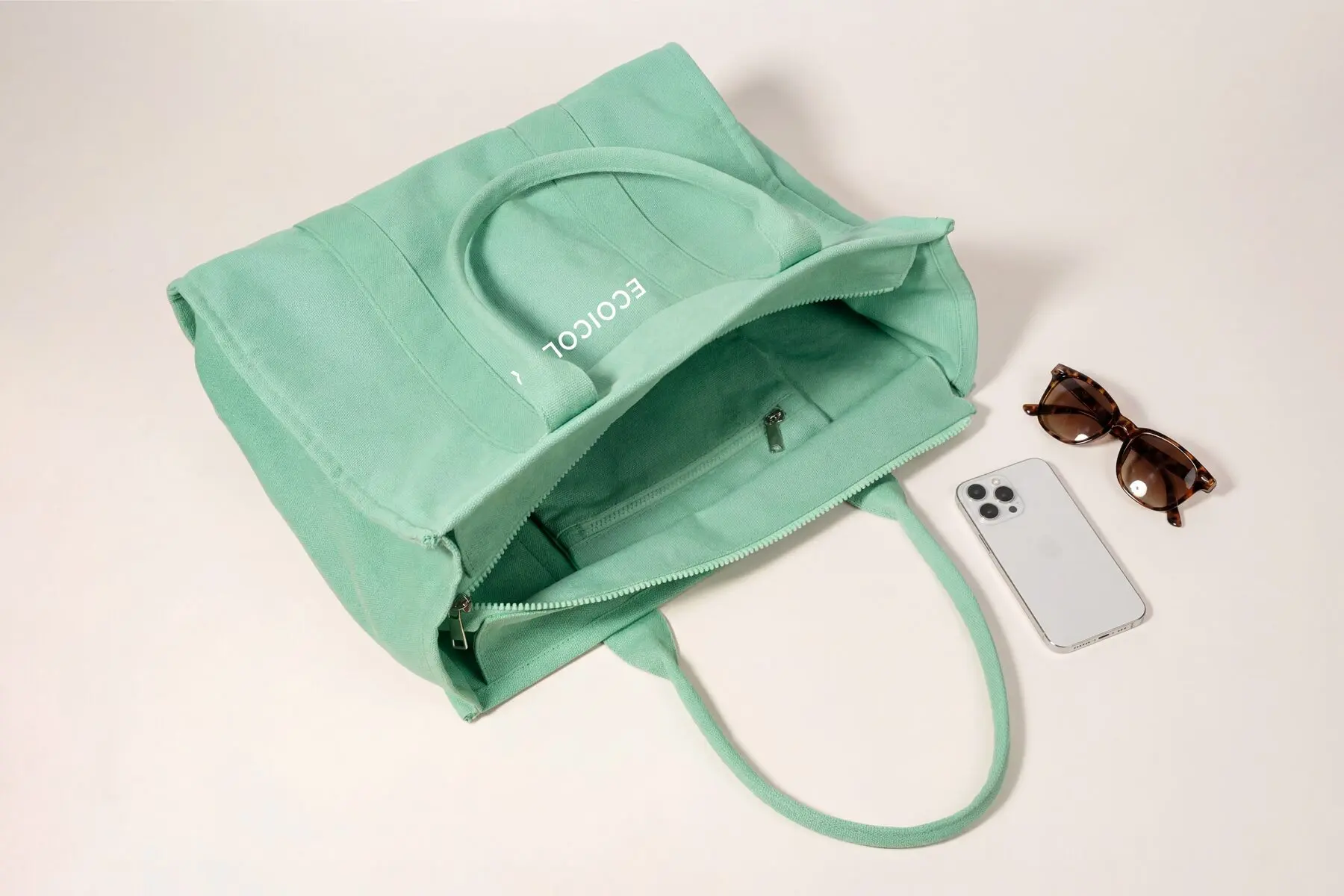
Place the logo after the cell layout is known. The divider can pull the side panel, change the visual center or create a ridge behind the print. Approve the physical logo on a filled sample, not only on a flat PDF. Keep a version-controlled artwork file with the approved dimensions and distance from finished seams.
Approve logo position on the filled sample because the structure can shift the visible panel.
- finished seam line
- visible print area
- carried-bag view

Sample approval needs four views and one load test
Inside view
Show cell count, seam start and end points, and internal finish.
Filled front and side
Confirm shape, balance, logo visibility and handle drop.
Base and seam detail
Record stitch consistency, reinforcement and any opening after loading.
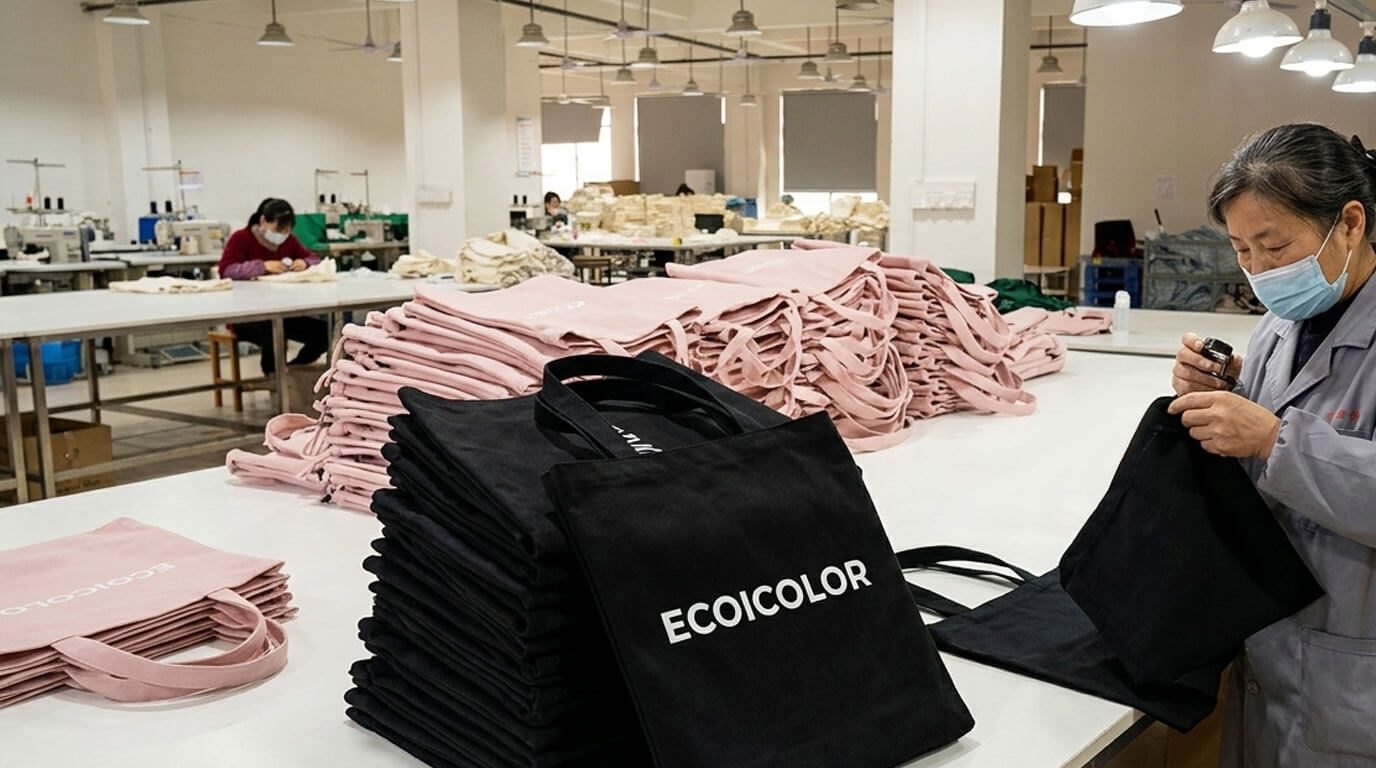
The bulk inspection can use the approved sample and measurable defect definitions. ISO 2859-1 sampling inspection [3] provides current acceptance-sampling context when a project adopts a formal lot-inspection plan.
The inspection record should show divider position, skipped stitches, seam opening and finished dimensions.
- divider position tolerance
- skipped or open stitches
- finished dimensions
When this route fits and when it does not
Best fit: brand, food, wellness, retail or event teams planning MOQ 500+ totes that must separate products or kit components.
Less suitable: one-piece personal orders, buyers who cannot define intended contents, or projects that will not approve a physical structure sample.
Freeze one structure-and-logo approval file
The final file should contain the measured tote drawing, contents list, cell layout, seam photos, loaded sample photos, logo artwork, logo placement, material reference, quantity and version split. Production, QC and the buyer then work from one approved source instead of separate structure and artwork emails.
A structure-only approval can miss how the side logo looks after the tote is loaded.
- structure drawing
- logo file and placement
- loaded-sample evidence
Choose a focused review: Request Structure Sample Review or Review Divider Seam QC.
FAQ
What details are needed for a tote bag internal divider quote?
Send the finished tote dimensions, intended contents, quantity, cell count, divider direction, target fabric and weight, logo file, logo position, delivery country and required date. If cell dimensions are not known, provide product measurements or reference photos so the first sample can test a practical layout instead of using an arbitrary center line.
Should the divider stitch run from the base to the opening?
Not automatically. A full-height divider can control tall products but may make loading slower, while a partial-height divider can separate items without restricting access. The correct height depends on content dimensions, weight and removal direction. Mark the intended seam end points on a drawing and confirm them on the filled physical sample.
How is divider seam strength checked before bulk production?
Load the sample with representative contents, lift it repeatedly, and inspect the divider seam, outer panel and base after use. The approval record can define visible defects and measurable seam position. Formal test methods may support a project specification, but the selected method and acceptance limit need to be agreed for that order rather than assumed.
Can a printed logo sit beside an internal divider seam?
Yes, if the print area has enough clearance from the seam, fold and filled-bag distortion. Approve the logo on the physical sample with contents inside. A flat digital mockup cannot show whether the divider pulls the panel or moves the visible center of the artwork when the tote is carried.
Is MOQ 500+ available for a custom divider tote?
MOQ 500+ can be reviewed, but feasibility depends on material availability, cell layout, logo method and version count. One structure and one artwork version are easier to control than several divider layouts. Send the target quantity and all versions before sampling so tooling, labor and sample scope can be quoted consistently.
Sources
About the Author
 |
Zoe Yu is B2B Sales Manager at Ecoicolortote, supporting overseas brand buyers with custom tote RFQs, material and logo review, sampling, packing and bulk production coordination. |
Send Logo and Structure FilesView Custom Logo Tote Route