Zoe Yu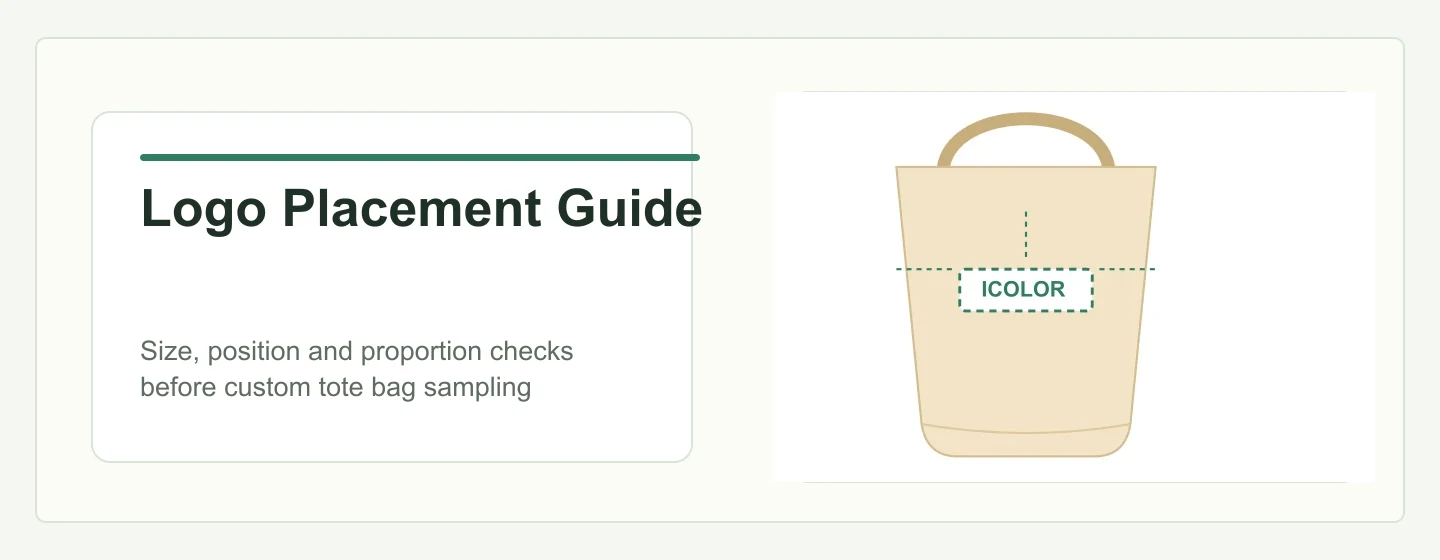
Logo placement on a custom tote bag is not only a visual mockup decision. For brand buyers, it should become a production standard that connects tote size, usable front area, material, logo process, sample approval, packaging and bulk QC.
TL;DR: Custom tote bag logo placement should be approved from tote size, usable front area, gusset, seams, handles, material surface, logo process and real sample review. Buyers should send logo files, tote dimensions, material direction, placement idea, quantity, packaging needs and launch date before sampling. Ecoicolortote is a better fit for MOQ 500+ brand projects where placement accuracy matters for GWP, retail, hotel, event or private label programs.
Buyer Summary
- Best for: brand buyers confirming tote bag logo size, position, proportion and production standard before sampling.
- Main decision: match logo placement with tote size, structure, material, logo process and brand positioning.
- Factory-side note: large front logos need different checks from small embroidery, woven labels, patches or metal plates.
- What to prepare: logo file, tote size, placement direction, material, process, quantity, packaging needs and launch timeline.
Best fit for this logo placement guide
This guide is best for beauty, wellness, DTC, retail, hotel, event and private label buyers planning MOQ 500+ custom tote bags where logo placement affects brand presentation and sample approval. It is especially useful when the buyer needs to decide front center, upper front, lower front, side label, patch, woven label, inner label or metal plate placement before sampling. The strongest fit is a project with a clear logo file, tote size, material direction, logo process, packaging plan and launch timing, because those fields decide whether placement can be repeated consistently in bulk production.
Why does logo placement matter on custom tote bags?
Logo placement is not just a design decision. It affects brand visibility, product balance, logo process choice, sample approval and whether bulk production can follow the same standard.
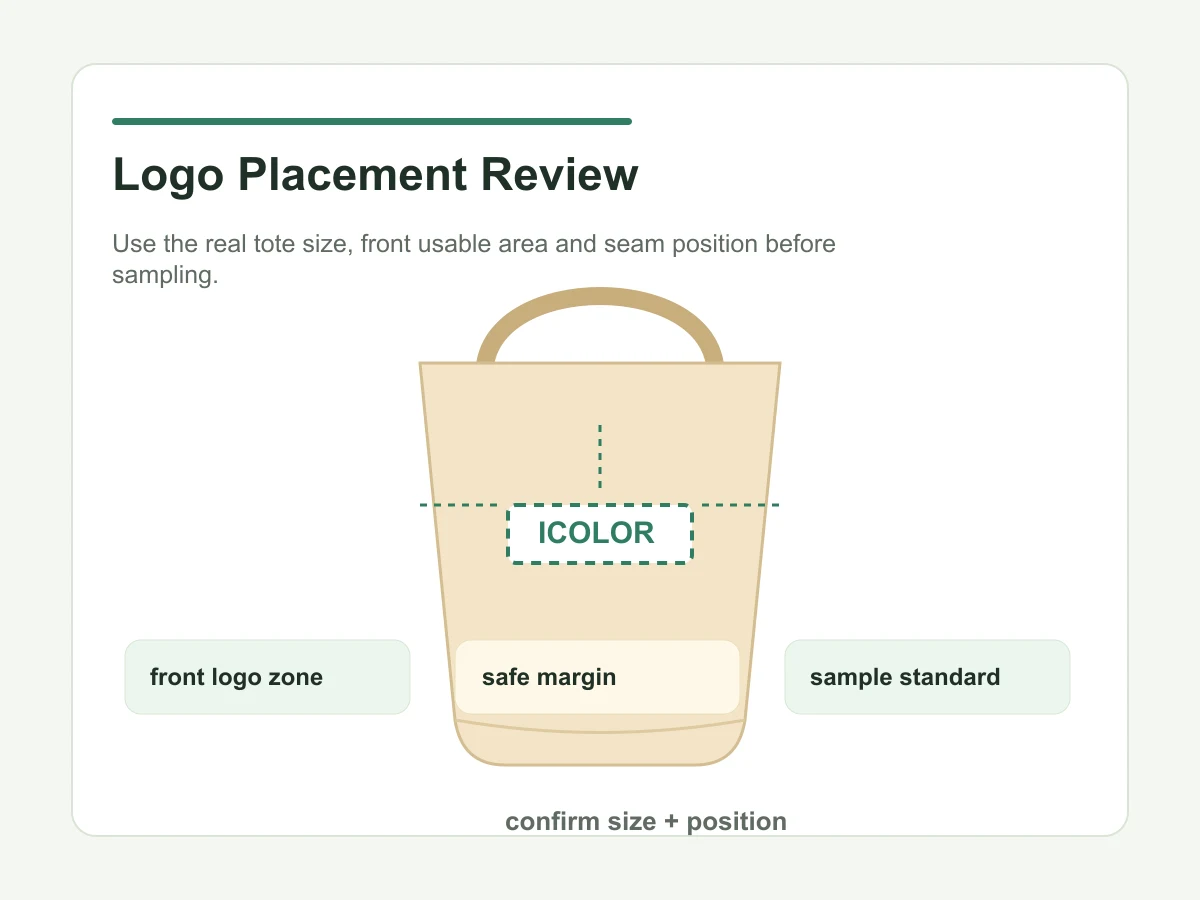
From our factory side, a tote logo can look good in a flat mockup but feel wrong on a real bag. The reason is simple: a tote has thickness, handles, seams, gusset, wrinkles, material texture and a real use case. Logo placement should be judged on the physical bag, not only on a flat screen.
For brand projects, the logo position should support the campaign or retail purpose. A beauty GWP tote may need a clean front logo. A retail tote may need a stronger front mark or a subtle side label. A hotel welcome tote may need quiet branding. The right placement depends on the bag, not only the logo file. W3C SVG 2 is a useful reference for scalable vector artwork1
If the tote uses recycled, environmental or responsible-material wording together with logo placement, the claim wording should stay within the supported material and document scope. FTC Green Guides summarize environmental marketing claim principles6
For brand-sensitive orders, logo placement also belongs inside the supplier's broader production control process, because sample approval, worker instructions and final QC all need the same placement standard. amfori BSCI audit guidance is a useful reference for producer audit discussions5
Where can a logo be placed on a tote bag?
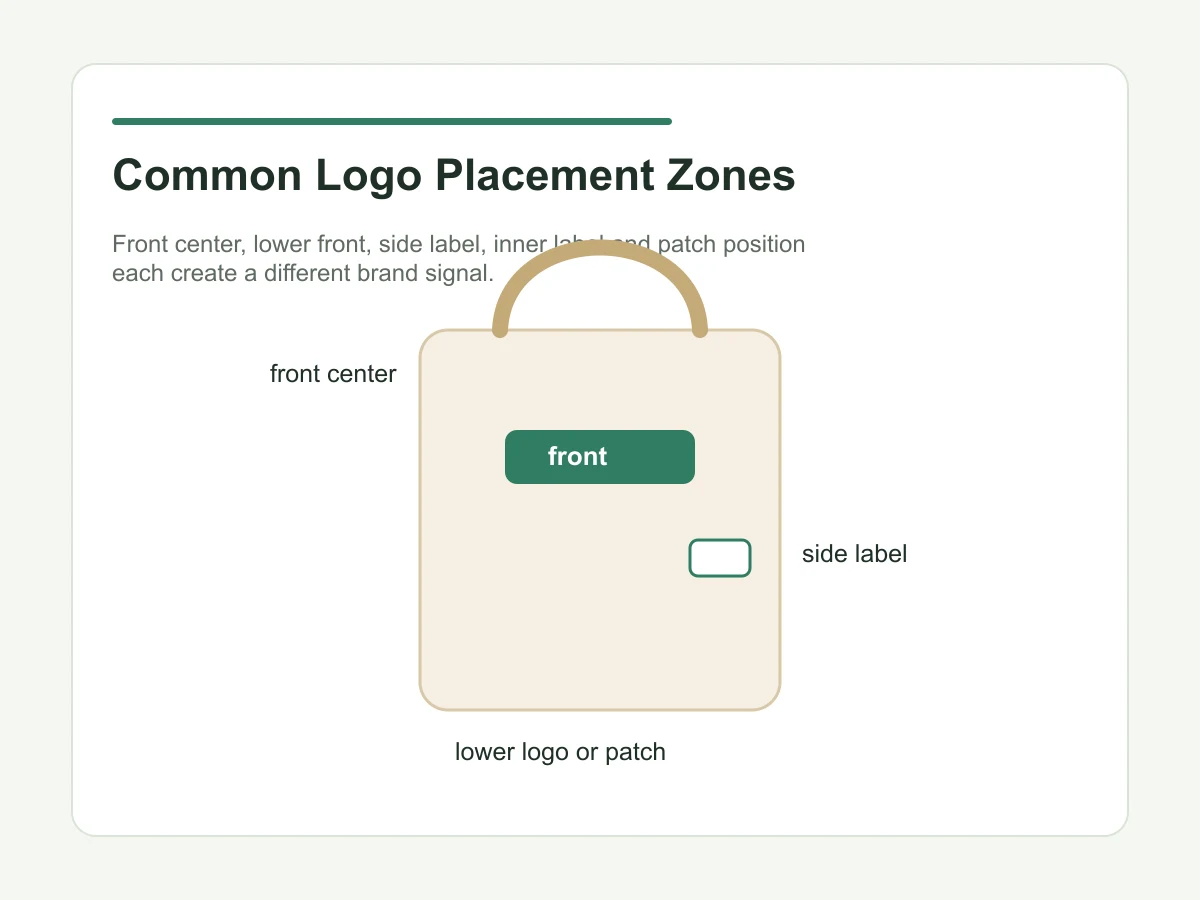
Common tote bag logo positions include front center, lower front, side label, inner label, handle area, woven label, patch or metal plate position. Each position creates a different brand feeling.
The most common position is the front panel. For beauty and wellness GWP projects, a front center or slightly lower front logo often looks clean and campaign-ready. For retail and private label totes, buyers may choose a more visible front logo or a smaller side label depending on the brand style. For hotel welcome totes, a simple front mark or quiet small-position branding is often easier to use.
If the buyer wants a low-key premium feeling, we usually suggest a smaller logo, side detail, woven label, patch or controlled front position. A large logo can be useful, but it should not overpower the tote if the goal is subtle brand value.
| Logo position | Best bag type | Best use case | Placement watch-out |
|---|---|---|---|
| Front center | Standard tote, medium gusset tote, flat tote | Beauty GWP, event tote, retail basic | Check usable front area and keep enough margin from seams and bottom fold |
| Upper front | Small GWP tote, boxy tote, pouch-style tote | Small logo, clean beauty set, hotel welcome gift | Avoid placing too close to handle stitching or zipper line |
| Lower front / corner | Large lifestyle tote, premium retail tote | Subtle branding, patch, metal plate, low-key premium mark | Check gusset and standing shape so the logo does not look too low |
| Side label / side seam | Private label tote, double-sided tote, retail SKU | Quiet brand identity, woven label, side tab | Confirm side seam position and stitch tolerance before bulk |
| Full front artwork | Flat tote, rPET tote, campaign tote | Seasonal artwork, multi-color campaign graphic | Confirm material surface, hand feel and edge behavior in sample |
How should buyers decide logo size and proportion?
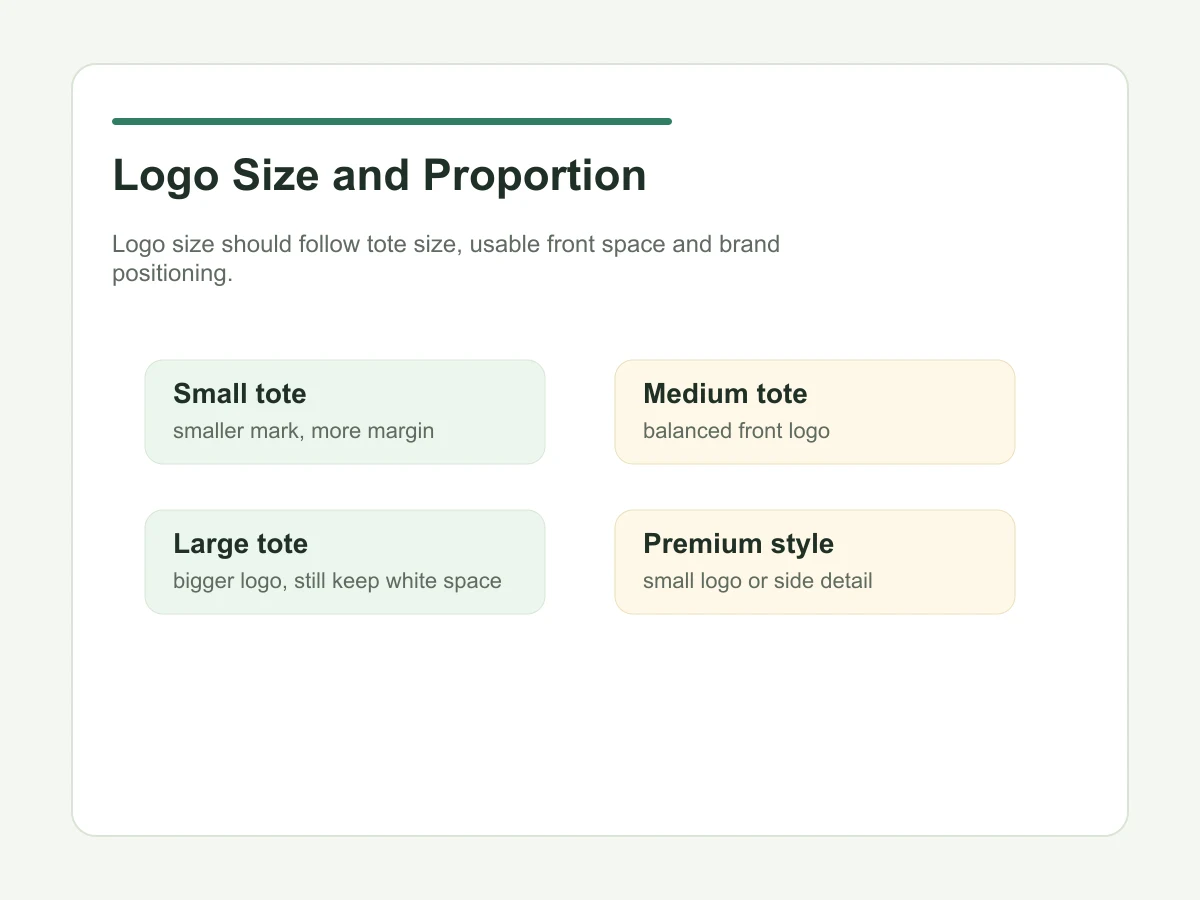
Logo size should be decided from the tote size, usable front area, bag style and brand positioning. A fixed logo size cannot work equally well across mini totes, medium totes and large shopping totes.
One common mistake is using the same logo size for different tote sizes. On a small GWP tote, a large logo may feel crowded. On a large lifestyle tote, a tiny logo may disappear unless the brand wants a quiet premium effect. The logo should also keep enough margin from seams, bottom edges and side panels.
For large front logos, screen printing or heat transfer is often more practical. For smaller marks, embroidery, woven labels, leather or vegan leather patches and metal plates may work better. The buyer should check the proportion on a real sample before bulk production.
| Tote size range | Typical use | Starting logo width | Safe margin to check |
|---|---|---|---|
| Small tote around 25 x 30 cm | Beauty GWP, welcome gift, small kit | About 8-12 cm for a front logo | Keep logo away from handle stitching, side seams and bottom fold |
| Medium tote around 33 x 38 cm | GWP set, event tote, hotel welcome tote | About 12-18 cm for a front logo | Check visual center after gusset and product loading |
| Standard tote around 38 x 41 cm | Retail basic, private label tote, brand merch | About 16-24 cm for a front logo | Keep enough white space so the logo does not crowd the panel |
| Large tote around 40 x 45 cm or larger | Shopping tote, lifestyle tote, resort tote | About 20-30 cm for a front logo | Check carrying shape because soft fabric may bend the logo area |
| Patch, woven label or metal plate | Premium detail or quiet branding | Usually smaller than the main front logo | Confirm fixing method, edge distance and sample proportion |
How do bag structure and material affect placement?
Gusset, seams, handles, zipper, pocket, fabric softness and material texture can all affect logo placement. The logo should avoid unstable areas and should match the surface that will carry it.
Bottom and side gussets can change the visual center of a tote. Seams, folds and handle stitching can limit where a logo can sit. A soft fabric may wrinkle under a large print or embroidered logo. A structured canvas tote may support a cleaner front mark, while rPET may work well for printed artwork if the surface is suitable.
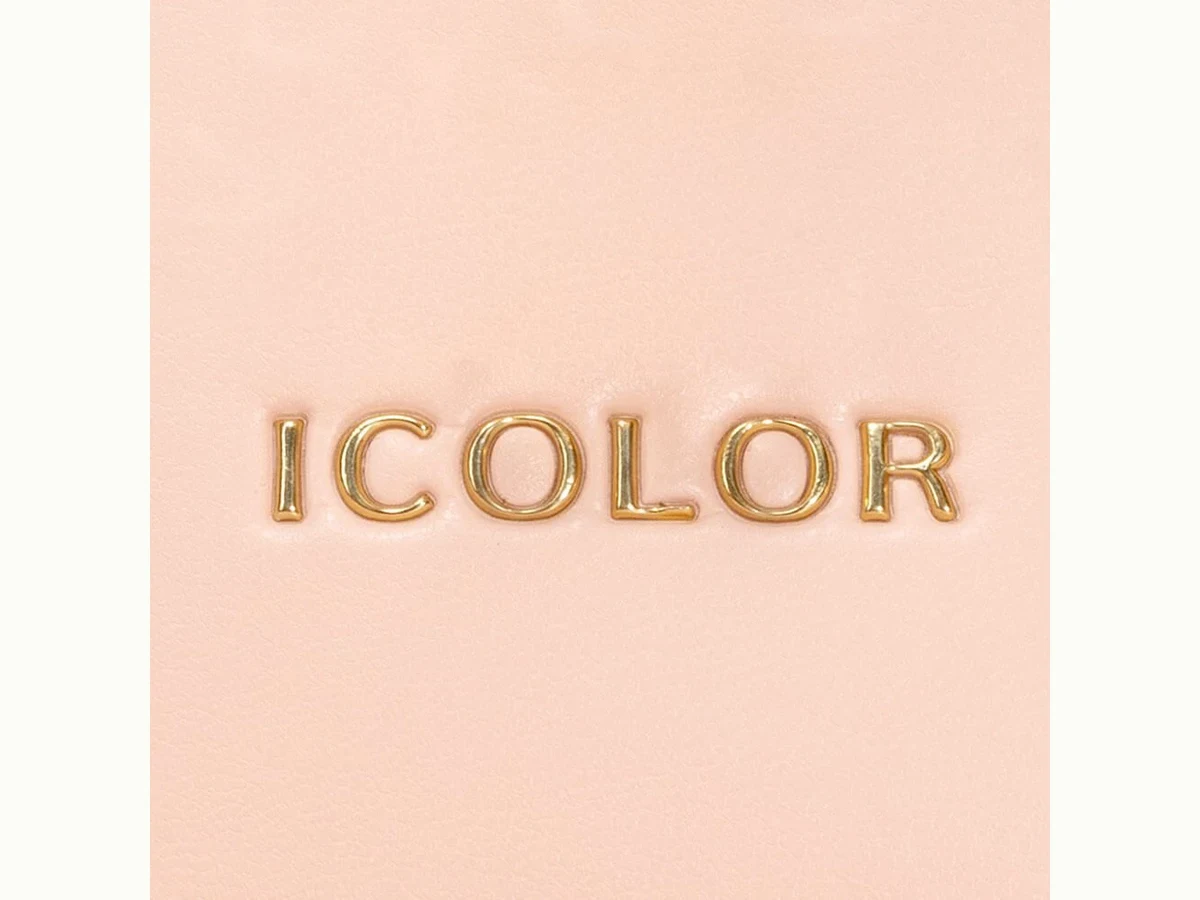
Vegan leather, canvas, recycled cotton and rPET all behave differently. A logo that works on a smooth rPET panel may not look the same on textured cotton canvas. If the logo detail involves a patch or plate, the fixing method and bag support should be checked early. Textile Exchange provides useful context for textile material documentation4
How does the logo process affect placement?
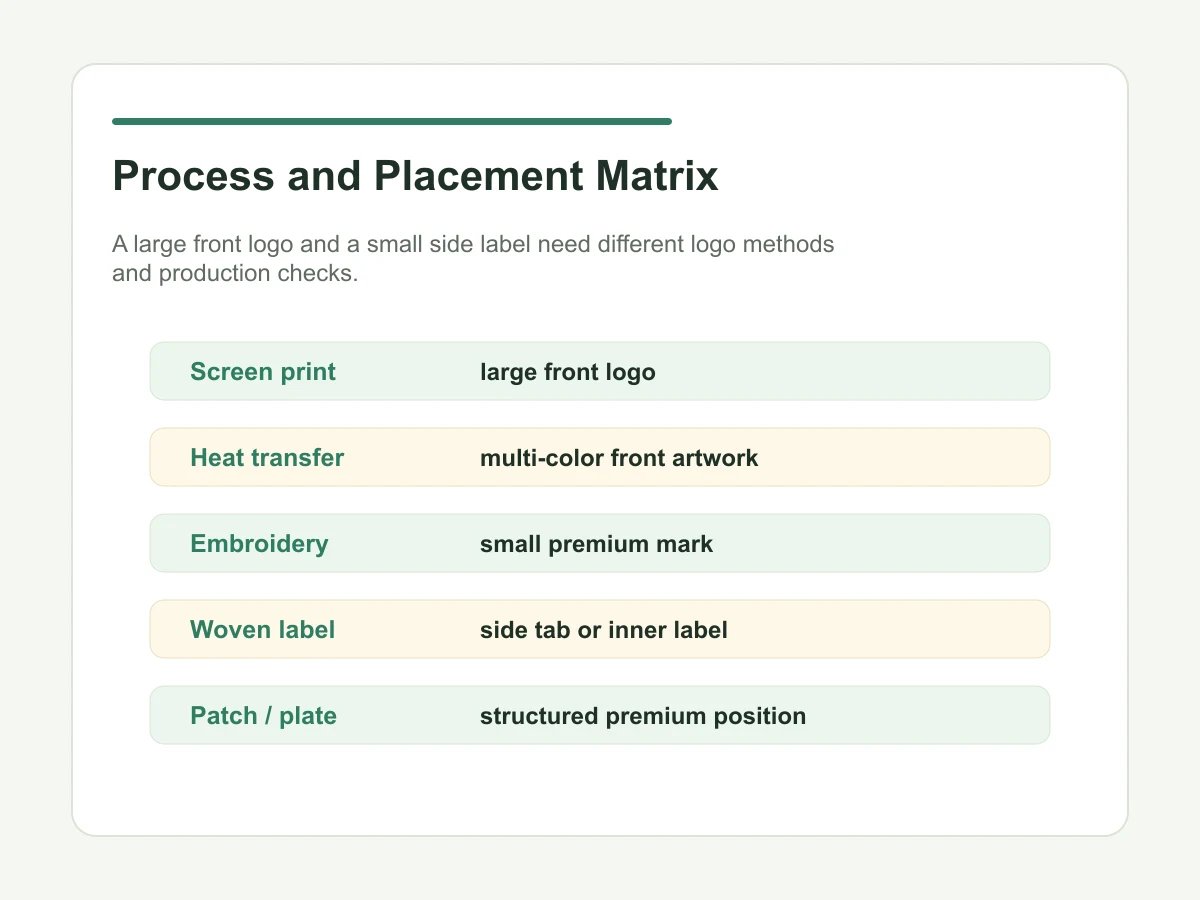
Screen printing, heat transfer, embroidery, woven labels, patches and metal plates all have different placement limits. The logo process should be chosen together with size, material and position.
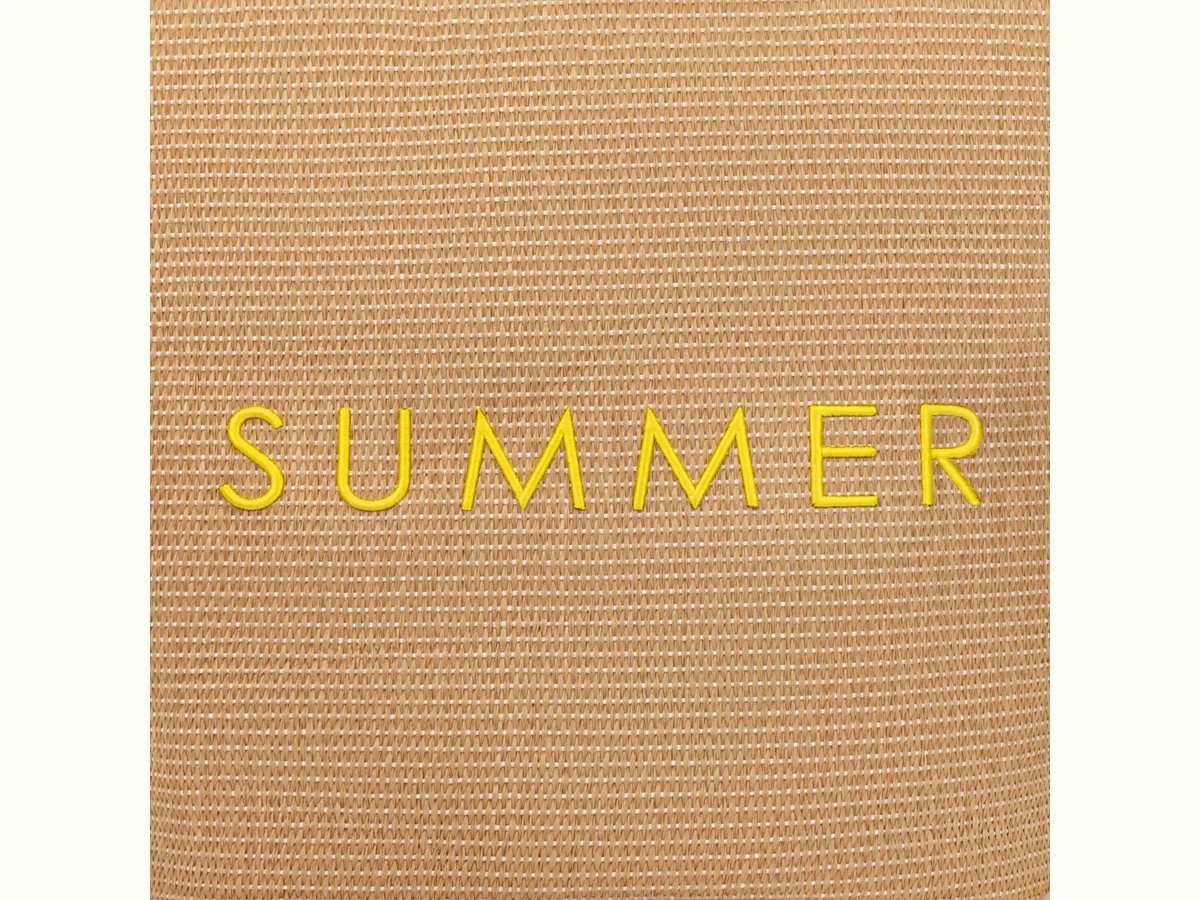
Screen printing needs a flat and stable area, and it should avoid seams, folds and areas too close to the edge. Heat transfer can support larger and more colorful artwork, but buyers should check hand feel and edge behavior. Embroidery should avoid thin or unstable materials and areas where backing or tension may cause puckering.
Woven labels, patches and metal plates need fixing points. A side label or small patch can create quiet branding, but the position should be measured. If a project uses multiple logo details, such as front printing plus a side woven label, the full tote should be reviewed as one product standard. Pantone Connect Premium can support color reference checks for brand artwork2
What should buyers confirm in samples?
Buyers should confirm logo position, size, proportion, color, process, distance from seams, visual balance and real product use in the physical sample and pre-production sample.
We usually make a mockup or layout first, but the mockup should not be treated as the final production standard. A digital image cannot fully show fabric movement, bag thickness, wrinkles or how the logo looks when the tote is carried.
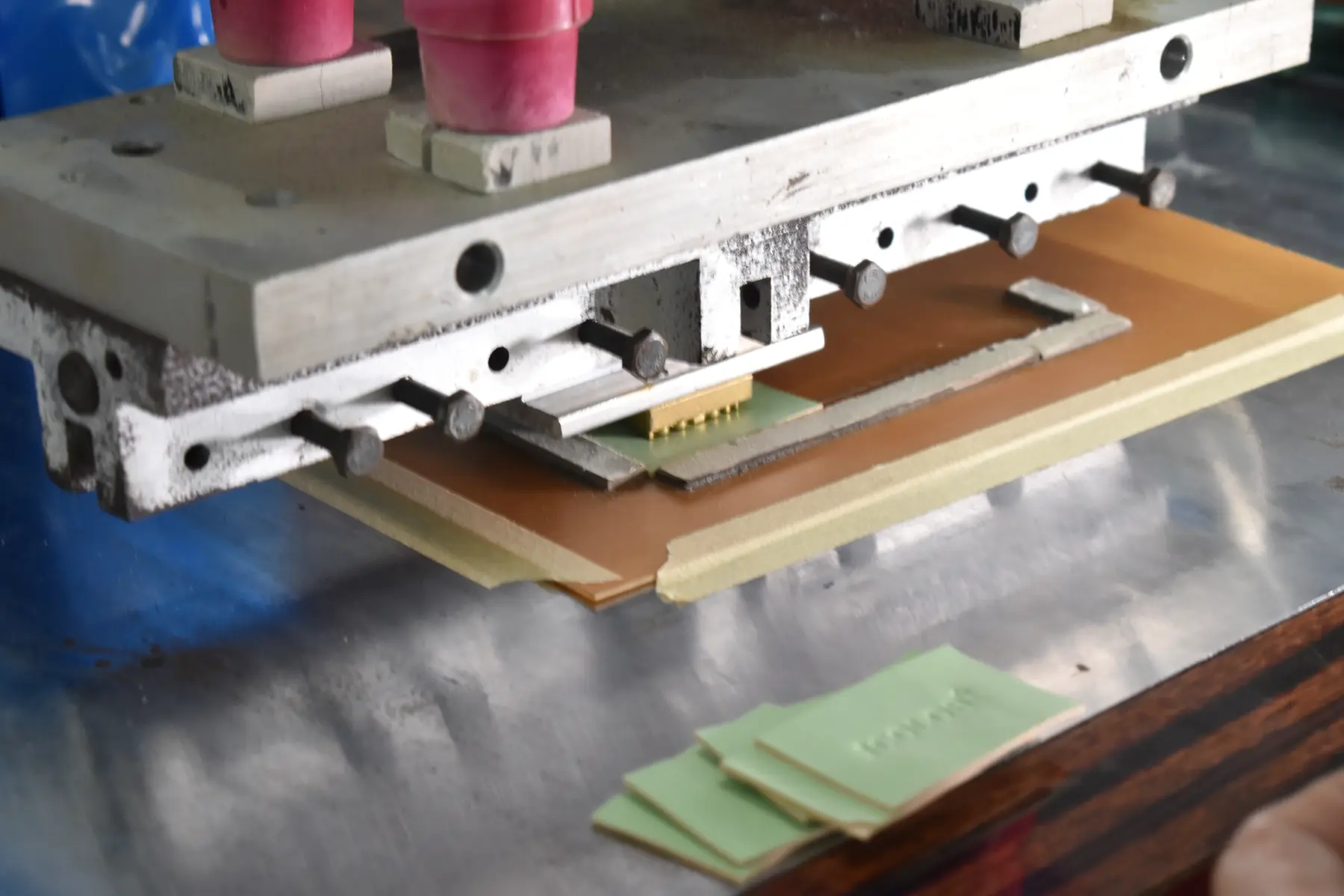
Before bulk production, the approved pre-production sample should lock logo size and placement. The workshop should then follow the signed sample, production notes and placement measurements. This is especially important when the logo is small, placed near a seam, or connected with embroidery, patch or metal hardware. OEKO-TEX STANDARD 100 is a common textile harmful-substance testing reference3
What logo placement mistakes should buyers avoid?
Common mistakes include making the logo too large, too small, too close to the edge, ignoring gusset or seams, approving only a flat mockup and changing position after sampling has started.
Many logo placement problems are not caused by the logo itself. They happen because the buyer checks only the flat artwork and does not consider the bag structure, material and final use. A logo may look balanced on screen but feel too high, too low or too large on the real tote.
Late placement changes can also cause sample delay or extra cost, especially if the logo uses embroidery, metal plate, patch, mold or special printing setup. For brand projects, placement should be confirmed before the pre-production sample.
Does logo placement affect cost and timeline?
Logo placement can affect cost and timing when the change requires a new screen, embroidery setup, mold drawing, patch fixing method, metal hardware position or a new sample approval round.
Ecoicolortote custom tote projects start from 500 pcs per style for qualified brand projects. Sample timing is confirmed after the material, construction, logo method, artwork, packaging and approval scope are clear; the working schedule also depends on revision speed and current capacity.
If logo placement changes before sampling, the impact is usually easier to manage. If it changes after a sample or tooling has started, it may affect sample timing, cost or production preparation. That is why logo placement should be confirmed together with material, logo file and tote size.
What should buyers confirm before sampling?
Before sampling, buyers should confirm tote size, logo file, logo size, placement, material, logo process, color direction, packaging requirement, quantity and target launch date.
| Logo position | Best for | Recommended process | Watch-out |
|---|---|---|---|
| Front center | Beauty GWP, retail tote, event tote | Screen print, heat transfer, embroidery for smaller logos | Check usable front area and distance from seams |
| Lower front | Subtle branding and premium layout | Screen print, patch, metal plate | May look too low if the tote has gusset or folds |
| Side label | Private label, retail SKU, quiet brand mark | Woven label, side tab | Check side seam and stitching position |
| Inner label | Private label and product information | Woven label, wash label, composition label | Confirm label content before bulk |
| Patch or metal plate | Premium GWP, hotel gift, lifestyle tote | Vegan leather patch, metal plate | Confirm fixing method, support and sample standard |
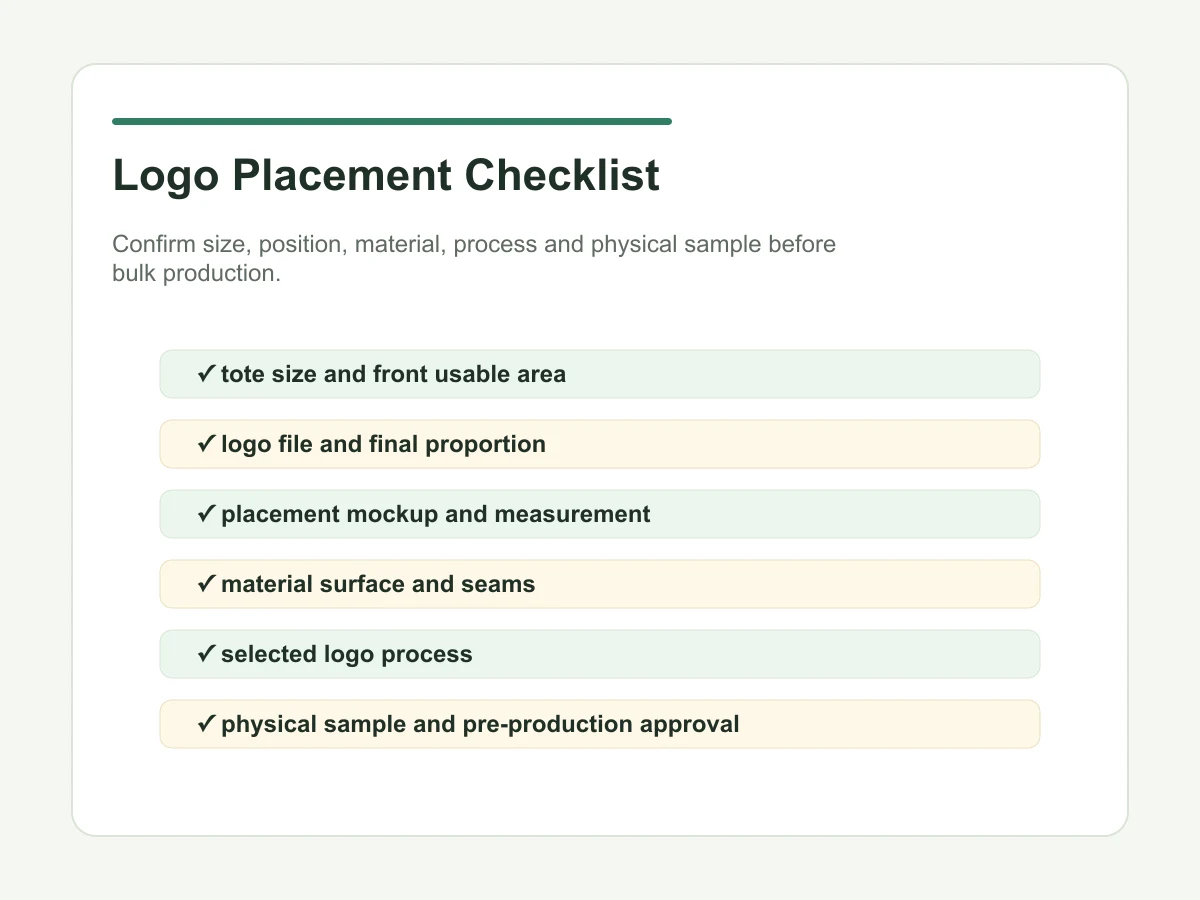
Logo Placement Checklist Before Sampling
- Tote width, height, gusset and usable front area
- Final logo file in AI, EPS or editable PDF
- Logo size and exact position
- Material surface, seams, handles and pockets
- Selected logo process and color direction
- Mockup, physical sample and pre-production approval
- Packaging and label requirements
- Quantity, colorways and launch date
Less suitable fit for this logo placement route
This logo placement route is less suitable for single-piece gifts, personal tote orders, lowest-price-only sourcing, or buyers who want exact placement without confirming tote size, material, logo process and physical sample approval.
Ecoicolortote is usually not the right fit for orders below 500 pcs per style without an existing brand project context, buyers who only send a flat image without tote size or use case, or projects that change logo position after the bulk standard is already locked. This route works better when the buyer has a real brand, campaign or retail project and wants logo placement to become a repeatable production standard.
Send your logo file, tote size, material, preferred process, placement direction, quantity and launch date. We can help check proportion, safe margins, sample scope and production risks before bulk order. Contact Ecoicolortote.
FAQ: Logo placement for custom tote bags
Where should a logo go on a custom tote bag?
The most common position is the front panel, but the right placement depends on tote size, material, logo process and brand positioning. Side labels, patches and inner labels can be better for subtle branding. Buyers should also check gusset, seams, handle roots and product loading before approving final placement for production.
How large should a tote bag logo be?
Logo size should follow the tote size and usable front area. A logo that works on a large tote may look crowded on a mini GWP tote, so proportion should be confirmed by mockup and physical sample. The safest size also depends on margin, material texture and logo process limits.
Can logo placement be changed after sampling?
It can be changed, but it may require a new sample, new screen, embroidery setup, patch position or tooling confirmation. It is better to confirm placement before pre-production approval. Late changes can affect sample timing, logo setup cost, worker instructions, packaging photos and the final production standard for bulk goods.
Which logo process is most sensitive to placement?
Embroidery, patches and metal plates are often more placement-sensitive because they need fabric support, fixing points and clear edge distance. Screen printing and heat transfer also need stable flat areas. The process should be chosen together with logo size, material, position and sample approval instead of after the layout is fixed.
What file should buyers send for logo placement review?
Buyers should send AI, EPS, SVG or editable PDF artwork whenever possible, plus Pantone references, desired logo size, placement idea and tote dimensions. JPG or PNG files can help discussion, but vector artwork is safer for production because it keeps edges, text and proportions clear for sampling and QC review.
What should be included in the RFQ?
The RFQ should include tote size, material direction, quantity, logo file, preferred placement, logo process, color direction, packaging needs, launch timing and destination. If the tote has a gusset, zipper, pocket, side label, patch or metal plate, those structure details should be included before sampling starts too early enough now.
What mistake causes the most rework?
The biggest mistake is approving a flat mockup without checking the real tote structure. Rework often happens when handle roots, seams, gussets, folds, material texture, product loading or logo process limits are discovered after sampling starts. Physical sample approval should turn logo placement into the bulk production standard before order approval.
Trademark and certification note
SVG, Pantone, OEKO-TEX, Textile Exchange, amfori BSCI and FTC references are included for buyer education and scope discussion only. They are owned by their respective organizations. Any artwork, color, textile safety, audit, material documentation or environmental claim should be checked against the actual logo file, material, process, order scope, packaging and buyer requirement before it is used in production files or campaign copy.
Sources
- W3C SVG 2 - scalable vector graphics specification ↩
- Pantone Connect Premium - color library access ↩
- OEKO-TEX STANDARD 100 - textile product safety ↩
- Textile Exchange - textile material documentation reference ↩
- amfori BSCI audit guidance - producer audit requests ↩
- FTC Green Guides - environmental marketing claims ↩