

 Zoe Yu
 A beauty GWP quote at 10,000 and 15,000 pieces should compare the same tote, personalization, optional pouch, packout and sea-delivery basis. Otherwise the lower unit price may hide a different scope.
Owner route: This article supports the Wellness / Beauty owner and does not own the broader commercial query.
Send Beauty GWP BriefView GWP Tote Bag Route
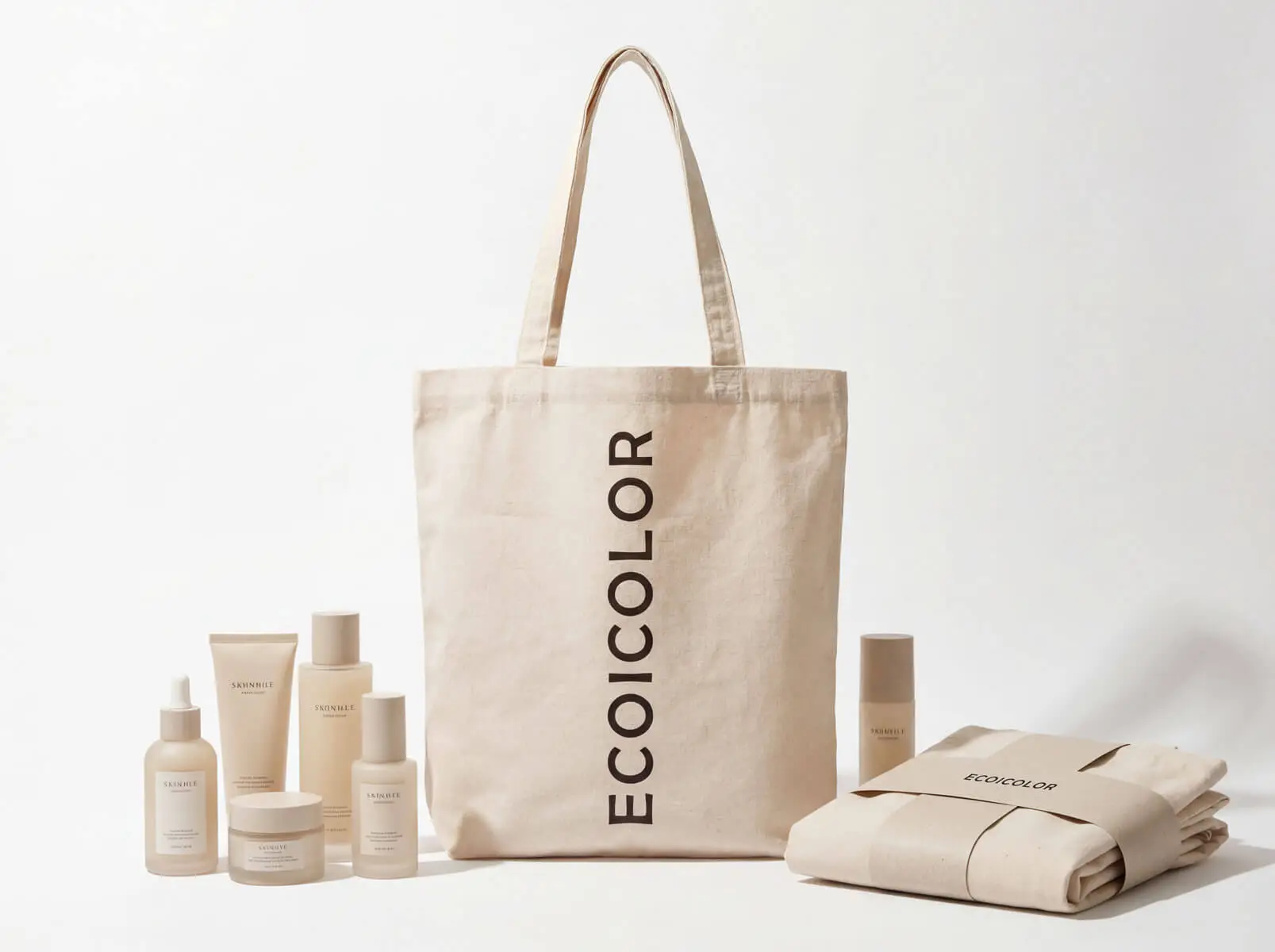
Quantity breaks are useful only after material, personalization, matching accessories, packing and delivery responsibility are held constant.
- 10,000 and 15,000 price tiers
- personalized tote and optional pouch
- sea delivery market and launch window
Buyer decision
Use two quantity tiers to compare campaign volume, but hold the product and logistics assumptions constant. Separate tote, pouch, packing and freight lines so procurement can see what actually changes.
What the recent Portugal RFQ already made clear
Verified inquiry note: a beauty group requested 10,000 and 15,000-unit price tiers for a summer 2027 gift-with-purchase program, with sea delivery to Lisbon. The buyer also asked about other beach bags and necessaires, with personalization for the same quantity. This is a strong RFQ because quantity, campaign use, destination and launch season are present; artwork, material, sizes and packout still need confirmation.
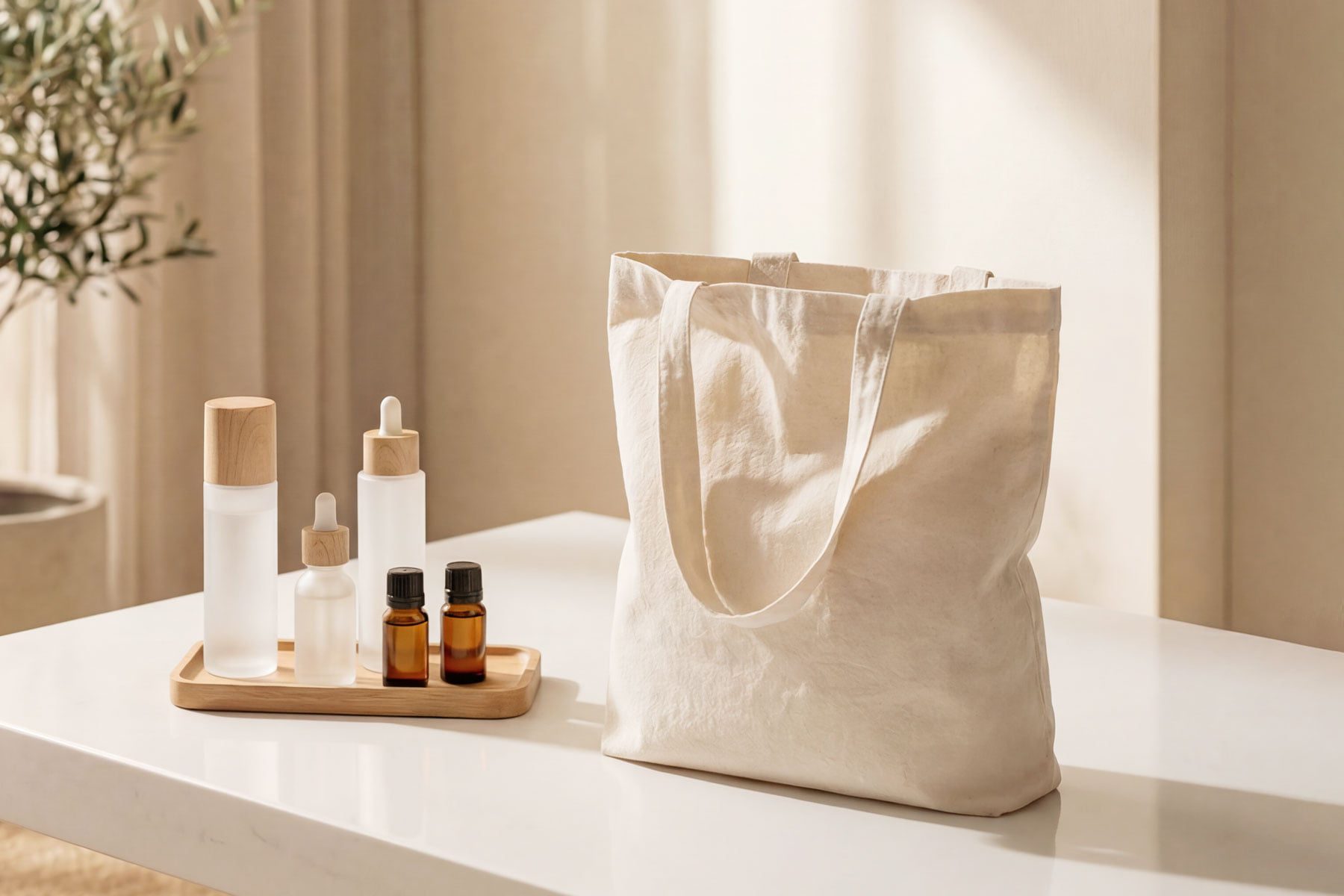
Use representative contents to prevent a low quote based on a bag that does not fit the launch set.
- campaign contents
- finished tote size
- filled presentation
Build a like-for-like 10k and 15k comparison
| Quote line | Keep fixed | Show separately |
|---|---|---|
| Tote | Size, material, color and logo process. | 10k and 15k unit price. |
| Necessaire | Size, closure, lining and logo. | Separate item and set price. |
| Packout | Individual packing, inserts and labels. | Labor and material charge. |
| Delivery | Destination and responsibility basis. | Freight estimate and exclusions. |
Personalization and version splits change the useful tier
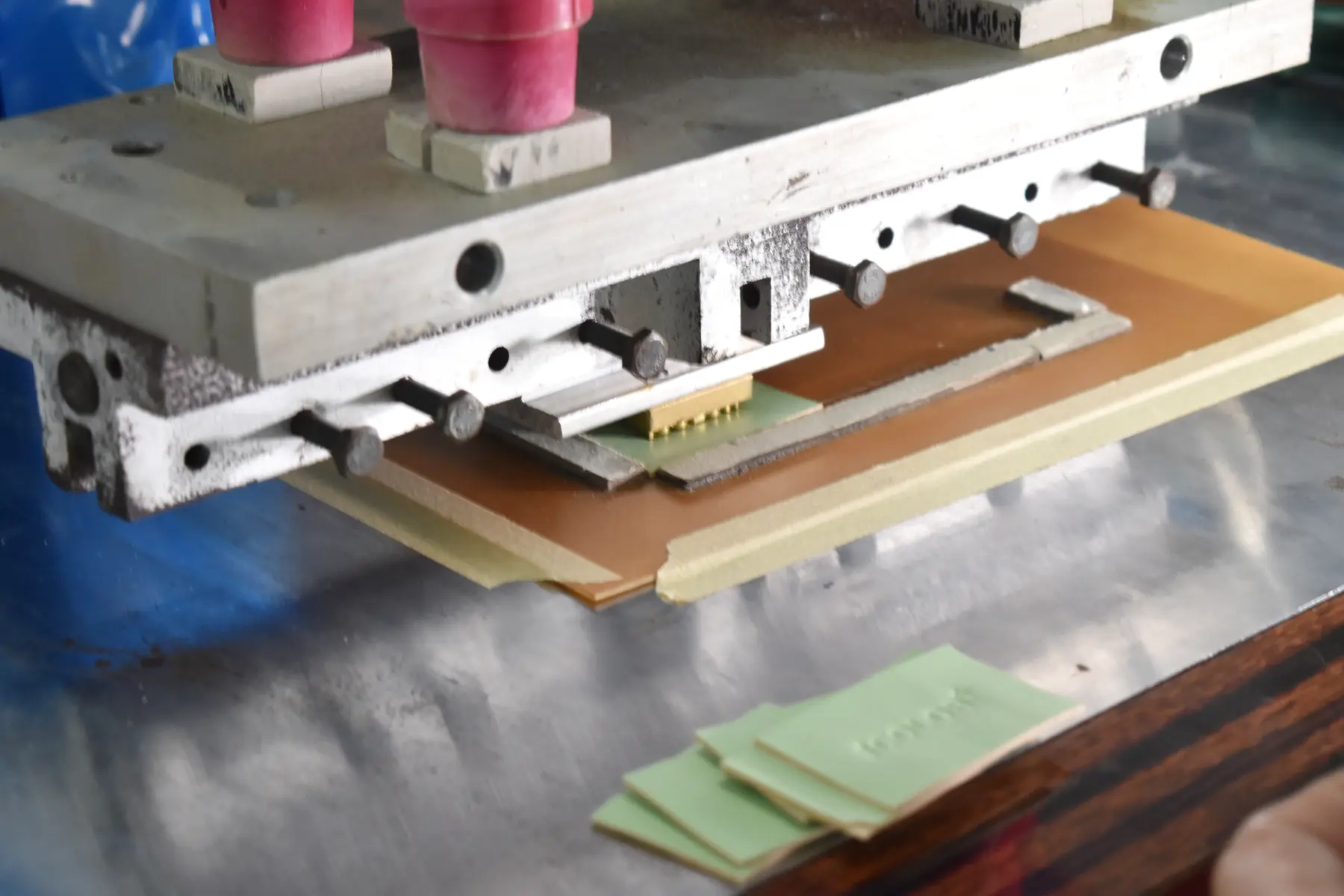
Specify artwork size, colors, placement and whether all pieces use one logo version. If quantities split by market, design or product family, show the split at both tiers. A 15,000-piece total may contain smaller production versions that do not receive the same unit-price movement as one continuous version.
A quantity comparison is misleading if one tier assumes a different logo process.
- artwork size
- color count
- version split
Quote the tote and necessaire as coordinated but separable products
A matching set may share a fabric and color reference, but each piece needs its own measurements, construction and logo approval. Separate lines make it easier to change one item without losing the quote history. If the buyer wants close color coordination, confirm whether the same base material is feasible before promising a visual match.
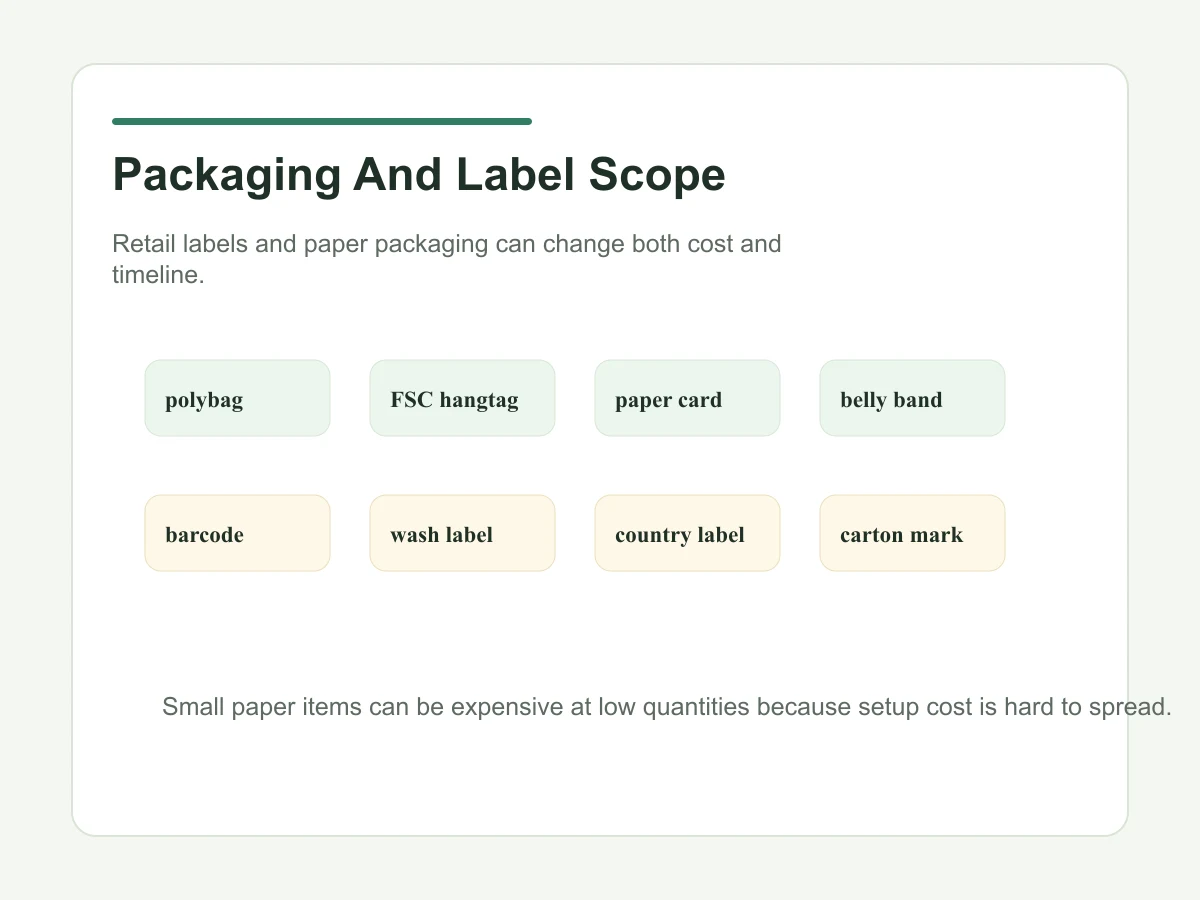
List every packout component instead of adding it after the tote price is approved.
- tote and pouch lines
- labels and inserts
- individual packing
Sea delivery needs a responsibility split, not only a destination
ICC Incoterms rules [1] explains how Incoterms clarify delivery tasks, costs and risks. The quote should therefore state the selected term and destination, not simply u201csea freight included.u201d For EU planning, European Commission market access guidance [3] points buyers to official market-access information; product classification, importer obligations and destination charges still require project-specific confirmation.
Carton size and count are estimates at quote stage and should be reconfirmed against production packing.
- carton dimensions
- carton count and CBM
- destination and booking window
Carton assumptions can change when a matching pouch is added
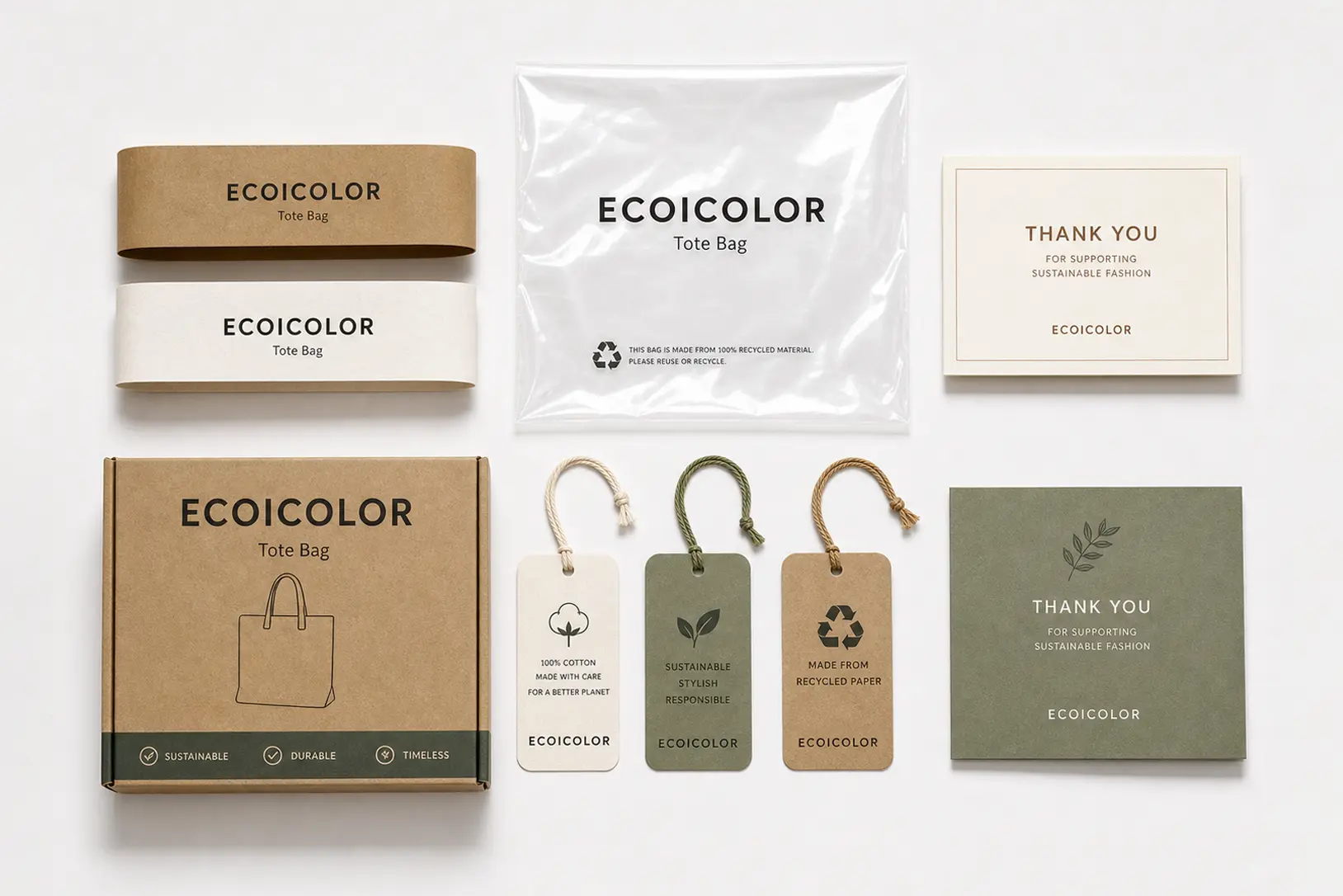
A tote-only estimate cannot automatically be reused for a tote-and-necessaire set. Pouch packing, paper boxes, inserts or individual wrapping can increase carton count and volume. At quote stage, label carton data as estimated. Before booking, confirm finished packing with production. GS1 Logistic Label Guideline [2] provides official logistics-label context where structured unit identification is required.
Decision checkpoint before sample payment
Commercial
10k/15k tiers, setup, sample, packing and delivery exclusions.
Product
Tote, pouch, material, color, personalization and contents fit.
Calendar
Sample approval, bulk window, packing, booking and Lisbon arrival.
The supplier, brand and logistics teams need one approved scope before the booking window.
- approved sample
- quantity and version table
- packout and delivery basis
Choose a focused review: Compare Quote Tiers or Review Sea Delivery Window.
FAQ
Why request both 10,000 and 15,000-piece GWP tote prices?
Two quantity tiers help a brand compare campaign reach and unit-cost movement without reopening the specification. Both tiers must use the same material, dimensions, logo process, packing and delivery basis. If any of those assumptions change, the price difference no longer shows only the effect of quantity and can mislead procurement.
What should stay fixed in a beauty GWP quote comparison?
Keep the tote size, fabric specification, color route, artwork size, print colors, label, optional pouch, individual packing, carton assumption, sample scope and Incoterm consistent. State any planned version split. The quote can then show setup, unit price and packing differences at 10,000 and 15,000 pieces on a comparable basis.
How should a matching necessaire or pouch be quoted?
List it as a separate product line with its own size, material, lining, closure, logo and packing. If the tote and pouch must look coordinated, specify whether they use the same fabric and color reference. A combined set price can be added, but separate lines make sample corrections and quantity changes easier to control.
What sea-delivery information belongs in the RFQ?
Provide the destination city or port, required arrival window, preferred Incoterm, importer responsibility and whether delivery continues beyond the port. Ask for carton-size and carton-count estimates, then reconfirm them against actual bulk packing before shipment. Incoterms clarify responsibility; they do not replace a complete logistics brief.
When should the sample be approved for a summer launch?
Work backward from the required in-market date through local delivery, sea transit, booking buffer, packing, bulk production and sample correction. The RFQ should state both the launch window and the latest acceptable sample approval date. A generous calendar matters more than a generic lead-time promise for a fixed seasonal campaign.
Does the lower unit price always make 15,000 pieces better?
No. The larger tier is useful only when the brand can distribute the quantity and the added inventory, freight and storage remain justified. Procurement should compare total project scope, not only unit price. If the campaign allocation is uncertain, a split or phased route may be more practical, subject to production and version feasibility.
Sources
About the Author
 |
Zoe Yu is B2B Sales Manager at Ecoicolortote, supporting overseas brand buyers with custom tote RFQs, material and logo review, sampling, packing and bulk production coordination. |
Confirm Packing ScopeView GWP Tote Bag Route