

 Zoe Yu
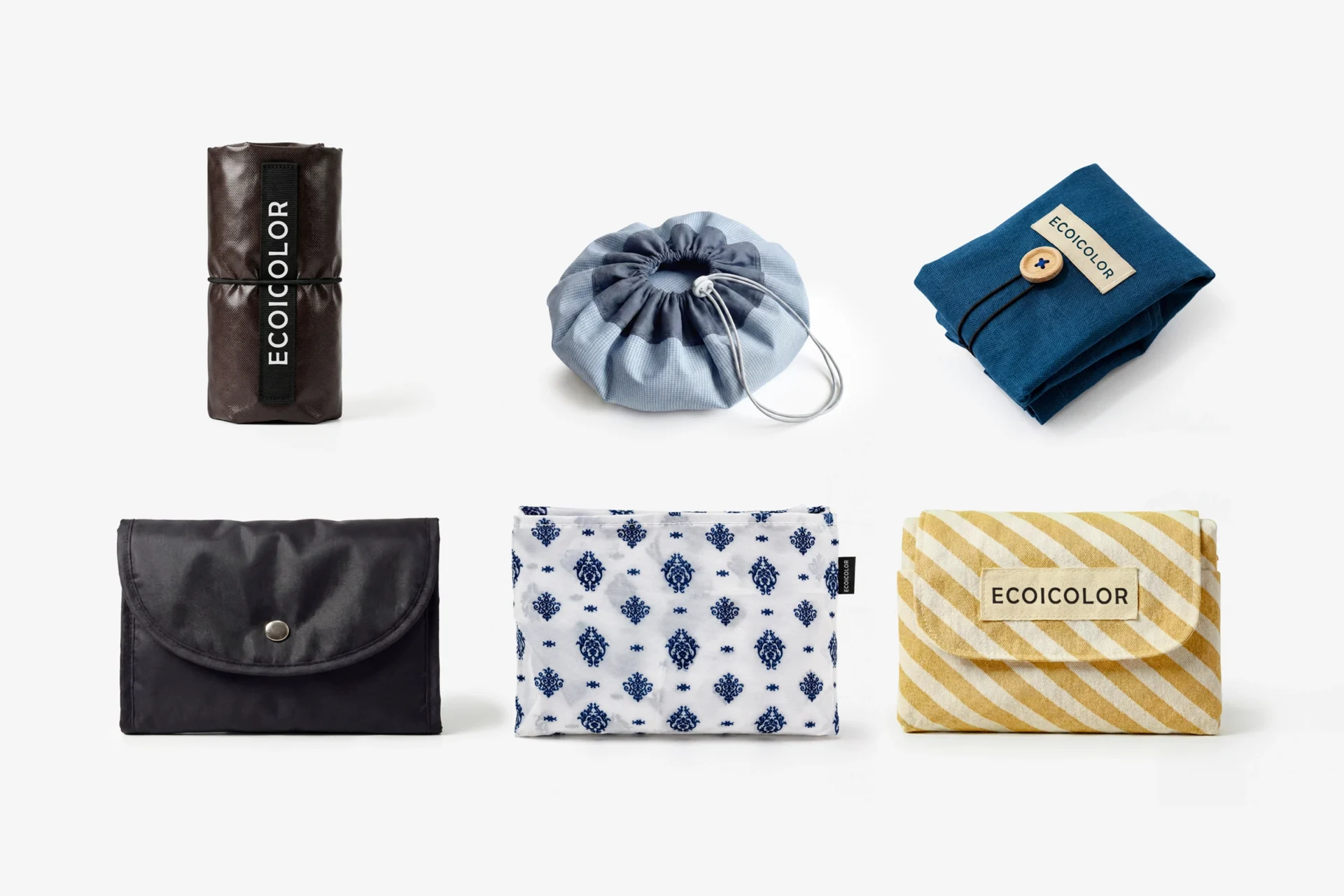
 A foldable tote bag pouch packing approval guide helps buyers avoid a common mistake: approving the tote body but not the folded use experience. For MOQ 500+ retail, GWP, event and travel programs, the buyer should review folded size, pouch fit, logo visibility, material thickness, packing ratio and carton volume before bulk production.
Send Foldable Tote Brief Review Pouch Sample Check Carton Volume
Review the tote open, folded into the pouch and packed into carton volume before signing off a MOQ 500+ order.
Buyer Summary
This guide is for B2B buyers planning foldable tote bags with pouch, pocket or compact packing requirements. It explains what to check before sample approval, including open tote size, folded shape, pouch comfort, logo placement, material route, packing method and delivery handoff.
Quick answer
Ask for the sample to be checked open, folded and packed. Send quantity range, material route, logo position, pouch type, packing route, target carton ratio and delivery market before quotation so the supplier can judge whether the foldable route is practical for MOQ 500+ production.
What should buyers approve for a foldable tote pouch?
| Brief area | What to confirm | Why it matters |
|---|---|---|
| Open size | Final tote dimensions, handle drop, gusset and usable capacity. | The folded product still needs to work as a tote. |
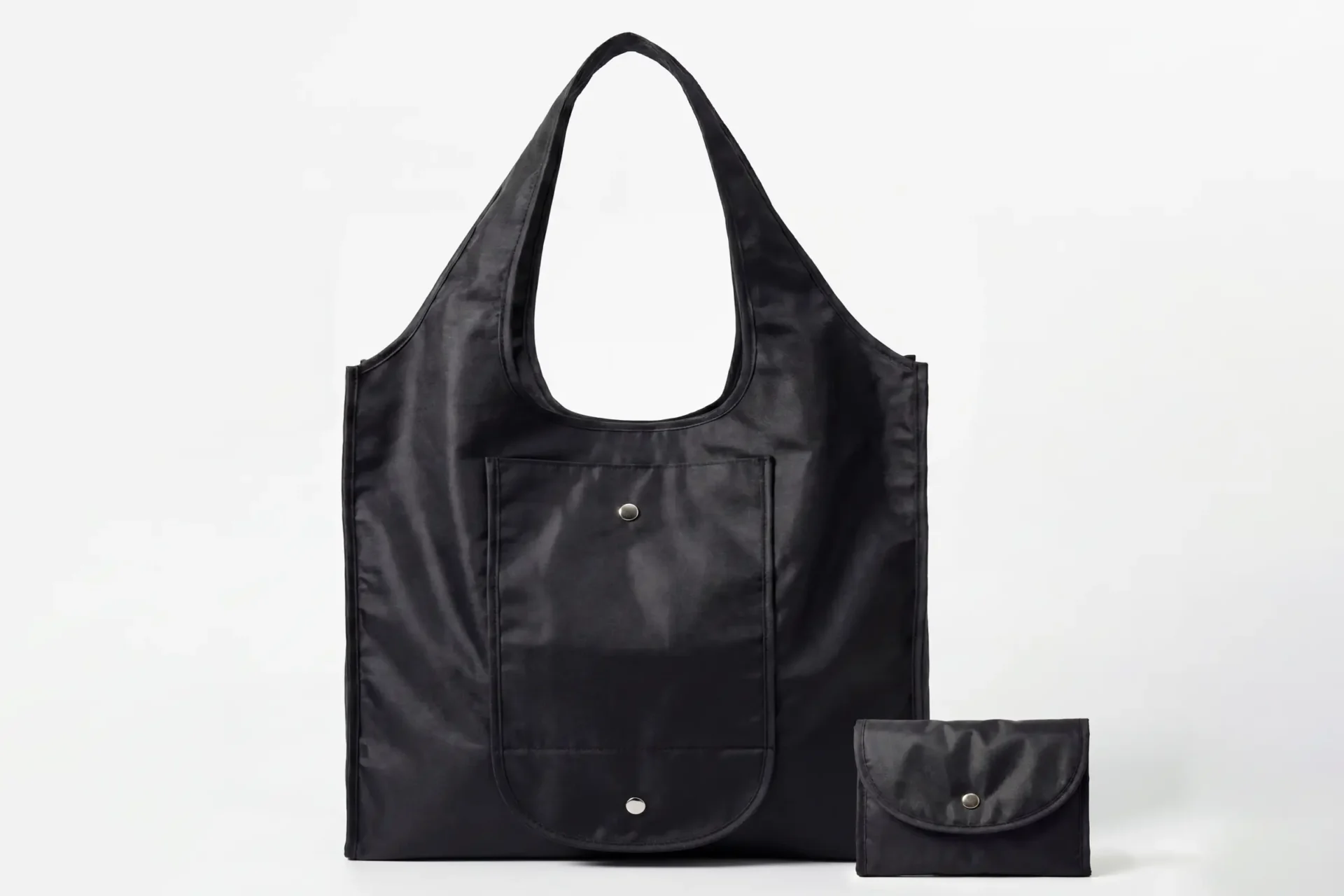
| Folded size | Pouch size, pocket fit, folding direction and ease of return. | A good open tote can fail if users struggle to fold it. |
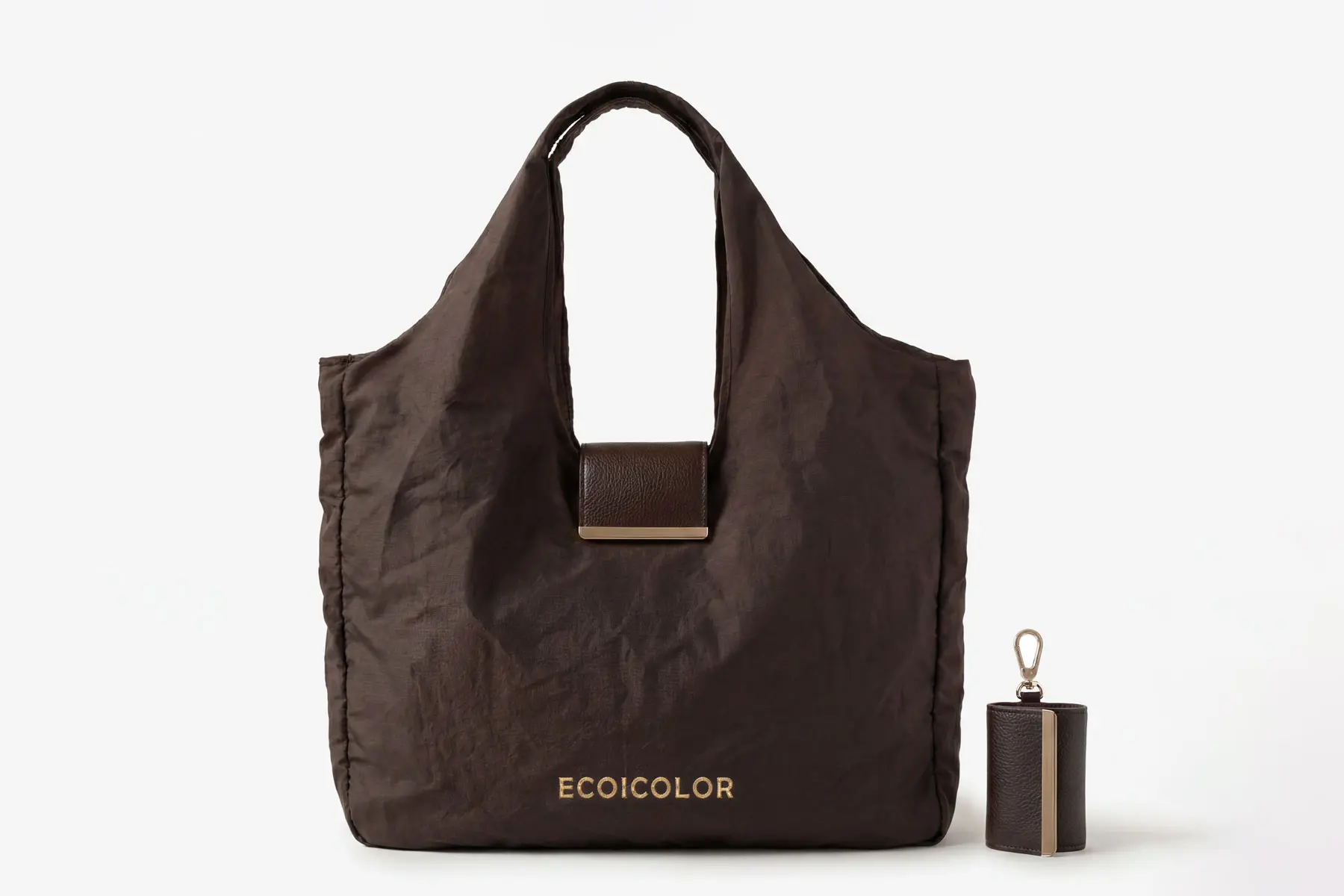
| Logo placement | Logo on tote body, pouch, pocket, label or both. | The logo may disappear or distort after folding. |
| Carton ratio | Units per inner pack, carton volume and version split. | Folded volume affects shipping, storage and handout logistics. |
If the pouch or carton uses handling marks, keep those marks aligned with the packing route. ISO 780 package marking guidance [1] is useful background for package marking context.
Delivery responsibility affects how packing and carton volume are compared. ICC Incoterms rules [2] is useful background for delivery-term alignment before buyers compare quotes.
If the pouch is too tight, slow to fold or hides the logo poorly, the buyer may face handout and retail presentation problems.
- folded size
- pouch fit
- logo visibility
Which details change foldability and carton volume?
GWP handout
Review fold speed, pouch visibility and whether the tote can be packed with campaign items.
Retail accessory
Review hangtag, barcode, pouch face and shelf or counter presentation.
Travel or event use
Review packed size, carton split and whether staff can unfold or repack quickly.
How should pouch packing be connected to delivery?
If fiber or origin wording appears on a label or hangtag, it should be reviewed with the packing sample. FTC textile labeling guidance [3] is useful background for textile label context.
Testing context may be relevant when buyers have market or retailer requirements. OEKO-TEX STANDARD 100 [4] is useful background, but document scope still depends on the actual material and order.
A fabric that looks good open may become bulky after folding, especially when the pouch or pocket size is fixed.
- material thickness
- fold memory
- packed volume
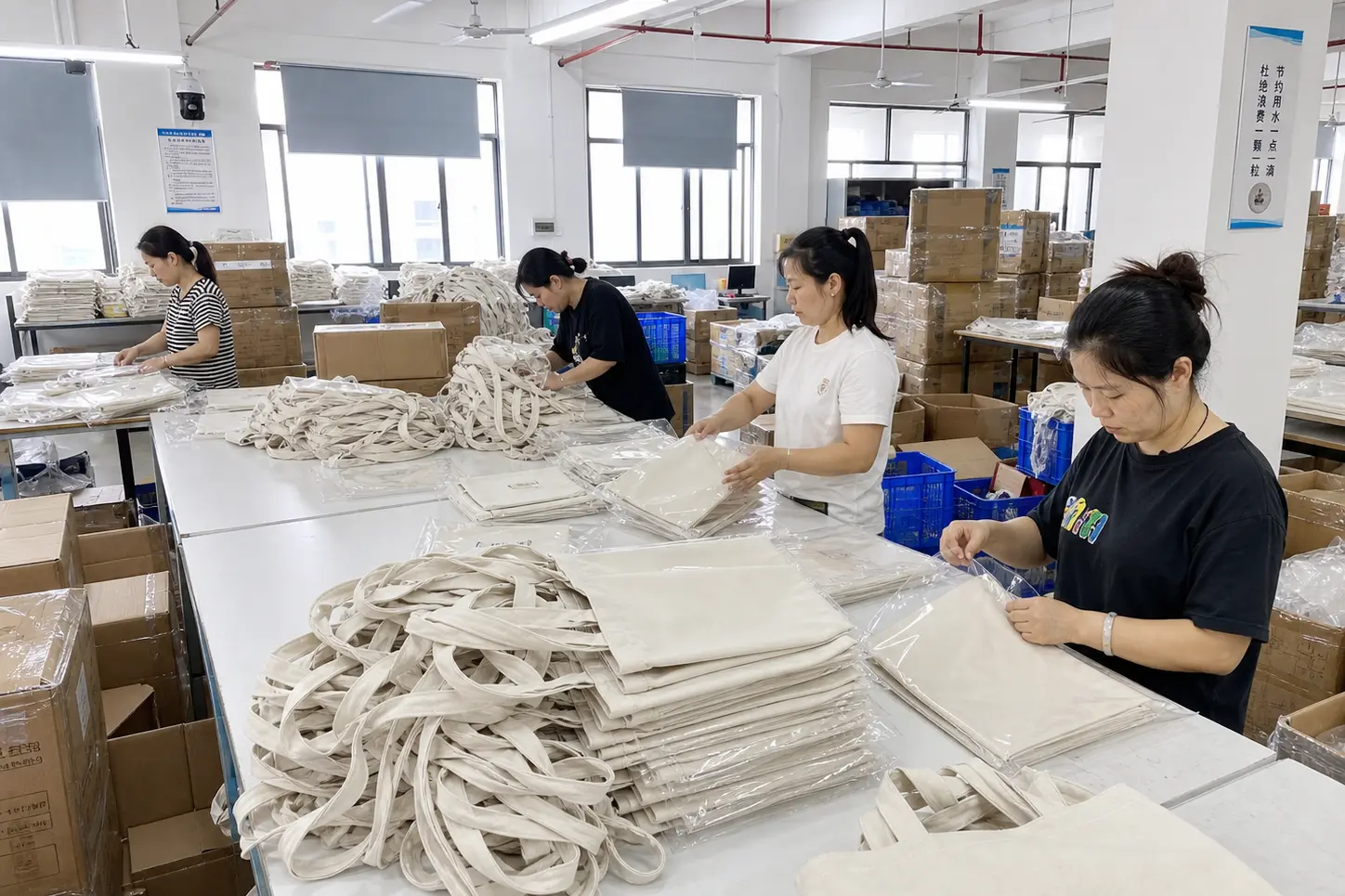
When foldable pouch packing is the right route
Best fit: retail, GWP, event, travel, hotel and DTC buyers planning MOQ 500+ foldable tote projects where compact handout, pouch appearance, carton volume or version packing matters.
Less suitable: buyers who only need a classic open tote, one-piece gifts, no-brand small orders, or projects that refuse sample approval while expecting exact folded size and pouch behavior.
Pouch Packing Approval Worksheet
Use one approval sheet to compare the open tote, fold sequence and final pouch format. This is a buyer planning example, not a claimed customer incident.
- Open tote size and target folded size.
- Attached pouch, inner pocket or separate sleeve construction.
- Closure type, opening width and hand comfort when the pouch is carried.
- Main logo position on the open tote and any second logo on the packed unit.
- Material thickness, seam stack and the number of folds required.
- Individual packing, insert cards, pieces per carton and destination labels.
Packing and document wording note
Foldable tote, pouch, pocket, barcode, document, textile and testing terms should be reviewed against the actual project. Ecoicolortote can discuss route feasibility and sample approval needs, but a foldable bag description should not be treated as a guarantee of every packing or document result.
FAQ
What should I check on a foldable tote bag sample?
Check the tote open, folded and packed. Review open size, handle comfort, material handfeel, stitching, pouch fit, folded thickness, logo visibility, label placement, packing route and carton volume. A foldable tote sample is not fully approved if the buyer only checks the open bag and ignores whether the pouch works for the intended handout or retail use.
Why does pouch size matter for foldable tote bags?
Pouch size affects user experience, handout speed, retail appearance and carton volume. If the pouch is too tight, users may struggle to refold the tote. If it is too loose, the packed unit can look weak or take unnecessary space. MOQ 500+ buyers should approve pouch fit using the actual material, logo route and packing method.
Should the logo go on the tote, pouch or both?
The best logo placement depends on how the folded tote will be presented. Retail and GWP programs may need branding visible on the pouch, while event or travel programs may prioritize the open tote. Buyers should send artwork, placement preference, color reference and visibility needs before sampling so the supplier can review practical limits and quote the right route.
How does material affect foldable tote packing?
Material thickness, surface, stiffness and fold memory affect how easily the tote returns into the pouch. Canvas, rPET, recycled cotton and lightweight routes behave differently. A material that looks strong when open may become bulky when folded, so buyers should review material route, pouch size, packed thickness and carton ratio together before bulk approval.
What packing details belong in the RFQ?
Include folded size target, pouch type, logo placement, quantity range, color or SKU split, individual pack need, carton ratio, delivery market and launch date. These details help the supplier quote the complete route. Without them, the first quote may miss labor, carton volume, label handling or pouch approval requirements that appear later.
What MOQ applies to custom foldable tote bags?
MOQ 500+ is the preferred planning target for Ecoicolortote custom foldable tote projects. Smaller quantities may be reviewed only when the buyer has a serious B2B scope that can scale after sample review. Pouch, logo and packing requirements should still be shared before quotation so foldability, sample route and carton feasibility can be judged clearly.
Who should use this guide?
This guide is for brand, retail, GWP, event, hotel, travel and private-label buyers planning foldable tote programs with real packing requirements. It is not for personal gifts, single-piece orders, no-brand browsing or buyers who only ask for the cheapest foldable bag without sample approval, artwork, delivery market or packed-volume details.
Sources
About the Author
 | Zoe Yu is Sales Manager at Ecoicolortote. She helps overseas brand, retail, hospitality and event buyers review custom tote bag material routes, logo methods, MOQ feasibility, sample approval, packing requirements and bulk delivery planning before production. |