Zoe Yu
 Foldable tote bag packing should be planned before bulk production, because folded size, material thickness, handle shape, carton quantity and receiving rules all affect freight estimates and warehouse handoff.
Buyer Summary
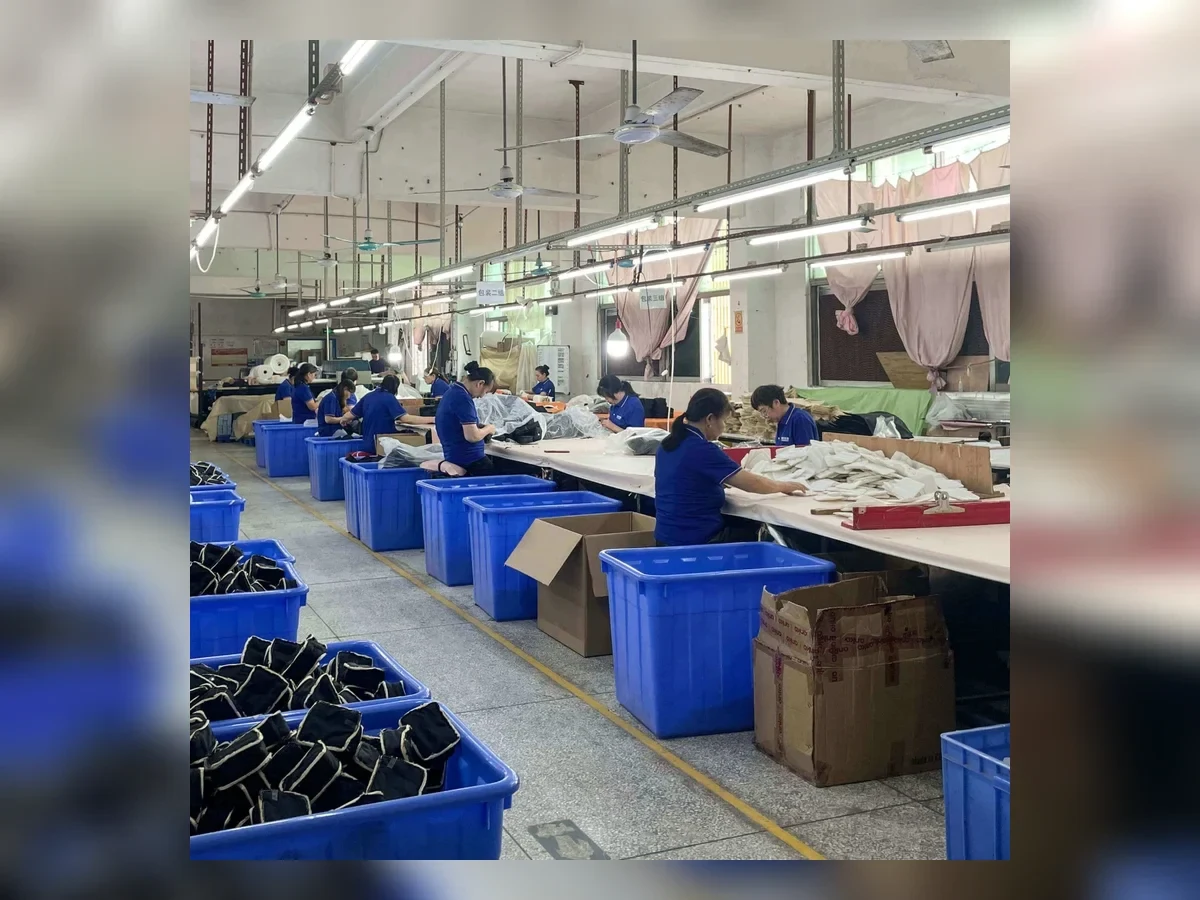
- Best for: MOQ 500+ custom foldable tote orders where carton volume, folded size and receiving rules affect delivery planning.
- Main decision: choose the fold method, individual packing route and pieces per carton before the quote looks final.
- Factory-side note: material thickness, handle bulk, print position and insert cards can change stack height after folding.
- What to prepare: open size, target folded size, artwork, packing route, carton limit, destination split and sample approval date.
Quick answer
For MOQ 500+ custom foldable tote projects, Ecoicolortote needs open size, target folded size, fabric thickness, handle style, decoration method, individual packing needs, carton limit and destination rules before giving practical carton volume advice.
How is this different from size, packaging and shipping pages?
The standard tote bag size guide explains open bag dimensions. The packaging options page explains packing choices. The packaging and labeling guide covers label files and packing handoff. This page focuses on the point where all three meet: how the folded product changes carton volume, carton marks, freight estimate and warehouse receiving.
That distinction matters because a tote can be the right open size and still create a poor carton plan. Buyers should treat folding and packing as part of the product specification, not as a last warehouse step.
Four details drive carton volume
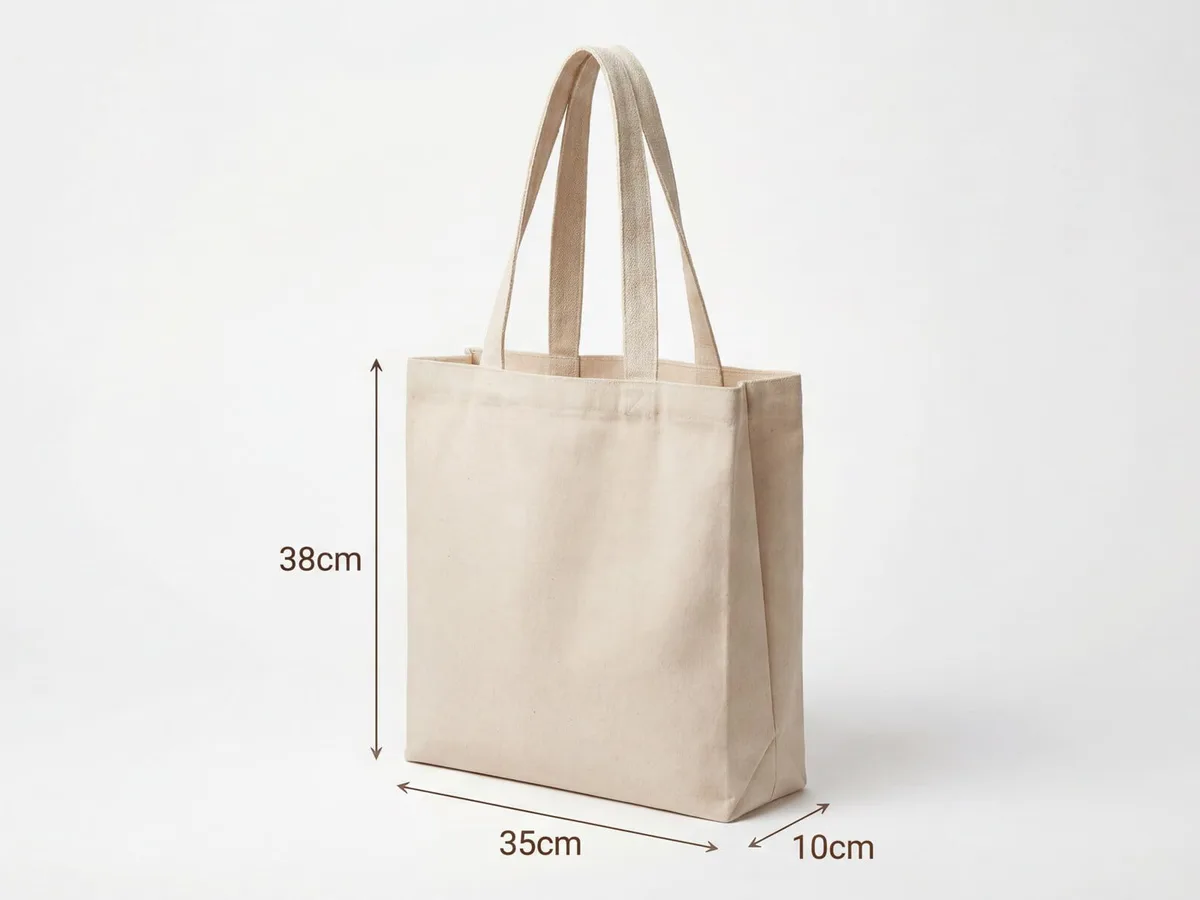
Carton volume is usually shaped by fabric thickness, gusset depth, handle bulk and whether the tote needs individual packing. A thin flat tote may fold cleanly. A structured tote, padded handle, wide gusset or heavy print can create a thicker folded unit. Buyers should not assume a foldable product automatically means lower freight volume.
Handling marks and packing instructions should be visible before export. ISO 780 covers pictorial marking for handling packaged goods1. In practice, carton labels should match SKU, destination and receiving rules before goods leave the factory.

Choose the fold method before the quote looks final
A flat fold, half fold, roll fold and pouch fold do not create the same carton count. The buyer should share whether the tote will be placed in a retail shelf, mailed, packed into a kit, or handed out at an event. The packing route should support the handoff, not only the freight estimate.
Ecoicolortote should review whether artwork crosses a fold line. Large prints, heat transfer areas, embroidery backing and labels can behave differently after folding. For artwork file checks, the logo file requirements guide and logo placement guide help buyers avoid late sample changes.
Carton count should be tied to receiving rules
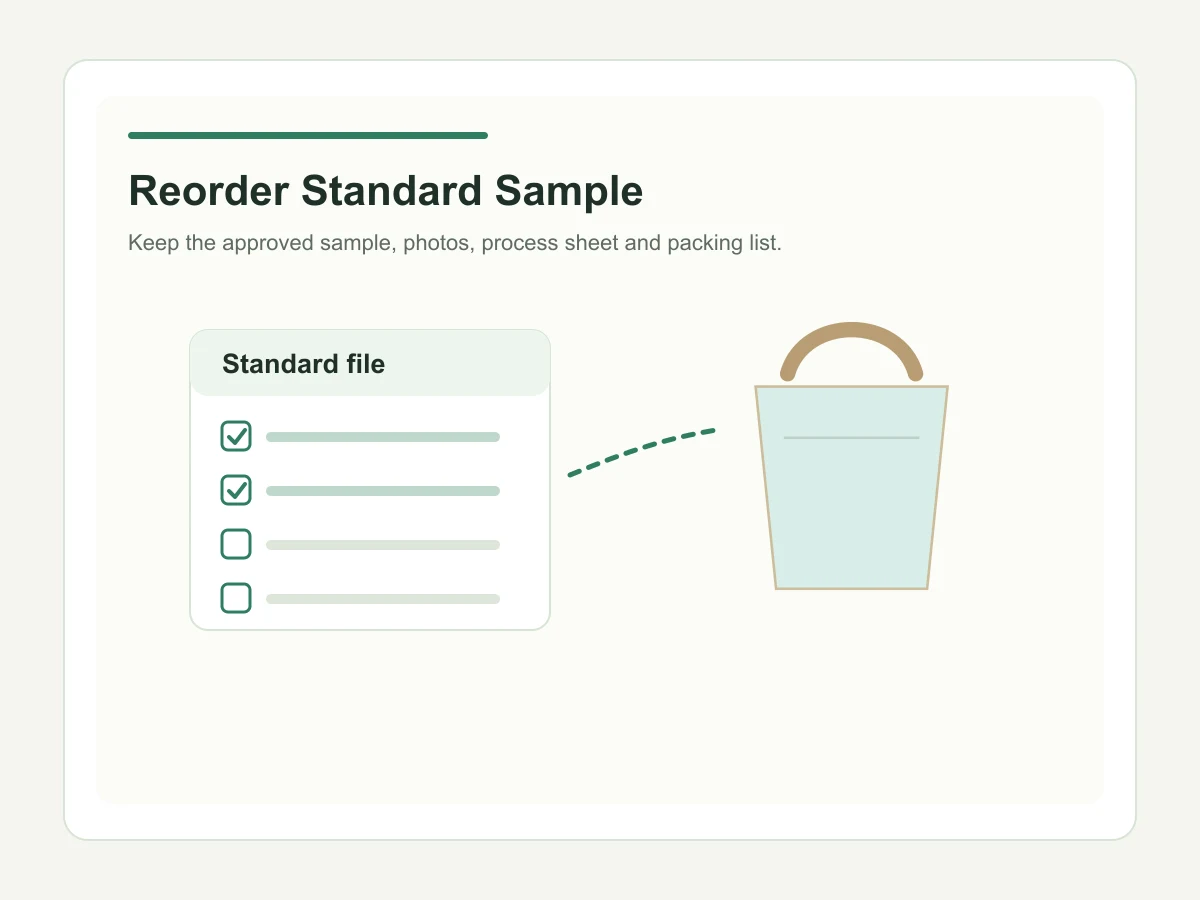
For foldable totes, a price-only carton plan is not always the best receiving plan. If a buyer needs store-level split, event location split, color separation or barcode-ready cartons, the packing plan should reflect that from the beginning. Repacking after production wastes time and increases error risk.
Inspection sampling should reference the approved packing standard. ISO 2859-1 is commonly referenced for sampling inspection by attributes2. For custom totes, inspection should include folded shape, carton quantity and label accuracy when those details affect delivery.
| Buyer decision | Why it changes carton volume | What to send Ecoicolortote |
|---|---|---|
| Flat fold vs pouch fold | Changes stack height and unit thickness | Preferred folded size and handoff use |
| Individual packing | Adds bag, card or belly band thickness | Packaging file, card size and material note |
| Color or SKU split | May reduce carton efficiency | Quantity split by color, SKU or destination |
| Artwork across fold line | Can create crease or pressure marks | Artwork file and expected fold position |
Best fit for Ecoicolortote foldable tote packing support
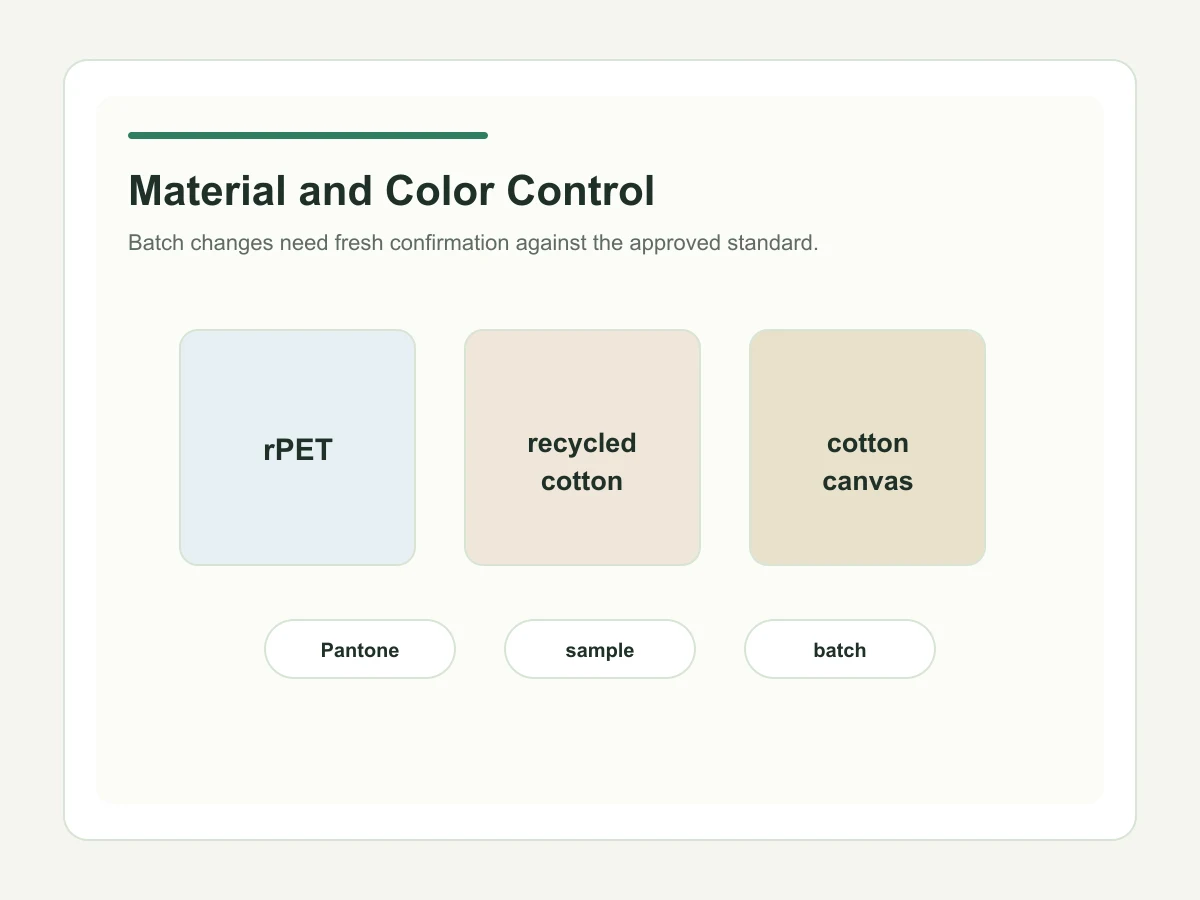
Ecoicolortote is most useful for MOQ 500+ custom tote projects where the buyer can share size, material direction, artwork, folded-size target, packing route, carton expectation, destination market and sample approval timing. This is especially relevant for event kits, retail programs, GWP campaigns and multi-destination shipments where carton volume affects delivery planning.
Less suitable fit for this packing workflow
This workflow is less suitable for one personal tote, blank stock buying, lowest-only requests or projects with no time to check the folded sample. If carton volume matters, the buyer should not skip sample packing review. A project that cannot confirm material, decoration, folded size or receiving rules may need a broader sourcing discussion first.
If the order is urgent, send the desired launch date and delivery market first. Ecoicolortote can then judge whether a packed sample review is still realistic.
Sample fee and lead time checks before bulk packing
Sample timing is confirmed after the material, construction, logo method, artwork, packaging and approval scope are clear; the working schedule also depends on revision speed and current capacity. Bulk production timing is confirmed only after the approved sample, material availability, print process, packing complexity, carton split, delivery market and current capacity are reviewed. Ask the quotation to state the approval cutoff, production window and ex-factory target for this specific project.
Many packing problems only appear after folding: crease marks, uneven stack height, handle bulk, label contact, printed area pressure and carton bulge. Buyers should ask for a packed sample photo or physical sample when carton volume is important. The sample evaluation guide is useful because the review must include the product and the packing state.
For qualified bulk orders above 1000 pcs, a standard sample fee is often deductible or refundable after order confirmation, while tooling, special trims, hardware molds or unusual packing fixtures may be non-refundable. If paper cards, belly bands or individual bags are involved, claims and document wording should be checked early. FSC provides forest certification and chain-of-custody systems for paper and forest-based materials3.
Planning note: These countdown windows are buyer-side planning buffers, not supplier lead-time promises; confirm the working schedule from the live project scope and current capacity.
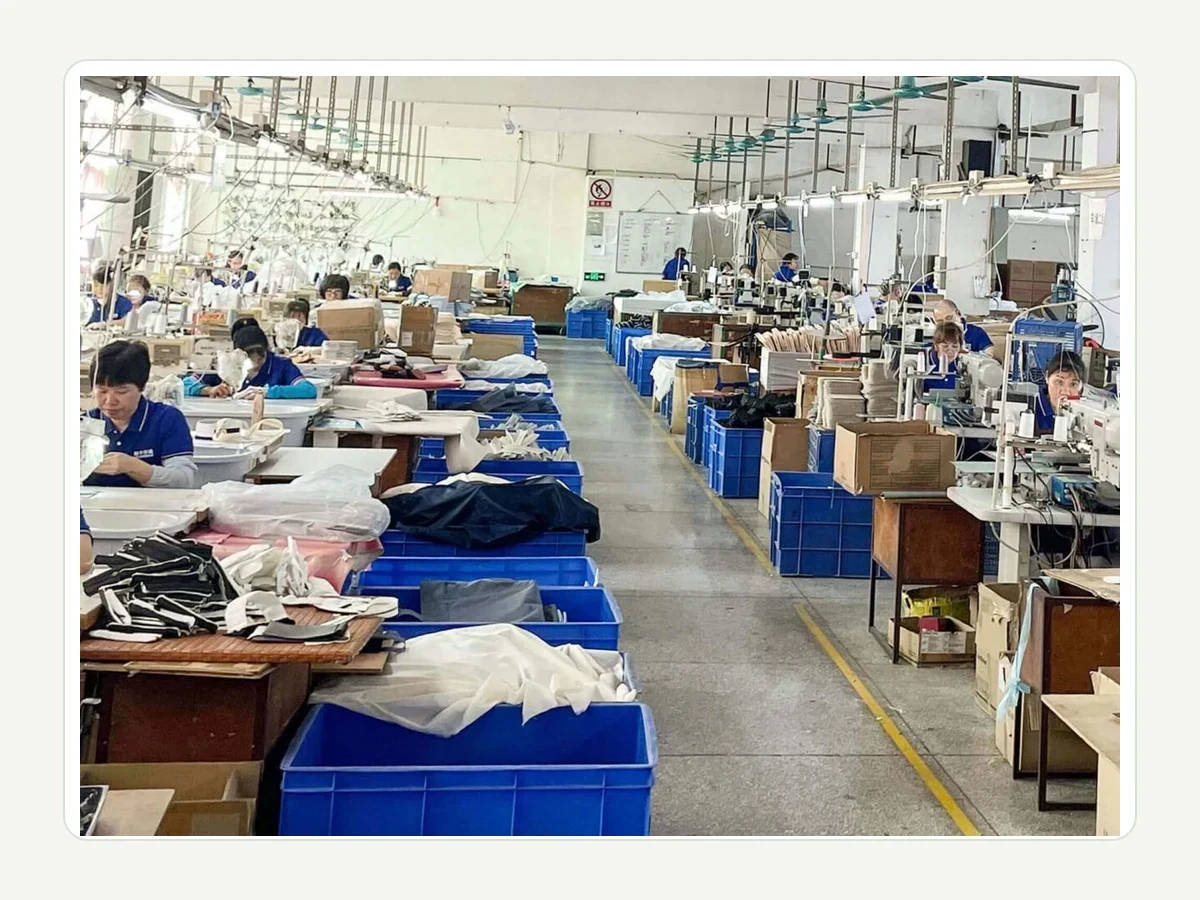
Carton Planning Checklist for Foldable Tote Orders
Use this checklist as a planning framework. It does not describe a customer case or promise a freight result before the packed sample is approved.
- Lock the open tote size, folded size and actual fold sequence.
- Pack the real handles, pouch, insert card and individual bag protection together.
- Record pieces per layer, layers per carton, gross weight and carton dimensions from the packed sample.
- Separate destination splits, color assortments and carton-mark rules before the packing list is finalized.
- Recheck print pressure, crease position and shape recovery after the sample is unpacked.
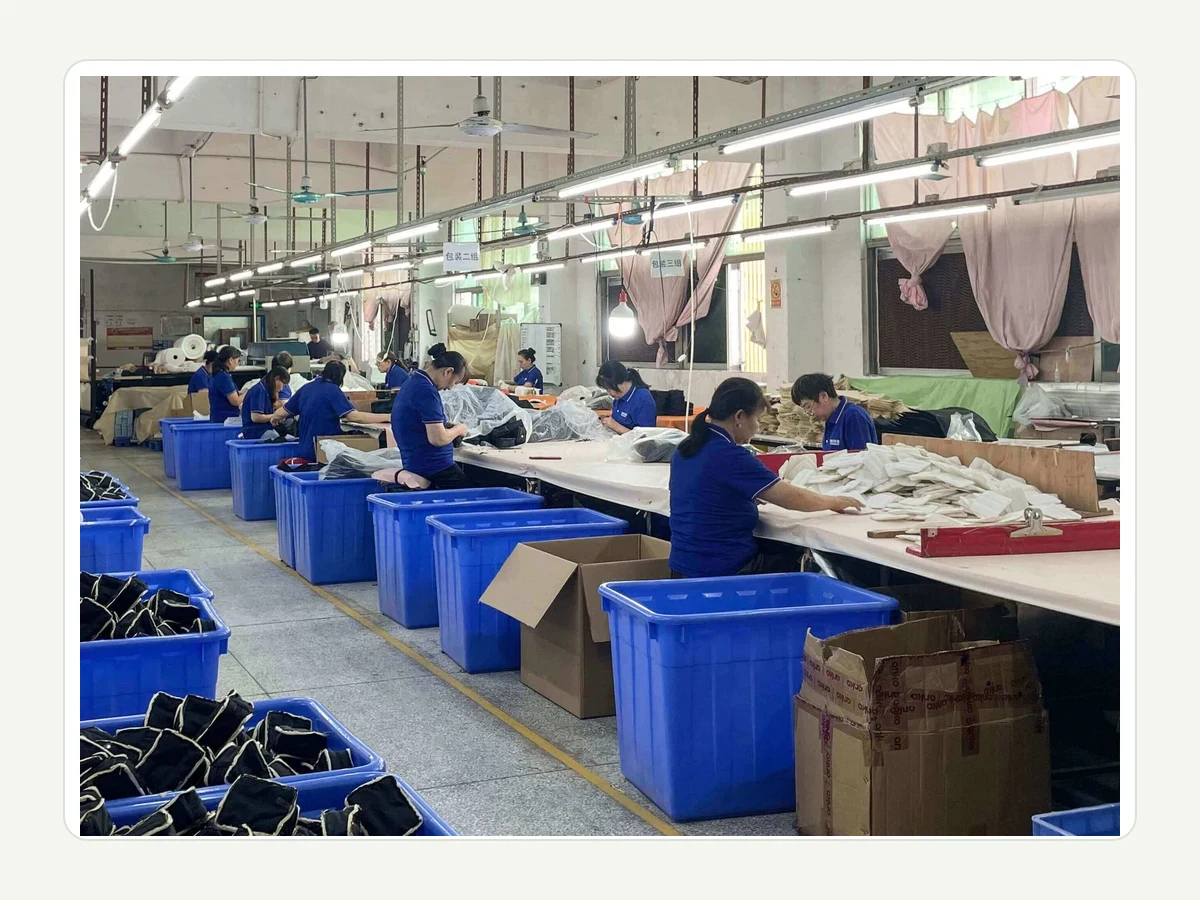
What to send for a foldable tote packing RFQ
The packing route affects the packing list, carton marks, warehouse count and freight quote. Buyers should send destination list, SKU split, carton label rules, individual packing needs and delivery date before Ecoicolortote locks the packing standard. When packing information arrives late, the warehouse may need to reallocate quantities after goods are folded.
- Open size and target folded size: send both, not only one product dimension.
- Pieces per carton or carton limit: include warehouse receiving rules if they already exist.
- Individual packing needs: polybag, paper band, hangtag and insert card all change volume.
- Destination split: multi-location orders need carton marks and packing list rules earlier.
For international trade responsibility, buyers can use ICC Incoterms rules4 as a shared language for buyer and seller responsibility, while keeping the actual shipping term clear in the quotation and shipping documents.
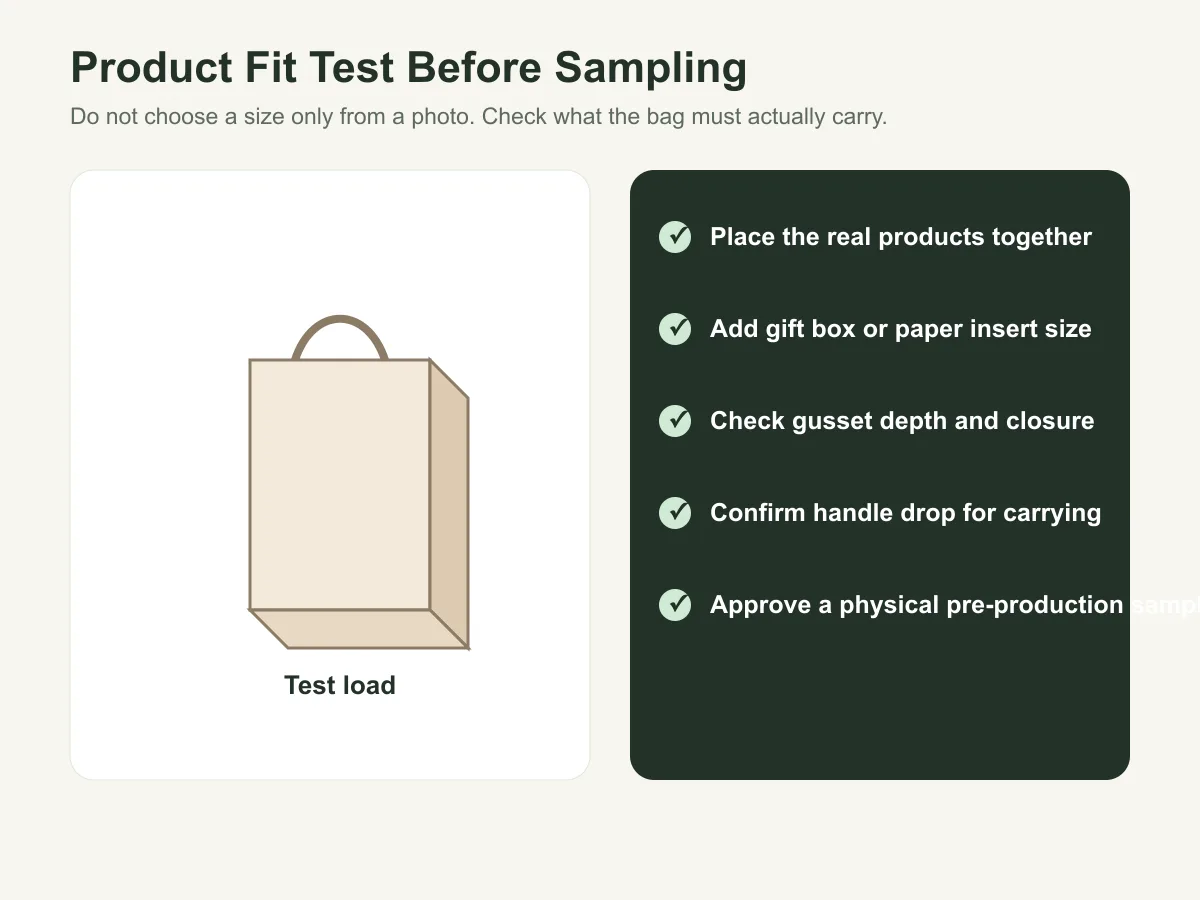
Trust and factory background check
A stronger brief should connect the product idea with supplier context. Review Ecoicolortote's factory and team information, confirm possible fabric directions through the materials hub, and match the project to the customization hub before asking for sample timing.
If the folded tote will use barcode labels or retail SKU stickers, the buyer should confirm data ownership and label placement before printing. GS1 provides barcode standards for product identification5, which can help retail teams prepare cleaner label briefs.
FAQ: foldable tote bag packing and carton volume
What should buyers confirm before asking for foldable tote bag packing advice?
Confirm open tote size, fabric thickness, handle type, gusset, decoration method, target folded size, individual packing need, carton limit, destination country and warehouse receiving rules. Without these details, carton volume advice can be misleading because a flat fold, half fold, roll fold and pouch fold create different packed shapes and different stack pressure inside the master carton.
Does a foldable tote always reduce shipping volume?
Not always. A foldable tote can reduce carton volume when the material, handle and gusset allow a clean repeatable fold. If the fabric is stiff, the print cannot be creased, or the buyer needs individual inserts, the packed shape may become thicker than expected. A packed sample should be checked before bulk carton planning.
What carton details should be approved before bulk production?
Approve folded unit size, pieces per inner pack, pieces per master carton, carton dimensions, gross weight, carton marks and whether mixed colors or SKUs can share one carton. These details affect freight quote, warehouse receiving, packing list accuracy and whether the order can be split by destination without repacking after production is finished.
How should printed foldable tote bags be protected during packing?
Printed foldable totes should be checked for crease risk, ink transfer, abrasion and label contact before the carton rule is locked. Some artwork positions should not sit directly on a hard fold line. Buyers should review a packed sample, not only an open tote, before approving the production standard and carton quantity.
When is Ecoicolortote a good fit for foldable tote projects?
Ecoicolortote is a good fit for MOQ 500+ custom tote projects where the buyer can provide size, material direction, artwork, packing route, carton limit, destination market and sample approval timing. It is less suitable for one personal tote, blank stock buying or urgent projects with no time to test the folded packing method.
How early should carton volume be discussed in the timeline?
Discuss carton volume before the quotation looks final, ideally when the buyer sends size, material, logo and packing route. Early review lets the factory test fold method, stack height and carton quantity together. If carton rules arrive after sampling, the buyer may need another packed sample or a revised freight estimate.
What should be included in a useful RFQ for carton planning?
A useful RFQ includes open size, target folded size, material direction, handle style, logo method, quantity, individual packing plan, carton limit, color or SKU split, destination split, warehouse receiving rules and desired sample approval date. Photos, packing sketches or existing carton requirements help Ecoicolortote judge whether the requested fold is practical.
Prepare the packing brief before carton volume is locked
Send open size, folded size target, material direction, logo file, packing route, carton limit, destination split and sample approval date. Ecoicolortote can review whether the requested fold and carton plan are practical before bulk production.