

 Zoe Yu
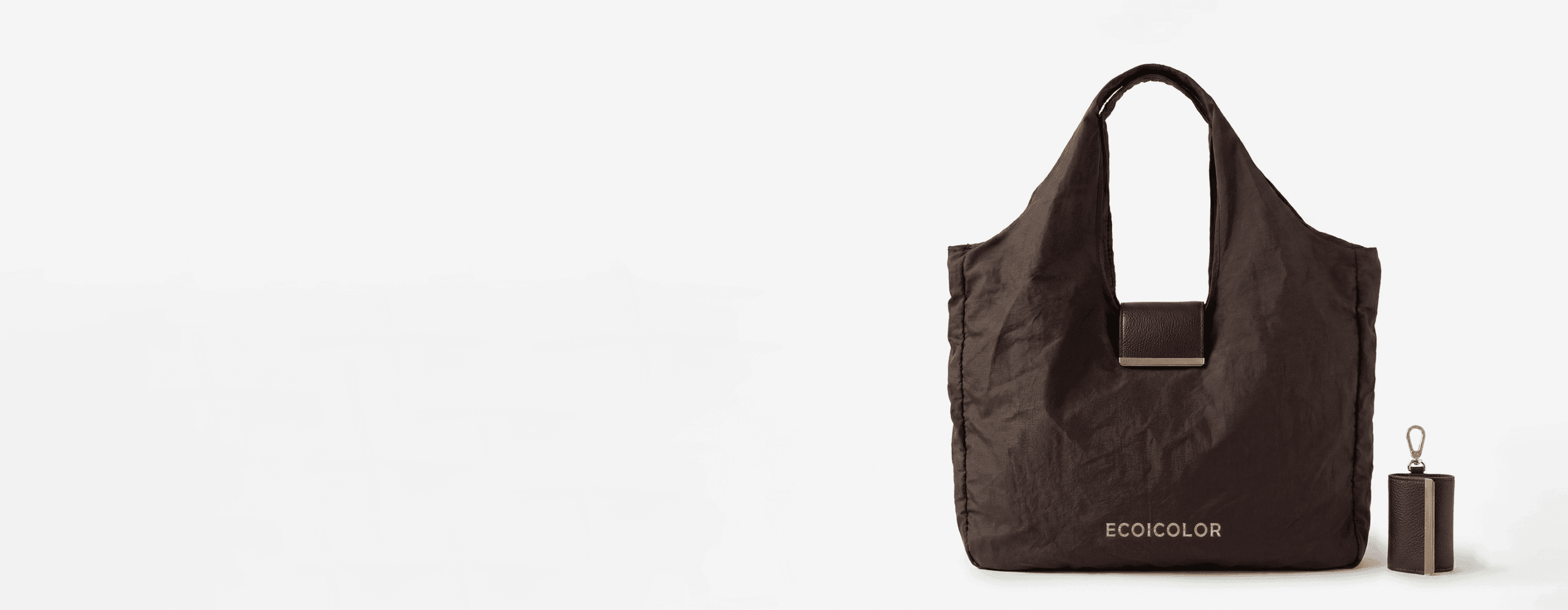
 A custom foldable tote bag has two brand views: the full tote used by the customer and the compact format seen in storage or on a retail shelf. Print placement needs approval in both states.
Send Retail Foldable Tote BriefView Foldable Tote Route
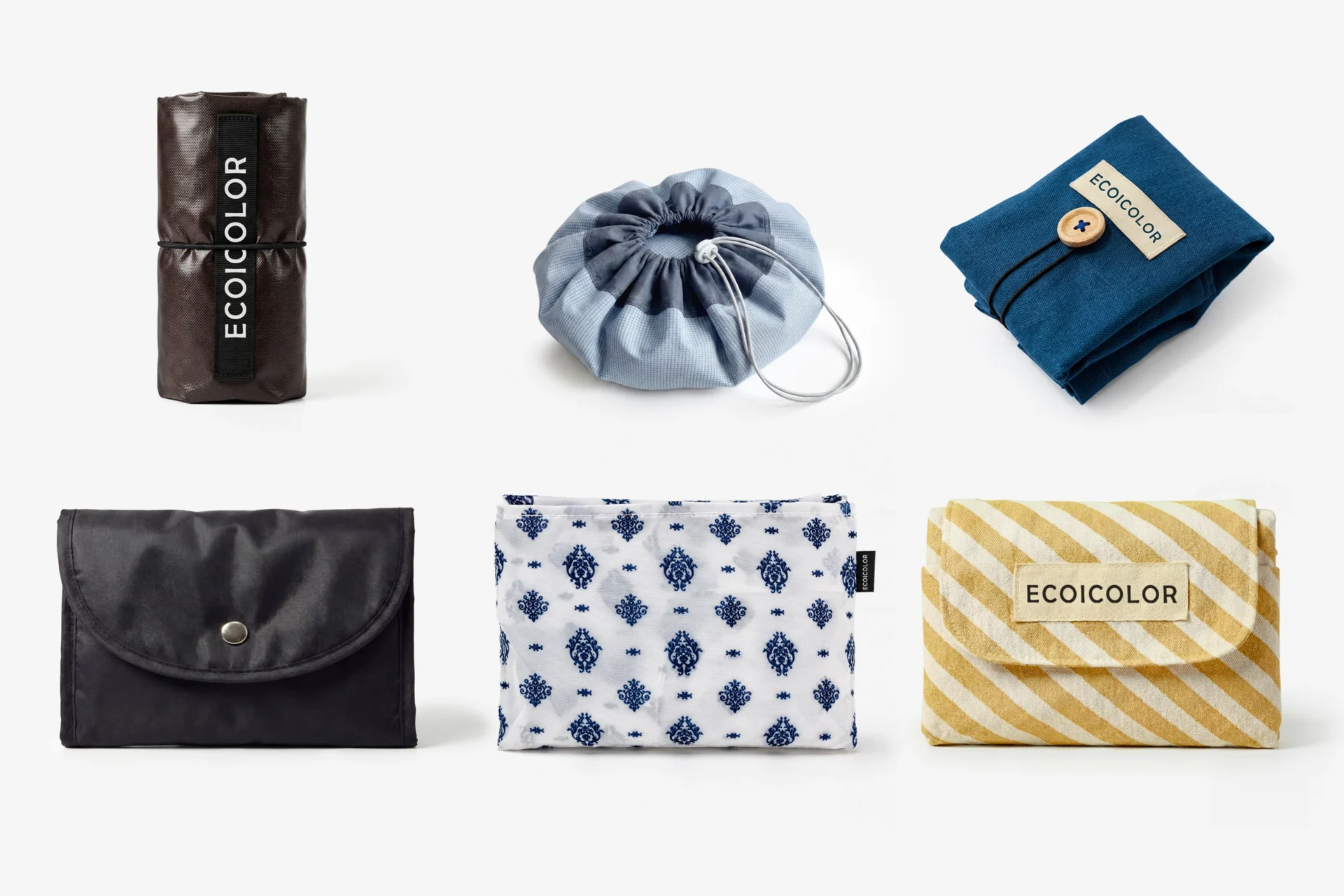
A foldable tote is seen as a full bag and as a compact pack. The artwork file should show where creases, pouch edges and handles sit in both states.
- unfolded retail view
- fold line and closure clearance
- repeat-fold sample check
Retail sample decision
Map the fold sequence first, then place the logo with clearance from creases, pouch edges, fasteners, seams and handles. Approve open, folded and reopened photographs from the same physical sample.
The confirmed use case is store retail, not a hypothetical failure
Real sales context from Jolian: the customer purchased the foldable tote for sale in the customer’s store. The project did not experience the listed fold-line, distorted-logo or undersized-pouch problems. This guide therefore records preventive sample checks for a retail product; it does not turn an uneventful order into a fabricated failure story.
Draw the open view and packed view on one approval sheet
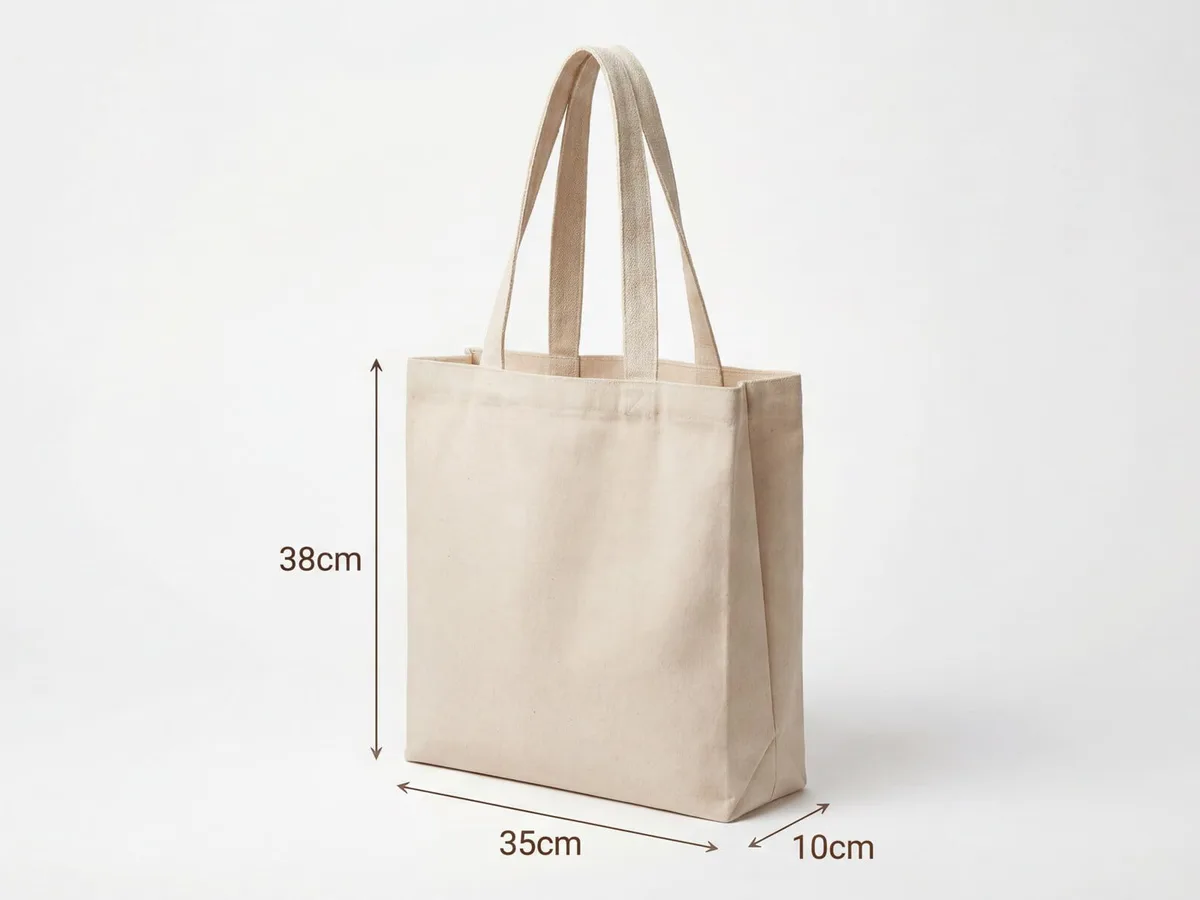
Start with the finished open dimensions, front panel and logo area. Add the fold direction, fold sequence, packed dimensions, pouch or closure and the surface visible in store. If the compact format carries another logo, label it as a second placement rather than assuming the open-view artwork will land in the correct packed position.
Creases, pouch edges and fasteners can cross the logo area if the fold map is missing.
- open front panel
- crease lines and fold order
- visible packed surface
Keep the main artwork clear of mechanical intersections
Creases, handles, seams, snaps and pouch openings change the surface under the print. Mark each intersection on the sample map and define an approved logo box. A flat PDF cannot show how the printed panel bends or whether a closure covers part of the mark. Use the physical fold sequence to judge the result from normal retail viewing distance.
| Sample view | Question to answer | Evidence to save |
|---|---|---|
| Open tote | Is the logo centered and readable while carried? | Flat and filled front photographs. |
| First fold | Does a crease cross a critical logo detail? | Marked fold-line close-up. |
| Packed format | Is the compact presentation intentional? | Front, back and closure photos. |
| Reopened tote | Does the print and panel recover acceptably? | Same-angle comparison after folding. |
Measure the same points before and after repeated folding to keep the retail presentation consistent.
- finished tote width and height
- folded width and height
- closure and pouch position
Retail approval includes the reopened bag
The shopper may unfold the product immediately, so the reopened bag is part of the retail experience. Look for unacceptable crease whitening, surface distortion, print cracking, closure marks and a panel that does not recover to the approved shape. ISO 3759 dimensional measurement [1] provides measurement context for dimensional-change work; the project still needs its own marked points and acceptance limits.
Photograph the logo flat, folded and reopened rather than relying on the digital placement file alone.
- print alignment
- crease appearance
- panel recovery
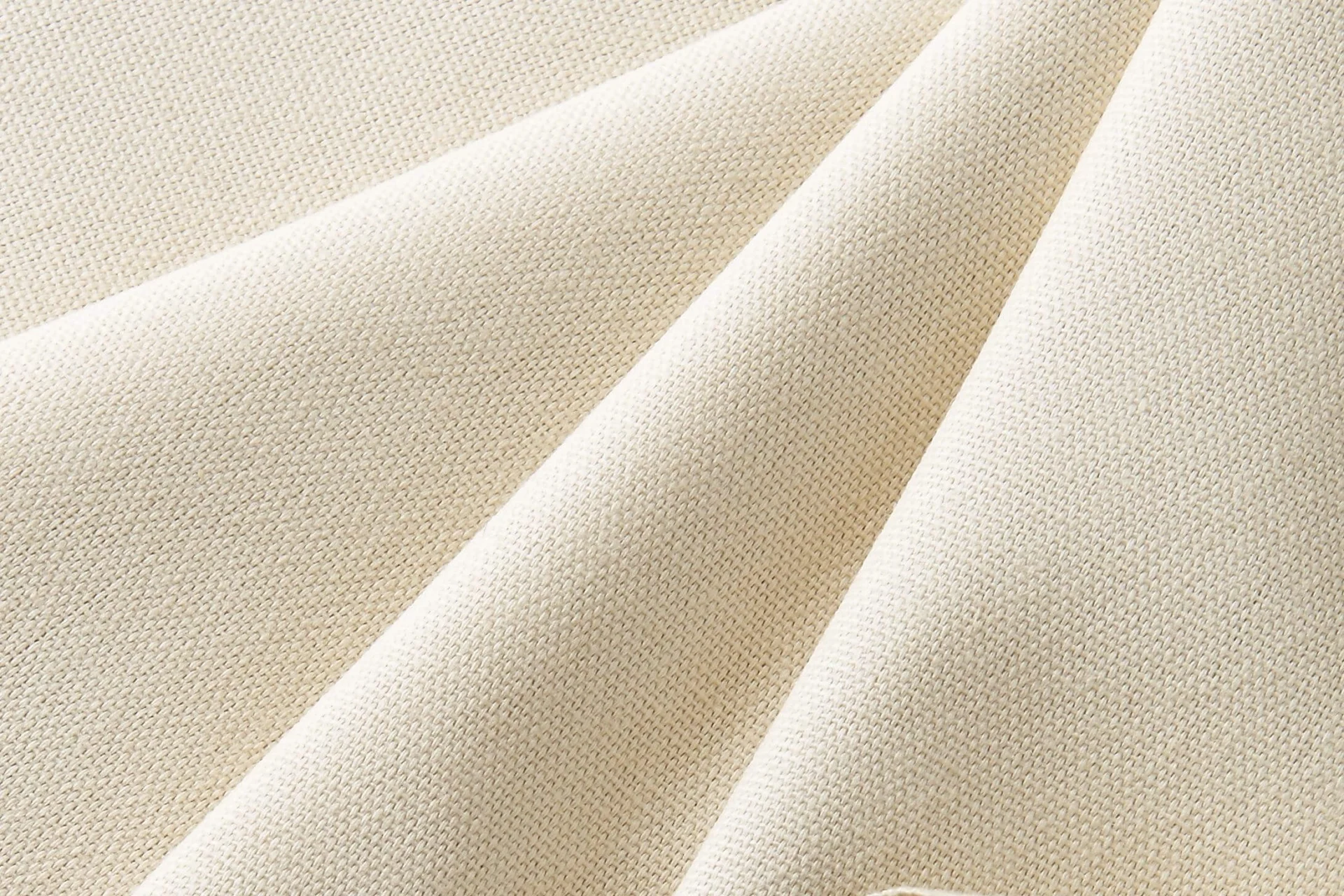
Material thickness changes the folding route
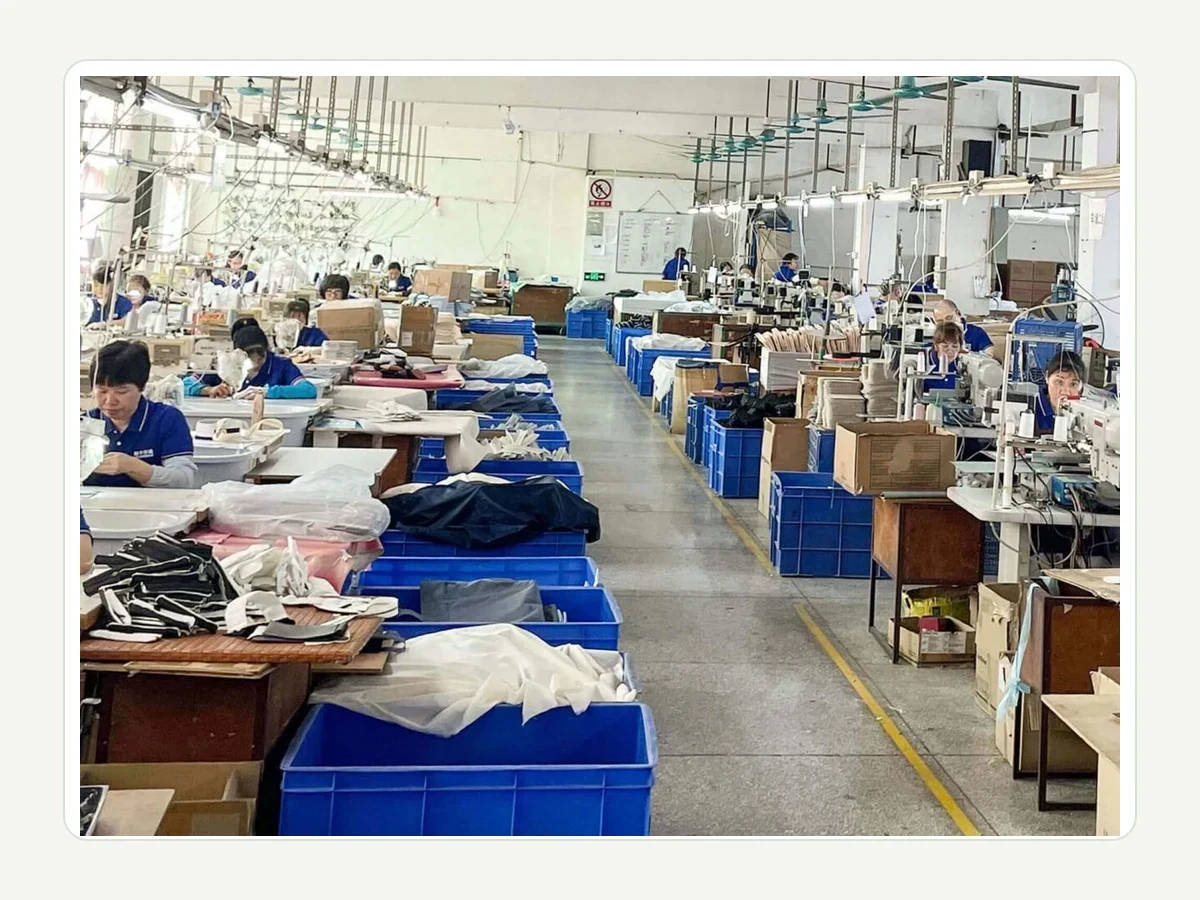
A lightweight fabric can pack smaller but may show deeper creases or less structure. A heavier route can improve handfeel while increasing packed volume and closure pressure. Review the exact material on the intended fold pattern. If after-care performance is part of the product specification, ISO 6330 textile washing procedures [2] provides standardized washing and drying procedure context; do not apply it unless the project has agreed to that test route.
Material selection must support the intended fold route as well as the printed result.
- fabric thickness
- crease response
- packed size and handfeel
Build a repeat-fold check around the actual retail task
Cycle definition
Agree how many fold-and-open cycles the sample review uses.
Visible limits
Define unacceptable print damage, distortion and closure marks.
Photo evidence
Use the same angle and light before and after the sequence.
ISO 12947-2 textile abrasion resistance [3] gives laboratory context for textile abrasion resistance. A foldable tote project still needs a relevant method and pass limit rather than borrowing a generic cycle number without agreement.
Hand the store buyer a complete sample record
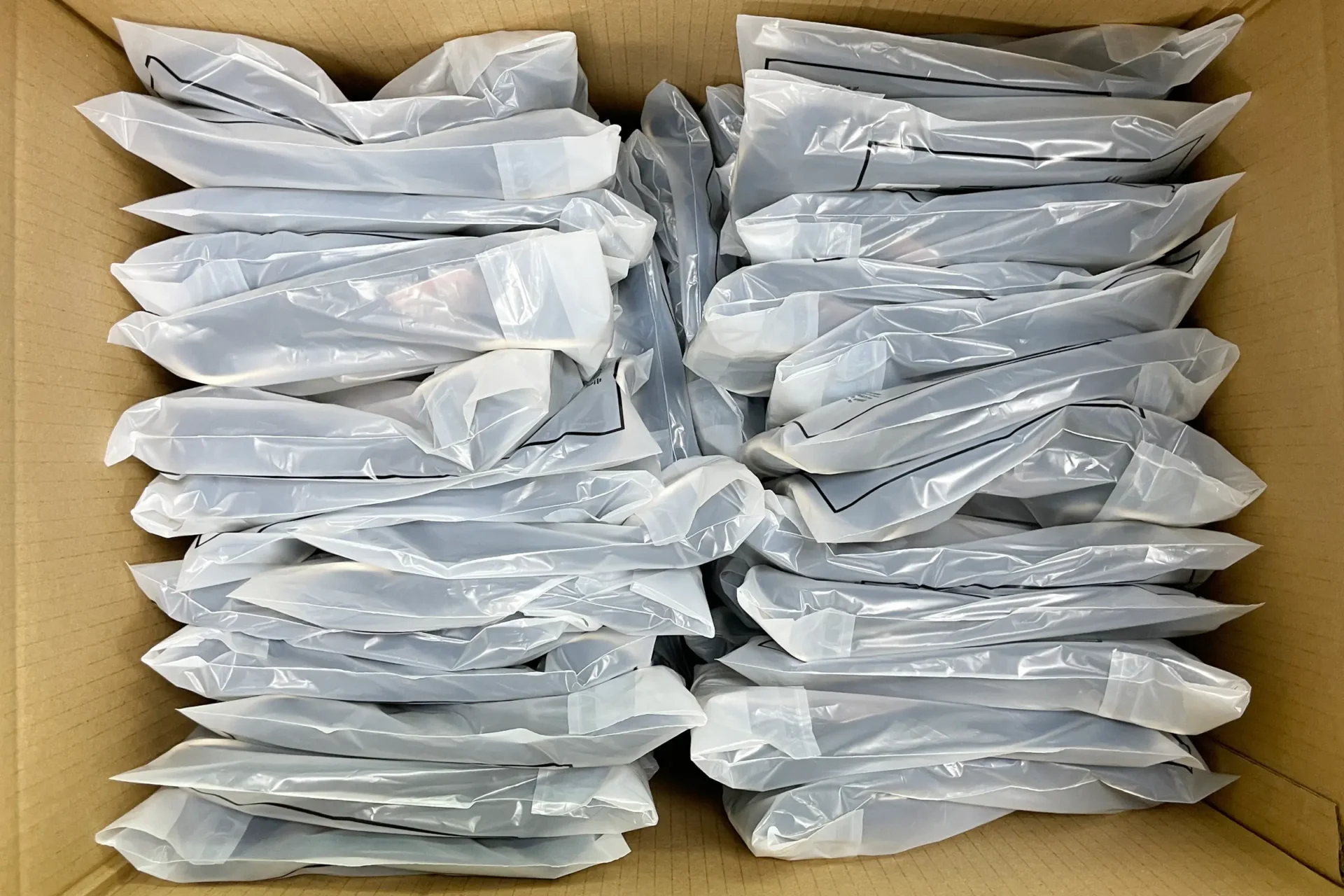
The final record should include open dimensions, packed dimensions, material, logo files, both placement views, fold map, closure, labels, retail packing and dated photographs. This file supports product setup, bulk QC and the next reorder without turning the money page or product record into an unlimited archive of loosely related links.
Save one photo sheet showing the open tote, compact format and approved logo placement for production, QC and reorder use.
- open and packed views
- approved logo placements
- label and packing file
Choose a focused review: Request Fold-Line Sample Review or Review Print Placement.
FAQ
What artwork files are needed for a foldable tote sample?
Send vector artwork, target finished logo size, color references, open tote dimensions, folded dimensions and a fold map. Mark the front panel, handle attachment, pouch or closure and planned crease lines. If the logo appears in both open and packed views, provide a visual for each state so the sample room does not infer the priority.
How far should a logo sit from a fold line?
Use a project-specific clearance based on logo size, material, print process and folding direction rather than a fixed universal number. Mark the crease on the physical sample, fold it repeatedly and reopen it. The approved result should show acceptable readability and surface appearance in both states without relying on a flat mockup.
Should the folded pouch carry a second logo?
It can when the packed format is part of the retail presentation. Treat that mark as a separate artwork placement with its own size, position and process. Confirm whether the pouch panel is visible in store and whether the second logo adds setup or sample work. Keep both versions in one approval sheet.
Does a foldable retail tote need a repeat-fold test?
A practical sample review should repeat the intended folding and opening sequence, then inspect crease appearance, print surface, closure, packed size and panel recovery. Formal textile methods provide context for dimensional and abrasion checks, but the order still needs its own agreed cycle count, visual limits and acceptance evidence.
Can MOQ 500+ foldable retail totes be produced?
MOQ 500+ can be reviewed, depending on material, fold construction, closure or pouch, logo versions, packing and available stock colors. A private-label retail program may also require labels, barcode, hangtag and individual packing. Send those requirements before sample pricing so the compact format and retail packout are approved together.
Sources
About the Author
 |
Zoe Yu is B2B Sales Manager at Ecoicolortote, supporting overseas brand buyers with custom tote RFQs, material and logo review, sampling, packing and bulk production coordination. |
Confirm Retail PackingView Foldable Tote Route