

 Zoe Yu
 rPET printed promotional tote bags can work for brand campaigns, GWP programs and events, but the buyer should not approve the project from a recycled material name alone. The print route, claim wording, sample result, packing and delivery market all affect whether the tote is suitable.
Send Project Brief Request Route Review Ask for Sample Plan
Brand buyers should approve recycled material route and logo execution before bulk.

Buyer Summary
This guide helps B2B buyers review rPET printed promotional tote bags before requesting a quote. It covers MOQ 500+, recycled material route, logo method, color tolerance, foldable or structured format, claim wording, sample approval and packing. It is written for brand, retail, GWP and event buyers who need a practical promotional route rather than a generic eco tote claim.
Quick answer
For rPET printed promotional totes, review material route, print method, logo size, color reference, fold behavior, claim wording, sample approval and packing together. Ask for a sample on the chosen material before approving bulk, especially when the tote is used for retail, event or GWP presentation.
Use this guide before quotation to define artwork, print method, recycled-content wording, packing and delivery inputs for a printed rPET tote brief. After a physical sample is made, use the rPET Print Result Checklist to inspect and approve the print result before bulk production.
What should buyers confirm for printed rPET totes?
| Area | What to confirm | Why it matters |
|---|---|---|
| Material route | rPET route, fabric handfeel, available colors and document-scope support. | Keeps recycled material wording realistic and project-specific. |
| Print route | Screen print, heat transfer, woven label or mixed method on the selected rPET surface. | Controls logo edge, color result and durability expectation. |
| Use case | GWP, retail, event, foldable giveaway or premium promotional program. | The same material may need different structure or packing. |
| Packing route | Polybag, hangtag, insert card, carton mark and event or retail receiving notes. | Promotional totes often fail at pack-out if this is left late. |
When rPET is part of the buyer brief, review what recycled material standard or document scope is actually relevant to the project. Textile Exchange GRS overview [1] is useful background, but it should not be treated as an automatic claim for every printed rPET tote.
Environmental wording on a tag, campaign page or retail file should be specific. FTC Green Guides [2] is useful context for keeping recycled-content language tied to evidence and final wording.
A promotional tote can fail if the print route ignores fabric surface and fold behavior.
- color match
- print edge
- fold line
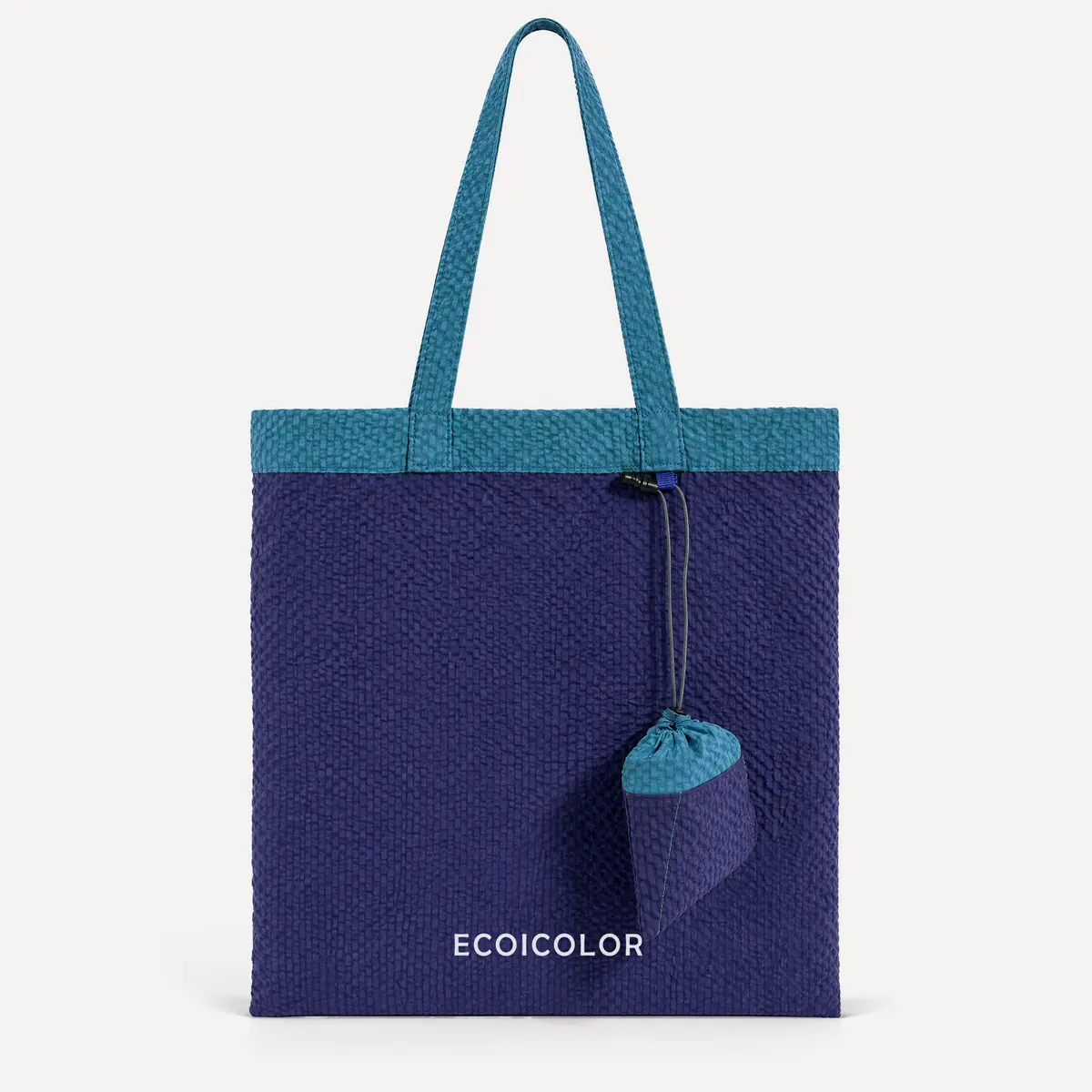
Which print details change the sample route?
Logo size and position
Large front prints, edge-close artwork or two-side logos need placement review before sample approval.
Color reference
Pantone or brand color references should be checked against the selected rPET surface and logo method.
Fold and packing behavior
Foldable rPET totes need logo placement that still looks acceptable after packing and unfolding.
A useful supplier review connects the buyer's commercial goal with physical sample proof. MOQ, material, logo method, label files, packing and delivery market all change how the project should be quoted and approved.
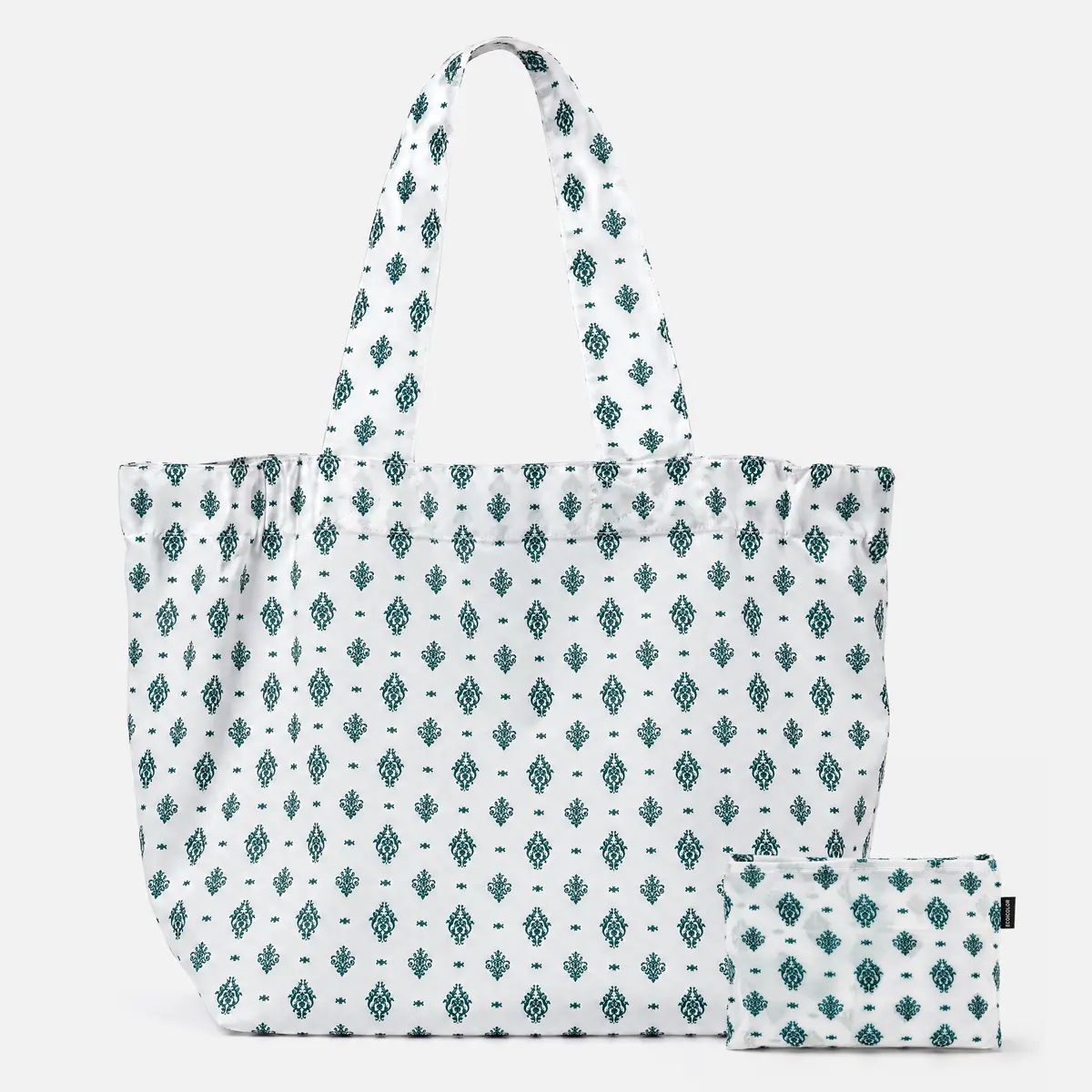
How should rPET claims and delivery market be reviewed?
If the buyer also needs textile testing context, OEKO-TEX STANDARD 100 [3] can be discussed as document support, but it should not replace material route and claim review.
For cross-border shipment, marking and origin details should be considered before packing is locked. CBP marking guidance [4] is useful background for U.S.-bound goods.
Useful internal routes for this decision include the main destination page, the supporting guide, the related buyer guide.
The same rPET tote can need different structure for retail, event or GWP use.
- event contents
- retail display
- GWP pack-out
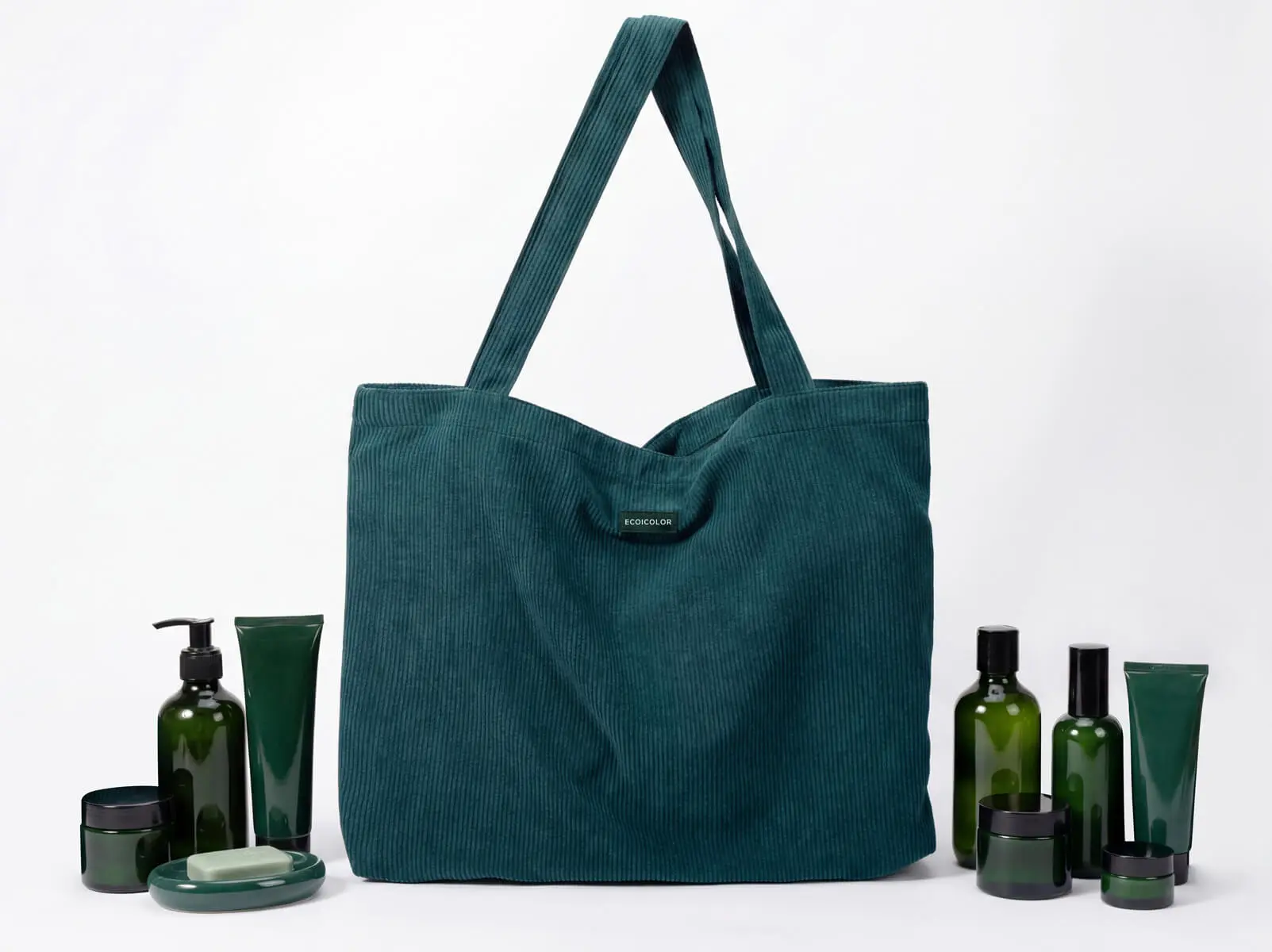
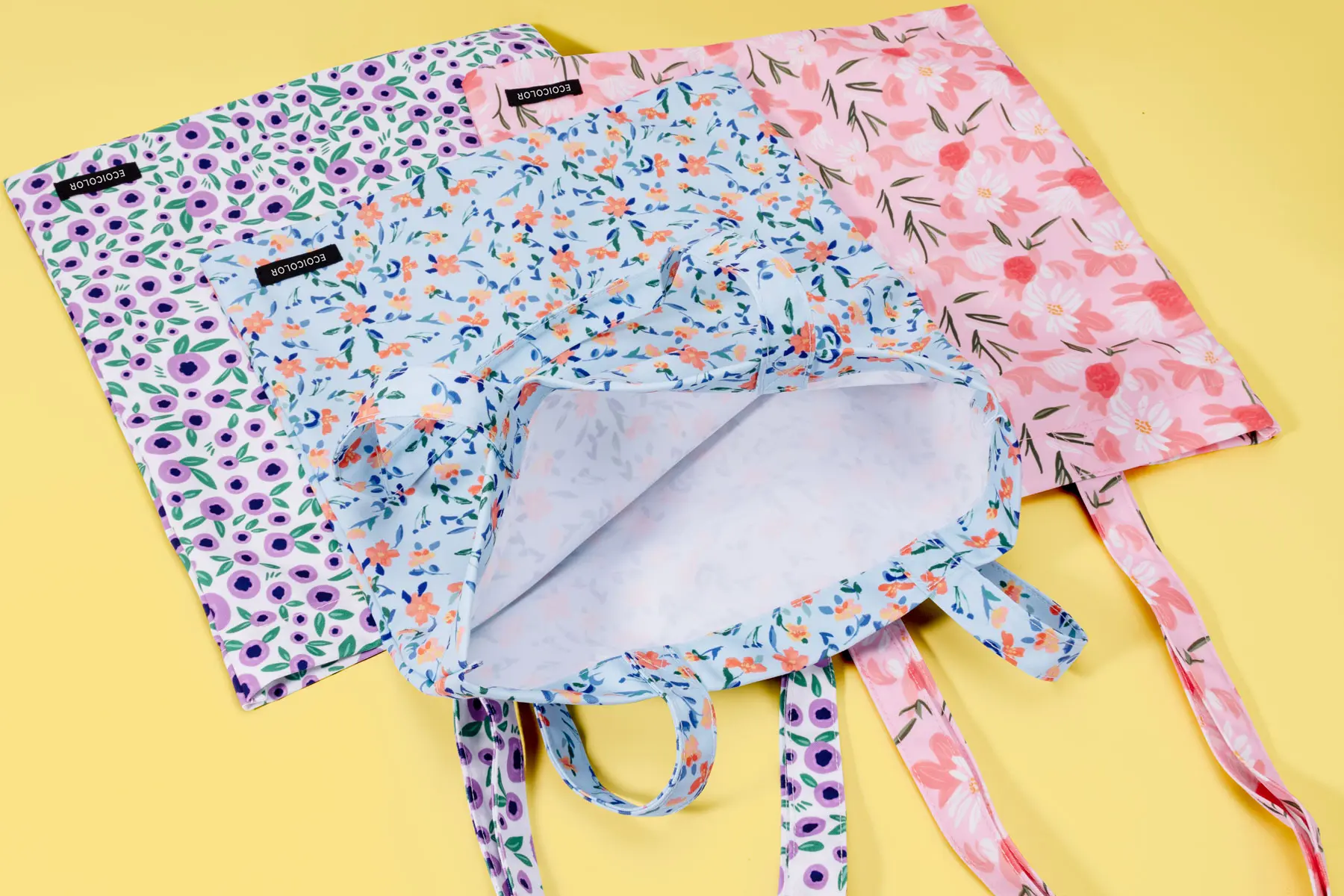
Best fit and less suitable fit
Best fit: brand, GWP, event, retail and promotional buyers planning MOQ 500+ rPET printed tote programs with real artwork, material intent, sample needs and packing requirements.
Less suitable: single-piece requests, no-brand giveaways, price-only browsing, vague recycled claims, or buyers unwilling to approve the print on the actual rPET material before bulk.
Artwork approval sequence for a printed rPET tote
Confirm editable artwork, finished logo size, Pantone reference, placement distance from folds and seams, the selected rPET surface, and the packing method before making the physical sample. Approve the print on the actual material rather than relying on a screen mockup.
This page owns the artwork-brief task. Commercial rPET sourcing belongs to the private-label rPET tote page.
FAQ
What is an rPET printed promotional tote bag?
An rPET printed promotional tote bag is a tote made with a recycled polyester route and customized with a logo, campaign artwork or label treatment. For B2B buyers, the important point is not only the rPET name. The buyer should review material route, print method, claim wording, sample result and packing before bulk.
What MOQ applies to rPET promotional tote orders?
Ecoicolortote uses MOQ 500+ as the standard B2B starting point. The exact feasibility depends on tote size, material availability, color choice, logo method, packing and version count. If the buyer needs several artwork versions or delivery markets, those splits should be listed in the RFQ before quotation and sampling so the route is reviewed realistically.
Which logo methods work for rPET printed totes?
Screen print, heat transfer, woven labels and mixed logo routes may be possible depending on rPET surface, artwork detail, color needs and buyer use case. Buyers should send editable artwork, color reference, logo size and placement request before sampling. The final choice should be approved on the actual material, not only a digital mockup.
Can buyers make recycled claims on rPET promotional totes?
Recycled wording should be reviewed project by project. It depends on material route, document scope, final wording and where the claim appears. Buyers should send intended hangtag, campaign or product-page wording before sampling. Broad claims should not be copied across every rPET item without checking evidence, market use and wording scope.
Are rPET totes good for event giveaways?
rPET totes can work for event giveaways when the buyer reviews carrying contents, logo visibility, packed size and handout method. A lightweight foldable tote may suit mass distribution, while a structured rPET tote may look better for retail or GWP presentation. The event brief should state contents, quantity, venue timing and packing needs.
What should be checked on the sample?
Check fabric handfeel, print edge, color result, handle strength, seam quality, fold behavior, packing appearance and claim wording. If the tote will hold catalogues, bottles or gift contents, test those contents during sample approval. The approved sample should become the control point for bulk print, packing, carton notes and launch handoff.
Who should use this rPET guide?
This guide is for brand, retail, event and GWP buyers planning MOQ 500+ printed rPET tote programs. It is not for single-piece consumer gifts, no-brand resale, generic eco-bag browsing or buyers who only want a price-only brief without reviewing material route, artwork, sample approval, packing requirements, delivery market and claim wording.
Trademark and certification note
Third-party standards, certification names, barcode systems, carrier references and government guidance belong to their respective organizations. Ecoicolortote can review document routes and artwork wording for a specific project, but these references should not be treated as automatic claims for all materials, products, labels or orders.
Sources
About the Author
 | Zoe Yu is Sales Manager at Ecoicolortote. She helps overseas brand, retail, hospitality and event buyers review custom tote bag material routes, logo methods, MOQ feasibility, sample approval, packing requirements and bulk delivery planning before production. |