Zoe Yu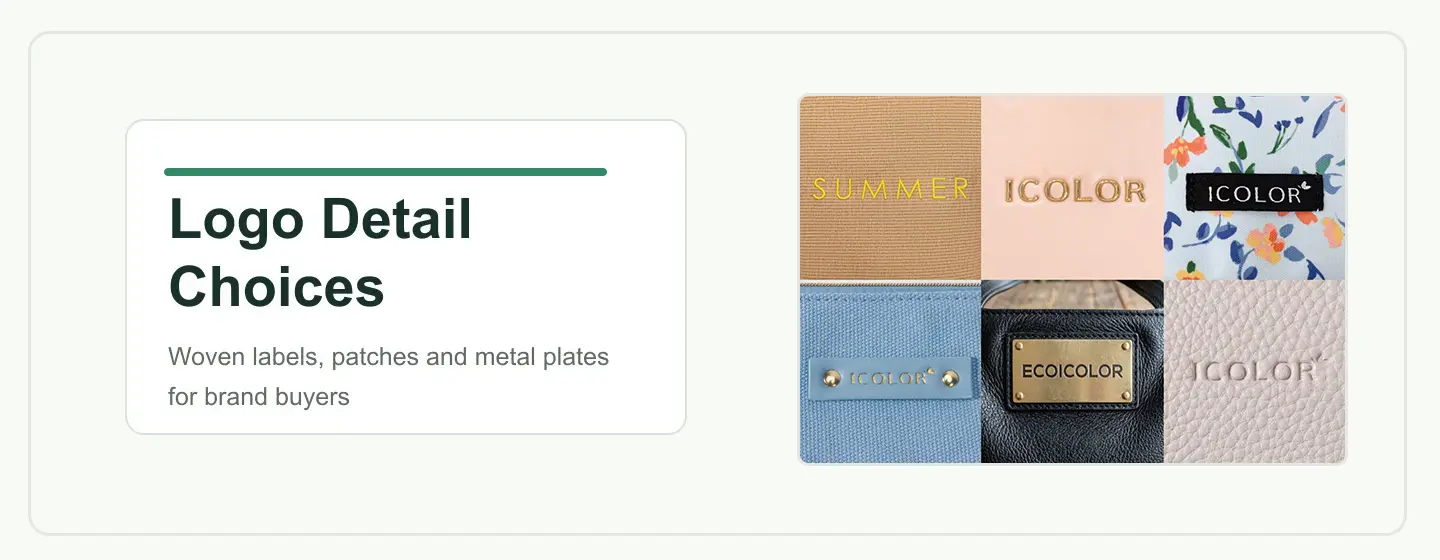
Woven labels, patches and metal plates for tote bags can make a custom tote feel more retail-ready, gift-ready or premium, but they also affect placement, sampling, cost, fixing method, packaging thickness and bulk consistency.
TL;DR: Woven labels, leather-look or vegan leather patches and metal plates should be chosen before the sample route is locked. Buyers should confirm logo file quality, tote material, logo size, placement, color direction, fixing method, MOQ, packaging thickness and sample approval route. Woven labels are usually stable and cost-controllable, patches add texture, and metal plates create a premium signal only when the tote body and fixing method can support the hardware.
For brand buyers, the useful question is not only which logo detail looks best in a mockup. The better question is which detail fits the tote material, use case, logo file, brand level, MOQ, sample route and production standard. A small woven label can support clean private label identity. A vegan leather patch can add warmer texture. A metal plate can create a stronger premium signal, but only when the tote body and fixing method support it.
Buyer Summary
- Best for: brand buyers sourcing custom tote bags from 500 pcs per style with retail, GWP, hotel, wellness or private label positioning.
- Main decision: choose whether woven labels, leather-look or vegan leather patches, or metal plates best match the tote material, logo detail and brand level.
- Factory-side note: logo details affect sampling, cost, tooling, fixing method and bulk consistency, so they should be confirmed before sample approval.
- What to prepare: editable logo file, detail type, material, logo size and placement, color direction, fixing method, quantity, packaging needs and launch timeline.
What should buyers confirm before sourcing woven labels, patches and metal plates for tote bags?
Buyers should confirm logo file quality, tote material, detail type, logo size, placement, color direction, fixing method, MOQ, packaging needs and sample approval route before choosing woven labels, patches or metal plates.
Logo detail is not only decoration. Woven labels, leather-look or vegan leather patches and metal plates affect the tote's brand position, material fit, sampling process, cost structure and bulk production standard. The detail needs to look good, stay stable in production and match the campaign or retail positioning.
From our factory side, logo detail is often where a basic tote becomes a brand product. The decision should not be made only from a mockup. The buyer should check the logo file, material, placement, fixing method, sample result and packaging plan together.
Best fit for this logo detail guide
This guide is best for MOQ 500+ custom tote projects where the buyer wants the logo to become a physical product detail, not only a print or flat mockup.
This guide is best for beauty, wellness, DTC, retail, hotel, GWP and private label buyers sourcing MOQ 500+ custom tote bags where the logo needs to become a physical product detail. It is especially useful when a buyer is comparing woven labels, leather-look or vegan leather patches, metal plates, trims, tabs, inner labels or other brand details before sampling.
The strongest fit is a project with a clear logo file, tote material, brand level, placement idea, packaging expectation, launch timing and budget direction, because those details determine whether the chosen logo detail will look refined and stay practical in bulk production.
This guide focuses on sewn, fixed or hardware-style logo details: woven labels, patches and metal plates. It is different from general logo file, logo placement, printing or embroidery guides because it checks the physical component, attachment method and sample approval standard.
If the buyer needs artwork preparation, start with our logo file requirements guide. If the question is where the logo should sit on the tote, use the logo placement guide. If the buyer is still comparing broader customization routes, review customization options and private label tote programs.
This page is for the moment when the buyer wants the logo to become a physical detail on the tote body and needs to know whether woven label, patch or metal plate is realistic before sampling.
When should brand buyers use woven labels?
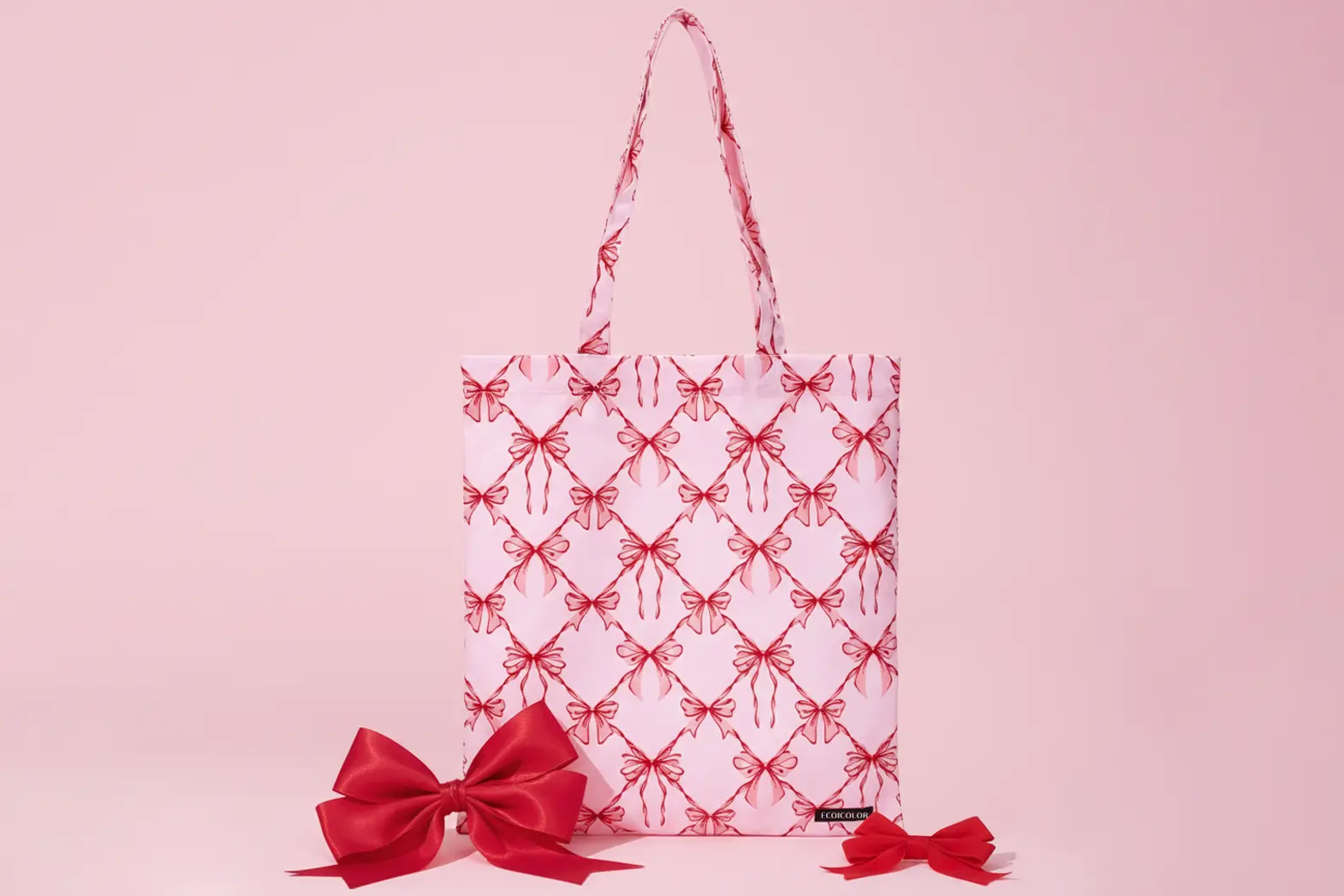
Woven labels are usually suitable for subtle branding, side tabs, inner labels, retail identity and small logo details. They are often cost-controllable, stable in bulk and useful for private label tote programs.
Woven labels work well when the buyer wants a clean brand mark without making the logo too loud. They can be placed outside the tote, on the side seam, inside the bag or as a care and composition label. For retail and private label tote bags, woven labels are useful because they create a more complete product feeling.
The main risks are small text clarity, yarn color limits and placement control. A woven label may not reproduce every Pantone exactly, so buyers should confirm thread color or woven label sample before bulk. If the logo contains very tiny letters, the file should be checked before sampling.
When should brand buyers use leather-look or vegan leather patches?
Leather-look or vegan leather patches are useful when a tote needs warmer texture, lifestyle positioning or a premium but softer brand feeling. They should be checked for edge finish, color, logo clarity and fixing method.
For most brand projects, we usually discuss vegan leather, PU or recycled leather-look materials before real leather, because many beauty, wellness and retail buyers have their own material policy. A patch can work well with canvas, recycled cotton, organic cotton and some structured rPET tote bags.
Common logo methods on patches include debossing, hot stamping, screen printing and stitch fixing. The buyer should confirm patch thickness, edge finish, color, logo clarity and whether the patch will be sewn, riveted or otherwise attached. A patch can look premium in a mockup, but the physical sample decides whether it fits the tote material.
When should brand buyers use metal plates?
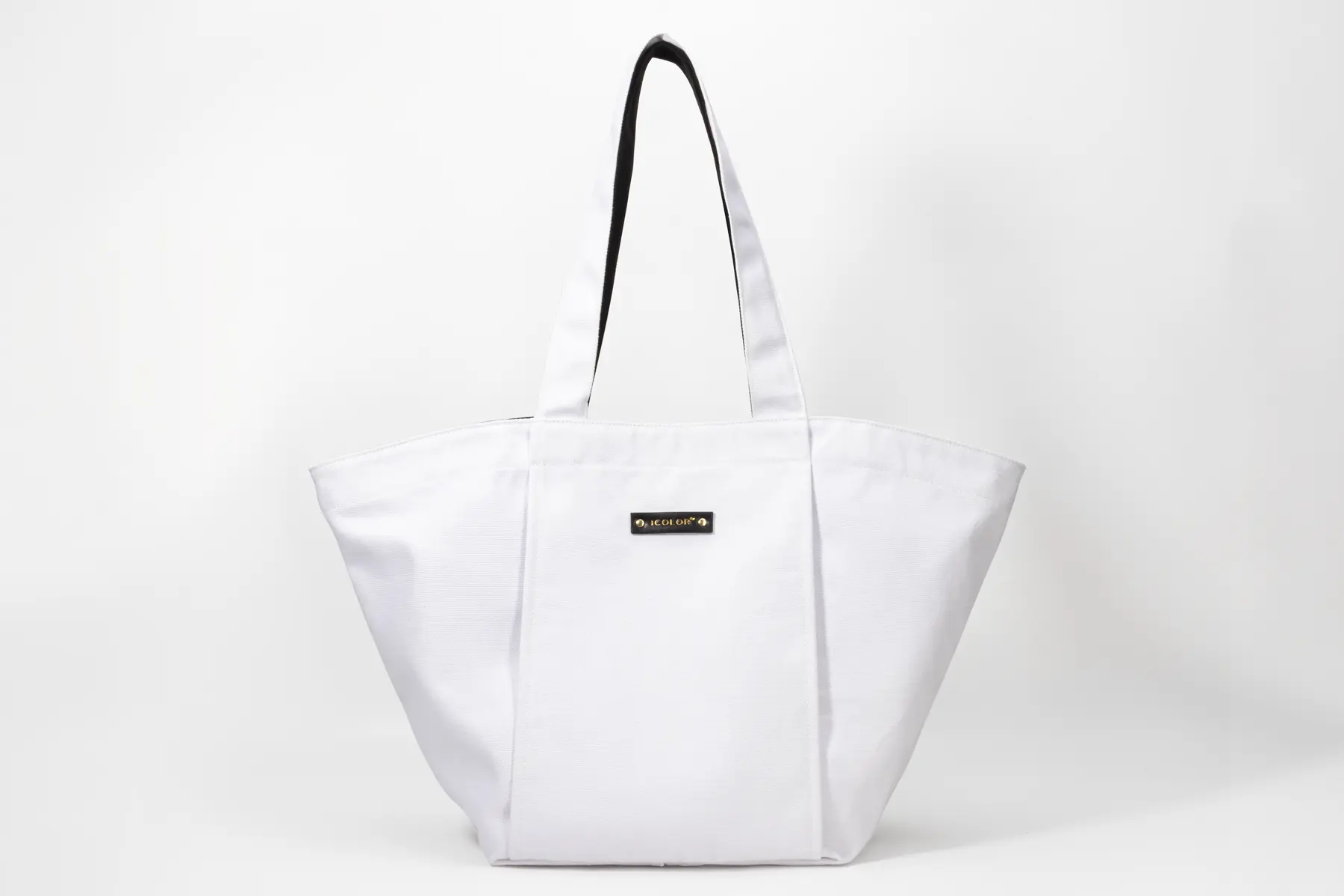
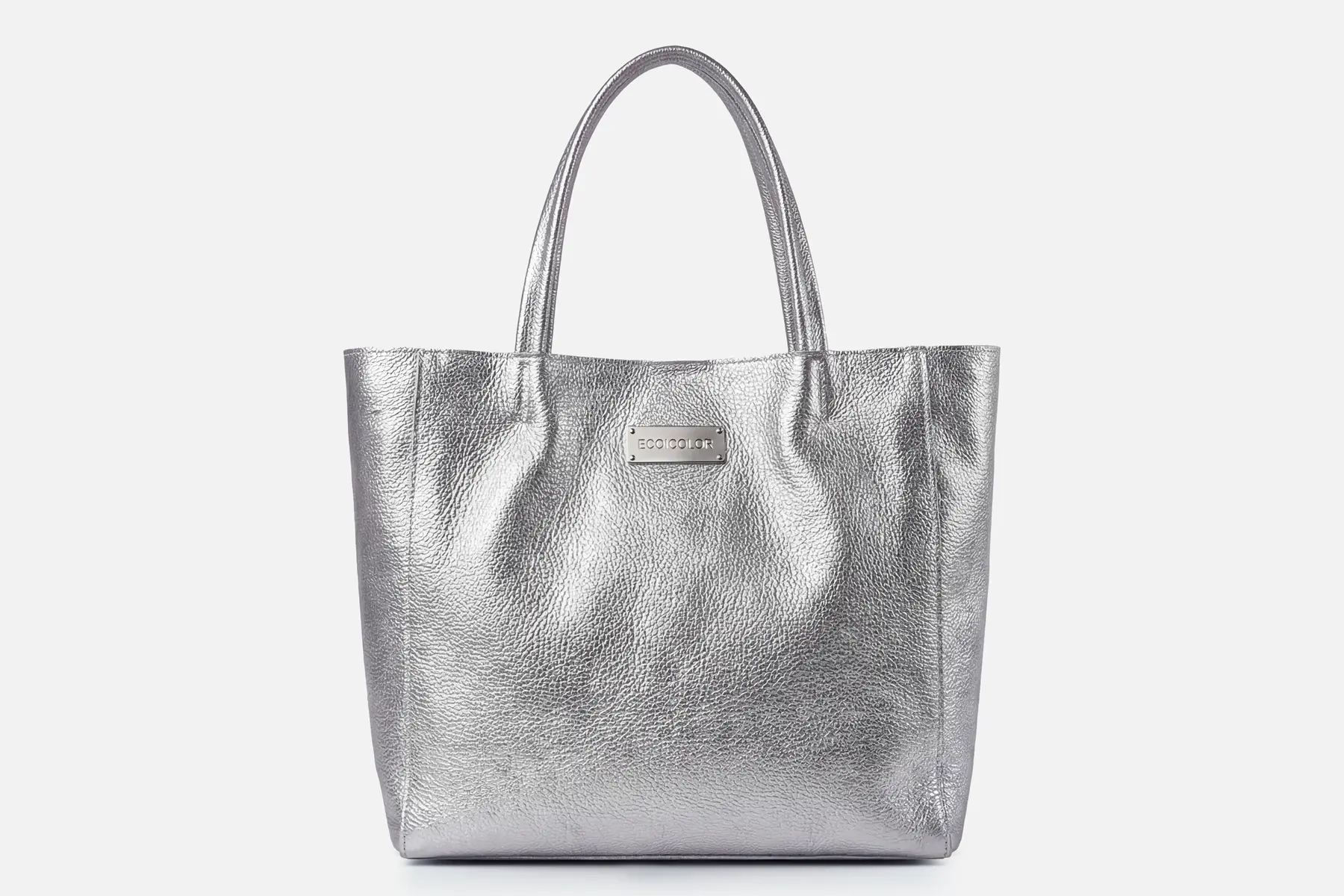
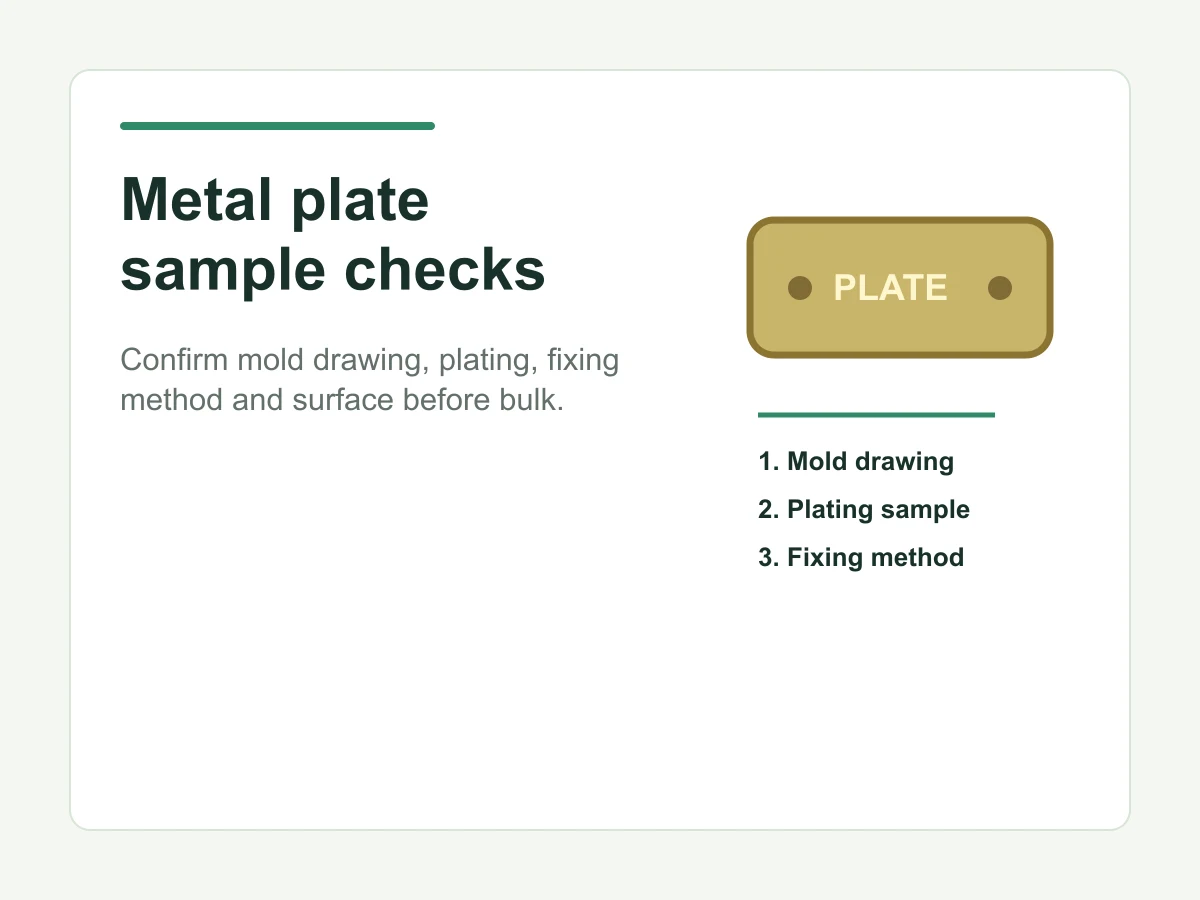
Metal plates are usually best for premium retail, high-end GWP, hotel gift or branded merchandise projects. They require early confirmation of mold drawing, plating color, surface finish and fixing method.
A metal plate can create a stronger brand signal than a woven label or patch. It can look polished on premium retail totes, hotel lobby retail products or higher-end gift projects. But it is also the detail that needs the most careful confirmation.
Metal plates usually involve tooling or mold confirmation, and the buyer should check size, thickness, plating, surface finish, back structure and fixing method before bulk. The biggest risks are plating color difference, scratches, weak fixing or an approved mold drawing that was not checked carefully. If a project needs corrosion, surface safety or metal durability testing, the requirement should be discussed before order confirmation.
How should logo details match tote bag materials?
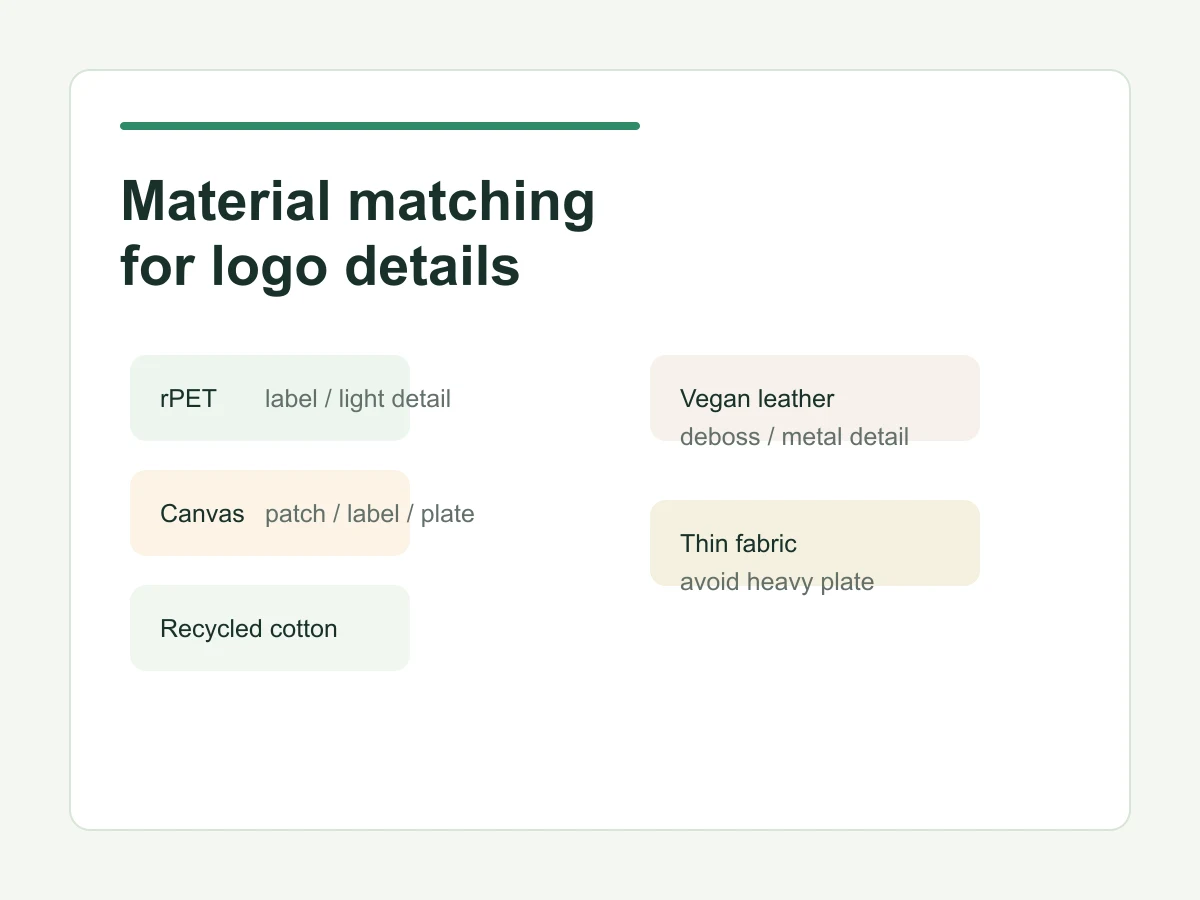
Woven labels fit most textile totes. Patches work better on canvas, recycled cotton and stable surfaces. Metal plates need enough body structure because thin or soft materials may not support heavier hardware well.
Material matching is one of the first checks we make. rPET can work with woven labels and lighter details, but a heavy plate may not suit every rPET structure. Recycled cotton, cotton canvas and organic cotton usually support woven labels and patches well. Vegan leather itself may work better with debossing, patch-style details or a controlled metal detail.
If the buyer expects frequent use or washing, the fixing method matters. A logo detail should not only look good on the first sample. It should stay stable through handling, packing and regular use. For recycled, organic or safety-related claims, the material and document scope should also be confirmed separately from the logo detail decision.
What MOQ and lead time should buyers expect for woven labels, patches and metal plates?
Ecoicolortote is usually a better fit for MOQ 500+ brand projects. Cost and timing depend on logo detail type, size, material, fixing method, tooling, order quantity and whether the tote also includes other logo processes, packaging or retail labels.
Sample timing is confirmed after the material, construction, logo method, artwork, packaging and approval scope are clear; the working schedule also depends on revision speed and current capacity.
Woven labels are usually more cost-controllable. Patches vary depending on material, edge finish and logo method. Metal plates are often the most sensitive to tooling, plating and minimum setup cost. For smaller runs, a metal plate can be less efficient than a woven label or small patch.
Which material or certification evidence should be checked?
Logo details should be checked separately from material claims. Buyers may need evidence for the tote body fabric, patch material, metal component finish, paper packaging or factory audit scope depending on the order and claim wording.
For textile safety discussions, OEKO-TEX STANDARD 1001 may be relevant depending on material and order scope. For recycled-content claims, Global Recycled Standard2 can support recycled material discussions. For social compliance review, amfori BSCI audit guidance3 can be part of supplier audit discussions.
Document scope should be discussed before public claim wording is used. A logo patch or metal plate does not automatically prove a sustainability or safety claim for the whole tote.
What sample details matter most for woven labels, patches and metal plates?
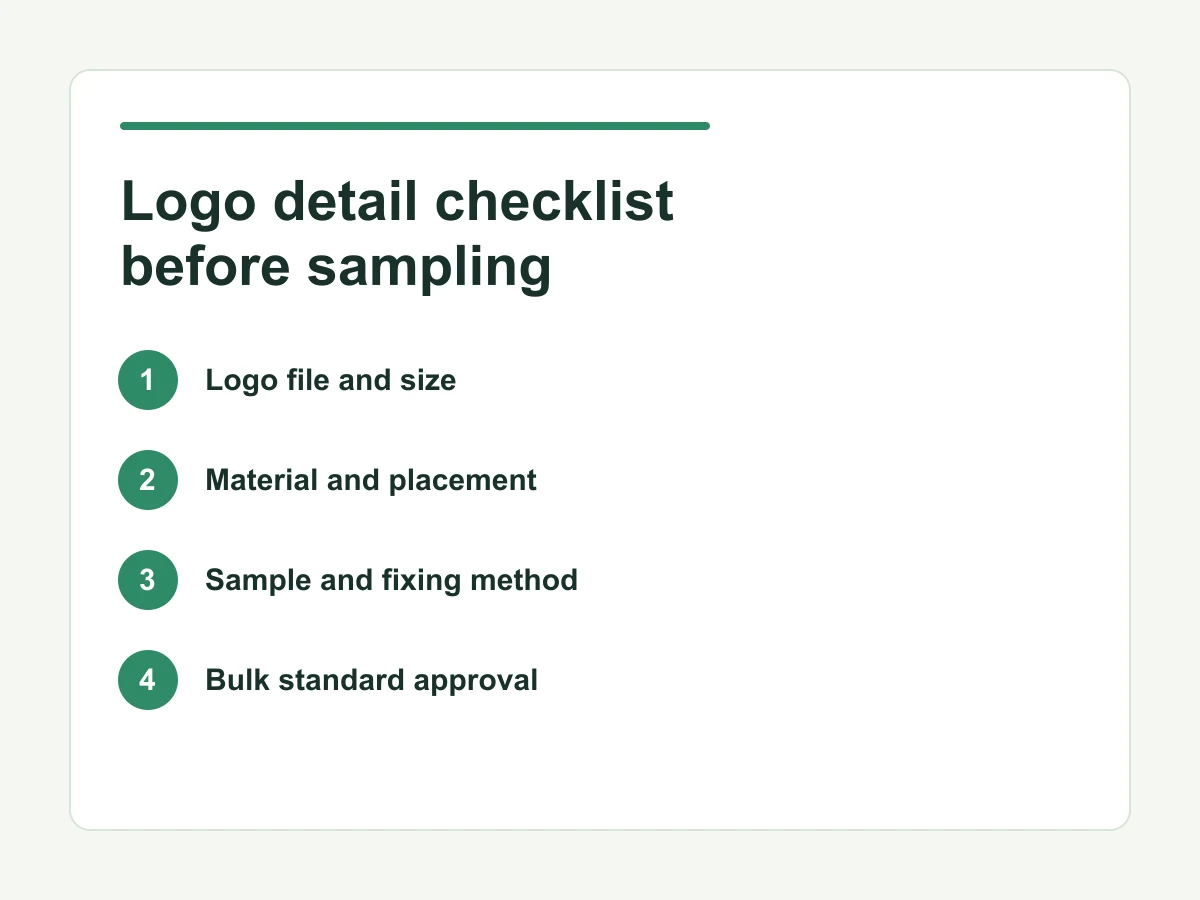
Buyers should provide AI, EPS or editable PDF logo files, Pantone or color direction, logo size, placement and material choice. Woven labels, patches and metal plates should be physically sampled before bulk production.
A clean logo file reduces risk before sampling. Small text, thin lines and complex icons may need adjustment depending on whether the detail is woven, debossed, printed or molded. For color control, Pantone color systems4 can help with brand color communication, but physical samples are still needed because yarn, patch material and plated metal do not display color the same way.
For metal plates, the buyer should confirm the mold drawing before tooling. For patches, the buyer should confirm embossing depth, edge finish and fixing method. For woven labels, the buyer should confirm small text, yarn color and label size. The approved pre-production sample should become the bulk standard.
How do woven labels, patches and metal plates compare?
Woven labels are flexible and stable for small identity. Patches add material texture and lifestyle feeling. Metal plates create a more premium hardware signal but require more confirmation before sampling and bulk.
| Decision point | Woven label | Leather-look / vegan leather patch | Metal plate |
|---|---|---|---|
| Typical cost level | Lower and easier to control | Middle, depending on material and edge finish | Higher, especially if tooling or plating is needed |
| MOQ fit | Works well from 500 pcs per style | Works well from 500 pcs per style when material is available | Better for larger or premium projects because tooling cost needs planning |
| Material fit | Canvas, cotton, recycled cotton and most fabric totes | Canvas, cotton, vegan leather and lifestyle tote structures | Sturdier tote bodies, premium gift bags and retail-style projects |
| Sampling watch-out | Check small text, yarn color and placement | Check debossing depth, edge finish and stitching | Check mold drawing, plating color, screw or rivet position and fixing method |
| Sample timing impact | Usually lighter impact if label specs are clear | Moderate impact when material and edge finish need approval | Higher impact when mold drawing, plating sample or hardware testing is involved |
| Best fit | Clean brand identity, inner labels, side tabs and basic GWP | Retail SKU, wellness or lifestyle tote and warmer texture | Premium gift, hotel retail, high-end GWP and hardware-led branding |
If a buyer asks which one is most premium, our answer is: it depends. A poorly fixed metal plate will not feel premium. A clean woven label on the right material can look better than a heavy hardware detail on a soft, thin tote. The logo detail should match the tote's purpose and material, not only the buyer's first visual preference.
What mistake causes the most rework?
The most common mistake is choosing the detail too late. Woven labels, patches and metal plates should be decided before the sample route is locked because they can affect material support, tooling, fixing method, packaging and cost.
Other common mistakes include approving only a mockup, skipping a physical sample, making tiny text too small, using heavy hardware on thin fabric or approving metal tooling without checking the drawing. Many logo detail problems do not happen because the detail cannot be made. They happen because the decision comes too late.
For buyers with limited budget but premium expectations, we often recommend keeping one small but clear detail. A small woven label or patch can create brand value without forcing the whole tote into a complex hardware project.
What should be included in the RFQ?
The RFQ should include editable logo file, detail type, tote material, placement, color direction, logo size, fixing method, packaging, order quantity, sample deadline and whether the detail must match a retail or GWP standard.
| Sampling item | What to confirm | Why it matters | Common mistake |
|---|---|---|---|
| Woven label | Size, yarn color, small text, placement | Controls brand identity and readability | Text too small to weave clearly |
| Patch | Material, edge, logo method, stitch or fixing | Controls texture and premium feeling | Patch looks good alone but not on the tote |
| Metal plate | Mold drawing, plating, surface, back structure | Prevents tooling and fixing errors | Tooling approved too quickly |
| Bulk standard | Signed sample, photos, production notes | Keeps sample and bulk aligned | Only mockup approved before production |
Logo-detail sample review checklist
This is a sample review checklist, not a customer case or performance claim. Confirm the detail on the actual tote and in the intended packing route before bulk approval.
- Actual tote material: review handfeel, support and how the surface behaves around the detail.
- Logo artwork and minimum line: confirm text size, line weight, colors and production-ready artwork.
- Detail weight and fixing: confirm stitch, rivet, adhesive, backing or other approved fixing route.
- Edge and needle risk: check sharp edges, needle marks, tearing, distortion and contact with carried contents.
- Placement: approve distance from seams, folds, handles and other artwork.
- Packing thickness: fold and pack the tote with the detail in place to check stacking and carton impact.
- Approval evidence: keep the signed sample or approved photo set, version and placement measurement as the bulk reference.
Use Custom Logo Totes for the commercial logo route. For the complete premium gift-tote brief, return to Luxury Branded Totes.
Less suitable fit for this logo detail route
This logo detail route is less suitable for buyers who want premium woven labels, patches or metal plates without sample approval, tooling confirmation or a clear material and placement standard.
It may also be less suitable for orders below MOQ 500 pcs per style without an existing brand project context, projects that add logo detail after the bulk standard is already locked, or buyers who only ask for the lowest logo detail cost without sharing material, logo file, use case or packaging needs. Ecoicolortote is a stronger fit when the buyer wants the detail to support real brand positioning and is willing to confirm physical samples before bulk production. A logo detail should improve the tote, not create fixing, packing or consistency problems later.
Send your logo file, tote material, detail type, quantity, color direction, logo size, placement, fixing method, packaging needs and launch timeline. We can help judge whether a woven label, leather-look or vegan leather patch, metal plate or another logo detail is practical before sampling. Contact Ecoicolortote.
FAQ: Woven labels, patches and metal plates for tote bags
What should buyers confirm before sourcing woven labels, patches and metal plates for tote bags?
Buyers should confirm logo file quality, tote material, detail type, logo size, placement, color direction, fixing method, MOQ, packaging needs and sample approval route. These details decide whether a woven label, patch or metal plate will work as a stable production detail instead of only looking good in a mockup.
What sample details matter most for woven labels, patches and metal plates?
For woven labels, check small text, yarn color and placement. For patches, check edge finish, logo clarity and fixing. For metal plates, check mold drawing, plating, surface finish and attachment strength. Buyers should review these details on the actual tote material because fabric support, folding and packaging can change the result.
What MOQ and lead time should buyers expect for woven labels, patches and metal plates?
Ecoicolortote is usually a better fit for MOQ 500+ projects. Woven labels are often easier to control, patches need material and edge approval, and metal plates may require tooling or plating review. Lead time depends on detail type, sample complexity, fixing method, packaging scope and whether a pre-production sample needs revision.
Which material or certification evidence should be checked?
Check the tote body fabric, patch material, metal component finish, paper packaging and any recycled, textile safety or factory audit evidence required for the actual order scope. Evidence should match the selected component and claim wording, because a logo patch or plate does not automatically support a claim for the whole tote.
What should be included in the RFQ?
The RFQ should include editable logo file, detail type, material, logo size, placement, color direction, fixing method, quantity, packaging needs, sample deadline and launch timeline. If the buyer has a retail or GWP standard, they should also include packaging thickness, hangtag needs and any durability, color, finish or testing requirement.
What mistake causes the most rework?
The biggest mistake is choosing or changing the logo detail after the sample route is locked. This can require new sampling, tooling review, fixing tests or packaging changes. Rework is especially likely when the buyer approves a mockup but has not checked the detail on the real tote material and packing method.
When should buyers contact Ecoicolortote?
Contact Ecoicolortote before sampling if your team needs to compare woven labels, patches, metal plates or other logo details for an MOQ 500+ custom tote bag project. The most useful brief includes logo file, tote material, quantity, placement, color direction, packaging needs, target launch date, approval deadline and preferred brand positioning.
Trademark and certification note
Brand names, standards and certification references connected to woven labels, patches, metal plates or packaging should be used only when they apply to the actual component, material, factory, order scope and claim wording. OEKO-TEX, GRS, amfori BSCI, Pantone references, recycled-content statements and any buyer-specific durability or safety requests should be checked before the buyer uses them in product pages, hangtags, retail files or public marketing claims.