Zoe Yu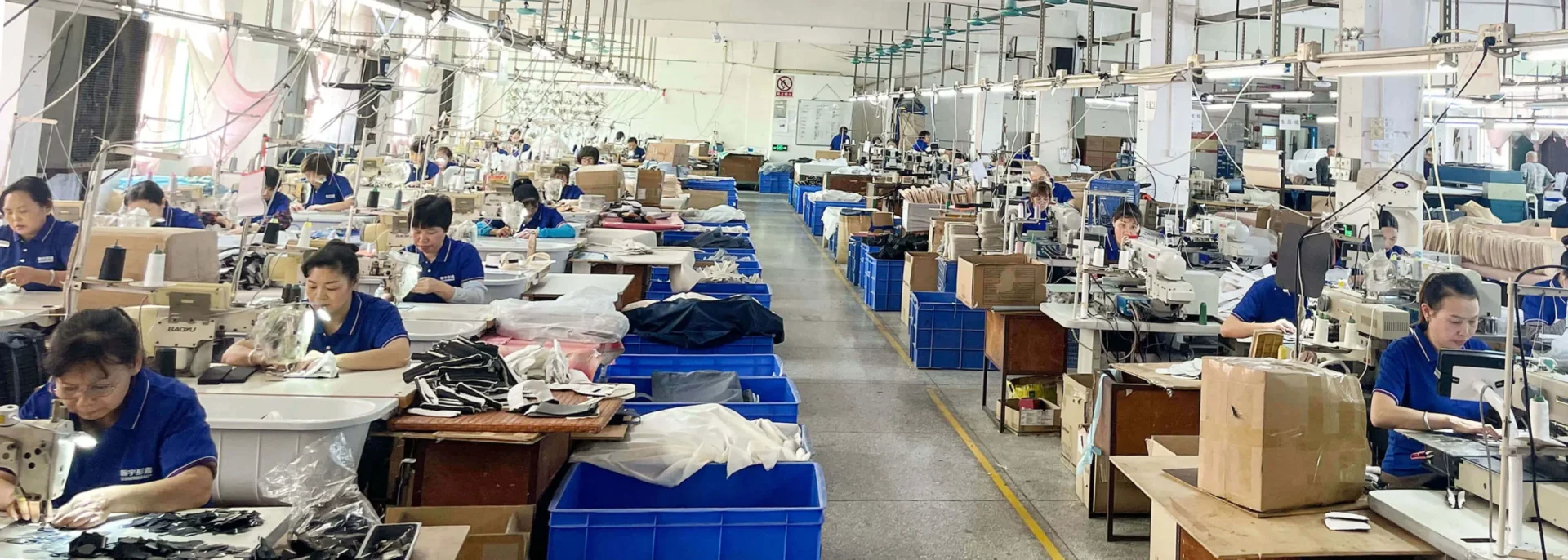
A custom tote bag cost breakdown should start with specifications, not a bare unit price. Material, size, fabric weight, logo process, structure, packaging, labels, document scope, MOQ split and delivery terms can all change the quote before sampling.
TL;DR: A custom tote bag unit price is useful only when the quote scope is clear. Before comparing suppliers, buyers should confirm material, fabric weight, size, logo process, structure, packaging, labels, document requirements, MOQ split, sample approval and delivery terms. A lower price may exclude hangtags, barcode labels, carton marks, testing, pre-production samples or shipping responsibility. The safest cost review compares the same specification line by line.
From our factory side, the useful question is not only how much one bag costs. The better question is what is included in this unit price. A basic canvas tote with one-color print and simple packing should not be compared with a structured retail tote that includes thicker fabric, zipper, hangtag, barcode, wash label, testing and retailer packaging. Buyers can benchmark specification routes against private label tote projects and retail brand tote planning before comparing supplier quotes.
Buyer Summary
- Best for: brand buyers who need to understand why custom tote bag unit prices change before sampling.
- Main decision: compare quotes only after material, size, logo process, structure, packaging, labels, documents, MOQ split and delivery scope are aligned.
- Factory-side note: late changes to packaging, SKU labels, material claims, logo details or delivery terms can change both cost and timeline.
- What to prepare: quantity, size, material direction, fabric weight or handfeel, logo file, packaging and label needs, target date and destination.
What should buyers confirm before sourcing a custom tote bag cost breakdown?
Buyers should confirm quantity, size, material, fabric weight, logo process, structure, packaging, labels, document scope, MOQ split and delivery terms before treating any unit price as comparable.
Custom tote bag unit price changes when the project specification changes. A quote based on basic canvas, one-color print and simple packaging cannot be compared with a quote for thicker canvas, embroidery, zipper, hangtag, barcode, carton mark, testing and retailer packaging. Buyers should ask what is included before deciding which price is lower.
| Cost driver | Why it changes price | What buyers should confirm |
|---|---|---|
| Material and fabric weight | Fabric cost, handfeel, structure, carton volume and freight change. | Material type, gsm or oz, finish and document scope. |
| Logo process | Artwork color count, area, setup and process route change. | Logo file, Pantone, size, placement and method. |
| Structure | Zipper, lining, pocket, bottom support and hardware add labor and materials. | Opening, closure, handle, gusset and use case. |
| Packaging and labels | Retail-ready details add paper, labels, data control and pack-out labor. | Hangtag, barcode, wash label, sleeve, carton mark and assembly. |
| Documents and terms | Testing, claim support, audit scope and delivery terms change the comparison basis. | Required documents, destination and trade terms. |
How is this cost breakdown guide different from quote comparison and MOQ planning pages?
A cost breakdown explains which specification details create the unit price before sampling. Quote comparison checks whether suppliers quoted the same scope. MOQ planning checks whether quantity, colors, SKUs, samples and delivery timing are realistic.
That boundary matters. If the buyer wants to know what information to send, use the custom tote bag RFQ checklist. If the project is a gift-with-purchase program, start with the GWP tote bags route and use the GWP tote bag RFQ brief template to align cost scope before sampling. If the buyer already has several supplier offers, the supplier quote comparison guide helps check whether the quote scope is aligned. If the buyer is still judging whether quantity, color split or timing is realistic, MOQ and lead-time planning should be reviewed separately.
This page stays focused on unit price before sampling: material, structure, logo, packaging, MOQ split, shipping and quote scope. It helps buyers understand why one tote can look similar in a photo but cost differently in production.
Which brand projects most often ask why the tote bag costs more?
Beauty GWP and retail private label projects ask this question most often because small details can make two bags look similar in a photo while the actual specification is very different.
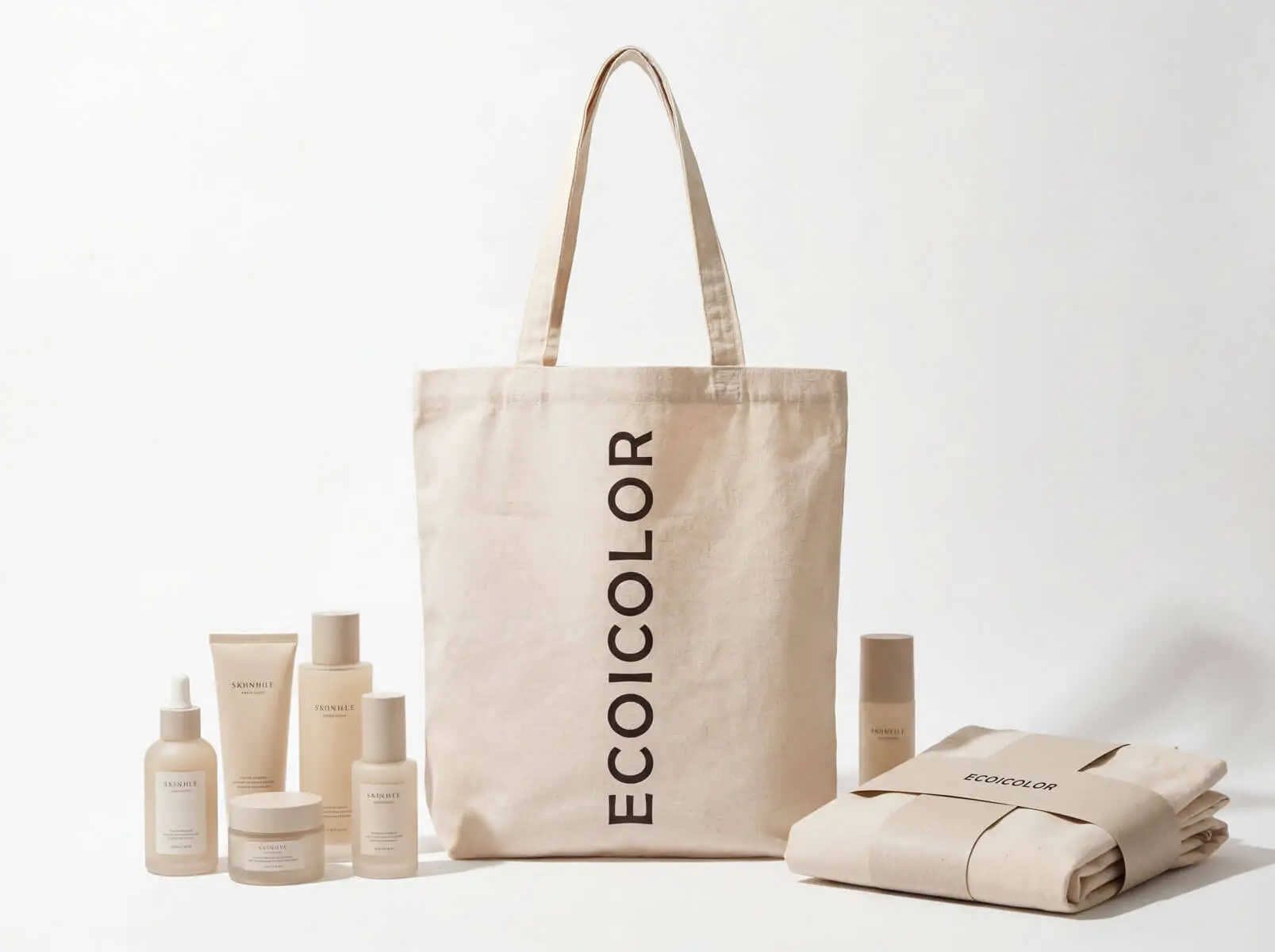
Beauty GWP projects often care about gift feel, paper card, sleeve, set assembly and launch timing. Retail private label projects need labels, barcode, SKU control and repeat-order consistency. Holiday gift, hotel and event projects also create quote gaps when packaging, labels or delivery scope changes.
Best fit for this cost breakdown guide
This guide is best for brand buyers, sourcing managers, procurement teams and founder-led DTC teams who are preparing an RFQ for 500+ custom tote bags and need to understand why quotes change before sampling. It is especially useful for beauty GWP projects, private label retail totes, hotel welcome bags, event totes and launch kits where material feel, logo process, packaging, labels and delivery timing all affect the real project cost. It also helps teams compare supplier offers on the same basis instead of choosing a low unit price that excludes important production or packing details. It also helps teams brief finance, marketing and sourcing stakeholders with the same cost assumptions before sample approval.
| Project type | Cost drivers buyers often underestimate | Why quote gaps happen |
|---|---|---|
| Beauty GWP | Material feel, gift value, paper card, sleeve, pack-out and set assembly. | A tote must feel like a gift, not only a carrier bag. |
| Retail / private label | Label system, barcode, wash label, structure, finishing and repeat-order consistency. | The tote needs to look sellable and manageable by SKU. |
| Hotel welcome tote | Material tone, restrained logo, clean packaging and split delivery. | Guest experience matters more than lowest giveaway cost. |
| Event / conference | Quantity, artwork complexity, lightweight material and handout method. | Distribution efficiency and carton planning affect the real cost. |
How should GWP tote buyers review cost scope before sampling?
GWP tote cost should be reviewed with product contents, gift presentation, packaging, carton marks and delivery plan together. A low tote unit price can become misleading if pack-out, barcode labels, paper cards, SKU sorting or store allocation are added later.
For beauty and retail GWP programs, check product fit with the beauty GWP tote contents fit checklist, review packing routes in the custom tote bag packaging options guide, and use the GWP tote bag RFQ brief template to align material, packaging, carton and sample approval details before requesting a quote.
What mistake causes the most rework in custom tote bag cost breakdown?
The most common mistake is comparing unit price before aligning the specification. One supplier may quote lighter fabric and simple packing, while another includes thicker fabric, complex logo work, retail labels, testing and carton marks.
Another mistake is adding details after the first quote. When packaging, label content, material claim, special color, logo revision or version count arrives late, the quote may need to change. That is not always a supplier problem. It is often a scope problem.
- Unit price without scope is weak: ask what material, logo, packaging, label, document and delivery terms are included.
- Late packaging changes cost: retail-ready details can affect paper sourcing, sample approval, label management and packing work.
- Version count matters: more colors, SKUs, logo versions or retailer versions can raise sample and production complexity.
- Cheap and premium need definition: buyers should translate vague words into material, process and packaging choices.
How do materials and fabric weight change the unit price?
Material is usually the first visible cost driver, but the material name alone is not enough. rPET, recycled cotton, cotton canvas, organic cotton, bamboo fiber and vegan leather can all quote differently depending on weight, finish, composition, handfeel, document scope and supplier route.
Responsible-material wording should not be treated as a small add-on. If a buyer wants recycled, organic, lower-impact or paper packaging claims, the material route and document scope should be checked before the quote is treated as final. The FTC Green Guides1 are a useful reference for avoiding broad or unsupported environmental marketing claims.



| Material choice | Cost impact | What to clarify before sampling |
|---|---|---|
| rPET | Often practical for full-color campaign and event routes. | Artwork method, fabric feel, document needs and quantity. |
| Recycled cotton | Can be cost-aware, but composition and handfeel vary. | Blend, fabric weight, color tone and claim wording. |
| Cotton canvas | Cost rises with weight, structure and finishing expectations. | Canvas oz or gsm, handfeel, shrinkage expectation and logo process. |
| Organic cotton | Often higher cost than standard cotton routes. | Certificate scope, target claim and whether the finished product claim is required. |
| Vegan leather | Often higher due to material cost, structure and finishing. | Material type, lining, hardware, sewing route and claim wording. |
Which logo processes change tote bag cost most?
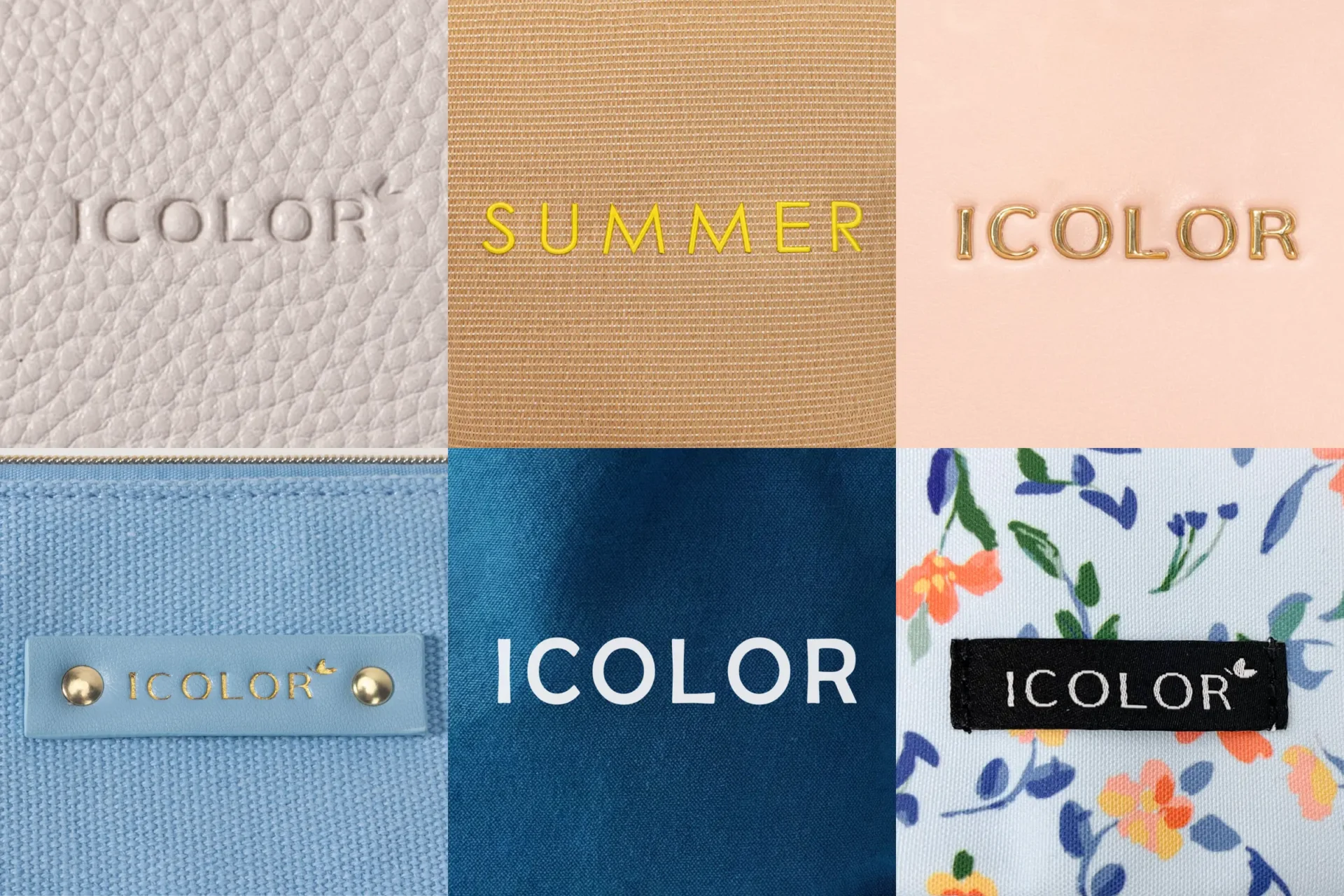
Logo cost changes with artwork size, color count, process type, setup, placement and sample review. Screen printing is often cost-aware for simple logos, while heat transfer, embroidery, patches, woven labels and metal plates can raise cost when the artwork or brand detail becomes more complex.
For color communication, buyers may use references such as Pantone color systems2, but physical samples, lab dips or approved color samples still matter because fabric surface and print method can affect the final result.
| Logo route | Cost direction | When to consider an alternative |
|---|---|---|
| Screen print | Cost-aware for simple logo and limited colors. | When artwork has many colors, gradients or fine details. |
| Heat transfer | Can support complex artwork but cost rises with area and finish. | When handfeel, edge behavior or budget does not fit the artwork. |
| Embroidery | Can raise cost with stitch count, size, colors and small text. | When the logo is too large, too detailed or too text-heavy. |
| Woven label / patch | Can be controlled, but versions and placement matter. | When many SKUs need different labels. |
| Metal plate / hardware detail | Usually a higher-cost branding route. | When the budget does not support premium hardware. |
How do structure details affect custom tote bag cost?
Structure can change cost even when the front view looks similar. Zipper, lining, pocket, bottom support, special handle, hardware, wide gusset or reinforced stitching add material, labor, QC points and sample review.
An open tote can be simpler and more cost-aware. A zipper tote can feel more finished, but the zipper, sewing route, quality check and sample review all add scope. Large or XL tote bags can also increase carton volume, packing thickness, handle stress and freight estimate.
| Structure detail | Possible cost effect | Buyer check |
|---|---|---|
| Open top | Usually simpler and more cost-aware. | Check whether the project needs security or finished feel. |
| Zipper | Adds material, sewing, QC and sample review. | Check zipper quality, opening size and target use case. |
| Lining / pocket | Adds material and construction complexity. | Check whether retail value justifies the added cost. |
| Bottom support | Can improve structure but affects packing. | Check gift set contents and foldability. |
| Hardware | Raises cost and may affect lead time. | Check finish, color, durability and budget. |
Why can packaging and labels change the budget so much?
Packaging and labels can become a major cost block when the tote must be retail-ready, GWP-ready or gift-ready. Hangtags, paper cards, barcode stickers, wash labels, gift sleeves, carton marks and set assembly all add materials, artwork control and packing labor.
Paper packaging claims should match the actual paper route and claim scope. For paper cards and hangtags, buyers can reference FSC paper and packaging guidance3. Barcode and SKU details should follow the buyer's retail system, and references such as GS1 General Specifications4 can help buyers frame barcode and retail identification discussions.
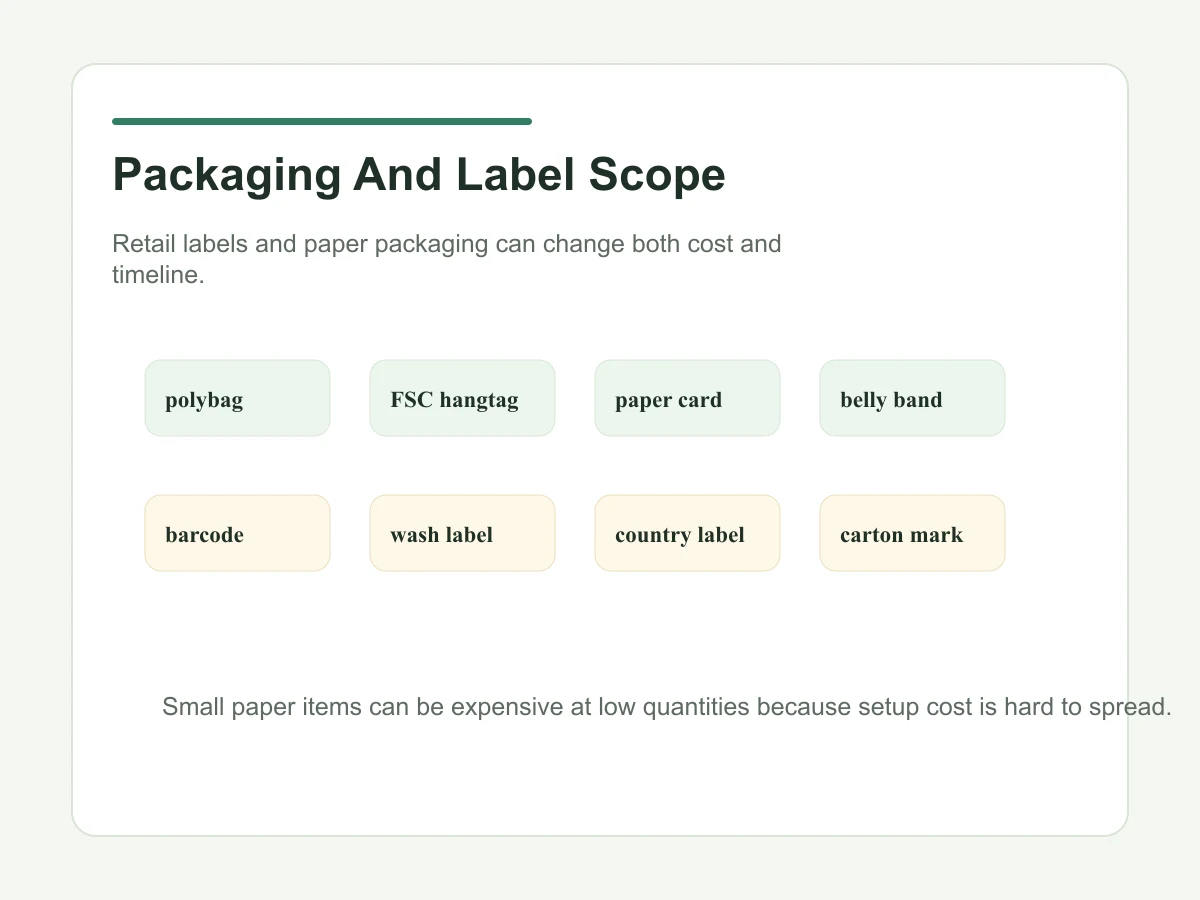
| Packaging or label item | Cost reason | When to confirm |
|---|---|---|
| Hangtag / paper card | Paper sourcing, printing, version count and attachment method. | Before sampling. |
| Barcode / SKU sticker | Data management, version control and retailer requirements. | Before packaging artwork is approved. |
| Wash / composition label | Label content, material statement and sewing route. | Before production file lock. |
| Gift sleeve / belly band | Paper structure, artwork, fitting and pack-out labor. | During sample stage. |
| Set assembly | Manual packing, sorting, QC and carton planning. | At RFQ stage. |
What MOQ and lead time should buyers expect for custom tote bag cost breakdown?
At MOQ 500 pcs per style, the most reasonable setup is often one size, one or two colors, one main logo process and basic packaging. More colors, SKUs, logo versions or retailer versions can raise cost because sample confirmation, material allocation, label matching and production handling become more complex.
If the buyer wants to control cost, Ecoicolortote may suggest one shared bag body and version differences through hangtag, barcode, insert, sticker or small label. This can reduce setup work while keeping campaign, retailer or SKU identity clear. Lead time should be counted after final files, material direction, packaging details and sample approval are confirmed.
Which material or certification evidence should be checked?
GRS, OEKO-TEX, FSC paper packaging, audit information, testing reports and retailer checklists can affect cost or schedule depending on exact order scope. A certificate or audit should not be assumed to cover every material, packaging item or marketing claim.
For recycled-content discussions, buyers can use the Global Recycled Standard5 as a reference, while textile safety or restricted substance questions may use OEKO-TEX STANDARD 1006. The final scope still depends on the selected material, supplier chain, order and buyer requirement.
What should be included in the RFQ?
To make the first quote useful, buyers should send quantity, size, material direction, fabric weight or desired handfeel, logo file, packaging and label requirements, target date, destination and expected delivery terms.
Shipping and trade terms also affect quote comparison. A unit price with different delivery responsibility is not directly comparable, so buyers should clarify whether they are comparing factory price, FOB, CIF, DDP or another route. For GWP tote projects, the GWP tote bag RFQ brief template can help buyers send material, contents, packaging, carton and delivery details in one cost-ready scope. Official ICC Incoterms rules7 are a useful reference for trade term discussions.
| RFQ detail | What to send | Why it affects price |
|---|---|---|
| Quantity | Target order quantity and any version split. | Controls material allocation and setup efficiency. |
| Size | Width, height, gusset and handle need. | Changes fabric consumption and carton volume. |
| Material | rPET, recycled cotton, canvas, organic cotton, bamboo fiber or open. | Defines base fabric route. |
| Fabric weight / handfeel | Light, medium, structured, soft, premium or foldable. | Changes material cost, folding and freight. |
| Logo file | Vector file, Pantone, artwork size and color count. | Defines decoration method and setup. |
| Packaging / labels | Hangtag, barcode, label, sleeve, carton mark, set assembly. | Can become a separate cost block. |
| Destination / terms | Target market, delivery address and expected trade terms. | Changes freight and comparison basis. |
How can buyers reduce tote bag cost without making the project look cheap?
Cost control is not the same as making every detail basic. Buyers can often protect the visual result by deciding which detail matters most to the campaign and simplifying the details that matter less.
For a beauty GWP, gift value may come from a clean material, good color and paper card rather than a complex metal plate. For an event tote, visibility may come from one strong screen print instead of several small sponsor logos. For retail, a consistent label system may matter more than adding every possible hardware detail.

| Budget pressure | Cost-aware adjustment | What should not be weakened |
|---|---|---|
| Logo cost is too high | Reduce color count, simplify small text, or move detail into hangtag. | Logo clarity and brand recognition. |
| Packaging cost is too high | Use a simpler paper card or one shared sleeve layout. | Barcode accuracy, label content and gift presentation. |
| Material cost is too high | Compare rPET, recycled cotton and medium canvas routes. | Handfeel, product fit and claim wording. |
| Version count is too high | Keep one bag body and vary insert, sticker, hangtag or carton label. | SKU control and buyer receiving logic. |
| Freight estimate is too high | Review fabric weight, folding method, gusset and carton packing. | Use case, capacity and sample approval standard. |
Less suitable fit for this cost review
This cost review is less suitable for buyers who only ask for the lowest possible unit price while keeping material, logo, packaging, document scope, delivery terms or quantity unclear.
It may also be less suitable for projects below MOQ 500 pcs per style, one-off personal orders, or inquiries that cannot provide a logo file, size direction, use case, packaging need or target delivery date. Cost control does not mean stripping every detail from the tote. It means choosing the right specification for the campaign. A simple event tote can be excellent when the use case is clear, while a premium retail tote may justify higher cost when the buyer needs product feel, labels, packaging and repeat-order consistency.
Why does Dongguan supply-chain coordination help with cost control?
Cost questions usually cross several teams: material, printing, sewing, packaging, labels, sample room and shipping. Dongguan supply-chain coordination helps because these details can be checked together before the buyer locks the wrong cost route.
That does not remove every cost. It makes the cost visible earlier. When the buyer understands what changes the unit price, the project can move from vague budget pressure to a clear specification route.
Send quantity, size, material direction, handfeel, logo file, packaging and label requirements, target date and destination. If this is a GWP tote project, include product contents, pack-out route, paper card or barcode needs and delivery allocation, or review the GWP tote bags route before requesting a quote.
Request GWP Cost Review Review Quote Scope
FAQ: Custom tote bag cost breakdown
What should buyers confirm before sourcing custom tote bag cost breakdown?
Buyers should confirm quantity, size, material direction, fabric weight, logo process, structure, packaging, labels, document needs, MOQ split, target date and delivery terms before comparing unit prices. Without these details, two quotes may describe different bags even if the mockup looks similar.
What sample details matter most for custom tote bag cost breakdown?
Material handfeel, fabric weight, color, logo result, stitching, structure, packaging fit, label placement and the approved pre-production sample matter most because they define the bulk standard. Buyers should also check whether the sample reflects the quoted material and packaging route, not only a temporary development version.
What MOQ and lead time should buyers expect for custom tote bag cost breakdown?
Ecoicolortote is usually a better fit for MOQ 500+ projects. Lead time depends on sample approval, material availability, logo process, packaging scope, version count and delivery plan. If buyers add labels, paper cards, testing or special packaging after quotation, both cost and timeline may need to be reviewed again.
Which material or certification evidence should be checked?
Check fabric route, recycled or organic claim evidence, OEKO-TEX or other testing documents when applicable, FSC paper scope for packaging and any retailer document requirements. Evidence should match the actual material, packaging and order scope, not a general supplier claim that may not apply to the selected tote.
What should be included in the RFQ?
The RFQ should include quantity, size, material, fabric weight or handfeel, logo file, logo size, packaging, labels, document needs, target delivery date, destination and expected trade terms. A complete RFQ helps the factory quote the real project instead of guessing from a photo or rough unit-price target.
What mistake causes the most rework?
The biggest mistake is comparing unit price before aligning scope. Late packaging, label, material claim, logo or delivery changes can reset the quote and sample route. Buyers should freeze key cost drivers before sample approval so the factory can build the correct production standard.
When should buyers contact Ecoicolortote?
Contact Ecoicolortote before sampling if you need a realistic cost breakdown for an MOQ 500+ custom tote bag project with material, logo, packaging, label or delivery questions. The most useful brief includes quantity, size, artwork, packaging expectations, document requirements and launch timing.
Trademark and certification note
BSCI, Sedex, SMETA, GRS, OEKO-TEX, ISO, FSC and other certification or audit names belong to their respective organizations. This article is a buyer-side sourcing guide and does not claim that every product, material, order or shipment automatically carries every listed certification. Buyers should confirm current document validity, certificate scope, material coverage and market requirements before finalizing quotation or bulk production.
Sources
- FTC Green Guides - environmental marketing claims↩
- Pantone color systems - color communication reference↩
- FSC paper and packaging - paper claim reference↩
- GS1 General Specifications - barcode and retail identification↩
- Global Recycled Standard - recycled-content reference↩
- OEKO-TEX STANDARD 100 - textile safety reference↩
- ICC Incoterms rules - shipping terms reference↩