

 Zoe Yu
 “We need a tote bag” is not yet a sourcing brief. State whether the bag is a giveaway, retail item or product-set carrier because the use case changes the material, structure, logo, packing, sample evidence and delivery plan.
Send Use-Case BriefView Custom Tote Product Hub
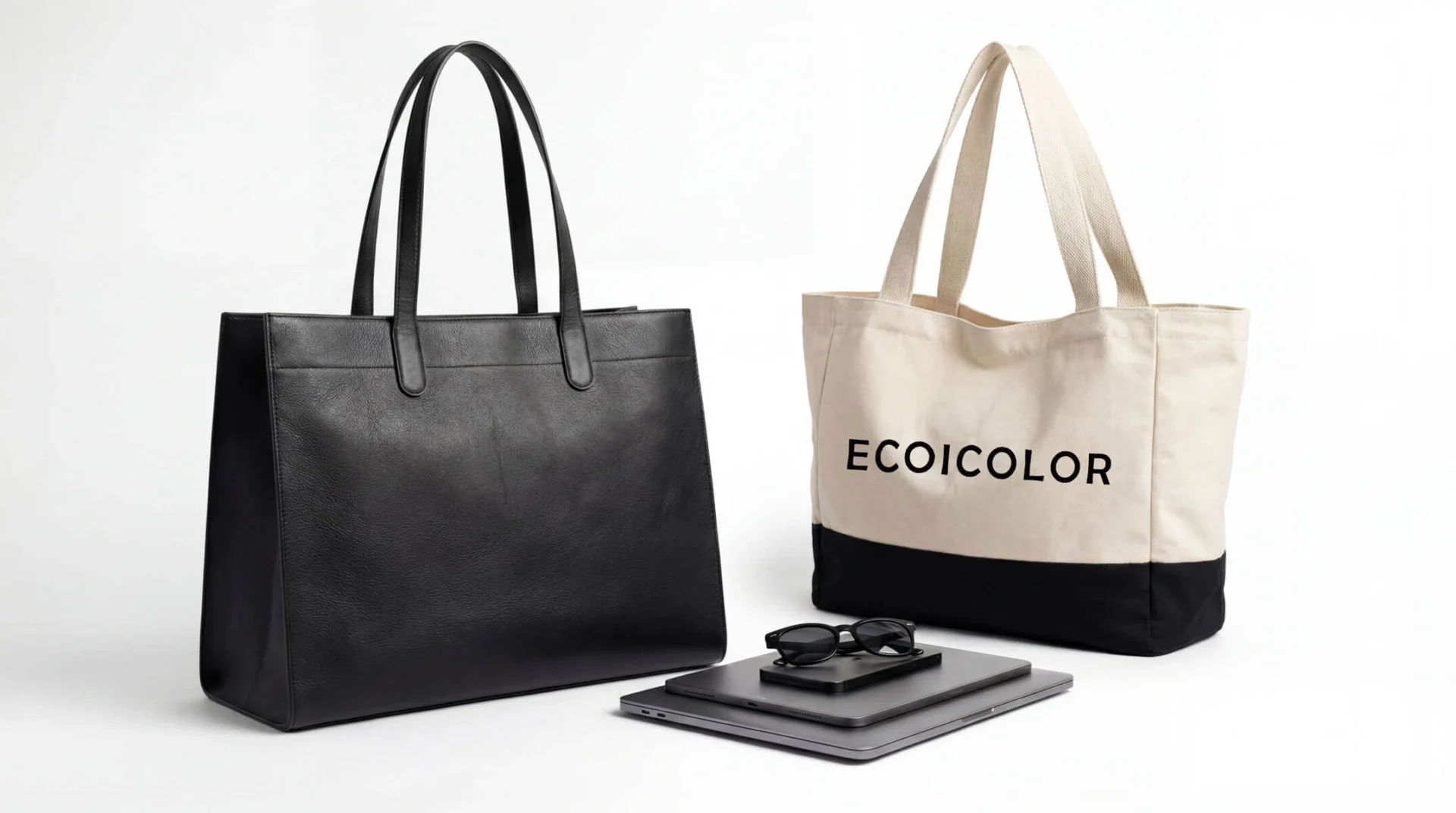
A giveaway tote, a retail SKU and a product-set carrier need different evidence. State the job of the bag before discussing material or price.
- how the tote will be used
- what it must carry
- when and where it must arrive
Quick answer
Send five facts first: intended use, what the tote carries, estimated quantity, delivery market and required date. These facts let the supplier recommend relevant options instead of sending an unfocused stream of product photos.
Why vague requests create too many irrelevant options
Sales-side insight from Jolian: buyers sometimes send only a few words about the product they need. Sales then has to keep sending images and may still miss the buyer’s taste. Most brand buyers can complete the missing information in one focused follow-up when the questions cover use, contents, required arrival date, quantity and artwork.
This is not a fabricated customer story. It is the operating problem the brief is designed to prevent.
Three routes that look similar but need different evidence
Giveaway
Handout speed, logo visibility, packing efficiency, event date and quantity split.
Retail sale
SKU, labels, individual packing, shelf presentation, reorder and claim scope.
Product set
Contents fit, filled shape, handle drop, coordinated components and assembled presentation.
The brief should state handout method, quantity split and whether items are packed inside before delivery.
- handout method
- carton destination
- logo visibility
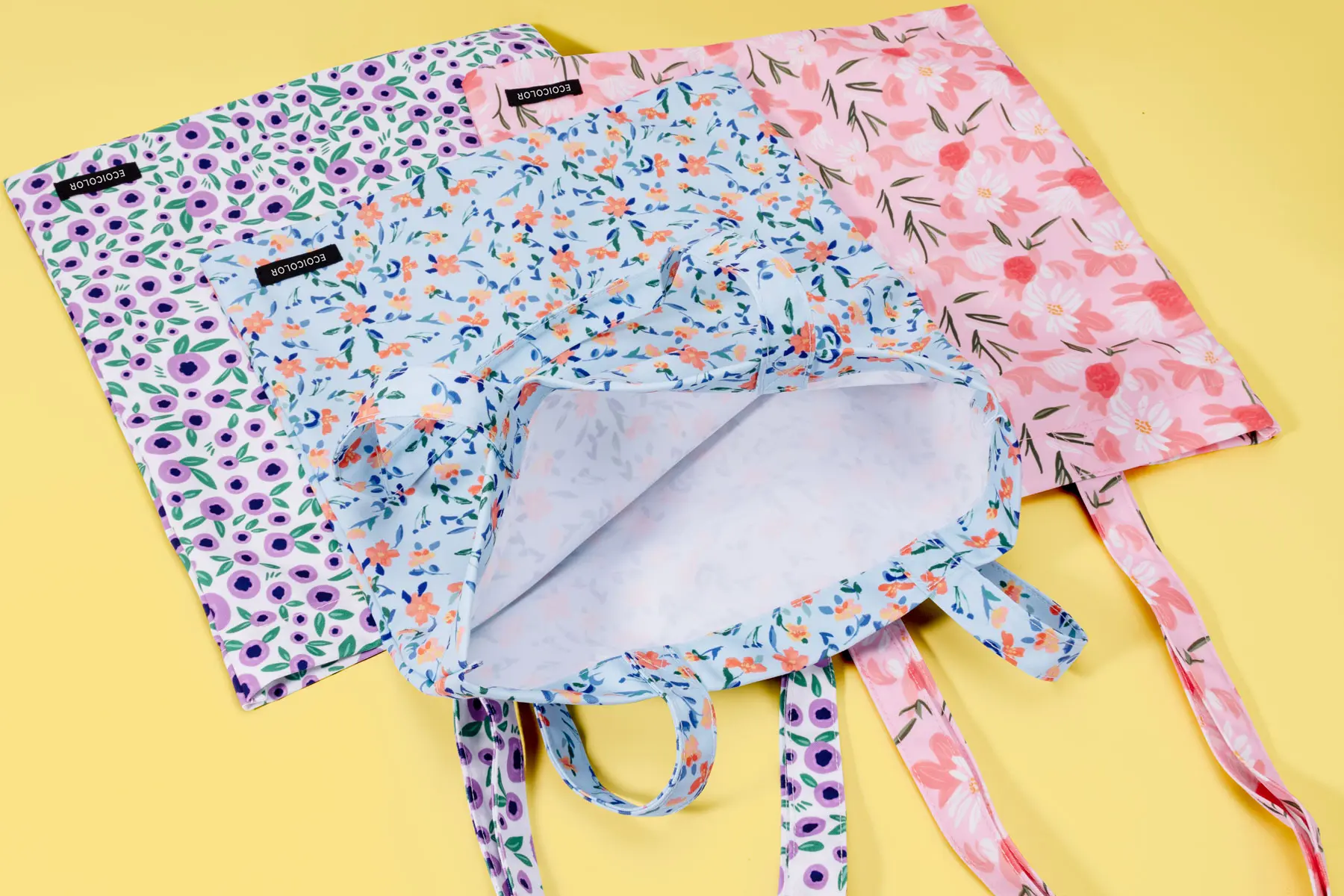
A giveaway brief starts with distribution
State whether totes are handed out empty, pre-packed with products or allocated across venues. High-volume giveaway projects often need carton marks, version splits and a fixed arrival date. The bag can remain simple, but the delivery and packing file cannot be vague when the event or campaign date is fixed.
A retail tote needs a repeatable product record
Retail teams should add SKU, barcode, material and care labels, individual packing, display presentation and reorder expectations. FTC textile labeling guidance [1] provides official U.S. textile labeling context, while the actual label and claim scope must match the product and target market. GS1 General Specifications [2] provides GS1 specifications where standardized identification is part of the retail route.
Retail readiness changes the artwork file set, packout and approval record.
- SKU and barcode
- label and packing
- version-controlled artwork
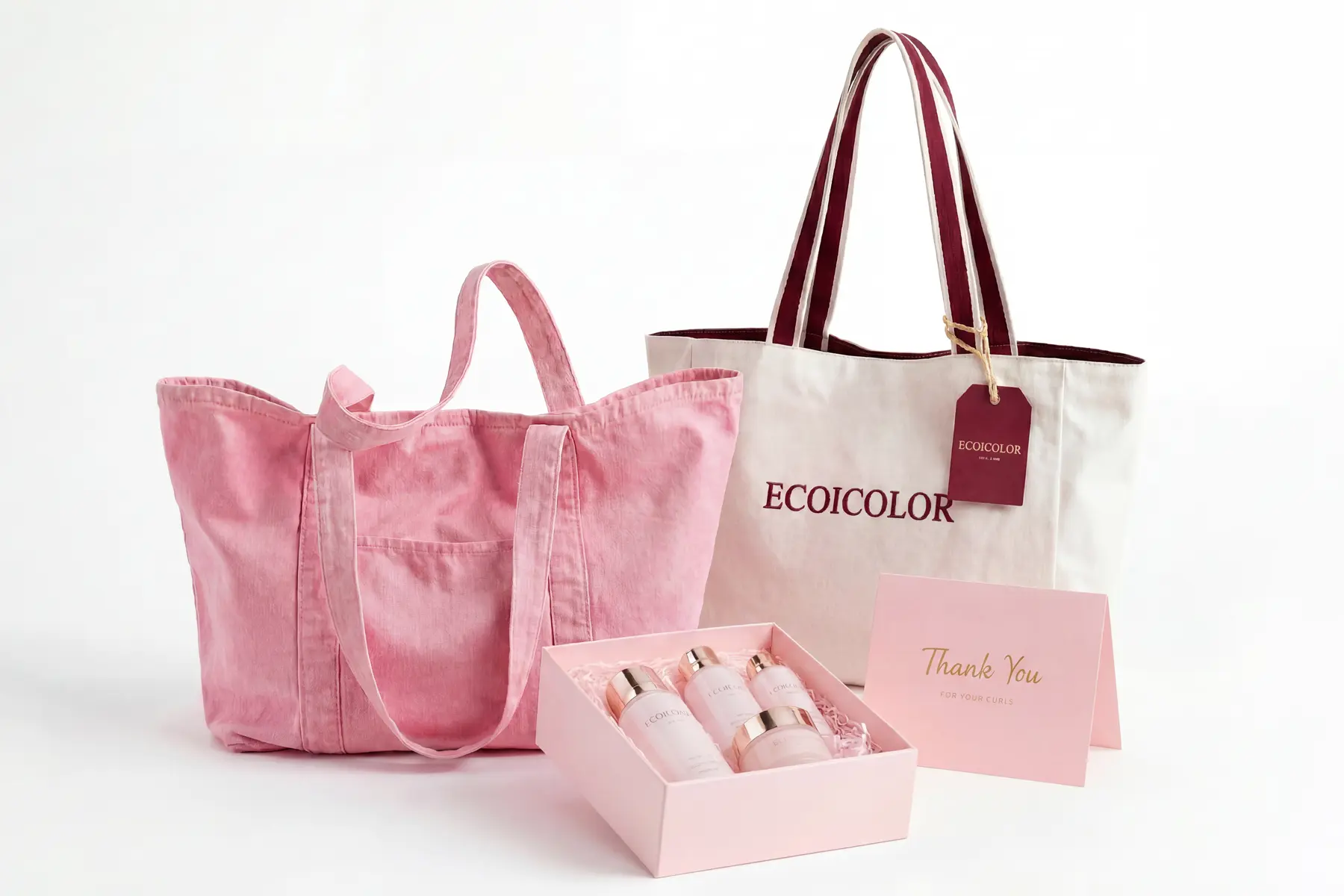
A product-set carrier must be approved while filled
Send the product list or dimensions before the tote size is finalized. Load representative items into the sample and check opening width, gusset, handle drop, balance and logo visibility. A flat empty tote can pass visual review while failing the actual brand presentation.
Size, gusset and handle drop are useful only when the filled presentation is approved.
- contents fit
- filled-bag shape
- logo visibility
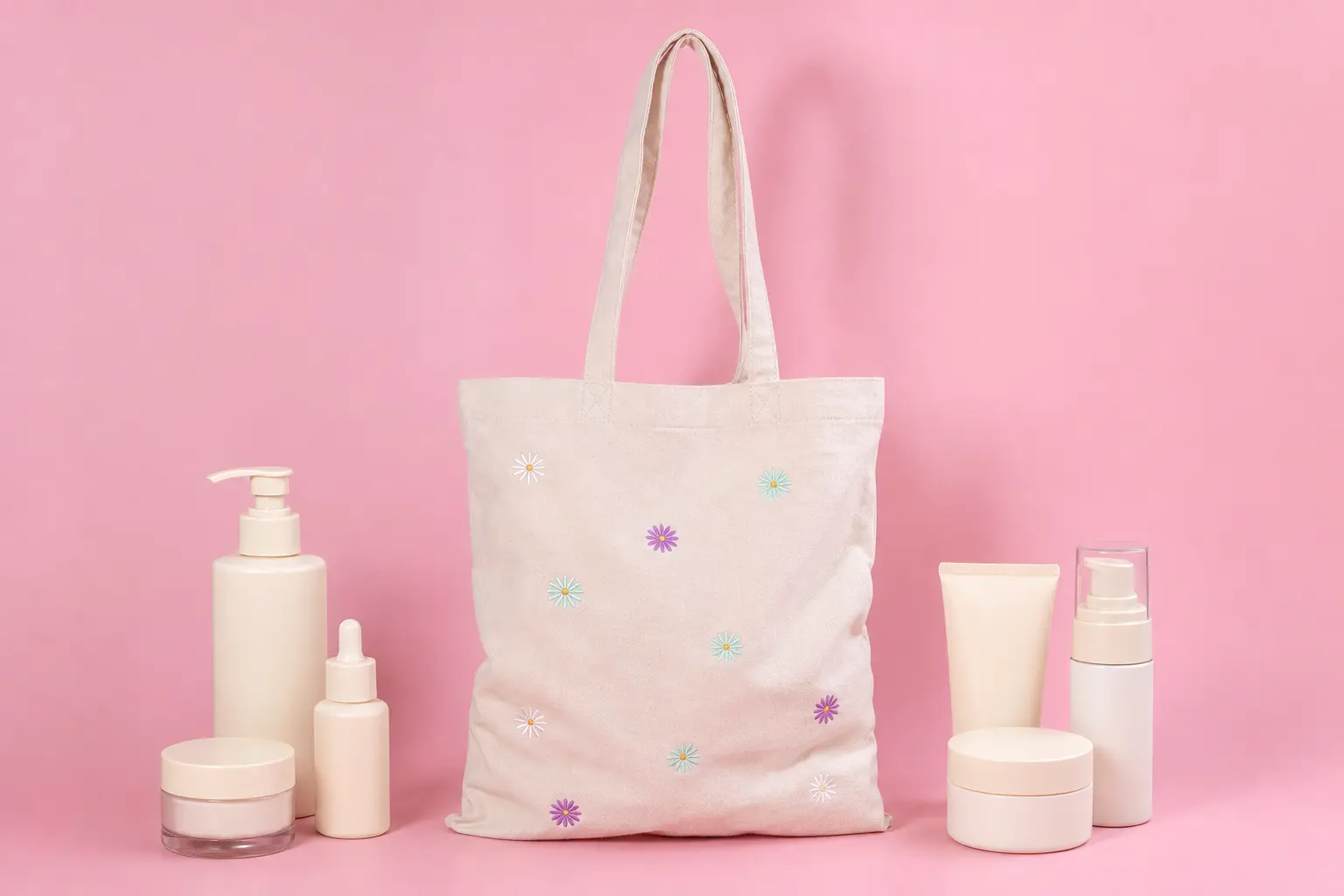
Material follows the job of the bag
A lightweight route may suit efficient campaign distribution; structured canvas may support retail or heavier contents; recycled-content or organic routes may require project-specific document review. Do not choose from a material name alone. Define handfeel, structure, print result, intended load and claim wording before sampling.
Do not ask the supplier to choose from photographs alone; define the performance and presentation target.
- target handfeel
- load and structure
- document scope
One follow-up round can make the request quote-ready
| Question | Decision unlocked |
|---|---|
| Is it gifted, sold or packed with products? | Product route and approval evidence. |
| What goes inside? | Size, gusset, handle and load review. |
| How many and how many versions? | MOQ, setup and unit-price scope. |
| Where and when must it arrive? | Production and delivery calendar. |
| What artwork and packing are required? | Sample, label and packout file. |
Sample and QC should reflect the selected route
Inspection points should follow the buyer task: logo and count for a giveaway; labels and packout for retail; filled fit and structure for a product set. ISO 2859-1 sampling inspection [3] provides current acceptance-sampling context when a project uses a formal lot inspection. The order still needs defined defects, limits and evidence from the approved sample.
The same tote can have different carton volume and labor depending on flat bulk packing or individual retail packout.
- packing route
- carton assumptions
- delivery country and date
Who this brief is for
Best fit: brand, beauty, wellness, retail, hotel and event teams planning MOQ 500+ custom tote programs and willing to approve a sample before bulk.
Less suitable: personal gifts, one-piece requests or buyers who only ask for the lowest price without defining use, quantity or delivery.
Choose a focused review: Review Material Route or Plan Retail-Ready Tote.
FAQ
Why does the tote use case need to be stated before pricing?
Use case changes the specification behind the price. A high-volume giveaway may prioritize packing efficiency and delivery timing, while a retail SKU needs labels and repeat-order control. A product-set carrier needs content fit and presentation. Without the use case, suppliers may quote different assumptions even when the bag photos look similar.
What should a giveaway tote brief include?
State campaign or event type, quantity, distribution method, target material, logo visibility, items packed inside, carton destination and fixed arrival date. Also show version splits for locations or sponsors. These fields help the supplier review whether one sample and one production file can control the full campaign or whether separate versions are required.
What extra information is needed for a retail tote?
Add retail selling market, SKU or barcode needs, care and material labels, hangtag, individual packing, shelf or display presentation, carton mark and reorder expectation. Confirm which claims and documents are required for the specific project. A retail tote approval file should support both the first order and the next reorder without relying on old email threads.
How should a tote for a product set be sampled?
Load the actual products or representative items into the physical sample. Check opening width, gusset, handle drop, filled shape, logo visibility and whether boxes or bottles move during handling. If a pouch, card or insert is included, approve the complete set together so size and color decisions do not conflict later.
Can one tote design serve giveaway and retail programs?
It can, but the two routes may need different packing, labels, artwork versions or inspection records. State whether the same construction will be used and whether quantities split by channel. The supplier can then quote shared components and separate channel-specific work without treating the project as one undifferentiated order.
What is the minimum information for an initial supplier reply?
Provide intended use, product or contents, estimated quantity, delivery country, required date and any reference image. That is enough for the supplier to ask focused follow-up questions. Brand buyers usually complete the quote faster when artwork, target material, packing and sample expectations are also included in the first message.
Does MOQ 500+ apply to every use case?
MOQ 500+ is the standard starting point for project review, but feasibility still depends on material availability, color and artwork versions, structure and packing. A simple giveaway route may differ from a retail-ready or multi-item set. Send the version split early so MOQ is assessed against the actual production scope.
Sources
About the Author
 |
Zoe Yu is B2B Sales Manager at Ecoicolortote, supporting overseas brand buyers with custom tote RFQs, material and logo review, sampling, packing and bulk production coordination. |
Review Campaign PackoutView Custom Tote Product Hub