

 Zoe Yu
 Quick Summary
An AQL-style inspection checklist for custom tote bag bulk orders should start from the approved standard sample. Ecoicolortote checks size, color and stitching during production and before packing. After full inspection and packing, the QC lead samples finished cartons, checks carton marks and issues quality reporting. Minor issues such as long thread ends can be corrected, while functional problems such as stuck zippers must be reworked before shipment.
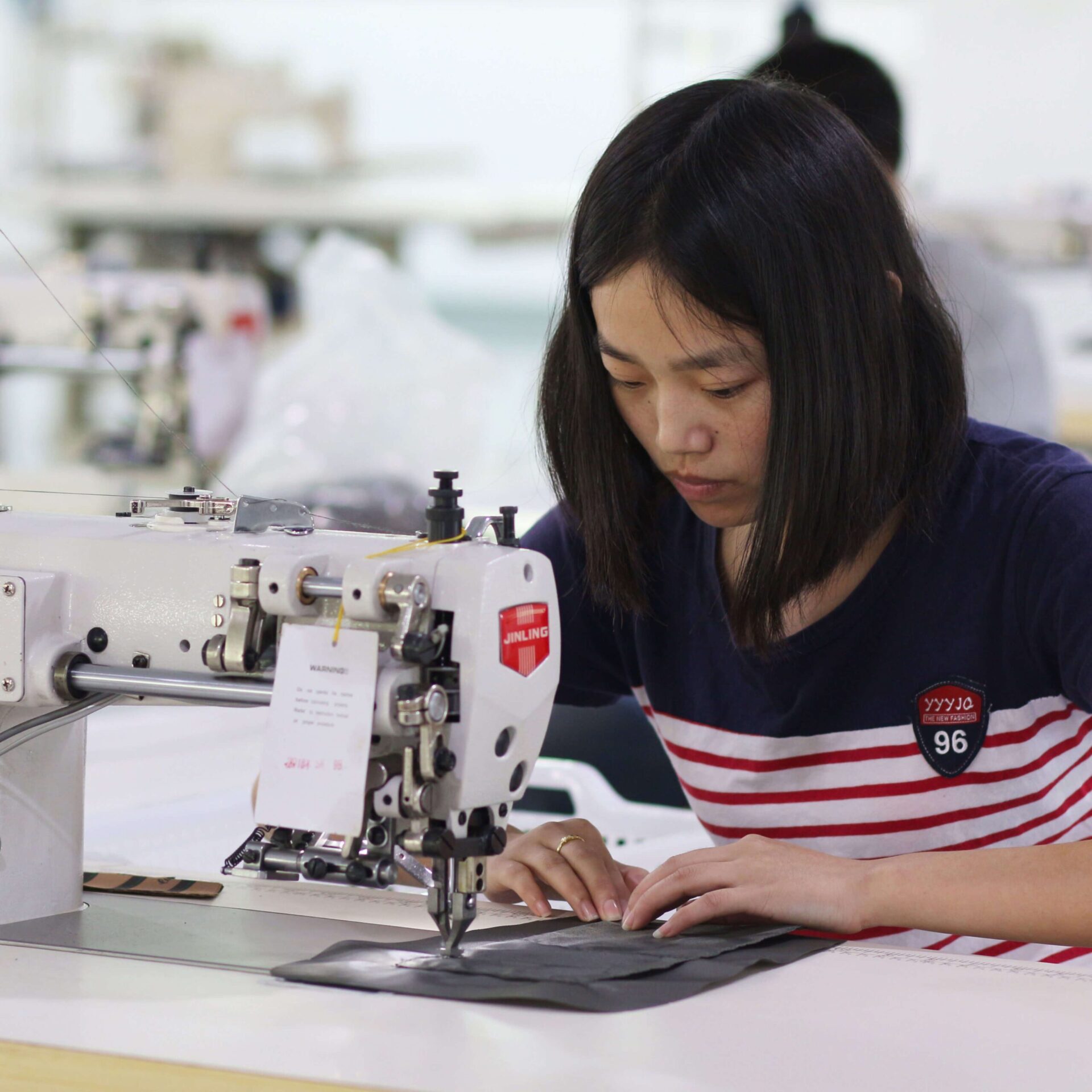
Table of contents
How this AQL checklist differs from sample approval and packaging guides
The pre-production sample approval checklist helps buyers confirm the standard before production starts. This AQL inspection route focuses on what happens after bulk production begins: production patrol checks, full inspection before packing, and final sampling inspection before shipment. It also links quality findings back to the approved standard sample.
For packaging-specific files, use the custom tote bag packaging and labeling guide. For structure details, use custom tote bag structure details. This page is for buyers who need to understand how Ecoicolortote checks bulk tote quality before a private label, GWP, retail or hospitality shipment leaves the factory.
Bulk tote bag inspection flow
Ecoicolortote does not treat inspection as a last-minute event. Bulk production is checked against the approved standard sample. During production, QC patrol checks look at sewing, workmanship and consistency. Before packing, the goods are fully inspected against the standard version. After packing, the QC lead performs sampling checks on bulk quality, packaging, carton marks and shipment readiness.
| Stage | Ecoicolortote check | Buyer value |
|---|---|---|
| Production patrol | QC checks sewing, color, workmanship and obvious defects during production. | Problems can be corrected before they spread across the order. |
| Before packing | Goods are fully checked against the approved standard sample. | The packing team should not pack unqualified pieces. |
| After packing | QC lead samples packed goods, carton marks and shipment details. | Final report can reflect both product and packing readiness. |
When buyers discuss sampling inspection, ISO 2859-1:2026 covers sampling procedures for inspection by attributes1. For AQL-indexed attribute sampling, ASTM E2234 is a direct reference for sampling by attributes indexed by AQL2. Ecoicolortote still frames the actual standard around the approved sample, buyer file and agreed inspection requirement.
What Ecoicolortote checks before shipment
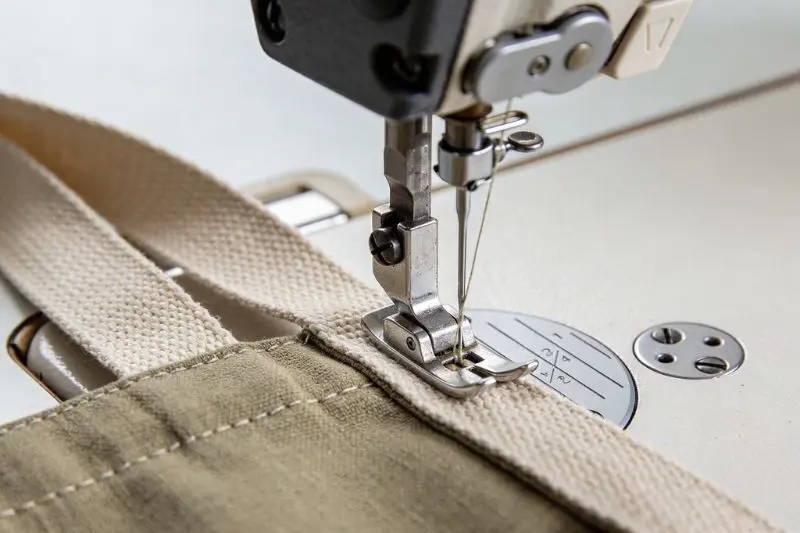
The core product checks are size, color and stitching. Size confirms that the tote still follows the approved dimensions. Color confirms that body fabric, lining if used and logo color are consistent with the agreed reference. Stitching confirms handle strength, seam quality and visible workmanship. Final approval still depends on the physical sample, buyer file and material route.
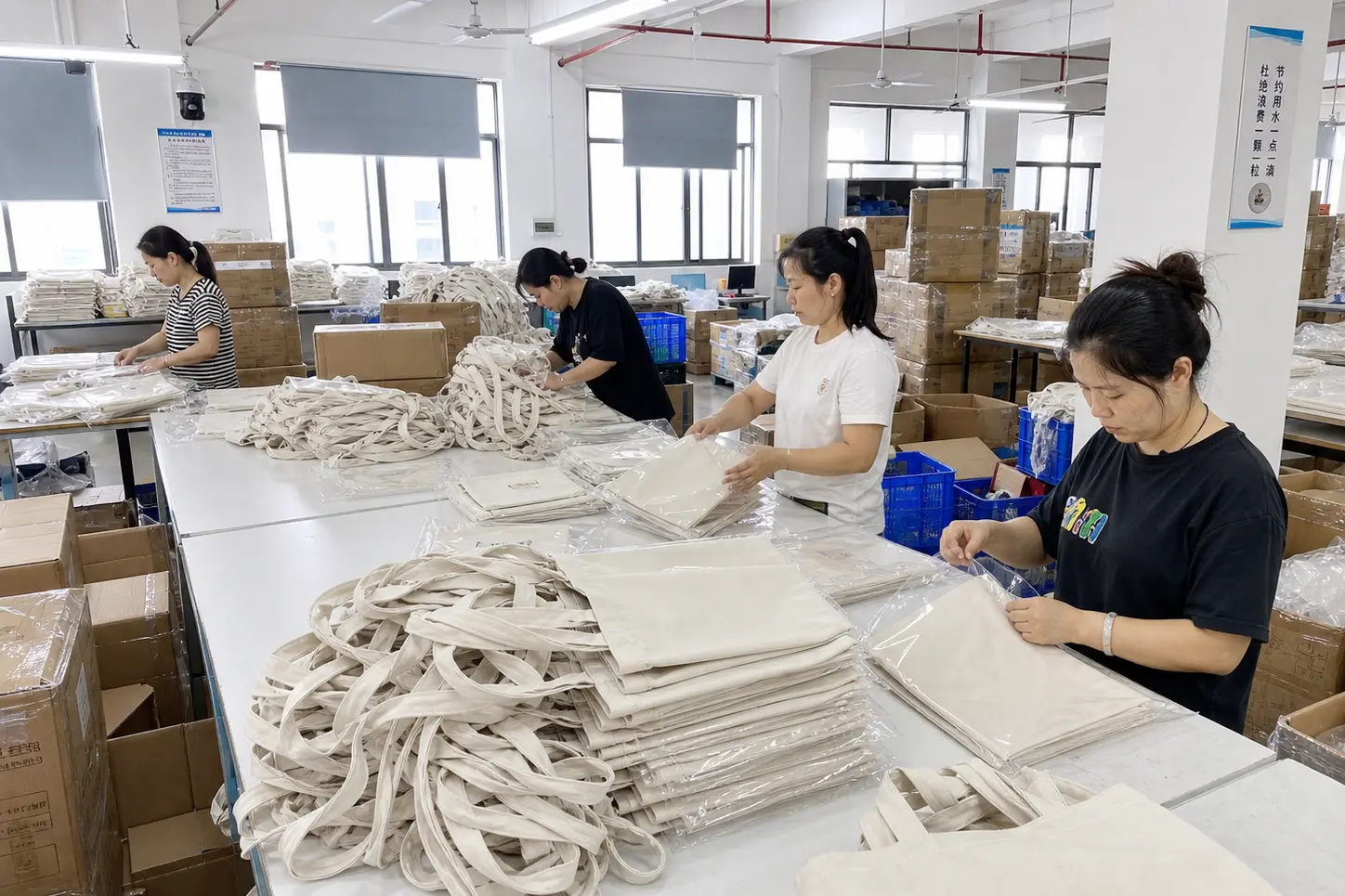
Packaging is checked after the full inspection stage. Carton marks, polybags, hangtags, labels and packing quantities need to match the buyer file. When buyers also need transit packaging validation, ISTA test procedures are a packaging-focused reference for distribution and transport testing3. When carton handling marks are involved, ISO 780 provides pictorial marking guidance for handling packaged goods4. This helps buyers separate product defects from receiving, packaging or warehouse issues.
Minor and serious defects in tote bag QC
A common minor issue is a long thread end. It affects appearance and should be trimmed before packing, but it is usually not the same level as a functional failure. A serious issue is something that affects use, such as a stuck zipper, broken handle, wrong size, wrong logo version or packing mix-up. Functional issues must be reworked because they can affect the buyer's customer experience.
Minor but still corrected
Long thread ends, light cleaning marks, uneven trimming or packing presentation issues should be corrected during full inspection before shipment.
Serious and not acceptable
Stuck zipper, weak handle, wrong logo, wrong color, wrong carton mark or mixed SKU packing can block shipment until corrected.
How buyers should describe AQL or inspection requirements
Ecoicolortote should not guess a buyer's acceptance level. Some buyers use their own inspection checklist, some use a retailer standard, and some discuss AQL-style sampling. A safe RFQ should say whether the buyer has a required inspection standard, what defects are critical, what counts as major or minor, and whether a third-party inspection is needed.
If logo files, packaging files or inspection levels are part of the requirement, the buyer file should name the inspection standard, defect classes and approval reference in plain language. The better the buyer file, the easier it is for sampling, factory and QC teams to check the same standard.
Why quality is made during production, not created by final inspection
Ecoicolortote's practical view is that good quality is not inspected into the goods at the end. It is built during production. If full inspection finds too many defects, the factory must correct the process and return qualified goods to QC. If final sampling ever found that the earlier standard was not followed, QC would rework and sort the goods again. In normal operation, production patrol and full inspection should prevent that situation.
Best fit for this inspection route
This route fits brand buyers, private label operators, retail launch teams, GWP campaign buyers and hospitality buyers ordering MOQ 500+ custom tote bags where the approved sample is already clear and the buyer wants production, packing and pre-shipment checks. It is especially useful when the order includes multiple colors, logo versions, packaging routes, carton marks or delivery destinations that need clean QC communication.
Less suitable fit for this inspection route
This route is less suitable for buyers who refuse sample approval, cannot define what counts as a defect, or expect inspection to replace a clear production standard. It is also not a match for single-piece personal gifts, no-brand consumer orders, lowest-price-only requests, or urgent orders that do not allow time for patrol checks, full inspection and final shipment review.
Thread-End and Packing Inspection Checklist
Disclosure: This is a planning checklist, not a customer case or reported project result.
- Define acceptable thread trimming around handles, side seams and opening edges.
- Check patrol inspection, full inspection and final packing stages against the approved sample.
- Record defect classification and the agreed AQL scope before inspection begins.
- Do not release packing until presentation defects and corrective actions have documented owners.
FAQ: AQL inspection for custom tote bag bulk orders
Does Ecoicolortote use AQL for every custom tote bag order?
Ecoicolortote does not force one fixed AQL number into every order. Inspection can follow the buyer requirement, retailer standard or agreed sampling standard. The important point is to define the approved sample, inspection stage, defect level and reporting expectation before shipment, so the factory and QC team are not guessing.
What does Ecoicolortote check during bulk tote bag inspection?
Ecoicolortote checks size, color, stitching, workmanship, logo result, packaging and carton marks. Production has QC patrol checks, packing is done after full inspection, and the QC lead performs final sampling on packed goods. The approved standard sample is the core reference for deciding whether bulk output is acceptable.
What is the most common minor defect in custom tote bag production?
A common minor defect is a long thread end. It should still be corrected before packing because it affects presentation, especially for retail-ready or GWP projects. However, it is different from a functional issue such as a stuck zipper, broken handle, wrong size or wrong logo version, which can block shipment.
What defects must be reworked before shipment?
Functional or buyer-facing serious defects must be reworked before shipment. Examples include stuck zippers, weak handles, wrong logo version, wrong body color, wrong size, mixed packaging, incorrect carton marks or packing that does not match the buyer file. These problems can affect use, receiving, store allocation or customer experience.
When does inspection happen in the production process?
Inspection is not only at the end. Ecoicolortote uses production patrol checks while goods are being made, full inspection before packing, and final sampling inspection after packing. This flow helps identify problems early, correct defects before carton sealing and confirm packaging and shipment details before delivery.
What should buyers send before asking for inspection requirements?
Buyers should send the approved sample reference, product specification, logo file, color reference, packing method, carton mark requirement, delivery market, quantity split and any retailer inspection rules. If a buyer has a specific AQL requirement, third-party inspection rule or defect classification, that should be shared before production starts.
Why is quality not created by final inspection alone?
Final inspection can catch problems, but it cannot replace good production control. Ecoicolortote treats quality as something made during production through clear standards, patrol checks, full inspection and factory correction. If too many defects appear, the factory must fix the cause and return qualified goods to QC, not rely on final sorting alone.
Buyer verification links
For standard sample control, review pre-production sample approval. For sample review, use custom tote bag sample evaluation. For structural checkpoints, review structure details. For packaging and carton marks, use packaging and labeling.
About the Author

Trademark and certification note
BSCI, Sedex, SMETA, GRS, OEKO-TEX, ISO, ASTM, ISTA, FSC and other certification, audit, testing, packaging or standard names belong to their respective organizations. This buyer-side sourcing article does not claim that every product, material, order, package or shipment automatically carries every listed certification or test result. Buyers should confirm current document validity, certificate scope, material coverage, test method, claim wording and shipment responsibility before finalizing quotation or bulk production.
Sources
- ISO 2859-1:2026 covers sampling procedures for inspection by attributes. ↩
- ASTM E2234 is a direct AQL-indexed attribute sampling reference. ↩
- ISTA test procedures support packaging and distribution testing discussions. ↩
- ISO 780 covers pictorial marking for handling packaged goods. ↩
- ISO 9001 quality management overview
- FTC Green Guides - environmental claims summary