Zoe Yu
Custom tote bag structure details decide whether a tote only looks right in a mockup or actually works for the buyer's project. Handles, gussets, closures, pockets, reinforcement and sample fit decisions can change capacity, comfort, logo placement, packing volume, MOQ planning and bulk production risk.
TL;DR: Custom tote bag structure should start from real use, not only front-view size. Buyers should confirm intended contents, carrying style, handle drop, gusset type, closure route, material support, logo area, packing method and sample fit before approving bulk production. The same width and height can behave differently once handle length, bottom depth, zipper, reinforcement or fabric weight changes, so physical sample review is essential.
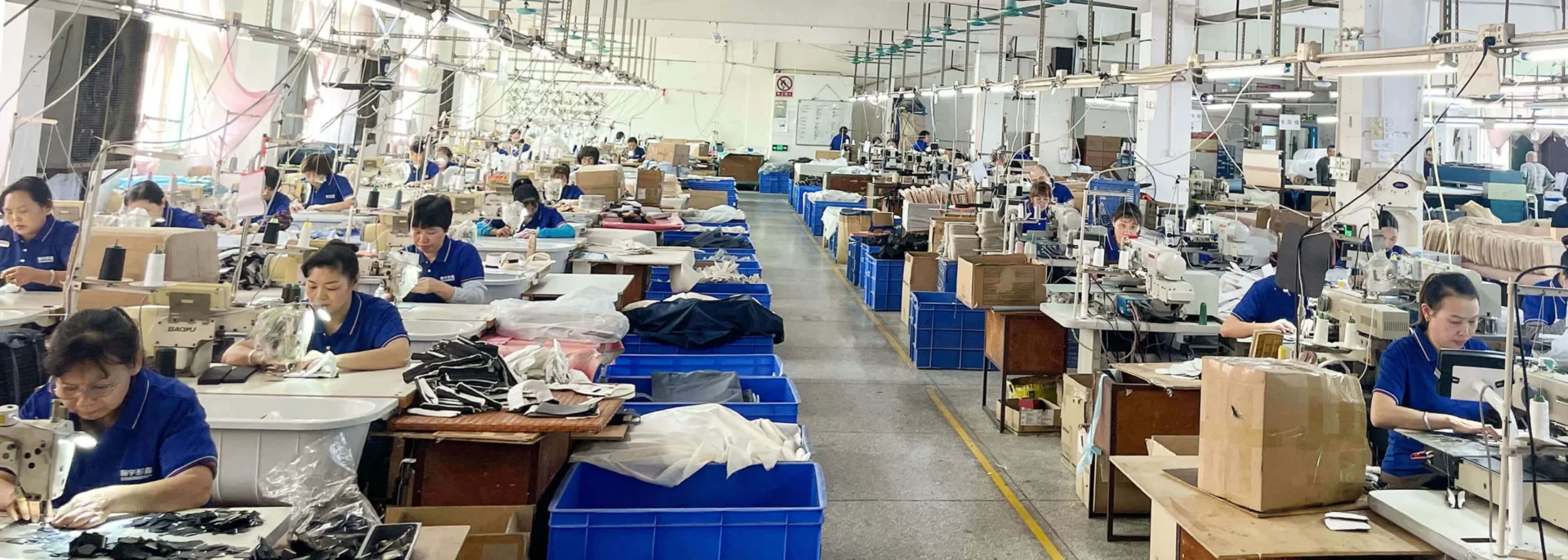
From our factory side, structure is the bridge between design and real use. A flat front-view drawing may show width, height and logo position, but it does not prove whether the tote can hold a gift box, sit neatly with product bottles, carry comfortably on the shoulder, close smoothly with a zipper or fold efficiently for shipment. That is why structure choices should be confirmed before sampling, not after the first sample already looks attractive.
Ecoicolortote is a better fit for MOQ 500+ brand projects where the buyer can share the use case, intended contents, size target, material direction, handle preference, gusset need, closure requirement, packaging route and delivery timeline. Buyers can compare commercial routes through our customization options, totes with zipper, large and XL totes and private label totes before locking the structure route.
Buyer Summary
- Best for: brand buyers planning retail totes, GWP bags, hotel welcome totes, event totes, large gift totes or zipper travel totes from 500 pcs per style.
- Main decision: choose structure from real use: what the tote carries, how it is carried, whether it needs a gusset, and whether a closure adds value.
- Factory-side note: handle drop, gusset type, closure, material support, logo area, packing volume and sample fit should be confirmed before bulk approval.
- What to prepare: product dimensions, intended contents, carrying style, handle preference, gusset need, closure requirement, material direction, packaging route and timeline.
Best fit for this structure guide
This guide is best for MOQ 500+ brand projects where handles, gussets, closures, reinforcement, product fit and packing volume must be confirmed before sampling or bulk approval.
This guide is best for brand buyers planning MOQ 500+ retail totes, beauty GWP bags, hotel welcome totes, event totes, large gift totes, zipper totes or travel-style custom tote projects. It is especially useful when the buyer needs to decide whether the tote should be flat, gusseted, box-shaped, zipper-closed, shoulder-friendly, reinforced, foldable or structured enough to carry real products.
The strongest fit is a team that can share product dimensions, intended contents, carrying style, material direction, handle preference, packaging route and launch timing before sampling, because those details decide whether the structure will actually work in use and avoid late sample rework.
What should buyers confirm before sourcing a custom tote bag structure guide?
Buyers should confirm carrying style, product dimensions, handle drop, gusset need, closure option, material support, logo placement and whether the tote must fold flat or stand with contents. The same width and height can behave very differently once handle, gusset, closure and material structure change.
A 35 cm wide tote with no gusset is not the same product as a 35 cm wide tote with a 10 cm bottom gusset. A clean short handle may look good in a mockup but fail for shoulder carry. A zipper can improve security, but it can also reduce opening comfort and add sample checks. The right structure is the one that supports the campaign, not the one that adds the most features.
If your team is unsure, send the intended contents and use case first. Ecoicolortote can review the structure route before the sample pattern is locked.
How is structure detail different from closure, handle and gusset guides?
This page connects handles, gussets, closures, pockets and reinforcement into one structure decision. A closure guide focuses on open top, zipper, snap and drawstring choices; a size guide focuses on dimensions; this structure guide explains how those parts work together before sampling.
The custom tote bag closure options guide is better when the main question is open top versus zipper, snap, button or drawstring. The standard tote bag sizes guide is better when the buyer needs dimension logic. This page is for the combined decision: size plus handle, gusset, closure, material support, logo area and packing result.
The custom tote bag manufacturing process page explains how a project moves through brief, sampling, production, QC, packing and shipment. Structure planning happens earlier. It decides what the sample needs to prove.
Which brand projects need handle, gusset and closure decisions?
Retail, GWP, hotel, event, large gift and travel tote projects all need structure decisions, but the priority changes by use case. Retail cares about product feel, GWP cares about gift fit, hotel cares about guest use, events care about fast handout, and travel totes often care about closure and shoulder comfort.
| Project type | Structure priority | Buyer question |
|---|---|---|
| Retail tote | Product feel, repeat use, label placement and finishing | Will this feel like a product someone would buy? |
| Beauty GWP | Capacity, gift value, product fit and cost control | Can it hold the set without looking oversized or weak? |
| Hotel welcome tote | Clean appearance, practical carry and room-use experience | Will guests use it comfortably during the stay? |
| Event tote | Lightweight capacity, fast distribution and print visibility | Does it hold materials without unnecessary structure cost? |
| Large or XL gift tote | Load support, bottom width, handle comfort and carton volume | Can the handle and bottom support the real contents? |
| Travel or zipper tote | Closure security, shoulder carry and multi-use feel | Does the closure improve real use or only add cost? |
What do buyers often misunderstand about tote bag structure?
The most common mistake is treating structure as decoration. Buyers may confirm fabric, logo and front size, but forget how the tote will be carried, what it must hold and whether it needs a bottom, zipper, pocket or reinforcement.
- Handle too short: A tote that looks neat on a table may feel awkward on the shoulder.
- Gusset missing: Product sets, boxes or bottles may not sit well in a flat tote.
- Closure added late: A zipper, snap or flap can change pattern, cost and sampling time.
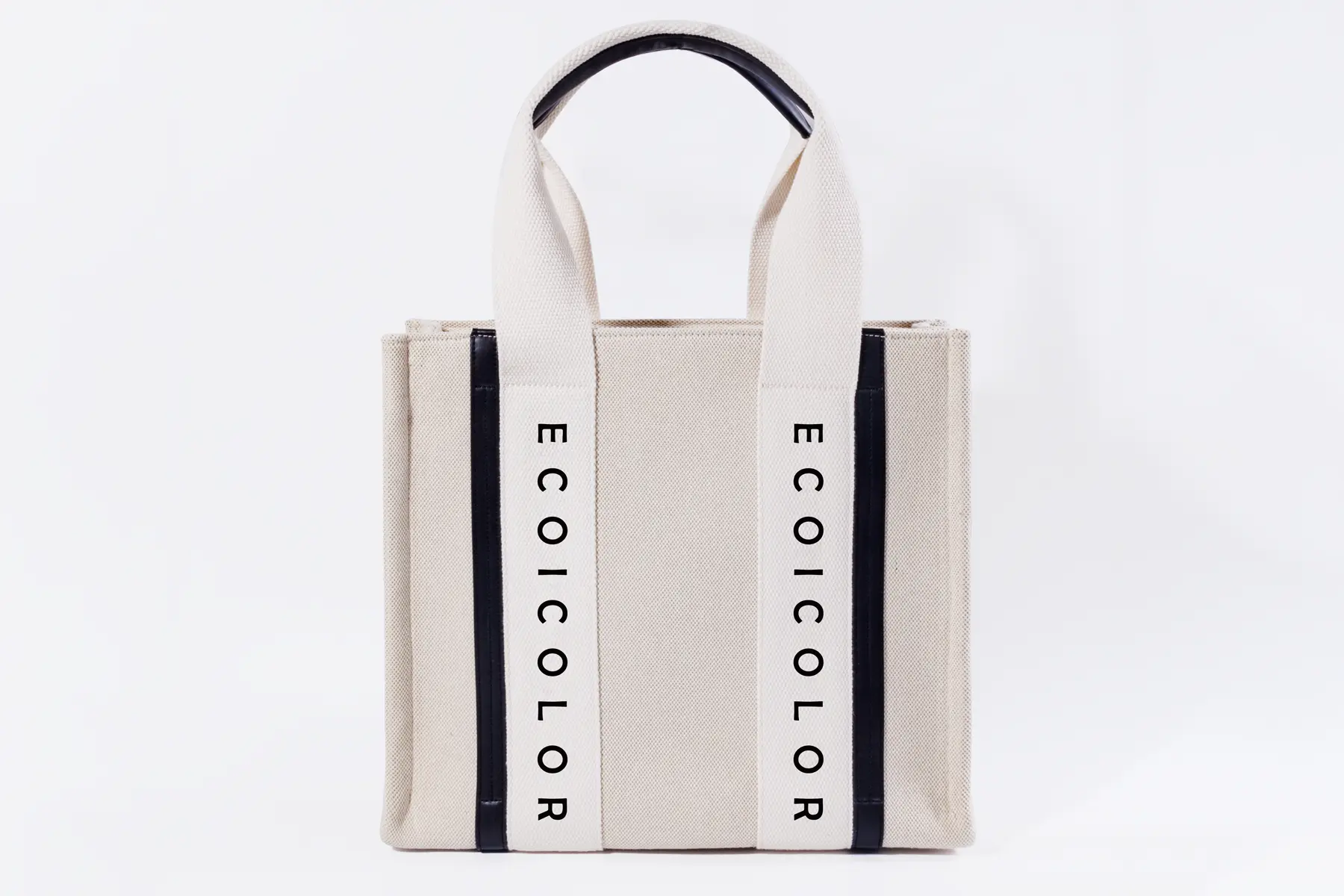
- Logo area blocked: Handle roots, zipper lines and gusset seams can reduce print space.
- Carton volume ignored: Wide gussets and structured bottoms can increase packing volume.
How should buyers choose tote bag handles?
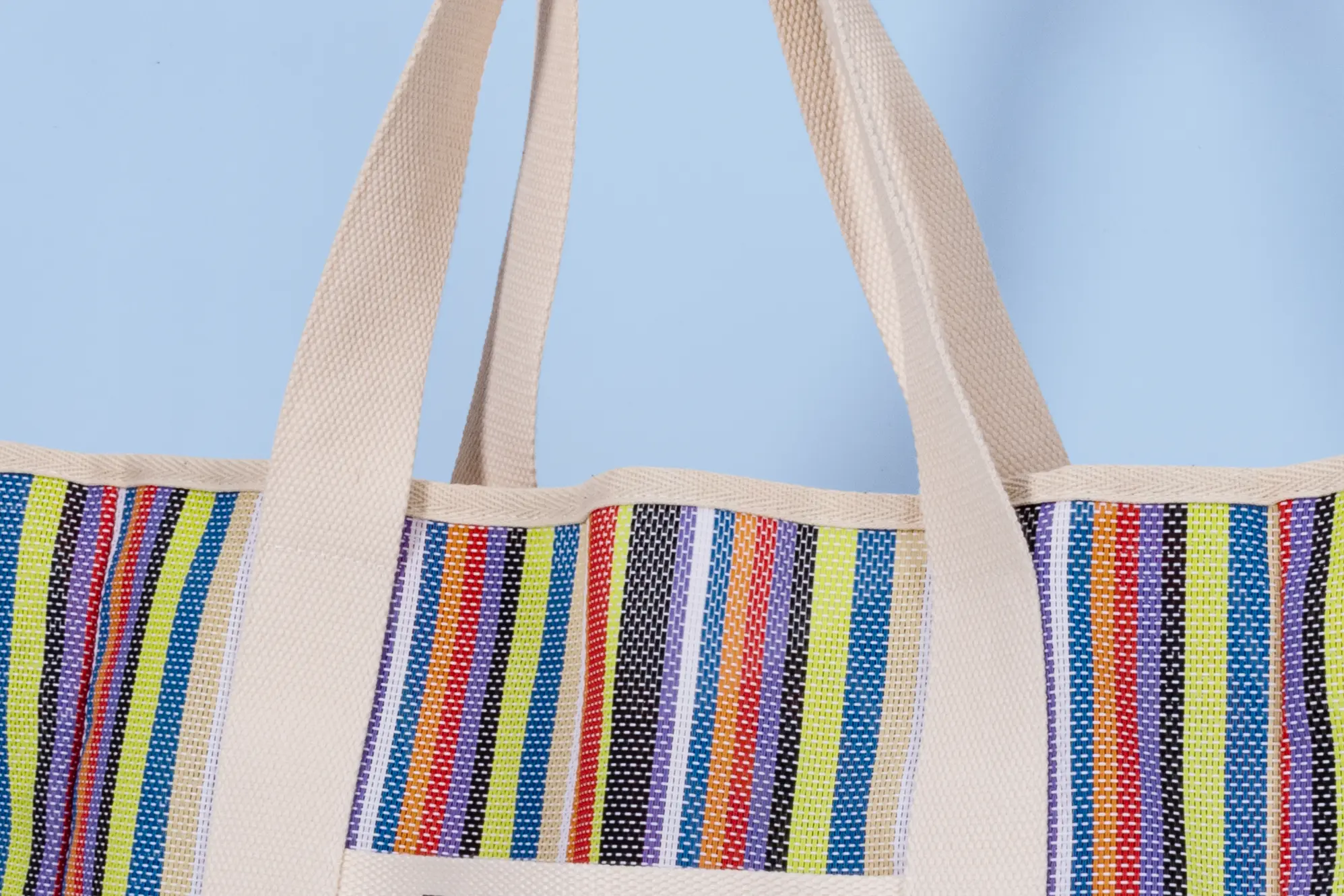
Tote bag handles should be chosen from carrying style first: hand carry, arm carry, shoulder carry or multi-use. Handle type, handle length, handle drop and reinforcement can change comfort, cost, sample review and brand feel.
A short handle can look clean but may not work for shoulder carry. A long webbing handle can be practical but may change the bag's proportions. Rope handles can support resort or gift presentation, while padded handles or adjustable straps may fit heavier or travel-oriented projects.
| Handle type | Best-fit use | Buyer check |
|---|---|---|
| Self-fabric handle | Basic brand tote, canvas tote, simple GWP | Check stitching, width, handfeel and visual consistency. |
| Webbing or cotton webbing handle | Retail, hotel, event or practical reusable tote | Check color, width, strength and attachment style. |
| Rope handle | Gift feel, resort style or special presentation | Check knot, end finish, comfort and carton packing. |
| Padded handle | Large tote or heavier gift contents | Check comfort, bulk, cost and sample lead time. |
| Adjustable strap | Travel or multi-carry project | Check hardware, strap length, load, MOQ and cost impact. |
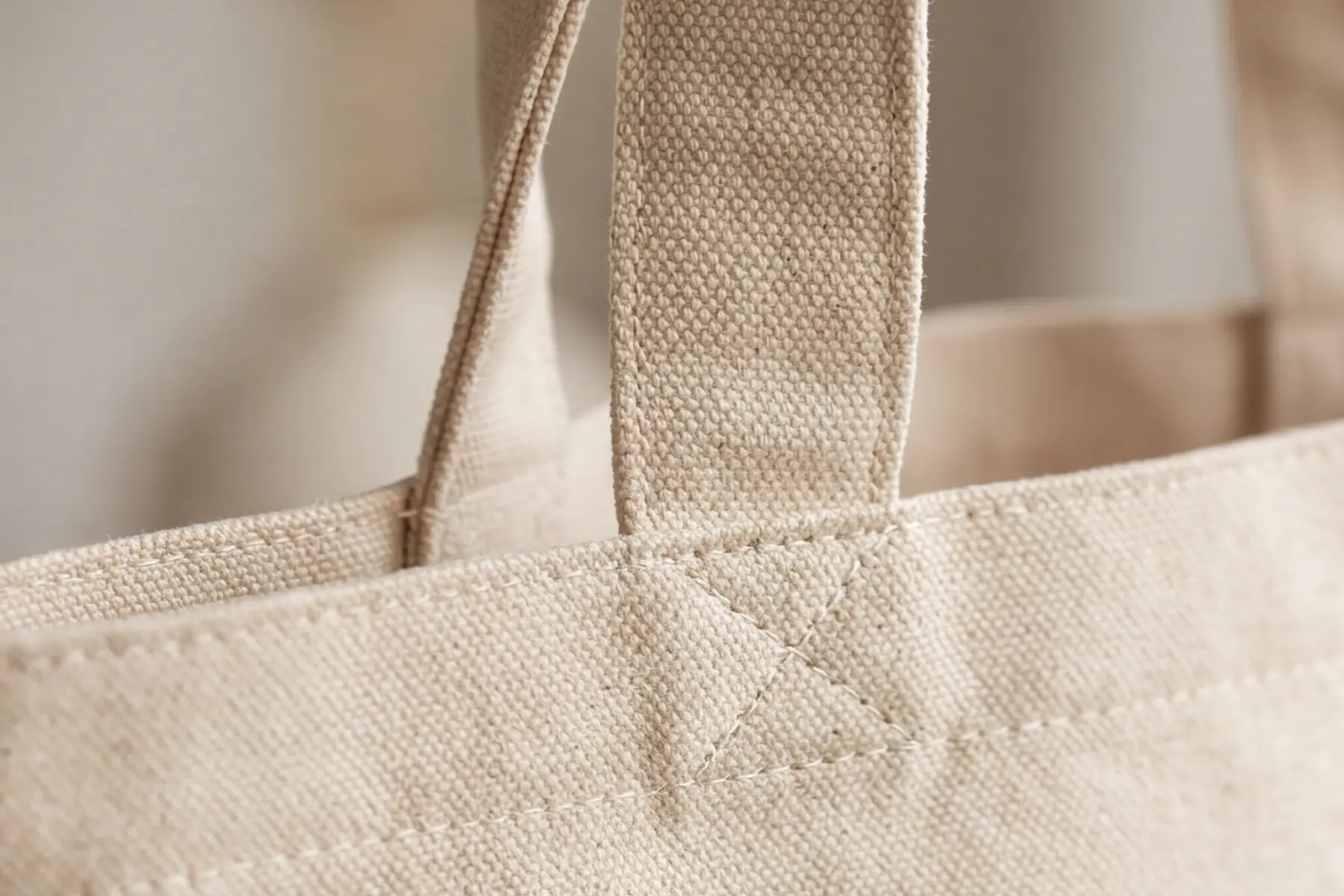
Handle reinforcement also matters. Bar tack, X-stitch, box stitch, reinforced patch or extra stitching can improve perceived strength, but the right method depends on material, handle type and intended load. Do not publish a fixed load claim before material, stitching and sample testing are confirmed.
How should handle length and handle drop be judged?
Handle length is the total handle piece. Handle drop is the vertical space from the top opening to the highest point of the handle when lifted. Buyers usually judge handle drop more easily because it connects directly with hand, arm and shoulder use.
| Carrying style | Typical handle logic | Risk if ignored |
|---|---|---|
| Hand carry | Shorter, cleaner handle proportion | May not work if shoulder carry is expected later. |
| Arm carry | Medium drop for casual use | Can feel awkward if product contents are heavy. |
| Shoulder carry | Longer drop with enough room and comfort | Too short underarm clearance makes the tote unpleasant to use. |
| Travel or multi-use | Longer handle, webbing or adjustable strap may be considered | More hardware and strap detail can add cost and sample complexity. |
How should buyers choose a tote bag gusset?
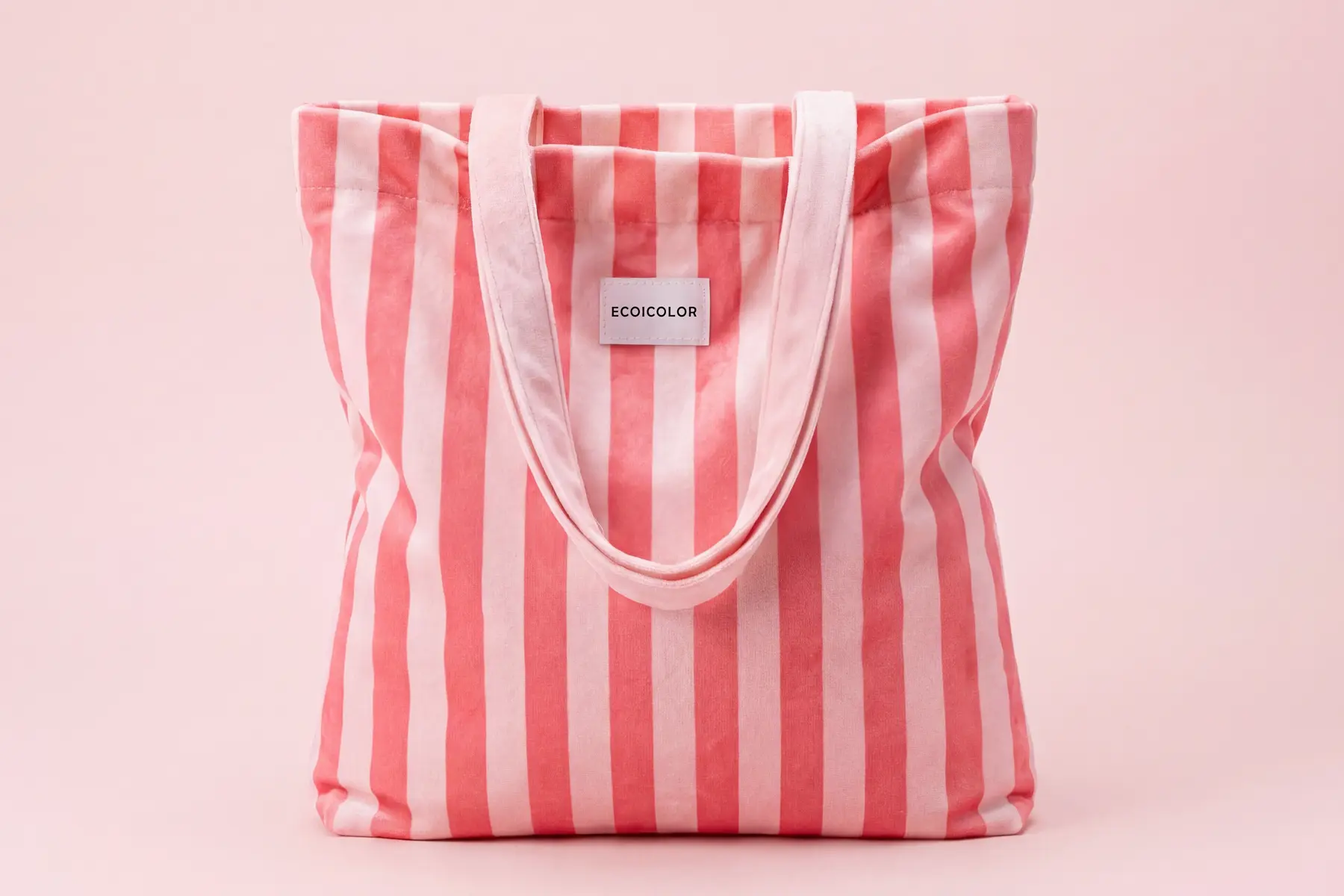
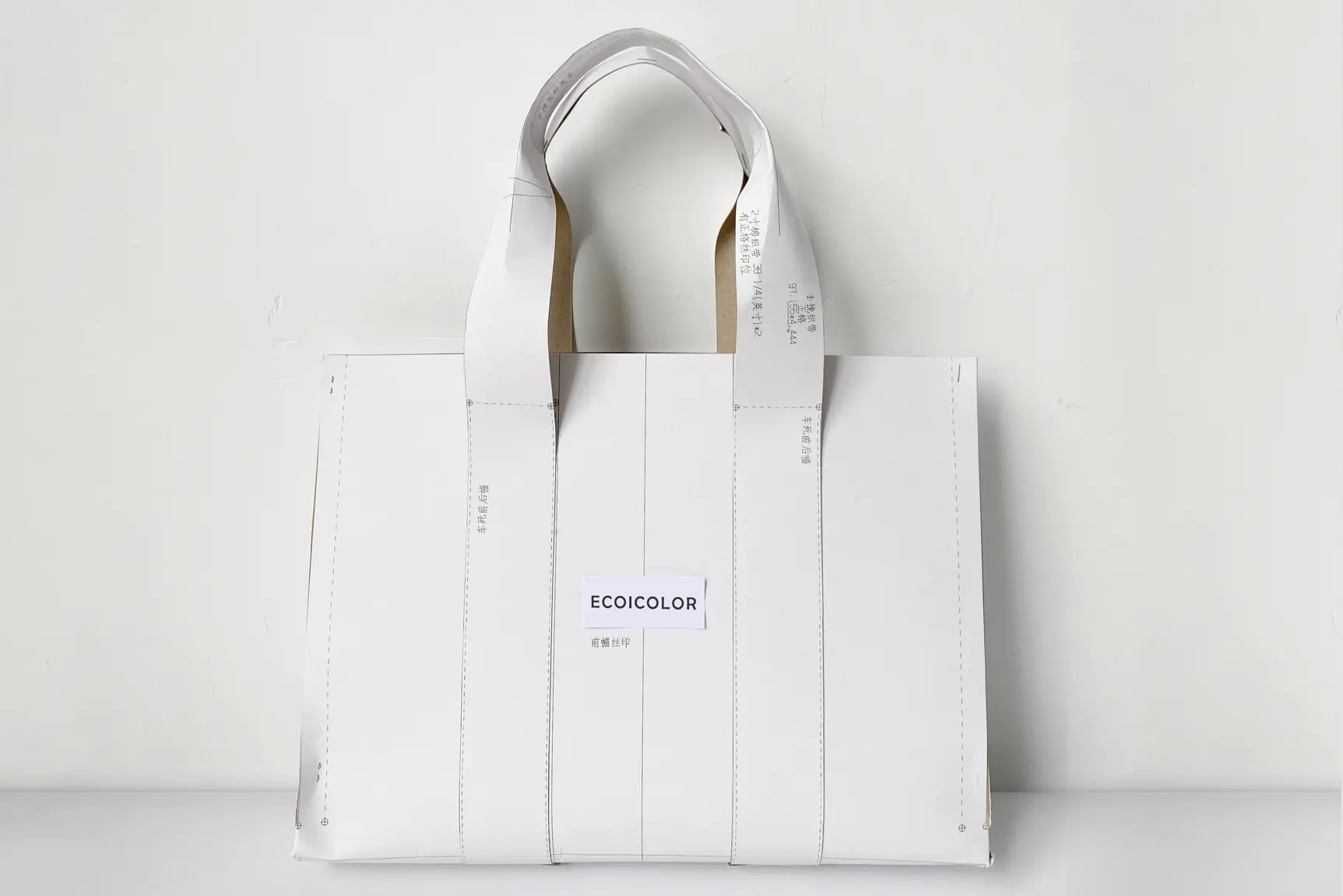
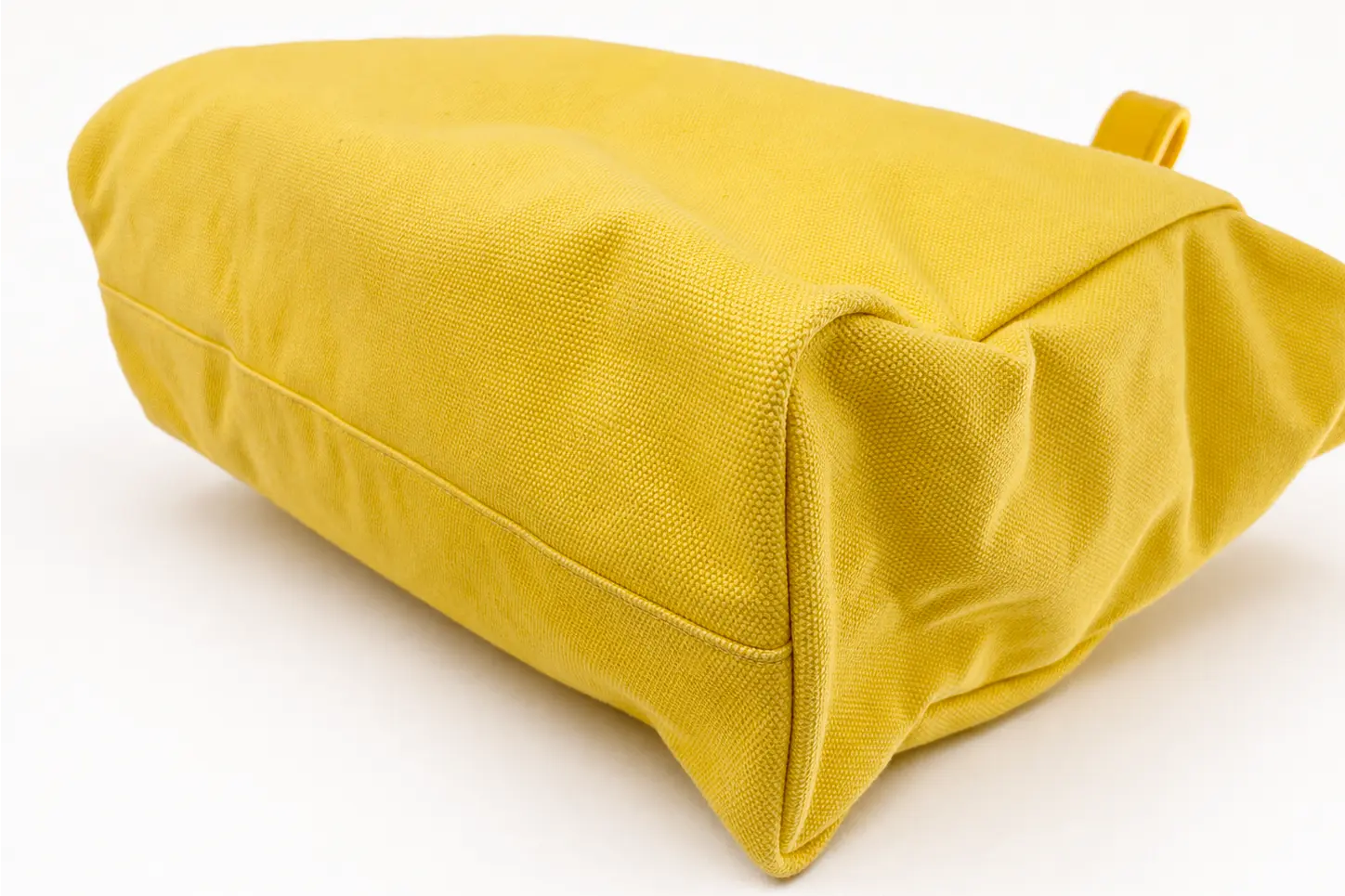
A tote bag gusset adds depth and changes capacity. No gusset keeps the tote flatter, a bottom gusset helps product sets sit better, a side gusset adds flexible volume, and a box gusset creates a more structured retail or gift shape.
Wide gussets can help with gift boxes, bottles, clothing or product sets, but they also change folding and carton volume. Buyers should measure the contents before sampling instead of judging from front width and height only.
| Gusset type | Best-fit use | Buyer check |
|---|---|---|
| No gusset | Flat documents, light event handout, simple giveaway | Confirm contents are thin and do not need standing space. |
| Bottom gusset | GWP, retail, hotel gift, product sets | Check product thickness and whether the tote should stand better. |
| Side gusset | Flexible capacity, soft goods, larger contents | Check side proportion and folding behavior. |
| Box gusset | Retail, premium gift or structured tote | Check shape, stitching, bottom support and carton volume. |
| Wide gusset | Large gift set, apparel, resort or bulky product kit | Check handle load, bottom width and packing cost. |
How should product contents guide gusset choice?
The cleanest way to choose gusset is to start from the real contents. Beauty sets, hotel gifts, conference materials, apparel, towels and travel items do not need the same bottom depth or folding behavior.
A beauty set may need a bottom gusset so the product carton sits neatly. A hotel welcome tote may need enough depth for room items without looking bulky. A conference tote may not need a deep gusset if it only holds papers and samples. A large retail or resort tote may need a wider bottom, reinforced handles and stronger fabric.
| Contents | Likely structure direction | What to test |
|---|---|---|
| Flat documents or brochure | No gusset or shallow bottom gusset | Check print visibility and easy distribution. |
| Beauty bottles or jars | Bottom gusset or box gusset | Check product fit, standing shape and gift presentation. |
| Gift box | Bottom gusset with clear depth | Check box size, opening width and handle load. |
| Apparel or towel | Side or wider gusset may help | Check folding, softness and carton volume. |
| Travel items | Gusset plus closure may be useful | Check access, security and carrying comfort. |
How should buyers compare tote bag closure options?
Tote bag closure options include open top, zipper, magnetic snap, button, drawstring, hook-and-loop tape and flap. The right choice depends on whether the buyer values speed, security, retail product feel, gift presentation or simple cost control.
| Closure option | Best-fit use | Buyer check |
|---|---|---|
| Open top | Event tote, basic GWP, fast distribution, simple retail style | Check whether open access is acceptable for the use case. |
| Zipper | Travel, retail, premium gift, security-conscious project | Check zipper quality, opening width, cost and sample timing. |
| Magnetic snap | Clean look with light premium feel | Check material compatibility and whether closure strength is enough. |
| Button | Simple casual closure | Check usability, placement and brand tone. |
| Drawstring | Casual, sporty or specific style projects | Check cord, channel, opening and packing effect. |
| Flap | More structured or protective style | Check pattern changes, print area and material behavior. |
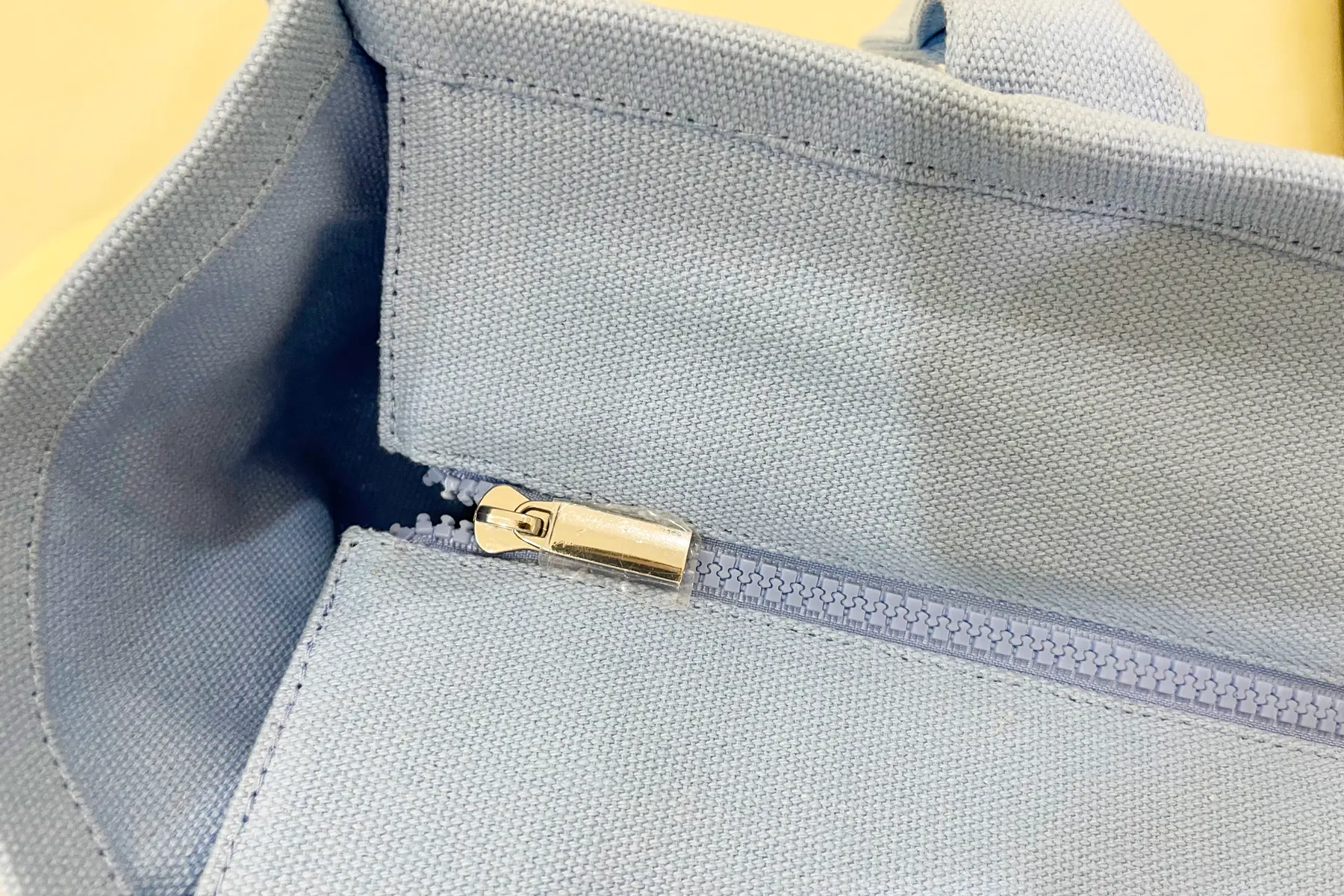
Zipper comparison should not replace the zipper product category. If a buyer already knows the project needs a zipper, the totes with zipper category is the stronger commercial page. Here, zipper is compared only as one closure route among several options.
How do handle, gusset and closure affect material and logo placement?
Structure and material should be planned together. A light fabric may fold neatly but fail to support a structured box gusset. Heavy canvas may improve retail feel but increase folding thickness, carton volume and freight planning.
A zipper or flap can limit top print space. Handle root positions can change logo placement. Wide gussets can move visual focus away from the front panel. If the tote has a zipper, flap, deep gusset, patch, label or reinforced handle, the print area should be reviewed after the pattern is clear, not on a flat rectangle only.
For textile safety discussions, OEKO-TEX STANDARD 1001 may be relevant depending on material and order scope. For labeling discussions, buyers can review FTC textile labeling guidance2 and FTC care labeling guidance3. These references help frame discussions, but the final requirement still depends on the actual product, market and buyer checklist.
| Structure detail | Material impact | Logo or packaging impact |
|---|---|---|
| Long webbing handle | Needs strong attachment and material compatibility | Handle root may reduce top logo area. |
| Wide bottom gusset | May need more stable fabric or bottom support | Carton volume and folding method may change. |
| Zipper closure | Requires compatible opening structure and zipper tape | Top artwork, inner label and packaging method may change. |
| Flap closure | Needs material that holds shape and stitch line cleanly | Front logo placement must avoid the flap seam. |
| Reinforced handle | May add patch, extra fabric or thicker stitching | Can become a visible brand detail if planned well. |

What MOQ and lead time should buyers expect for custom tote bag structure details?
At MOQ 500 pcs per style, the most common structure route is a basic handle, no gusset or simple bottom gusset, and open top or simple closure. More complex details can be workable, but they need earlier confirmation and sample review.
Adjustable straps, zipper, multiple closure details, reinforced handles, special hardware, box gussets, lining or bottom support can all affect sample time and production setup. A simple structure sample may follow a shorter route, while a multi-detail structure sample may need more time for pattern, trims, hardware and packing checks.
| Structure request | Why it adds complexity | When to confirm |
|---|---|---|
| Adjustable strap | Hardware, strap length, attachment and load need checking | Before sample pattern starts. |
| Zipper closure | Opening width, zipper tape and sewing route change | At RFQ or sample brief stage. |
| Box gusset | Pattern, bottom seam and standing shape need physical review | Before sample approval. |
| Reinforced handle | Stitching, patch and material layers can change look and cost | Before bulk production. |
| Special hardware | Availability, finish, color and MOQ may need separate confirmation | At RFQ stage. |
Changing handle, gusset or closure after sample approval can force pattern adjustment, sample remake, material recalculation and timeline review. For projects with a launch date, these details should be treated as early decisions. Buyers can also use the MOQ and timeline planning guide to connect structure choices with sampling and shipment timing.
What sample details matter most for custom tote bag structure?
Handle comfort, usable capacity, gusset function, closure feeling, logo visibility, packing volume and overall proportion should be checked on a physical sample with intended contents whenever possible.
Mockups cannot fully show how a tote hangs, folds, opens, closes or carries weight. A beauty brand should place the actual product set inside. A retail buyer should check how the tote hangs, folds and sits on display. A hotel buyer should check room presentation and guest usability. An event buyer should test whether the tote holds expected materials without unnecessary bulk.
- Opening width: Confirm gift boxes, bottles or folders can enter easily.
- Bottom width: Check whether contents sit neatly or collapse.
- Closure use: Open and close zipper, snap or button repeatedly.
- Logo visibility: Review print area after handle and closure are in place.
- Packing volume: Fold and pack the sample as it will ship.
The sample approval mistakes guide explains why physical review matters before bulk production.
What should be included in the RFQ?
A structure RFQ should include use case, intended contents, size, carrying style, handle preference, gusset need, closure requirement, material direction, target use scenario, quantity, packaging expectation and timeline.
If there are product dimensions, send them. If the tote must hold a gift box, bottle set, folder or apparel, send the actual product dimensions instead of asking the factory to guess. Words such as premium, strong and practical should become specifications: handle type, gusset, material, closure, reinforcement, foldability and sample approval standard.
| RFQ detail | What to send | Why it matters |
|---|---|---|
| Use case | Retail, GWP, hotel, event, travel or gift | Defines structure priorities. |
| Contents | Product dimensions, weight or intended items | Guides gusset, bottom and handle choice. |
| Carrying style | Hand carry, arm carry, shoulder carry or travel | Guides handle length and reinforcement. |
| Gusset need | No gusset, bottom gusset, side gusset or box gusset | Changes pattern, capacity and carton volume. |
| Closure need | Open top, zipper, snap, button, drawstring or flap | Changes pattern, cost and sample timing. |
| Packaging expectation | Flat pack, individual pack, retail pack or gift pack | Connects structure with packing and delivery. |
The custom tote bag RFQ checklist can help organize the brief before you send the project for review.
Structure approval checklist for a buyer brief
This is a planning checklist, not a customer case or testimonial.
- Actual contents: record the real products, dimensions, filled weight and carry method.
- Body structure: confirm width, height, gusset depth and the shape expected when filled.
- Handles: record handle drop, width, endpoints and root reinforcement.
- Closure and support: define zipper, snap, lining, insert, bottom board or other support before pattern approval.
- Logo after structure: recheck placement and distortion after gusset and handle roots are fixed.
- Pack-out: approve folding, piece count per carton, carton marks and any retail presentation.
A verified side-gusset record shows why this matters: a hard insert changed one 52 × 40 × 40 cm carton from 25 to 15 pieces and required 13 more cartons. The project record reports about 1.04 CBM and about US$1,600 additional freight, while the dimensional cross-check is 1.0816 CBM. Read the full bounded record; do not treat it as a universal packing rule.
Owner routing: use the Specialty route only when texture, trim, support or pack-out changes sample approval. Use Large & XL, closure / zipper or Foldable when that is the first buyer decision.
Less suitable fit for this structure route
This structure route is less suitable for very small quantity projects that require many complex structures, multiple closure methods, special hardware, adjustable straps and rush timing while still expecting the lowest possible cost.
It may also be less suitable for buyers who cannot share intended contents, carrying style, product dimensions, closure expectations, material direction or sample approval timing. Ecoicolortote is a stronger fit for MOQ 500+ brand projects where structure details can be confirmed before sampling and tested with real use in mind. Structure details are manageable when the buyer knows the use case and agrees to physical sample confirmation. They become risky when quantity is too small, versions are scattered and decisions keep changing after the approved sample should already be the production standard.
Why does Dongguan supply-chain coordination help with structure details?
Handle, gusset and closure decisions often involve fabric, webbing, zipper, hardware, stitching, reinforcement patches and packaging. Dongguan supply-chain coordination helps these details get reviewed together during sampling.
Ecoicolortote's Sales / PM workflow can turn vague requests into workable checks: what the tote carries, how it is carried, whether it needs a gusset, whether closure adds value and what should be confirmed by physical sample. That reduces rework before bulk production.
Share product dimensions, intended contents, carrying style, handle preference, gusset need, closure requirement, material direction, packaging needs and timeline. Ecoicolortote can help check whether the structure route fits the project before the sample is made. Contact Ecoicolortote.
FAQ: Custom tote bag structure details
What should buyers confirm before sourcing custom tote bag structure details?
Buyers should confirm use case, product dimensions, carrying style, handle preference, gusset need, closure requirement, material direction, packaging expectation and timeline. These details decide whether the tote should be flat, gusseted, structured, zipper-closed, shoulder-friendly or foldable before the sample pattern is made, quoted, reviewed and approved for bulk planning and QC comparison.
What sample details matter most for custom tote bag structure details?
Handle comfort, opening width, bottom depth, closure feel, logo visibility, packing volume and how the tote behaves with intended contents should be checked in the sample. Buyers should place real products, boxes, folders or gifts inside the tote because empty-sample approval can hide capacity, stability, folding, standing shape and carrying comfort problems.
What MOQ and lead time should buyers expect for custom tote bag structure details?
Ecoicolortote is usually a better fit for MOQ 500+ projects. Simple structures are easier to sample, while zipper, box gusset, special hardware, lining or adjustable straps may require more review time. Lead time should be confirmed after material, structure, packaging, trim availability, approval route and physical sample approval are clear.
Which material or certification evidence should be checked?
Check material surface, fabric strength, textile safety or labeling needs, packaging requirements and any buyer-side document scope that applies to the actual order. Structure itself is not a certificate, but material strength, care labels, composition labels, closure parts, trim choices and packaging documents can affect how the final tote is approved.
What should be included in the RFQ?
The RFQ should include use case, contents, size, carrying style, handle type, handle drop, gusset type, closure route, material direction, quantity, packaging and target date. If exact product dimensions are available, buyers should send them because they help the factory judge bottom width, opening size, handle strength and folded packing volume.
What mistake causes the most rework?
The biggest mistake is changing handle, gusset or closure after sample approval. Late structure changes can require a new pattern, new sample, revised quote and adjusted timeline. Rework is also common when buyers approve a flat mockup without testing real contents, folding method, logo visibility, packing volume or carrying comfort.
When should buyers contact Ecoicolortote?
Contact Ecoicolortote before sampling if your team needs help matching handle, gusset, closure, material and packing method for an MOQ 500+ custom tote bag project. The most useful brief includes product dimensions, intended contents, carrying style, structure preference, packaging needs, destination, approval deadline, target delivery date and launch timing expectations.
Trademark and certification note
Brand names, standards and certification references in a structure brief should be used only when they apply to the actual material, label, packaging, market and order scope. OEKO-TEX, FTC labeling guidance, care labeling rules, retailer requirements and any buyer-specific testing requests should be checked against the selected fabric, trims, closure, label files, packaging route and intended claim wording before final approval.