Zoe Yu
Custom tote bag packaging and labeling should not be treated as a last-minute add-on. For brand projects, hangtags, barcode labels, SKU labels, wash labels, country-of-origin labels, paper cards, carton marks and pack-out methods can affect sampling, cost, delivery and retailer receiving.
Scope boundary: this page covers label, barcode, SKU, carton-mark and packaging-file approval. Broader packaging option and channel-choice questions belong to the Custom Tote Bag Packaging Options guide.
From our factory side, packaging and labels are part of the production route, not only decoration. A tote that looks finished in a mockup can still fail at receiving if the barcode, SKU label, carton mark or pack-out logic is wrong. Buyers should confirm packaging and label requirements before sampling whenever possible.
Buyer Summary
- Best for: Retail, private label, GWP, holiday gift, conference and hotel projects that need packaging, labels or carton marks.
- Main decision: Decide whether the tote only needs simple protection or a retail-ready label and receiving system.
- Factory-side note: Barcode files, SKU maps, paper cards, wash labels and carton marks should be reviewed before sample approval.
- What to prepare: Quantity, packaging type, label contents, barcode needs, SKU count, paper artwork, carton mark rules and retailer checklist.
What is the quick answer for custom tote bag packaging and labeling?
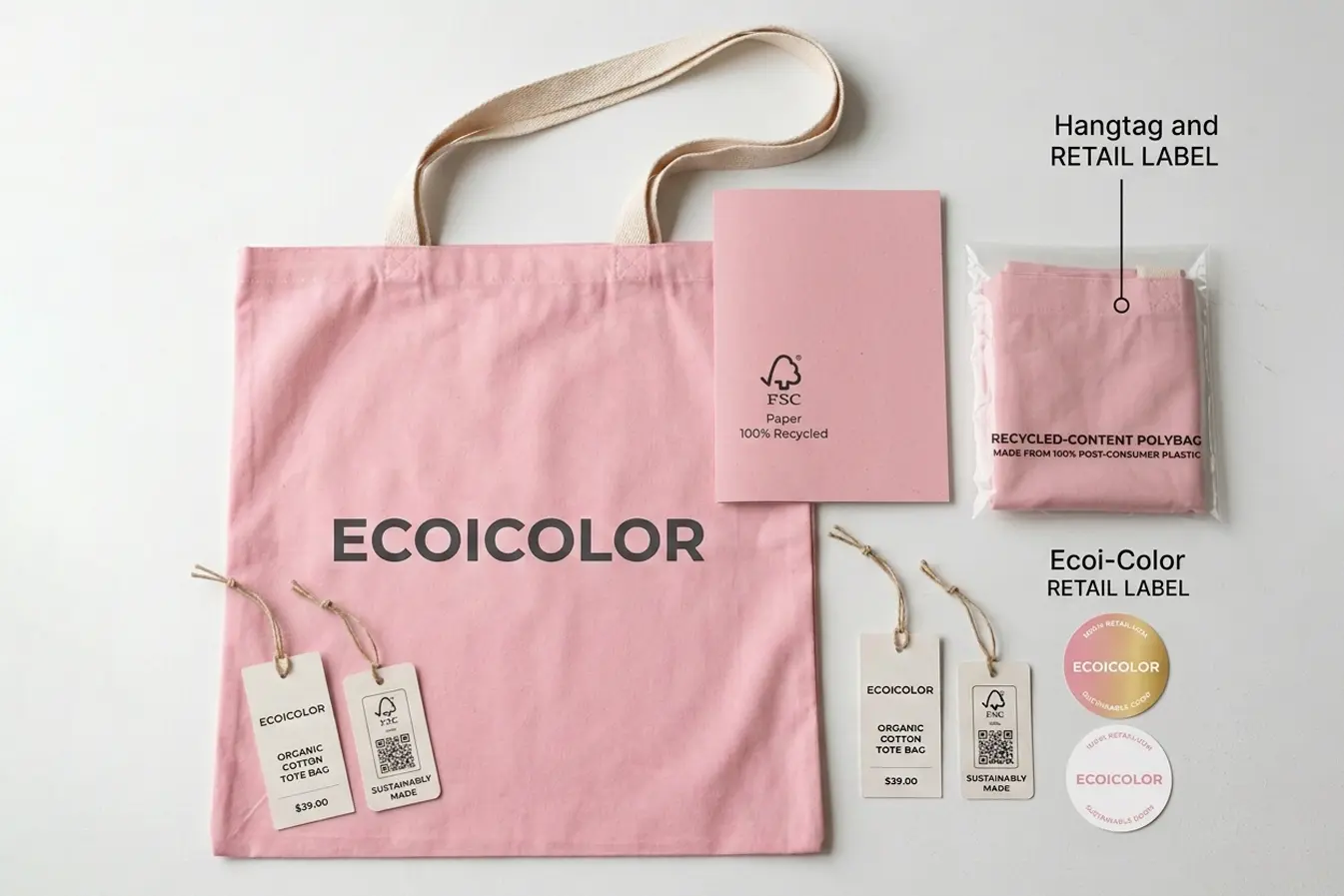
A retail-ready tote packaging system connects the physical bag with the labels and receiving requirements around it. Buyers should confirm packaging type, barcode or SKU logic, hangtag artwork, wash label, composition label, country-of-origin label, carton mark and set assembly before sampling whenever possible.
If the project is only a basic event handout, simple bulk packing may be enough. If the tote will be sold, bundled, gifted, shipped to a retailer warehouse or split by destination, the label system matters much more. In that case, packaging should be quoted and sampled as part of the full project scope.
| Packaging detail | Why it matters | When to confirm |
|---|---|---|
| Hangtag / paper card | Shows brand, claim wording, barcode and gift presentation. | Before or during sampling. |
| Barcode / SKU label | Supports retail receiving, POS and warehouse identification. | Before packaging artwork approval. |
| Wash / composition label | Connects textile information with the final tote specification. | Before production file lock. |
| Carton mark | Supports receiving, split shipment and destination allocation. | Before bulk packing. |
| Set assembly | Affects labor, pack-out sequence, carton volume and timing. | At RFQ stage. |
How does this guide differ from a packaging options guide?
A packaging options guide explains choices such as polybag, hangtag, paper card, belly band, sleeve or box. This guide goes deeper into how packaging, retail tote bag labels, barcodes, SKU logic and carton marks work together as a retail-ready system.
For a simple overview of available packaging routes, buyers can review the custom tote bag packaging options guide. For full private label planning, the private label tote bags for retail brands guide is broader. The focus here stays on packaging, labeling, barcode and receiving details.
Which brand projects need a retail-ready packaging and label system?
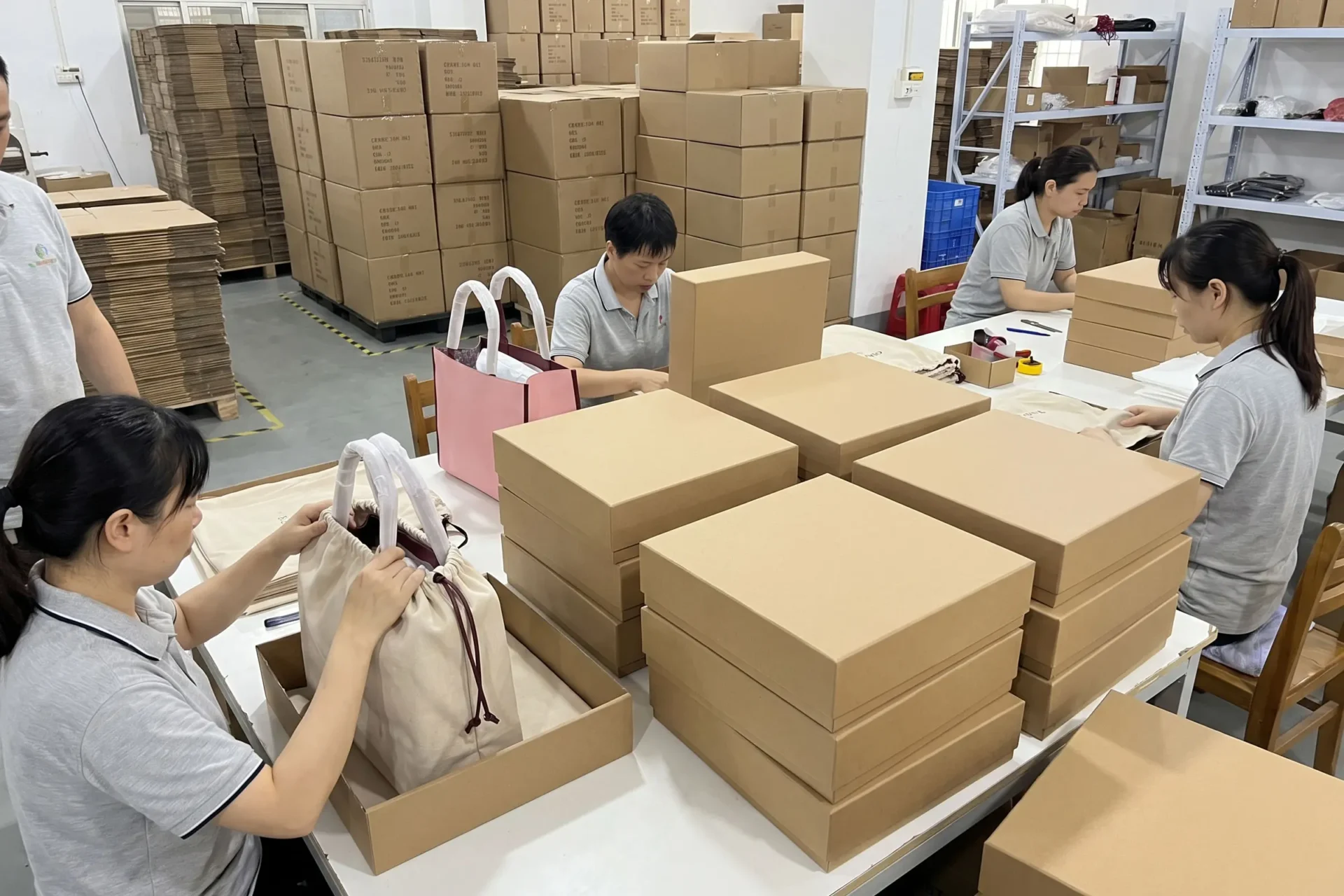
Retail-ready packaging is not only for private label products. Beauty GWP, holiday gift, conference sponsor tote and hotel gift projects can also need label, carton and pack-out control, but each project needs those details for a different reason.
Retail projects usually need barcode, SKU, wash label, composition label, country-of-origin label and shelf-ready presentation. GWP and holiday gift projects focus more on paper card, gift feel, set assembly and launch timing. Conference and hotel projects often need carton labeling, destination splits and clean delivery logic. Buyers can also compare project routes through GWP tote bag programs and custom logo tote projects.
| Project type | Packaging / label priority | What to confirm early |
|---|---|---|
| Retail / private label tote | Barcode, SKU, wash label, composition label, COO and shelf-ready presentation. | SKU map, label contents, hangtag artwork and retailer requirements. |
| Beauty GWP | Gift presentation, barcode, set assembly and product bundle fit. | Product contents, pack-out method, paper card and delivery window. |
| Holiday gift tote | Seasonal paper goods, sleeve, belly band, gift box or gift-like presentation. | Seasonal artwork, paper size, gift assembly and launch date. |
| Conference sponsor tote | Sponsor insert, fast distribution, carton label and venue split. | Insert count, sponsor versions, event date and carton mark rules. |
| Hotel gift tote | Clean presentation, room placement, carton split and gift combination. | Room setup, property allocation, packing style and outer carton labels. |
What packaging and label information do buyers often forget?
Buyers often remember the tote artwork but forget receiving details such as barcode, SKU mapping, wash label content, composition wording, country of origin, carton mark, pack-out method and retailer receiving label format.
These details feel small until they delay receiving or create relabeling work. A wrong barcode can block retail intake. A missing carton mark can confuse warehouse sorting. A late paper card can delay sample approval. A mismatched SKU label can create mixed packing for color or retailer versions.
- Barcode error: Wrong code or version can block retail receiving or create relabeling work.
- SKU mismatch: Color, size or retailer version can be packed under the wrong label.
- COO missing: Country-of-origin label requirements should be checked before production.
- Wash label missing: Retail or private label projects may need wash and composition labels.
- Paper card late: Late paper artwork can delay printing, sampling and pack-out.
- Carton mark wrong: Warehouse receiving, split shipment or event delivery can be disrupted.
Which custom tote bag packaging types should buyers compare?
Common packaging types include polybag, recycled-content polybag, paper card, hangtag, belly band, gift sleeve, gift box and set assembly. The right route depends on whether the tote is a giveaway, retail product, holiday gift, hotel amenity or event handout.
Paper packaging claims should stay precise. FSC may apply to paper packaging when the paper route supports it. A recycled-content polybag claim also needs project-specific confirmation. Packaging claims should not be assumed to cover tote fabric, and fabric claims should not be assumed to cover packaging. The FSC paper and packaging guidance1 is useful for paper-related discussions.

| Packaging type | Best-fit projects | Buyer check |
|---|---|---|
| Polybag / recycled-content polybag | GWP, retail packing, shipment protection. | Confirm bag size, claim wording and whether individual packing is required. |
| Hangtag / paper card | Retail, beauty GWP, holiday gift and premium campaign. | Confirm artwork, paper size, attachment method and barcode placement. |
| Belly band / gift sleeve | Holiday gift, gift set, seasonal campaign. | Check folding method, sleeve size and gift presentation by physical sample. |
| Gift box | Premium gift, VIP set or higher-value retail presentation. | Review cost, carton volume, MOQ and assembly time early. |
| Set assembly | Beauty GWP, retail bundle, conference sponsor insert. | Confirm contents, sequence, labor, carton mark and receiving requirements. |
Which retail tote bag labels should be confirmed before sampling?
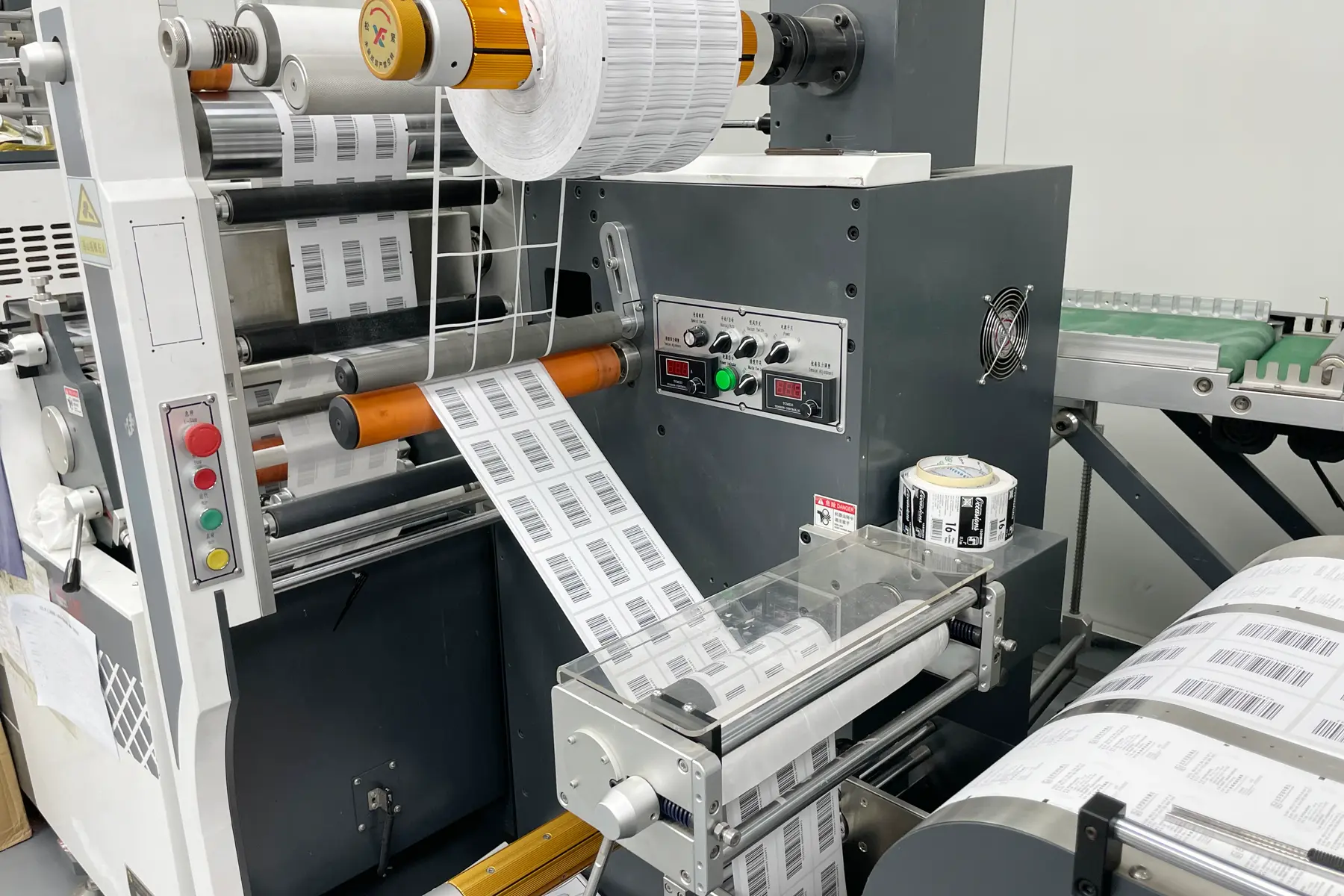
A retail-ready tote label system can include barcode sticker, SKU sticker, wash label, composition label, country-of-origin label, hangtag and carton label. These details should be confirmed before sampling because they affect artwork, label size, attachment, pack-out and receiving.
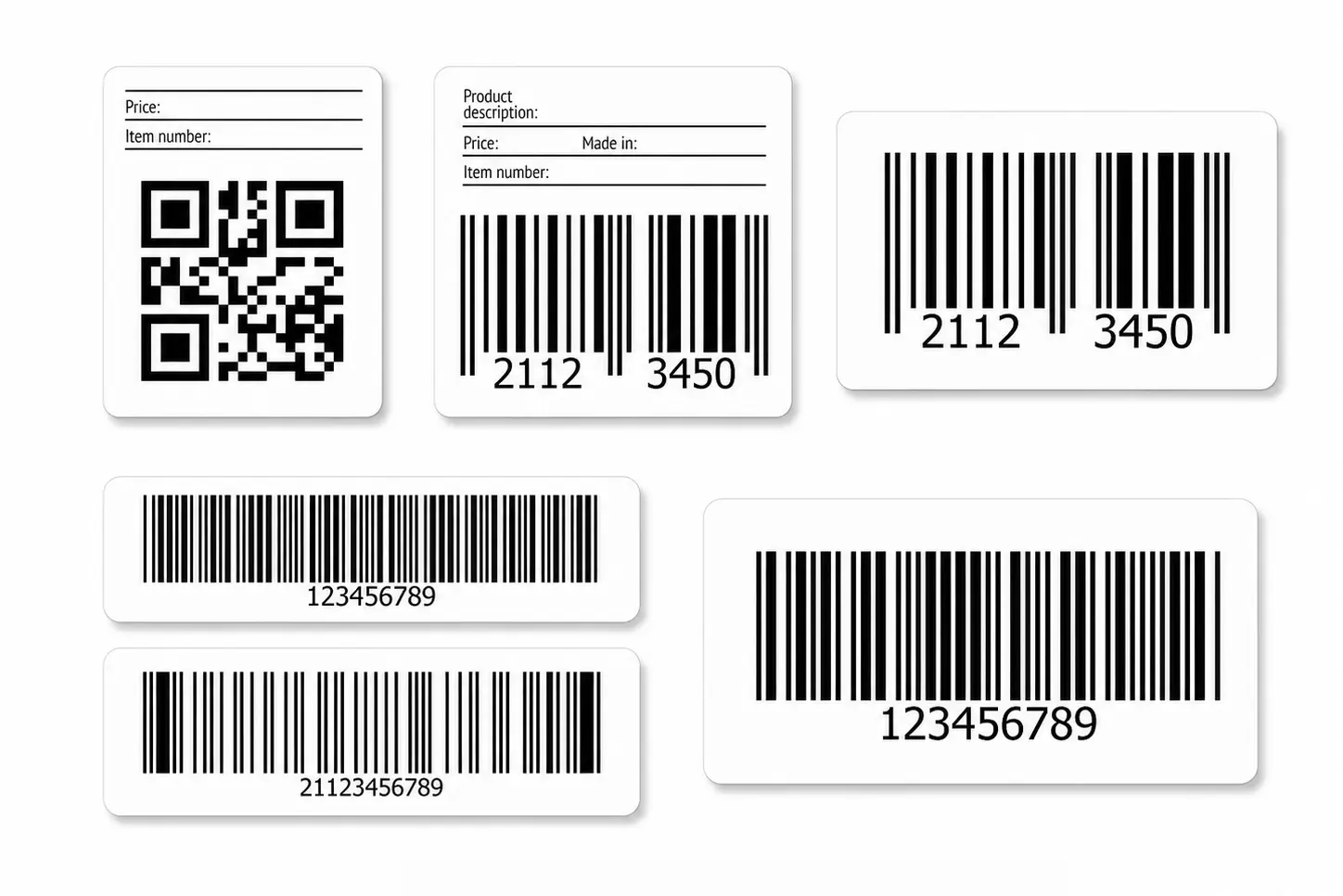
For barcode standards, buyers should confirm code ownership and retailer format. Ecoicolortote can apply provided barcode artwork or label files, but the barcode source and retailer requirement should be checked before production. GS1 General Specifications2 are a useful reference for product identification and barcode discussions.
| Label item | Where it appears | Why it matters |
|---|---|---|
| Barcode sticker | Hangtag, paper card, polybag or product label. | Retail receiving and POS identification depend on correct code logic. |
| SKU sticker | Polybag, carton, hangtag or inner label. | Prevents color, version or retailer mix-ups. |
| Wash label | Inside seam or inner side of tote. | May be needed for retail or private label textile information. |
| Composition label | Inside label or combined with wash label. | Connects material content wording with the final tote specification. |
| Country-of-origin label | Inside label, hangtag or packaging depending on project. | Should be checked against destination market and buyer requirement. |
| Carton label | Outer carton. | Supports receiving, split shipment, warehouse and event allocation. |
How should paper card, hangtag and tote artwork be approved together?
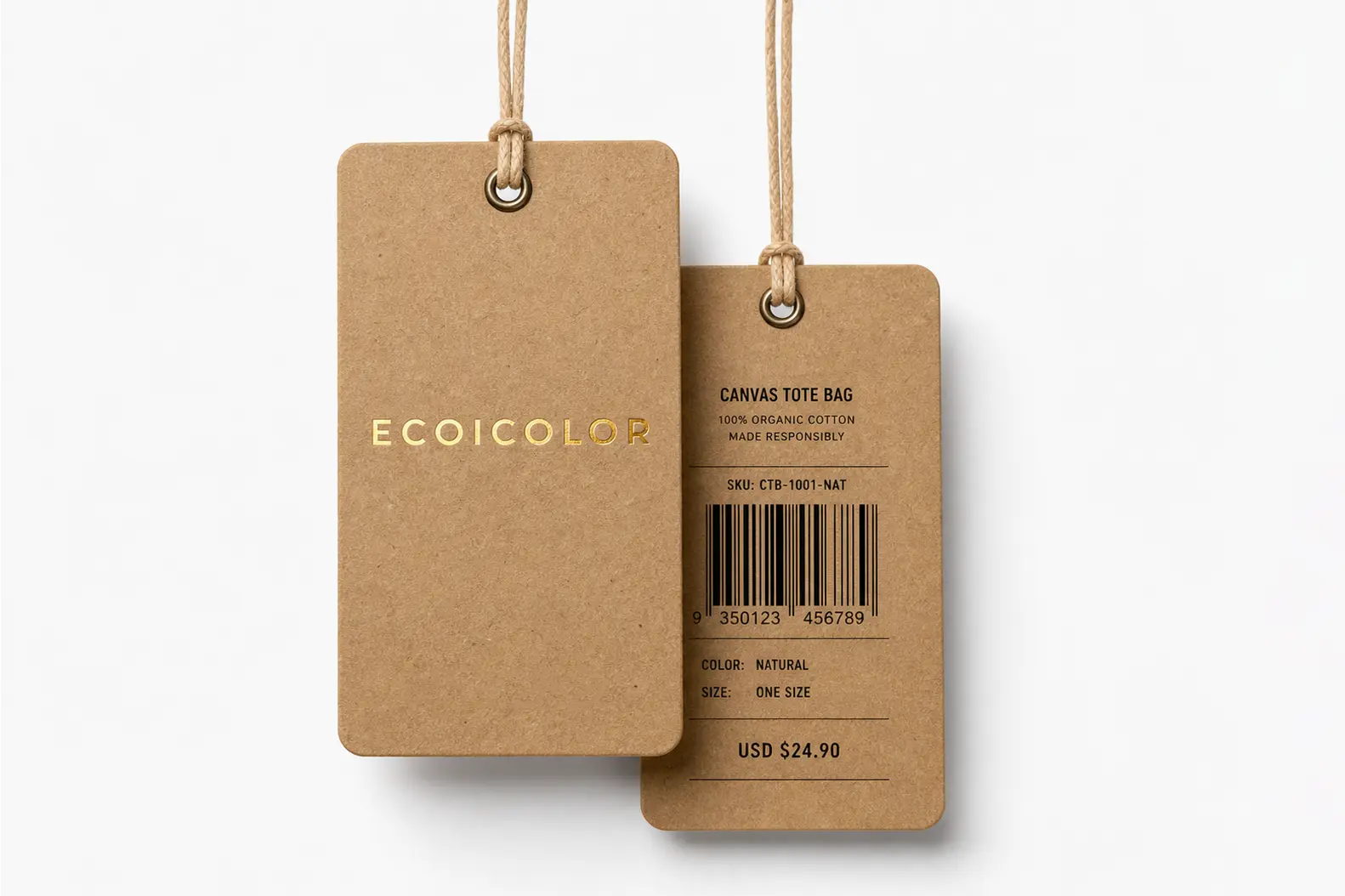
Hangtag, paper card, belly band and tote artwork should be treated as one visual system, especially for retail, holiday gift, beauty GWP and premium campaign projects. Leaving paper goods until after tote sample approval often creates avoidable rework.
At sample stage, buyers should check paper size, attachment method, barcode placement, color match, paper thickness, folding line, sleeve fit and whether the packed tote still feels aligned with the brand. A mockup can show the layout, but the physical sample shows scale, handfeel and packing effect.
Which packaging details should be checked by physical sample?
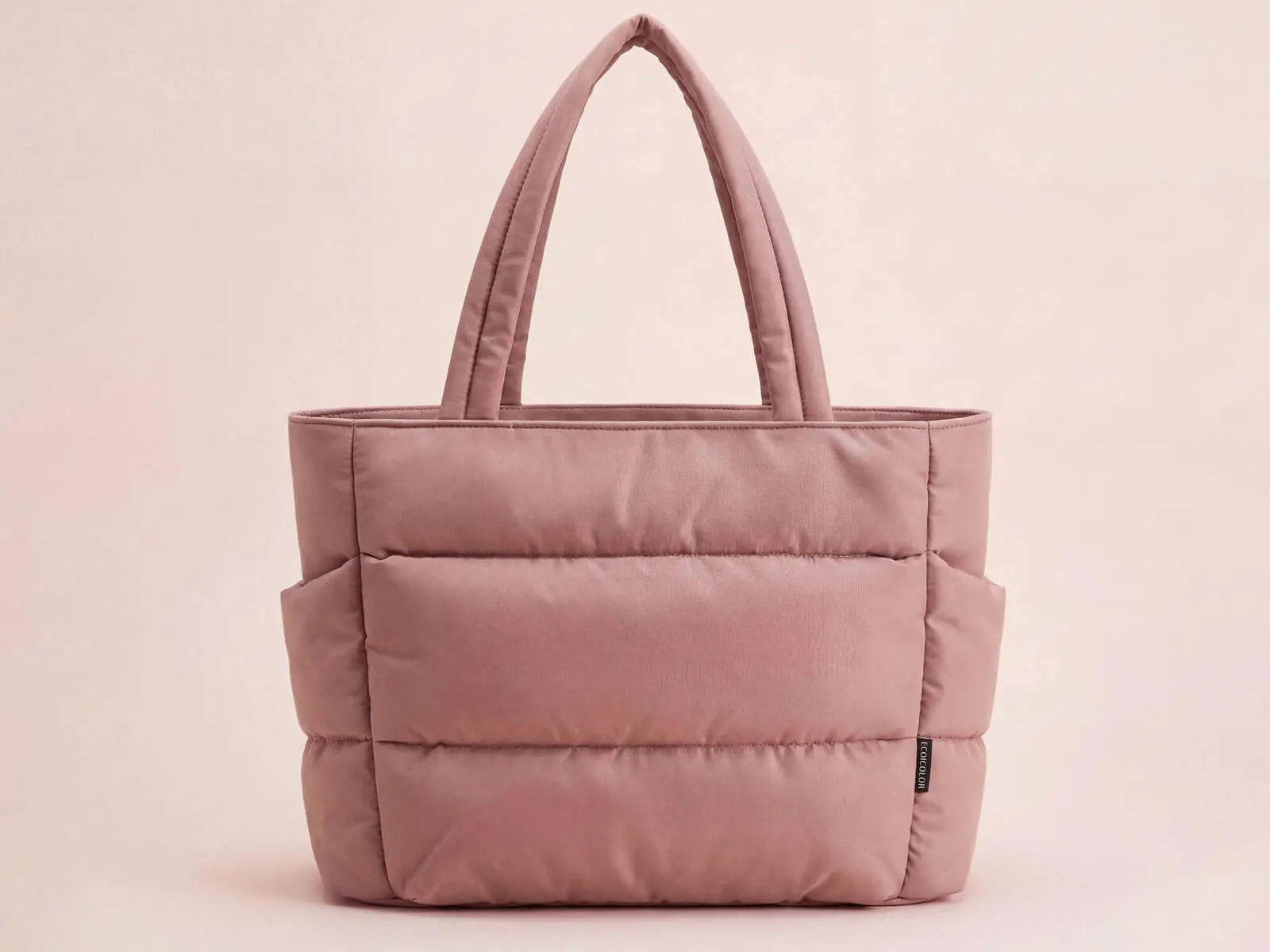
Packaging is visual, but it is also physical. Paper thickness, hangtag size, belly band tension, sleeve fit, barcode placement, label texture, polybag size and carton label position are hard to judge from a flat mockup.
For retail and GWP projects, the buyer should ask what needs to be approved as a physical packaging sample. If the packaging carries the retail barcode, seasonal artwork, product bundle or gift presentation, the safer route is to review packaging with the tote sample. Buyers comparing supplier scope can also use the custom tote bag quote comparison guide.
| Packaging detail | Why mockup is not enough | Physical sample check |
|---|---|---|
| Hangtag size | Scale can look different once attached to the handle or side seam. | Check position, attachment, barcode area and reading distance. |
| Belly band | Flat artwork does not show tension, folding or edge alignment. | Check wrapped tote thickness and whether the band slides or bends. |
| Gift sleeve | Sleeve fit depends on folded tote size and material thickness. | Check insertion, removal, paper strength and final presentation. |
| Barcode sticker | Small size or curved placement can affect scan and readability. | Check size, contrast, position and retailer format. |
| Carton label | Label position matters for warehouse receiving and split shipment. | Check carton side, content fields and carton count logic. |
Why do carton marks and receiving labels matter?
Carton marks are easy to ignore because they sit outside the product. For retail, conference, hotel, multi-retailer and seasonal gift projects, outer carton labels can decide whether the goods are received, split and distributed correctly.
If a carton mark is wrong, the risk is not only cosmetic. Goods can be delayed, misallocated, refused, relabeled or repacked. When there are several SKUs or destinations, carton labeling should be discussed before final packing, not after production ends.
| Carton / receiving item | Needed for | RFQ check |
|---|---|---|
| Outer carton mark | General shipment identification. | Confirm buyer name, PO, style, quantity, carton count and destination where needed. |
| Retailer receiving label | Retail warehouse or distributor receiving. | Confirm format, size, placement, barcode and case quantity. |
| Event carton split | Conference, sponsor tote or multi-venue project. | Confirm venue, date, room or sponsor version if required. |
| Hotel property label | Multi-property hotel or resort distribution. | Confirm allocation by property, room count or replenishment plan. |
| Seasonal gift split | Holiday gift or multi-location launch. | Confirm destination list and ship window before packing. |
Can packaging and labels change MOQ, cost or lead time?
Yes. Packaging and labels can change both cost and timing. Gift boxes, set assembly, multi-version hangtags, barcode or SKU management and retailer carton labels can make a 500 pcs project more complex.
At MOQ 500 pcs per style, the most common route is individual polybag plus hangtag or barcode, with basic inner label or wash label if required. More versions can still work, but buyers should send the SKU map, label files and packaging artwork early enough for sample and production review.
| Request | Impact | Better planning route |
|---|---|---|
| Multi-SKU barcode labels | More artwork checks, label mapping and packing control. | Send SKU map before sampling. |
| Gift sleeve or belly band | Needs paper size, folding and packed-sample review. | Confirm paper artwork with tote sample. |
| Set assembly | Adds labor, sequence control and carton planning. | Confirm contents and assembly method early. |
| Retailer carton label | Can affect receiving and final packing flow. | Send retailer checklist with RFQ. |
| Packaging file support | May need separate paper or claim route confirmation. | Separate fabric claim from packaging claim. |
How should packaging claims and document scope be discussed?
Packaging claims should stay separate from tote fabric claims. FSC paper packaging, recycled-content polybags, textile labeling, barcode identification and material safety documents are different scopes and should not be treated as one general environmental or retail-ready claim.
Buyers should separate legal labeling, retail identification and environmental claims. For textile labeling in the US, FTC resources such as Threading Your Way Through the Labeling Requirements Under the Textile and Wool Acts3 and FTC Care Labeling Rule guidance4 are useful references. Environmental claim wording should also be checked against the FTC Green Guides5.
For textile safety or restricted substance discussions, OEKO-TEX STANDARD 1006 may be relevant depending on component and order scope. For social compliance or factory audit discussion, buyers may ask about frameworks such as amfori BSCI audit guidance7.
What packaging and label information should buyers send in the RFQ?
A useful RFQ does not need to solve every packaging detail, but it should show the scope. Buyers should send packaging type, barcode needs, SKU count, wash label, composition label, country-of-origin label, hangtag or paper card requirement, carton mark requirement, set assembly plan, target market and retailer checklist if available.
If your buyer or retailer has a packaging checklist, send it before sampling. Ecoicolortote can help separate what is ready, what needs confirmation and what should stay flexible until the actual project route is clear.

- Packaging type: Polybag, hangtag, paper card, belly band, sleeve, box or set assembly.
- Label contents: Wash label, composition, COO, SKU and brand information.
- Barcode needs: Provided barcode files, position, format and retailer requirement.
- Carton marks: PO, SKU, quantity, carton count, destination or receiving label format.
- Artwork files: Packaging artwork, tote artwork, brand color and paper card dimensions.
- Destination market: Market or retailer requirement that affects label wording or receiving.
Who We Don't Take On
Ecoicolortote is a better fit for MOQ 500+ brand projects where packaging and label requirements can be discussed before sampling. We are not the best fit for very small quantity orders that require a complex retail packaging system and no confirmed files.
That boundary protects both sides. Packaging and labels are not difficult when the requirement is clear. They become risky when the quantity is too low, the timeline is compressed and the label logic keeps changing after sample approval.
What packaging and label support can Ecoicolortote realistically provide?
Ecoicolortote can support paper cards, hangtags, belly bands, sleeves, polybags, barcode stickers, SKU stickers, wash labels, composition labels, country-of-origin labels, carton marks and set assembly when the buyer gives clear requirements early enough.
The practical boundary is that retailer-specific formats, barcode ownership, paper-document scope, textile label wording and final compliance responsibility must be checked against the actual project and market. We can help apply provided barcode artwork, review packaging feasibility, coordinate paper goods with the tote sample, and flag missing label information before production.
Send quantity, packaging type, label contents, barcode needs, SKU count, paper artwork, carton mark requirements, target market and retailer checklist. Contact Ecoicolortote.
FAQ: Custom Tote Bag Packaging and Labeling
Is custom tote bag packaging only for retail projects?
No. Retail projects need the most complete label system, but GWP, holiday gift, conference and hotel projects can also need paper cards, barcodes, carton labels, set assembly or split packing.
Can Ecoicolortote create barcode numbers for buyers?
Buyers should confirm barcode ownership and retailer requirements. Ecoicolortote can help apply provided barcode artwork or label files to hangtags, stickers, packaging or cartons.
Should packaging samples be approved together with tote samples?
When the packaging affects presentation, barcode placement, paper size, sleeve fit or gift assembly, it is better to review packaging with the tote sample instead of adding it after approval.
Does FSC paper packaging mean the tote fabric is certified?
No. FSC relates to paper packaging or paper goods when the paper route supports it. It does not prove anything about tote fabric. Fabric and packaging claims should be checked separately.
What information should a buyer send before sampling?
Send quantity, packaging type, label contents, barcode needs, SKU count, hangtag or paper card artwork, carton mark requirements, set assembly needs, target market and retailer checklist if available.
Why should carton marks be confirmed before packing?
Carton marks affect warehouse receiving, destination allocation, event delivery and retailer routing. If they are confirmed only after bulk packing starts, the factory may need relabeling, repacking or extra sorting.
How is this guide different from the packaging options page?
The packaging options page helps buyers compare packaging formats such as polybags, hangtags, sleeves and boxes. This guide focuses on how packaging, barcode logic, SKU labels, carton marks and receiving details work together as a retail-ready system.
Sources
- FSC paper and packaging - paper claim reference↩
- GS1 General Specifications - barcode and retail identification↩
- FTC Textile and Wool Acts labeling guidance↩
- FTC Care Labeling Rule guidance↩
- FTC Green Guides - environmental marketing claims↩
- OEKO-TEX STANDARD 100 - textile safety reference↩
- amfori BSCI audit guidance - producer audit reference↩