Zoe Yu
Conference tote bags are not only event giveaways. For trade shows, corporate meetings, summits and sponsor programs, the tote has to carry real event materials, show branding clearly, survive on-site handling and arrive before the registration or packing deadline.
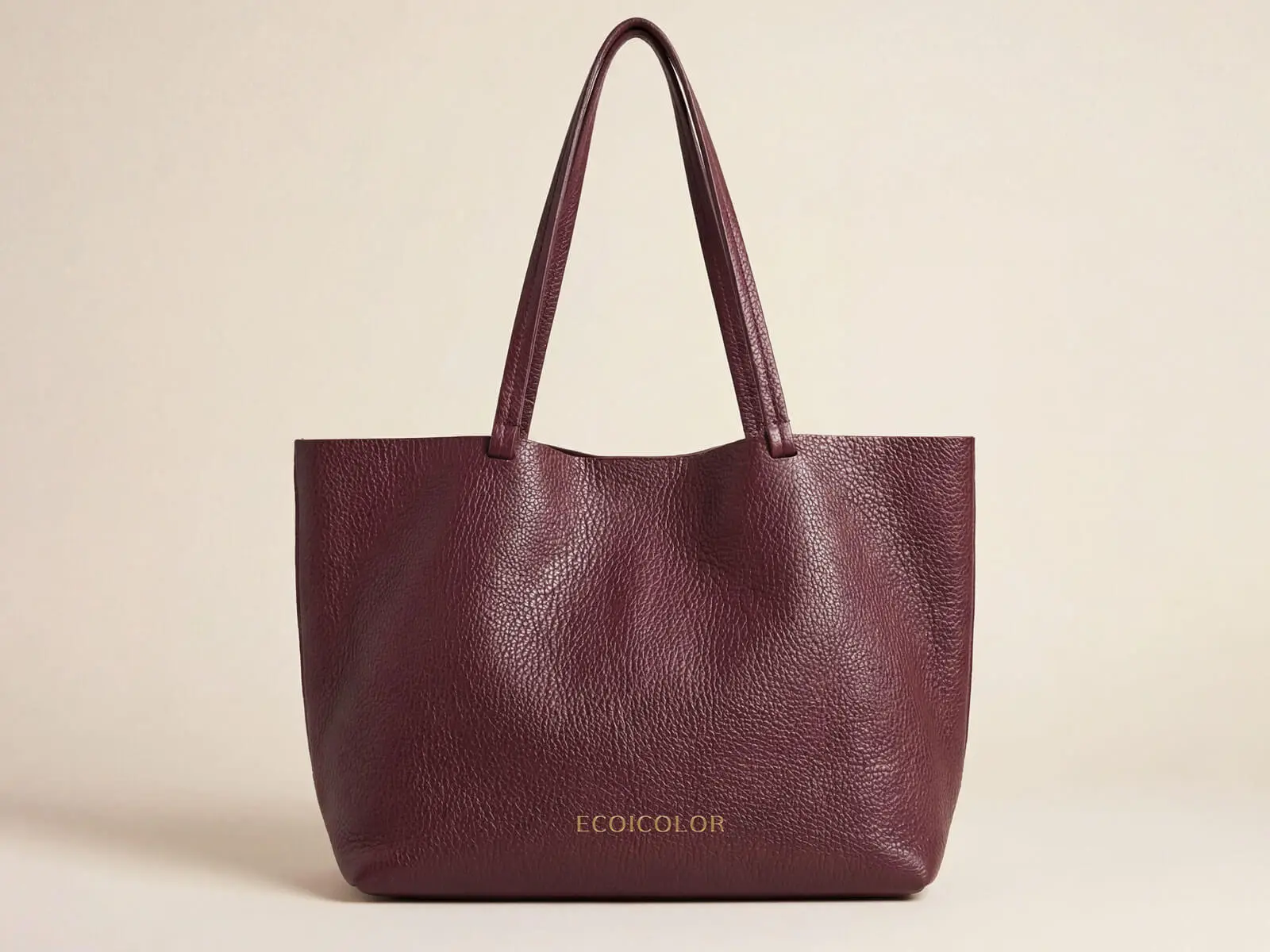
Ecoicolortote is a better fit for conference tote projects from MOQ 500 pcs per style, especially when buyers need material selection, sponsor logo planning, packing labels, delivery timing and sample approval before the event date. Buyers can also review our GWP brand totes, custom logo totes and rPET recycled totes product routes before choosing the event tote specification. If your team is still comparing material, logo process or packing route, send us the event brief before sampling.
Buyer Summary
- Best for: conferences, trade shows, corporate meetings, sponsor events, university events and launch programs that need custom event tote bags from 500 pcs per style.
- Main decision: conference tote bags should be planned around attendee use, sponsor visibility, material route, packing method, event date and delivery window, not only unit price.
- Factory-side note: artwork files, logo placement, sample approval, carton labels, split delivery and event receiving rules should be confirmed before bulk production.
- What to prepare: quantity, event date, delivery location, attendee contents, size, material direction, sponsor logo files, packaging needs and any carton or venue label requirements.
What is the quick answer for conference tote bags?
A conference tote should be planned backward from the event date and forward from the attendee experience. The bag must fit event contents, show sponsor artwork clearly, pack efficiently and arrive early enough for registration or room setup.
The safest route is usually one size, one to two material or color options, one main logo process and clear packing instructions. Projects become more complex when they include many sponsor logos, several attendee groups, multiple delivery locations or late artwork changes.
Use this planning route when the tote choice is mostly clear and the remaining risk is execution: sponsor artwork, attendee contents, packing labels, approval timing and delivery before the event setup window.
How is this conference planning guide different from the Conference Tote product page?
Our Conference Tote product page helps buyers compare the tote itself: material, size, logo process, packaging scope, MOQ and quote inputs. This planning guide focuses on execution details such as sponsor logo versions, attendee contents, check-in pack-out, carton labels, fixed event dates and venue delivery.
Use the product page when the team is still deciding what kind of conference tote to produce. Use this planning guide when the tote route is mostly chosen and the project needs deeper checks around sponsor artwork, pack-out, carton labels, venue receiving rules and delivery timing. If freight terms or final delivery responsibility are not yet clear, review the custom tote bag shipping terms and final delivery guide before locking the event calendar.
Which conference tote scenarios should buyers separate?
Trade show totes, corporate meeting totes, sponsor giveaway totes, university event totes and launch event totes may all look similar, but their artwork, packing and delivery risks are different.
| Event scenario | Buyer priority | Factory-side check |
|---|---|---|
| Trade show tote | High visibility, capacity, fast handout | Confirm sponsor logo size, carton labels and booth delivery timing. |
| Corporate meeting tote | Clean brand tone, useful size, reliable finish | Review logo placement, material handfeel and attendee contents. |
| Sponsor giveaway tote | Logo exposure, cost control, simple packing | Freeze sponsor artwork and avoid late version changes. |
| University or association event | Durability, budget, many stakeholder approvals | Confirm artwork ownership, approval route and delivery date early. |
| Product launch event | Visual impact, gift feel, schedule certainty | Check material, logo process, packaging and sample timing together. |
How should sponsor versions and attendee groups be planned?
When an event has several sponsors, attendee tiers or delivery locations, keep the main bag body stable and move version differences into hangtags, inserts, carton labels or small label details where possible.
Version control is one of the easiest ways for a conference tote project to become risky. A buyer may request 1,000 pcs, but the real order may include three sponsor layouts, two attendee groups, different venue cartons and last-minute artwork. Those details affect sampling, packing, inspection and delivery.
| Version item | Lower-risk route | Risk if ignored |
|---|---|---|
| Sponsor logos | Use one approved logo layout where possible. | Late sponsor changes can reset sample and print timing. |
| Attendee groups | Separate by insert, sticker or carton mark. | Wrong mixes can disrupt registration packing. |
| Delivery locations | Confirm carton labels and quantity split before packing. | Venue receiving teams may reject or misroute cartons. |
| Event dates | Plan backward from the required arrival date. | Production-ready timing can be confused with delivery-ready timing. |
What do event buyers often miss before RFQ?
Event buyers often miss the actual attendee contents, sponsor artwork status, venue delivery rules, carton labeling, sample approval time and buffer between factory completion and event setup.
The most common problem is treating the tote as a simple logo bag until the event deadline becomes tight. By then, artwork may still be moving, sponsor approvals may not be complete, the venue may require carton marks, or the packing team may need bags earlier than expected.
- Event contents: brochures, water bottles, notebooks, badges, samples or sponsor materials should be checked against size and handle strength.
- Artwork status: final sponsor logos, vector files and color references should be ready before sampling.
- Packing method: confirm whether bags are shipped flat, pre-packed, bundled or separated by attendee group.
- Delivery rule: event venues may need PO numbers, booth numbers, date windows or carton labels.
- Approval time: internal stakeholders and sponsors can add more review time than the factory process itself.
Which materials fit conference and event tote bags?
RPET works well for lightweight and larger-quantity event giveaways, recycled cotton fits a softer reusable story, and cotton canvas fits events that need more structure, stronger handfeel or a better gift impression.
| Event need | Material route | Buyer check |
|---|---|---|
| Large trade show giveaway | RPET, lightweight cotton, recycled cotton | Balance unit cost, packing volume and logo visibility. |
| Corporate conference gift | Recycled cotton, cotton canvas, selected RPET | Check handfeel, color tone and brand fit. |
| Product launch or VIP event | Cotton canvas, thicker canvas, refined trims | Review structure, logo detail and packaging presentation. |
| Sustainability-focused event | RPET, recycled cotton, organic cotton where suitable | Confirm claim wording and document scope early. |
Environmental wording should stay specific. FTC Green Guides1 help keep environmental marketing claims qualified. OEKO-TEX STANDARD 1002 can support textile safety discussions where applicable, while Textile Exchange standards3 are useful references for responsible material discussions. Exact document scope still has to be confirmed for each order.
How should conference logo options be chosen?
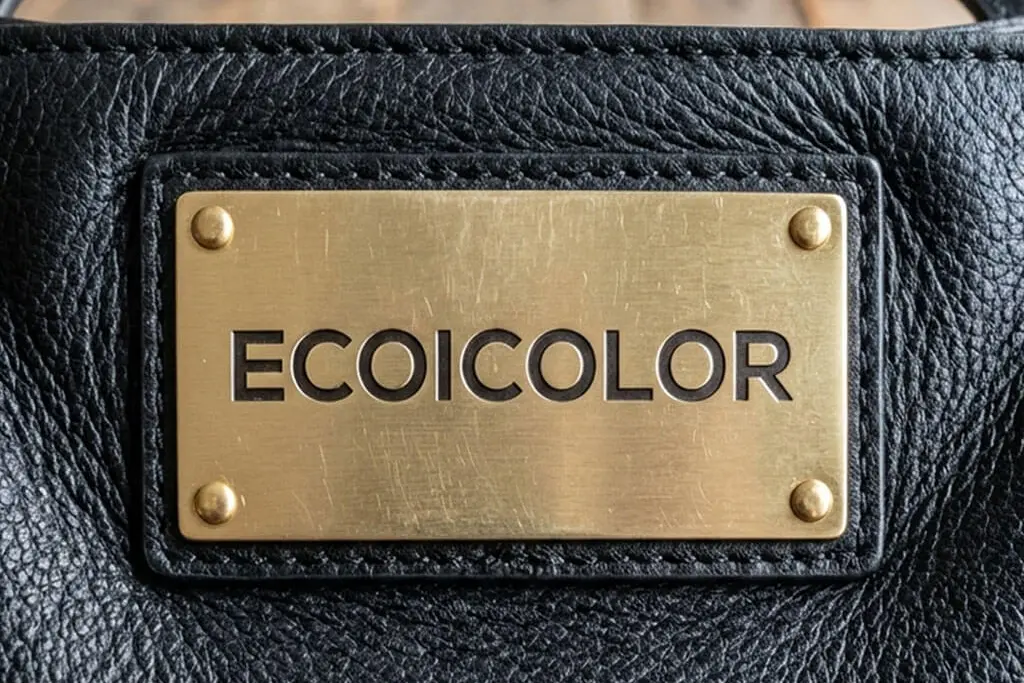
Screen printing works for clean event marks and sponsor layouts, heat transfer can support fuller artwork, and embroidery or woven labels fit smaller premium conference gifts when timing and budget allow.
Conference artwork often includes several stakeholders. To keep production realistic, buyers should provide final vector files, approved sponsor names, Pantone references when needed, and one clear placement plan. If a sponsor logo changes after sample approval, both schedule and cost may change.
| Logo option | Best fit | Watch point |
|---|---|---|
| Screen printing | Simple event marks, sponsor walls, one to few colors | Confirm print size, material surface and color reference. |
| Heat transfer | Full-color event artwork, gradients or visual campaign marks | Check artwork resolution, edge feel and sample result. |
| Embroidery | Small premium conference logo or executive gift | Avoid tiny text, thin lines and large stitch areas. |
| Woven label or patch | Lower-key branding or retail-style event merchandise | Confirm label color, placement, MOQ and lead time. |
Color communication can be supported by Pantone color systems7, but physical sample review remains more reliable than screen mockups alone. Our logo file requirements and heat transfer printing guides cover process-level checks.
What MOQ and sample rules apply to conference tote projects?
Ecoicolortote conference tote projects start from MOQ 500 pcs per style. A practical setup is one size, one to two colors, one main logo process and simple packing.
If 500 pcs needs several sponsor versions, we usually suggest keeping the bag body consistent and changing smaller details such as hangtags, inserts, stickers or carton labels. This is usually cleaner than changing the whole tote for each sponsor or attendee group.
Sample timing is confirmed after the material, construction, logo method, artwork, packaging and approval scope are clear; the working schedule also depends on revision speed and current capacity. These are planning ranges, not a promise before RFQ review.

How should packing, labels and venue delivery be planned?
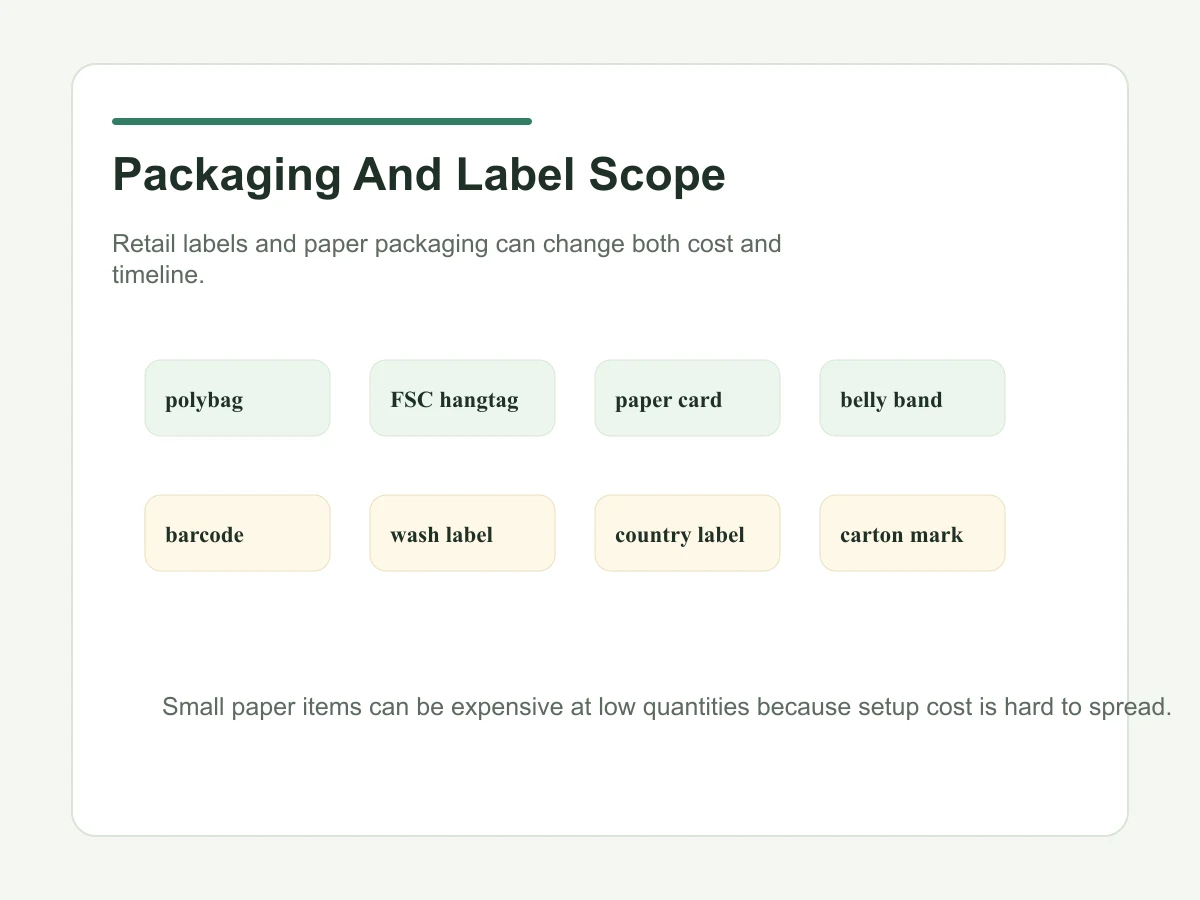
Conference tote projects often need polybags, bundle packing, hangtags, inserts, barcode labels, carton marks, booth labels, delivery-window labels or split shipment. These details affect quote scope and event risk.
Paper cards, hangtags and venue labels should be part of the first RFQ. FSC paper and packaging4 may be relevant when buyers use paper packaging claims. GS1 General Specifications5 may matter when event merchandise or retail-style barcode handling is required. If buyer vendor rules include social compliance, amfori BSCI6 can be part of the supplier discussion, depending on scope.
| Packing item | Why it matters | Confirm before quote? |
|---|---|---|
| Individual or bundle packing | Affects labor, carton count and registration setup | Yes |
| Hangtag or insert | Needs artwork, paper sourcing and approval | Yes |
| Carton label | Controls booth, room or warehouse receiving | Yes |
| Split delivery | Changes packing sequence and freight plan | Yes |
| Venue receiving date | Determines the real delivery deadline | Yes |
Which timeline checkpoints most often cause event problems?
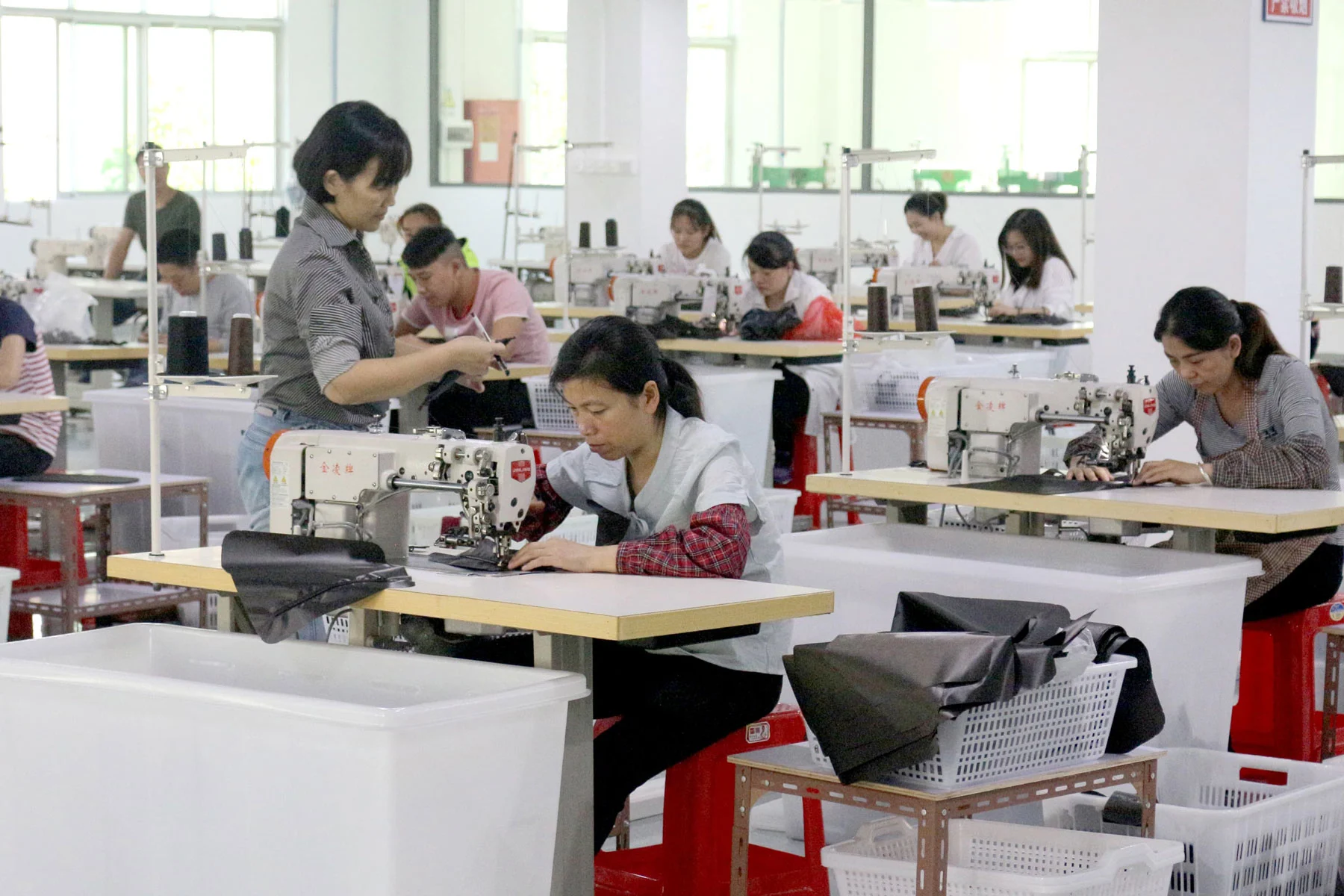
Final artwork, sponsor approval, sample approval, packing label confirmation and venue delivery window are the checkpoints most likely to create conference tote delays.
| Checkpoint | Common risk | Practical prevention |
|---|---|---|
| Artwork lock | Sponsor names or logos change late | Set a final artwork deadline before sampling. |
| Sample approval | Color, logo scale or material is judged only by mockup | Approve a physical sample where schedule allows. |
| Packing setup | Labels, inserts or carton marks are added after approval | Include packing details in the first RFQ. |
| Venue delivery | Goods arrive after receiving window or lack required labels | Confirm venue instructions before final packing. |
| Event setup | Bags are delivered too close to registration | Build a buffer between arrival and event start. |
For sustainable event planning, ISO 201218 and the Events Industry Council Sustainable Event Standards9 can help event teams frame responsible operations. A tote supplier should support the buyer's material and packing choices without overstating the event's sustainability result.
How does event size change the tote plan?
A 500 pcs executive meeting tote and a 5,000 pcs trade show tote need different planning. The larger the event, the more important artwork freeze, carton labels, delivery buffer and version control become.
| Event scale | Typical planning logic | Main risk if ignored |
|---|---|---|
| 500 pcs meeting | One design, clean logo, simple packing, sample review | Overbuilding the specification can make the order inefficient. |
| 1,000-3,000 pcs conference | Material route, sponsor artwork, packing labels and delivery window should be aligned | Late artwork or label changes can compress production time. |
| 5,000 pcs+ trade show | Stronger version control, inspection flow, carton marking and delivery buffers matter | Wrong carton labels or late delivery can disrupt event setup. |
Why should conference tote quotes be compared by full specification?
Conference tote quotes are only comparable when size, material, logo process, packing method, labels, carton marks, sample requirements and delivery terms are the same.
A lower unit price may exclude the work that matters most before an event: artwork checking, sample revision, carton labels, split delivery, packing sequence or venue deadline coordination. Buyers should compare the included scope before choosing a supplier.
What RFQ checks should conference tote buyers send?
The most useful RFQ includes event date, delivery deadline, quantity, attendee contents, size, material direction, logo files, sponsor versions, packing method, carton label needs and shipping destination.
| RFQ item | Why the factory needs it | Good buyer input |
|---|---|---|
| Event date and delivery date | Controls sample, production, packing and freight timing | Event start date plus required arrival date |
| Quantity and versions | Affects MOQ, unit cost and production route | Total quantity plus sponsor or attendee splits |
| Contents | Controls tote size, structure and handle strength | Notebook, bottle, brochure, samples or badge kit |
| Material direction | Balances budget, appearance and packing volume | RPET, recycled cotton, canvas or open to recommendation |
| Logo files | Determines print or transfer feasibility | Vector files, Pantone references and placement notes |
| Packing and labels | Affects labor, carton count and venue receiving | Bundle packing, hangtag, carton label or split delivery |
Who We Do Not Take On
Ecoicolortote is not the right fit for very small quantities, unclear event details, lowest-price-only inquiries, or last-minute projects with many sponsor versions and no time for sample confirmation.
We are a stronger fit for conference and event buyers with MOQ 500+, clear delivery dates, real artwork files, defined attendee contents and a willingness to confirm sample and packing standards before production.
Send the event date, delivery deadline, quantity, attendee contents, size, material direction, logo files, sponsor versions, packing method and delivery address. Contact Ecoicolortote.
FAQ: Conference tote bags
What are conference tote bags used for?
They are used for trade shows, business conferences, corporate meetings, university events, sponsor giveaways, product launches and attendee welcome packs.
Which materials work for conference tote bags?
RPET, recycled cotton and cotton canvas are common. RPET is useful for lightweight event giveaways, recycled cotton works for a softer reusable story, and canvas fits stronger gift or premium conference projects.
What is the MOQ for Ecoicolortote conference tote projects?
MOQ starts from 500 pcs per style. Multi-color, multi-sponsor, split-delivery or packaging-heavy projects need extra review before sampling.
When should sponsor artwork be confirmed?
Sponsor artwork should be confirmed before sampling whenever possible. Late sponsor logo changes can affect sample approval, print setup, production timing and delivery risk.
What should buyers send before asking for a conference tote quote?
Buyers should send event date, delivery deadline, quantity, attendee contents, preferred size, material direction, sponsor logo files, packing method, label needs and delivery location.
How is this planning guide different from the Conference Tote product page?
The product page helps buyers choose the tote route. This planning guide focuses on sponsor versions, check-in pack-out, carton labels, venue delivery and event timing after the tote direction is being shaped.
Why should venue delivery rules be confirmed before bulk packing?
Venue delivery rules can affect carton labels, arrival windows, booth or room routing, split shipments and final delivery responsibility, so they should be confirmed before packing instructions are locked.
Sources
- FTC Green Guides summary - environmental marketing claims↩
- OEKO-TEX STANDARD 100 - textile safety reference↩
- Textile Exchange standards↩
- FSC paper and packaging↩
- GS1 General Specifications - barcode and identification standards↩
- amfori BSCI audit guidance - producer audit requests↩
- Pantone color systems explained↩
- ISO 20121 - event sustainability management systems↩
- Events Industry Council Sustainable Event Standards↩