Zoe Yu
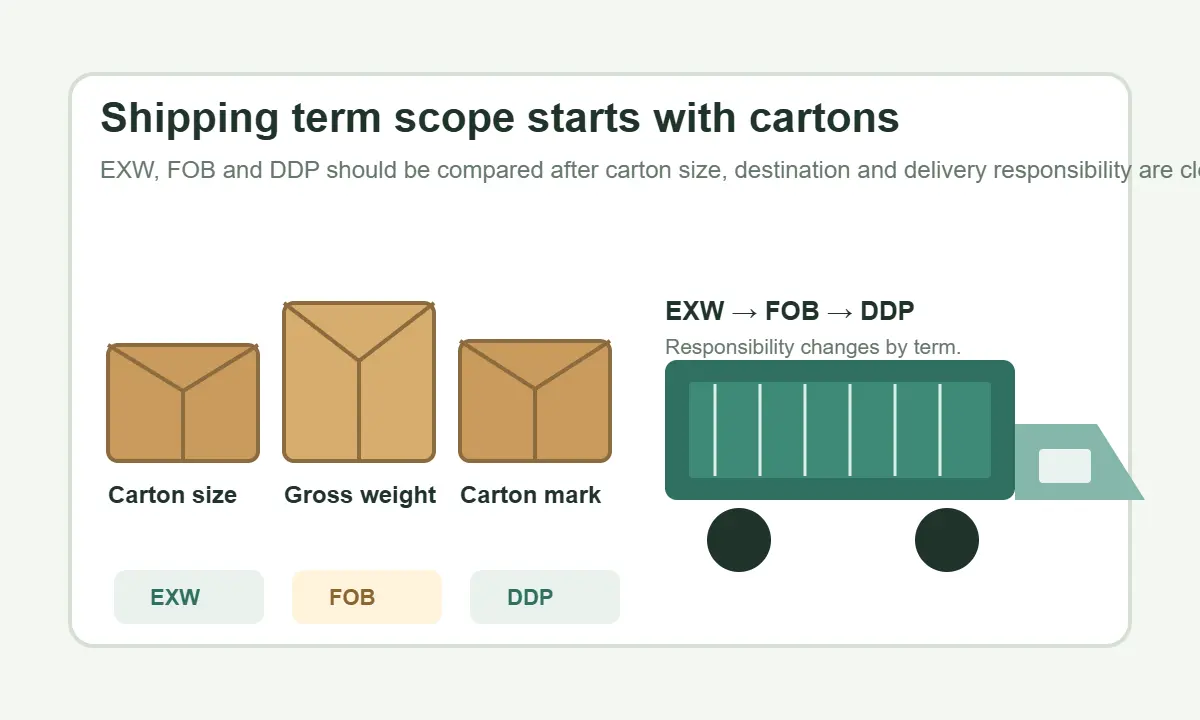
 A custom tote bag quote is not fully comparable until the shipping term, delivery responsibility and carton scope are clear. For beauty GWP, retail, hotel, event and corporate gift projects, EXW, FOB and DDP can change landed cost, delivery risk, warehouse receiving, customs documents and launch timing as much as the tote unit price.
Buyer Summary
- Best for: beauty GWP, retail private label, hotel, event and corporate gift buyers comparing custom tote bag quotes from 500 pcs per style.
- Main decision: confirm whether the quote is EXW, FOB, CIF, CFR, DDP or another agreed route before comparing unit price and landed cost.
- Factory-side note: carton size, gross weight, packaging, destination address, delivery window and warehouse label requirements can change freight scope.
- What to prepare: quantity, tote size, material, packaging, carton requirement, final destination, delivery deadline, preferred term, retailer receiving rules and document needs.
What is the quick answer for custom tote bag shipping terms?
Buyers should not compare custom tote bag quotes until EXW, FOB, CIF, CFR, DDP, carton scope, destination address, customs documents and final delivery responsibility are clear. A low unit price can become a higher landed cost if freight, packaging volume, retailer warehouse labels or local delivery are outside the quoted scope.
From our factory side, the safest route is to separate product specification from shipping responsibility. First confirm tote size, material, packaging and carton estimate. Then compare shipping terms with the same quantity, destination, delivery date and responsibility boundary.
Best fit for this shipping terms guide
This guide is best for brand buyers who already have a real tote project and need to compare quotes by shipping responsibility, carton scope, destination requirements and landed cost instead of unit price alone.
It is especially useful for beauty GWP programs, retailer warehouse delivery, hotel multi-property allocation, event deadlines and holiday gift projects. In these projects, the tote price is only one part of the buying decision. Carton volume, freight timing and delivery responsibility can decide whether the launch works.
Use it before RFQ, before sample approval and before bulk pack-out if the project may involve DDP delivery, retailer labels, carton marks, multi-destination allocation or strict delivery windows.
How is this guide different from cost breakdown and quote comparison?
This guide does not repeat material, logo, packaging and certification cost drivers. It focuses on shipping responsibility: who handles pickup, export port, freight, destination customs, local delivery and warehouse receiving. It helps buyers avoid comparing an FOB quote with a DDP quote as if they covered the same scope.
| Related route | What it owns | What this guide owns |
|---|---|---|
| Cost breakdown | Material, logo, packaging, documents and freight as cost drivers. | EXW, FOB and DDP responsibility boundaries. |
| RFQ checklist | What buyers should send for quotation. | Which shipping and delivery fields must be included. |
| Packaging options | Polybag, hangtag, paper card, sleeve and carton mark. | How packaging changes carton volume and freight comparison. |
| MOQ and timeline | Sample, production and bulk timing. | Shipping cutoff, final address and delivery responsibility. |
Which brand projects are most affected by shipping terms?
Beauty GWP, retail, hotel welcome, event, holiday gift and corporate gift projects are most affected when delivery timing, carton labels, pack-out, retailer warehouse rules or multi-destination allocation matter.
A beauty GWP quote with a low FOB price can still become expensive if the buyer later needs DDP delivery to a retailer warehouse. A hotel program may need cartons split by property. An event tote may need delivery protected more than the lowest freight estimate.
| Project type | What buyers care about | Shipping term risk |
|---|---|---|
| Beauty GWP | Launch window, pack-out, barcode and retailer delivery. | FOB unit price looks low but DDP delivery window is missing. |
| Retail private label | Warehouse delivery, SKU labels and repeat-order consistency. | FOB and DDP scope are not compared equally. |
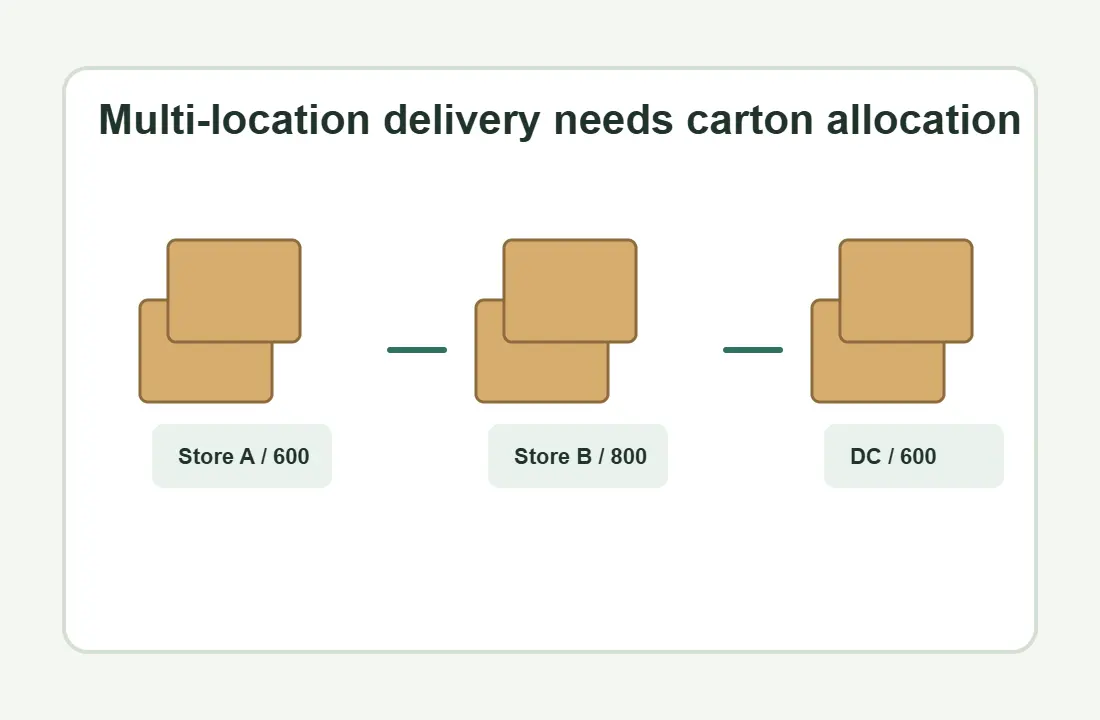
| Hotel welcome tote | Multi-property delivery and tidy carton allocation. | Factory price does not include final property split. |
| Event tote | Venue date and no missed deadline. | EXW or FOB underestimates freight time and responsibility. |
| Holiday gift | Seasonal cutoff, gift packaging and carton volume. | Peak-season freight and package volume are underestimated. |
What do buyers often misunderstand about EXW, FOB and DDP?
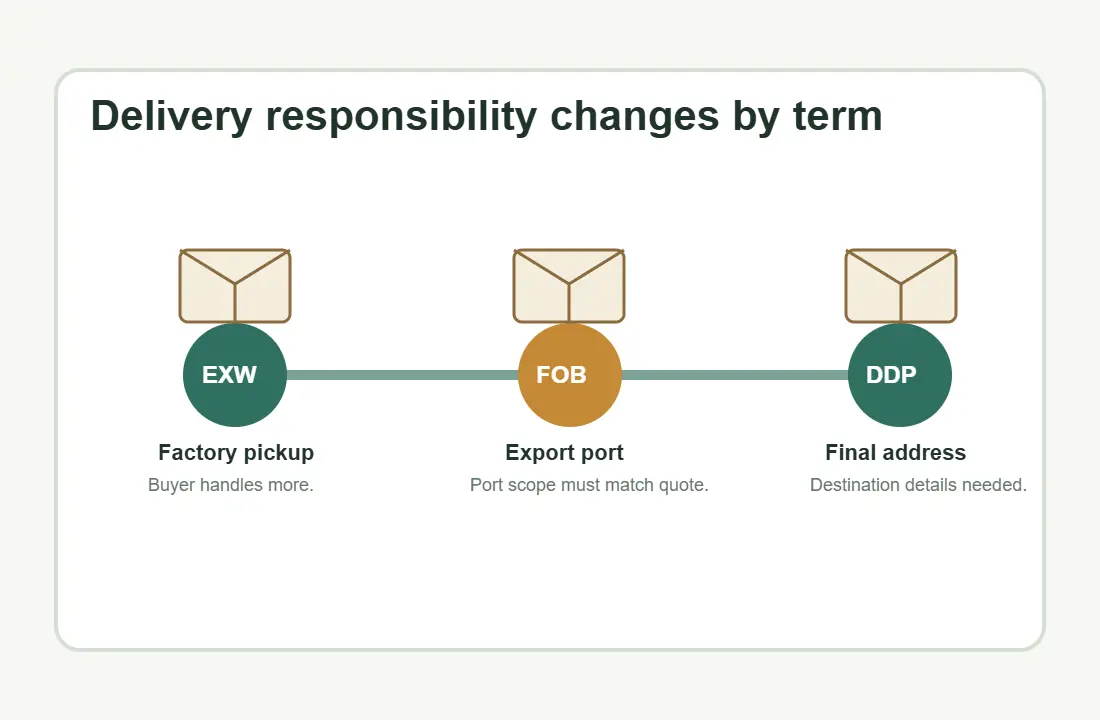
Buyers often compare unit prices without comparing shipping terms, carton scope or final delivery responsibility. EXW, FOB and DDP are not just different labels; they change which party carries cost, coordination and risk at each stage of delivery.
How should buyers understand EXW, FOB, CIF, CFR and DDP?
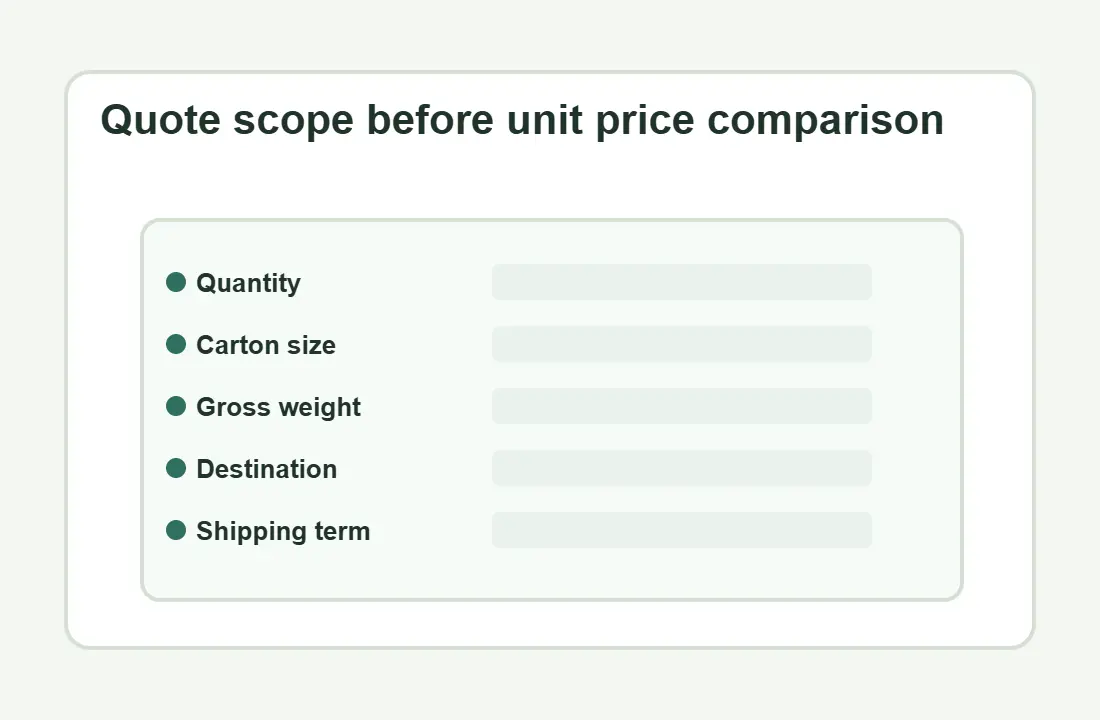
Shipping terms define responsibility boundaries. They do not replace quote scope, product specification or customs planning. Buyers still need to confirm carton count, gross weight, destination, documents and final delivery requirements.
Trade facilitation work from the World Trade Organization2 explains why cross-border movement depends on documentation and process clarity, but order responsibility still depends on the agreed term and scope.
| Term | Buyer should understand | Best fit | Risk |
|---|---|---|---|
| EXW | Buyer carries more pickup and transport responsibility from factory. | Buyer has China agent or own forwarder. | Looks low but leaves many costs outside quote. |
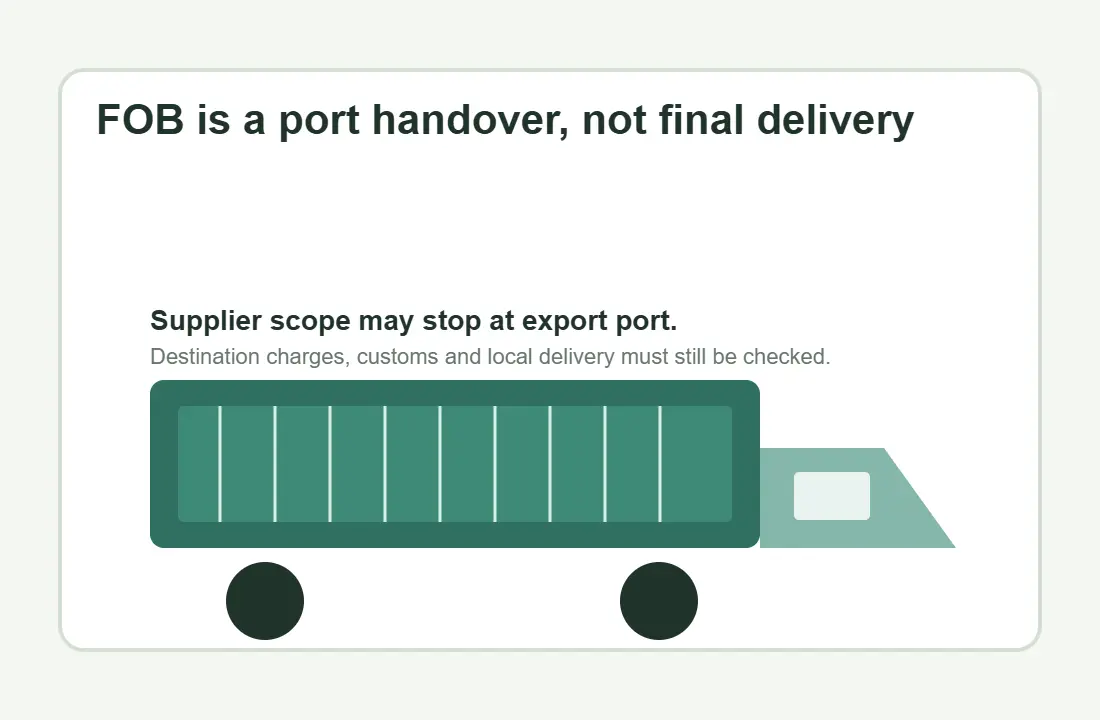
| FOB | Supplier usually handles to named export port under agreed scope. | Common B2B bulk tote orders. | Not final warehouse delivery. |
| CIF / CFR | Destination-port related terms, not door delivery. | Buyers with port-side receiving capability. | Destination charges and local delivery still need confirmation. |
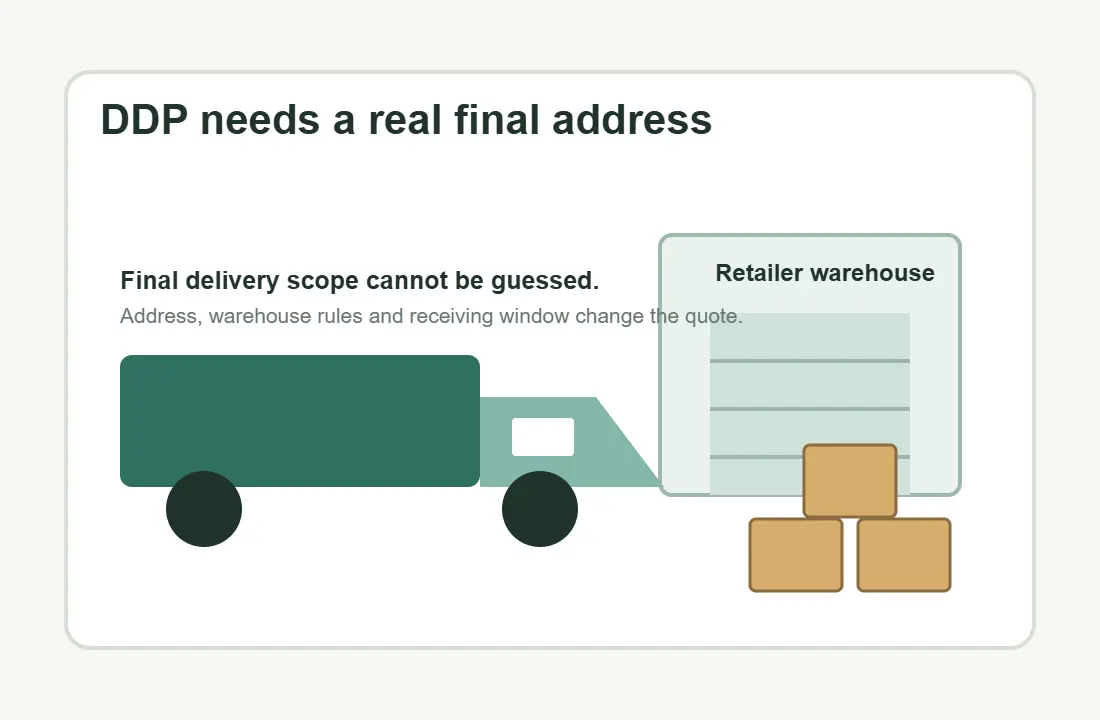
| DDP | Closer to landed or door delivery when feasible and agreed. | Buyers needing internal budget certainty. | Destination, taxes, restrictions and address scope must be confirmed. |
Why is unit price alone not enough for landed cost?
The lowest tote unit price is not always the lowest landed cost. A FOB quote may exclude freight, destination charges, customs handling, local delivery, retailer booking or warehouse labels that another DDP quote already includes.
| Quote element | FOB-style comparison | DDP-style comparison |
|---|---|---|
| Tote unit price | Usually easier to compare. | May look higher because more scope is included. |
| Packaging | May be excluded or listed separately. | Should be included if pack-out is part of landed quote. |
| Freight | Buyer usually adds separately. | Often included if DDP is feasible and agreed. |
| Customs and destination charges | Buyer confirms with forwarder. | Must be clarified in the DDP scope. |
| Retailer delivery window | Often outside simple FOB price. | Must be checked against final delivery responsibility. |
How do carton volume and packaging change freight comparison?
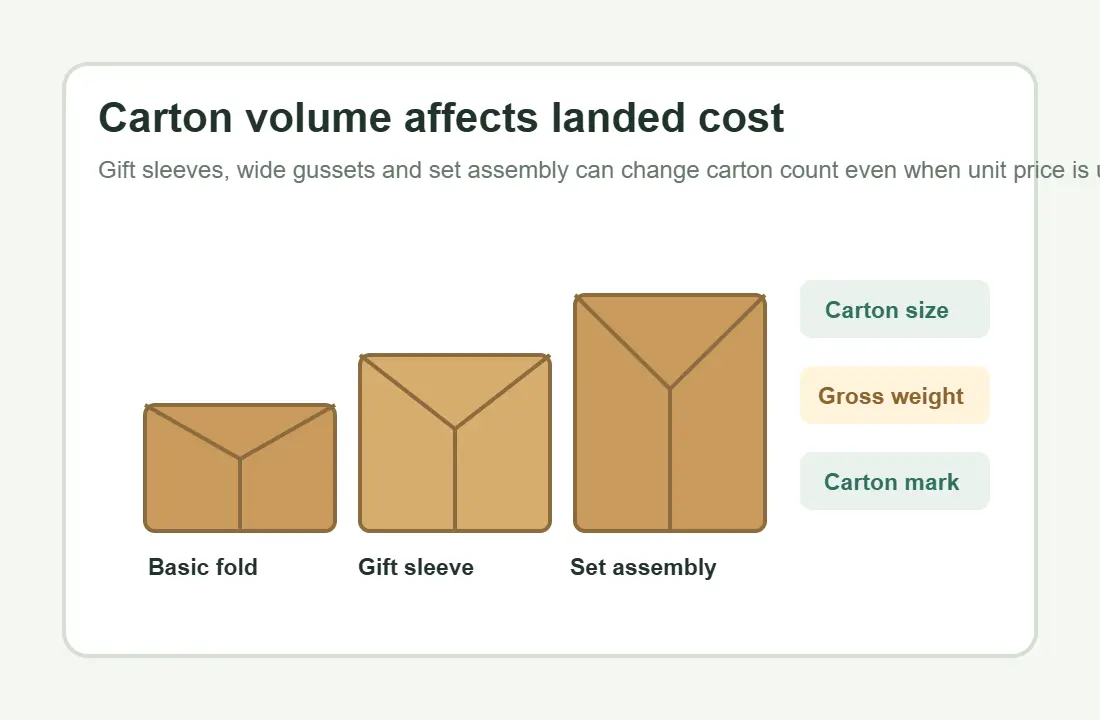
Shipping cost is not only about tote quantity. Paper cards, sleeves, barcode labels, carton marks, individual polybags, set assembly, thick materials and wide gussets can increase carton size, gross weight and freight mode.
If paper packaging or FSC wording is part of a beauty GWP insert, paper card or carton route, the packaging claim should stay separate from tote fabric claims. FSC guidance6 is relevant when paper or forest-based packaging claims are involved.
| Specification change | Shipping impact | Confirm before quote |
|---|---|---|
| Thick canvas | Weight and folded volume increase. | Carton size and gross weight. |
| Wide gusset | Fold thickness and carton count can increase. | Fold route and carton volume. |
| Gift sleeve | Presentation improves but carton volume may rise. | Packaging sample and carton test. |
| Set assembly | Carton allocation and QC become more complex. | Assembly sequence and carton label. |
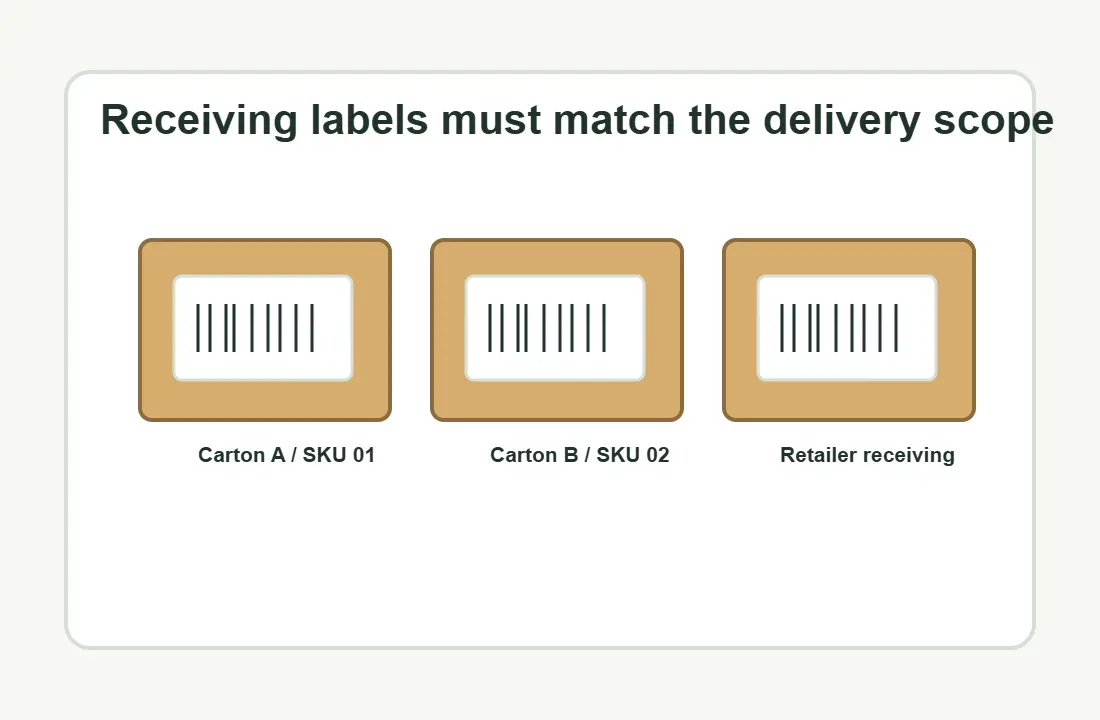
| Multiple SKU | Warehouse receiving risk increases. | Carton mark, SKU label and destination split. |
What customs and warehouse documents should buyers prepare?
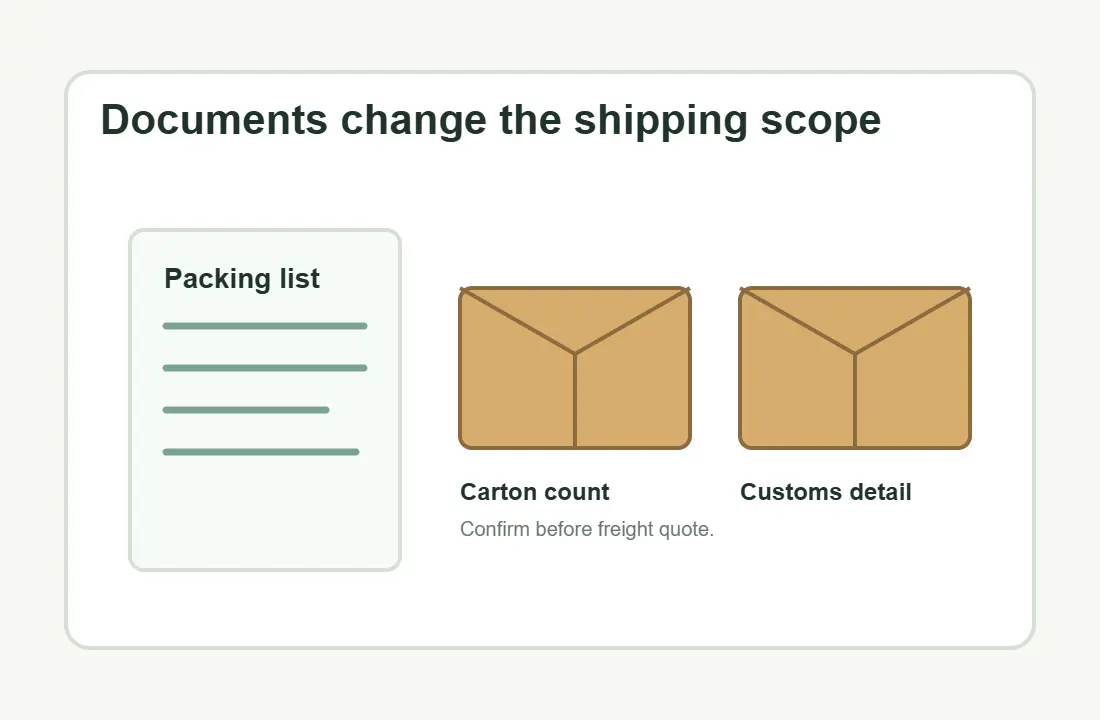
Buyers should prepare destination country, final address, consignee details, tariff or HS discussion, carton marks, retailer labels, delivery window and document requirements before asking for landed-cost or DDP-style pricing.
For the U.S. market, U.S. CBP basic import and export guidance3 is a useful official reference. For EU-bound projects, EU Access2Markets4 helps buyers think about market-access and import requirements.
| Document or field | Why it matters | Risk if missing |
|---|---|---|
| Final delivery address | Needed for door delivery or DDP discussion. | Quote may be only an estimate. |
| Carton mark | Supports warehouse receiving and allocation. | Cartons may need relabeling. |
| SKU or barcode label | Retailers may require receiving labels. | Warehouse appointment or receiving may fail. |
| Destination country | Affects import checks and restrictions. | DDP feasibility cannot be confirmed. |
| Packing list details | Needed for freight and import paperwork. | Customs or forwarder queries may delay shipment. |
When should shipping be discussed during MOQ, sample and bulk stages?
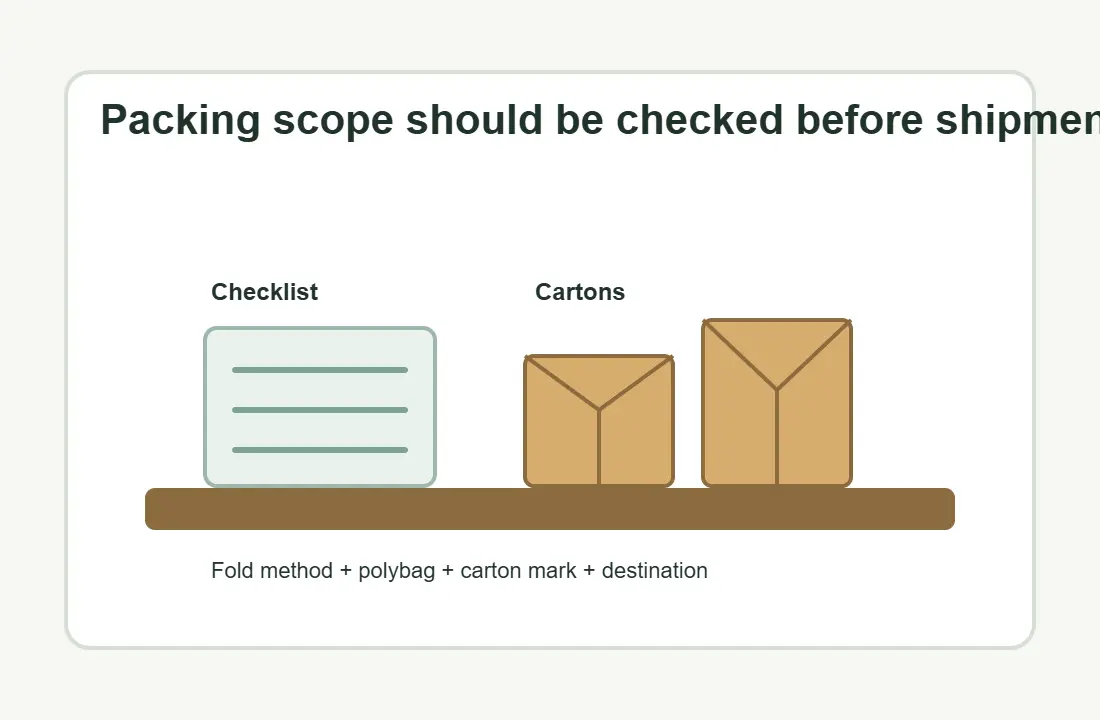
Shipping should be discussed before packaging and pack-out are locked, not after bulk production is finished. Quantity, destination, preferred term, carton estimate, retailer receiving rules and delivery date should be known before final production handoff.
| Stage | What to confirm | Why it matters |
|---|---|---|
| RFQ | Quantity, destination, preferred term and target date. | Prevents misleading unit price comparison. |
| Sample | Packaging, fold route and carton estimate. | Packaging can alter freight scope. |
| Pre-production | Carton marks, retailer label and destination split. | Needed for warehouse receiving. |
| Bulk completion | Final carton count and gross weight. | Needed before booking freight. |
| Delivery | Named port, door address or retailer warehouse window. | Clarifies FOB vs DDP responsibility. |
What should buyers send before asking for EXW, FOB or DDP?
Buyers should send quantity, tote size, material, packaging, set assembly needs, carton label rules, destination country, final delivery address, preferred term, target date and retailer receiving requirements before asking for EXW, FOB or DDP pricing.
Customs facilitation topics from the World Customs Organization5 show why documentation and process clarity matter. A supplier cannot quote a reliable landed scope if the destination and receiving rules are still unknown.
Less suitable fit for shipping-term support
Shipping-term support is less suitable when the buyer cannot confirm quantity, tote size, packaging, destination country, final address, preferred shipping term or delivery deadline. Without those details, EXW, FOB and DDP comparisons become estimates rather than production-ready decisions.
FAQ: Custom tote bag shipping terms
Is FOB the same as delivery to my warehouse?
No. FOB is not final warehouse delivery. It usually relates to the agreed export port scope, while freight, destination charges, customs, local delivery and warehouse receiving may still sit with the buyer or forwarder. Buyers should not compare FOB with DDP unless the missing destination-side scope is added separately and checked against the final warehouse address.
Should beauty GWP buyers ask for DDP?
Beauty GWP buyers can ask for DDP when they need landed-cost planning or internal budget certainty, but the supplier still needs final address, destination country, packaging details, carton volume, restrictions and receiving requirements. DDP is not a magic fixed price if the product scope and delivery scope are still changing.
Why does beauty GWP packaging affect freight?
Beauty GWP paper cards, sleeves, barcode labels, individual polybags and set assembly can increase carton volume and change carton allocation. That can change freight cost even when the tote unit price stays the same. Buyers should confirm packaging and carton assumptions before comparing shipping terms or landed-cost quotes, especially when retailer receiving labels are required.
What should buyers confirm before asking for EXW, FOB or DDP?
Buyers should confirm quantity, tote size, material, packaging, carton label rules, destination country, final delivery address, preferred term, target delivery date and retailer receiving requirements. These details allow the supplier to quote the real responsibility scope instead of giving an estimate that may change after production or packing, and they reduce late freight surprises.
Can Ecoicolortote help compare FOB and DDP quotes?
Ecoicolortote can help buyers separate product cost, packaging scope, carton scope and shipping responsibility so FOB and DDP quotes are easier to compare. The comparison works best when the buyer provides final quantity, carton requirements, delivery address and deadline, because those fields decide whether the quotes are truly comparable and whether landed-cost planning is realistic.
When should shipping be discussed during a tote project?
Shipping should be discussed at RFQ stage and checked again during sample approval, pre-production and bulk completion. Waiting until finished goods are packed can create avoidable problems with carton labels, booking, freight mode, retailer windows or destination documents. Early shipping planning protects launch dates, improves quote comparison and reduces last-minute cost surprises.
When should buyers contact Ecoicolortote?
Contact Ecoicolortote before quote comparison if your team has an MOQ 500+ tote project and needs to compare EXW, FOB, DDP, carton scope, packaging volume, warehouse labels or delivery timing. Early review is most useful for beauty GWP, retail, hotel, event and holiday projects with fixed launch dates and strict receiving requirements.
Send quantity, tote size, packaging scope, carton requirement, destination country, final delivery address and target date. Ecoicolortote can help separate product scope, packaging scope and shipping responsibility before quote comparison. Contact Ecoicolortote.