Zoe Yu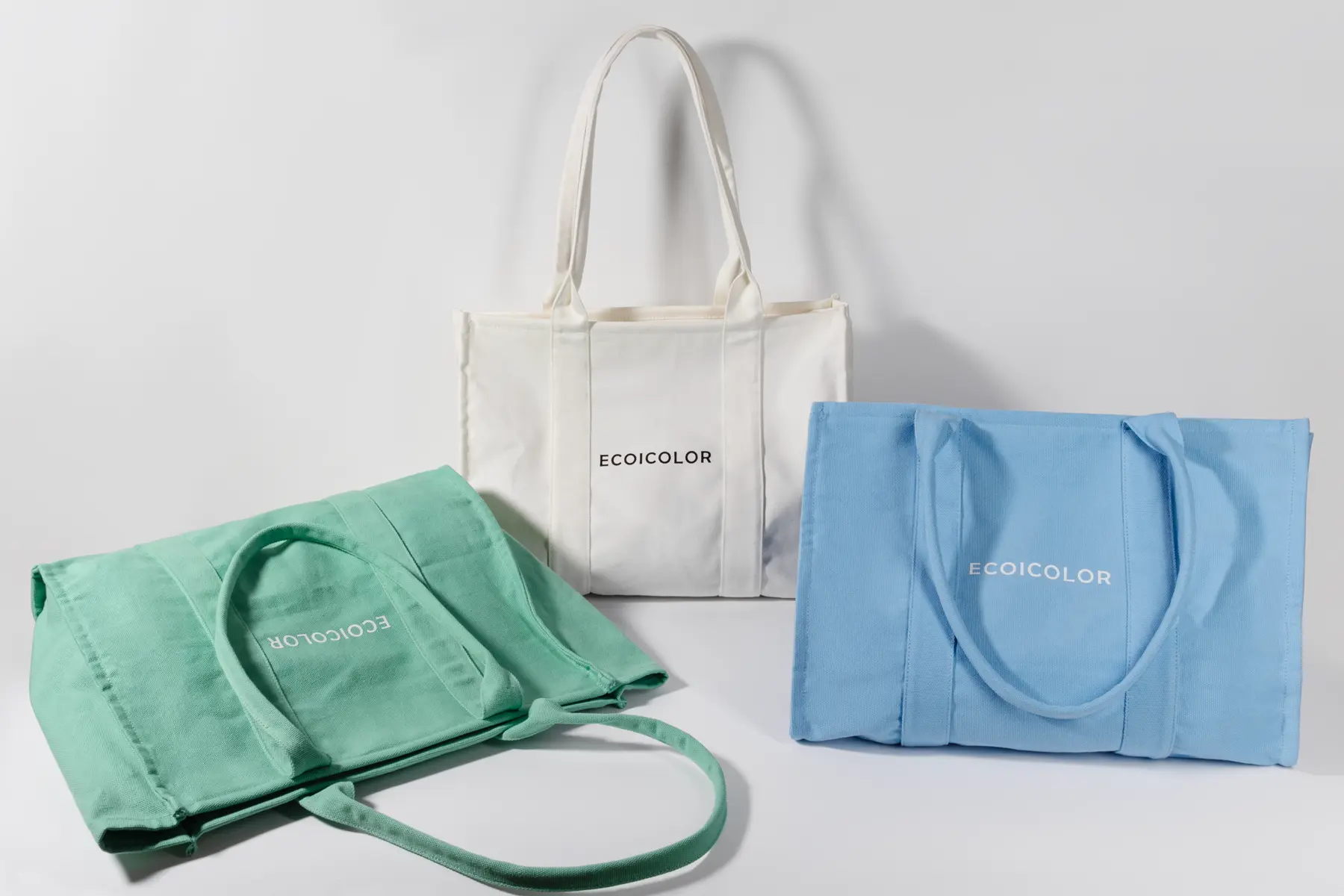
Canvas feels familiar, but custom canvas tote bags can become complicated quickly when a brand project needs the right structure, logo result, packaging and delivery timeline. From our factory side, the important question is not simply whether canvas is good. It is whether the chosen canvas fits the project.
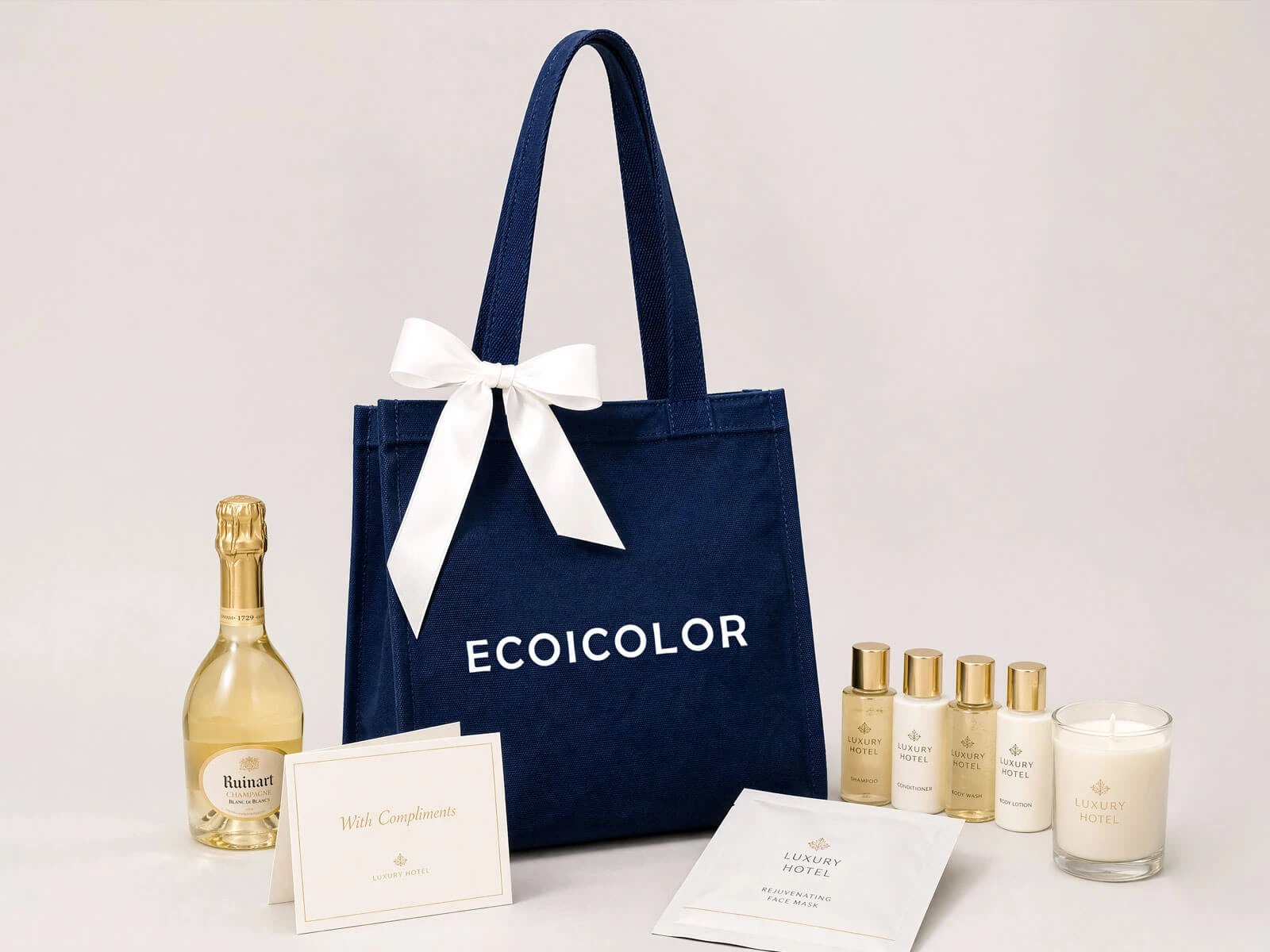
Ecoicolortote usually works with brand buyers on beauty GWP, retail and private label totes, hotel welcome totes, event or conference totes, and seasonal gift projects. Our canvas tote projects start from MOQ 500 pcs per style, and they work best when the buyer can confirm use case, quantity, size, logo file, canvas direction, packaging and timing. Buyers who already know they need a canvas SKU can also review our private label totes and canvas tote bags categories.
For broader project planning, compare this canvas-specific guide with our custom tote bags for brand campaigns overview. The broader guide explains the overall project route; the canvas planning here focuses on material, fabric weight, logo process and sample checks. If the buyer is unsure which canvas route fits, send us the use case, quantity, size and logo file.
Buyer Summary
- Best for: retail/private label totes, premium GWP, hotel gifts, brand merchandise and seasonal gifts from 500 pcs per style.
- Main decision: canvas tote bags should be planned by use case, canvas type, fabric weight, logo process, packaging and sample approval, not by thickness alone.
- What to prepare: use case, quantity, size, canvas type or thickness direction, logo file, packaging needs, target timing and delivery market.
- Factory-side note: canvas handfeel, color, logo process, handle details, packaging and pre-production sample should be confirmed before bulk production.
What is the quick answer for custom canvas tote bags for brands?
Custom canvas tote bags are a good choice when the brand wants structure, reusable feel, visible product quality and a stable logo surface. They are not automatically the best choice for low-budget mass giveaways, extremely rushed projects, very compact packing, or complex full-print artwork that may perform better on rPET or another smoother material.
Canvas is often chosen for retail/private label programs, premium beauty GWP, hotel welcome totes, branded merchandise and seasonal gifts. These projects usually care about handfeel, structure, logo quality, packaging labels and overall brand presentation. If the main need is custom branding rather than canvas specifically, the related product entrance is our custom logo totes page.
If the buyer only says "environmental canvas tote bag," we usually ask a more precise question: do you want a recycled story, organic positioning, natural look, brand-color canvas, cost control, or document support? The answer changes the material direction and quote scope. Send the material goal and budget range if you need a factory recommendation before sampling.
This page explains how brand buyers should plan custom canvas tote bags by canvas weight, handfeel, logo method, sample review and bulk order scope. Related material or product pages help buyers browse product families; this guide helps decide whether canvas is the right production route before sampling.
Use this page when the project needs a canvas-specific decision around structure, thickness, print result, handfeel and packaging. Use the private label or material pages when the buyer already knows the product family and wants to compare available tote options or material directions.
Which brand scenarios are best suited to canvas tote bags?
Canvas is strongest when the project needs structure, a natural or premium handfeel, clear branding and repeated-use value. Retail, private label, premium GWP, hotel welcome and seasonal gift projects usually benefit more from canvas than very short-term, lowest-cost handout projects.
| Project scenario | Buyer priority | Canvas planning point |
|---|---|---|
| Beauty GWP | Budget, capacity, event timing and brand feel | Confirm product fit, fabric body, logo visibility and campaign deadline. |
| Retail / private label | Handfeel, structure, sellable look and packaging labels | Check canvas weight, stitching, hangtag, barcode and shelf presentation. |
| Hotel welcome tote | Clean look, usefulness, delivery timing and property tone | Keep the tote tidy, practical and aligned with the hotel guest experience. |
| Event / conference tote | Quantity, cost, print result and delivery speed | Do not overbuild if the project is mainly a short event handout. |
| Seasonal gift | Artwork, packaging, launch date and giftable feeling | Plan artwork, packaging and sample approval early because internal review can take time. |
Canvas is not the first recommendation for every inquiry. Low-budget mass giveaway bags, extremely urgent projects and complex full-print designs may work better with rPET or another material, depending on artwork and timeline. For broader material comparison, see our tote bag materials by campaign type guide and our rPET, recycled cotton and cotton canvas material guide.
What canvas tote bag details do buyers often miss before RFQ?
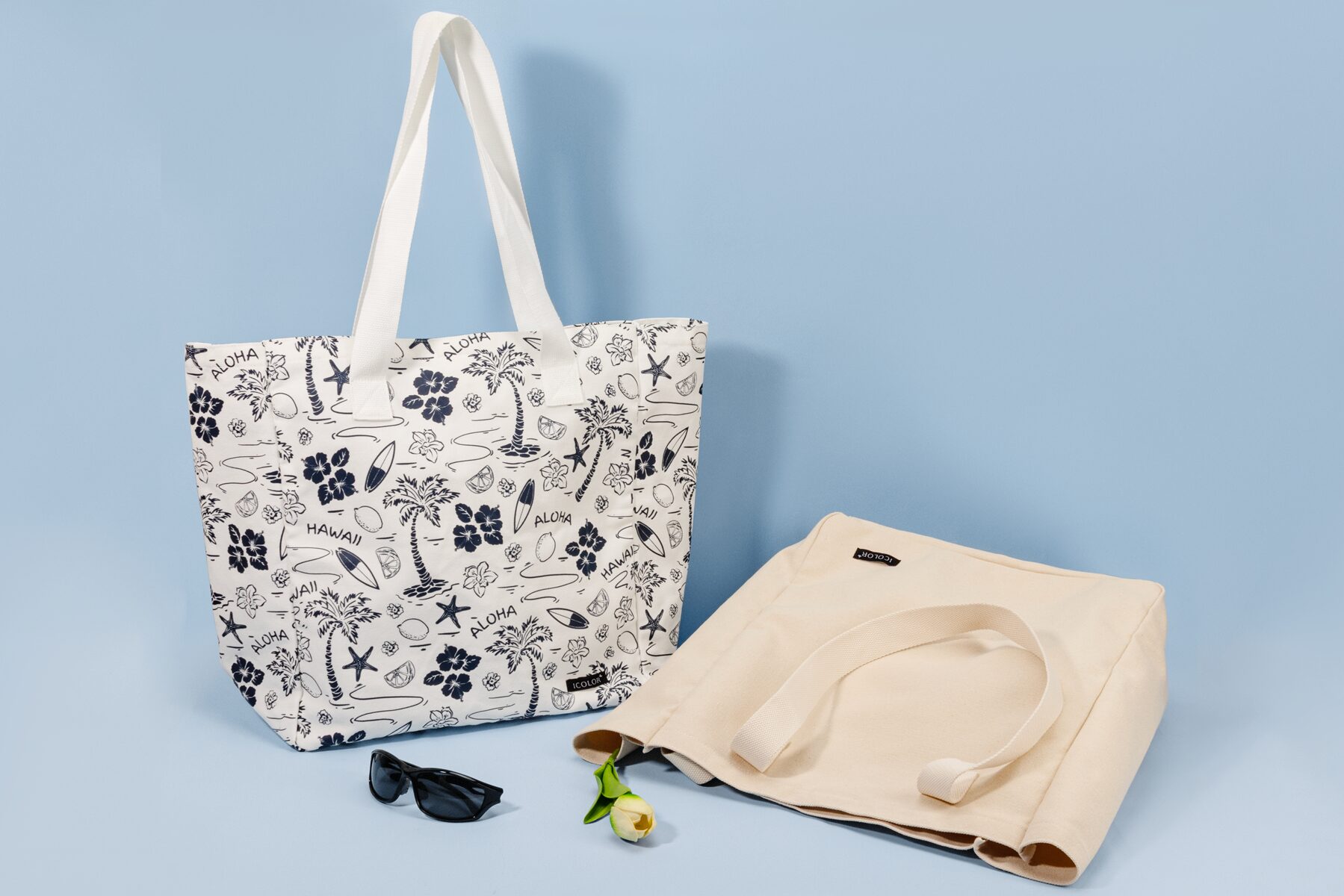
Buyers often miss size, canvas thickness, actual use, product load, logo process, packaging, color and target delivery timing. They also underestimate thick fabric cost, packaging paper items, complex logo setup, sample revisions, carton volume and transport cost.
The most common canvas mistake is approving only a computer mockup. A mockup cannot show handfeel, thickness, folding bulk, color tone, texture, handle comfort, real product fit or how the logo looks on the fabric surface.
Other common mistakes include a logo that is too large, a process that does not match the canvas texture, choosing the wrong fabric thickness, not testing the real products inside the bag, expecting exact color from screen view, and adding packaging or label requirements after the sample is already approved. Pantone color systems7 can make color communication clearer, but canvas color should still be approved on physical samples or lab dips when brand color matters.
- Size: Bag dimensions and product dimensions must be checked together.
- Canvas weight: Thickness affects structure, cost, folding bulk and shipment.
- Logo file: Vector artwork and Pantone references reduce sample surprises.
- Packaging: Paper cards, hangtags, labels and cartons change both cost and timing.
- Color: Dyed canvas and brand colors should be approved with physical samples.
- Documents: Material, packaging, audit or claim documents should be defined before quoting.
Which canvas types should brands compare before choosing?
Common canvas routes include natural canvas, bleached canvas, dyed canvas, printed canvas, organic cotton canvas, recycled cotton canvas and rPET canvas. They are not only different levels of "eco." They can differ in handfeel, visual effect, logo compatibility, document scope, price and lead time.
| Canvas route | Often fits | Buyer check |
|---|---|---|
| Natural canvas | Natural look, clean branding, basic retail tote | Confirm tone variation and whether the natural color supports the brand look. |
| Bleached canvas | Cleaner and brighter base color | Useful when logo color or product photography needs a lighter base. |
| Dyed canvas | Brand-color projects | Needs color confirmation, often by Pantone, lab dip or physical sample. |
| Printed canvas | Pattern-led projects and seasonal artwork | Confirm artwork scale, fabric texture, color result and sample approval. |
| Organic cotton canvas | Clean beauty, wellness or premium natural positioning | Do not use organic claims unless the document scope supports the claim. |
| Recycled cotton canvas | Projects that want a recycled-content story | Confirm handfeel, composition and document expectations before claim use. |
| rPET canvas | More complex artwork, lightweight feel or specific functional direction | Check recycled-content claim scope and logo process compatibility. |
Environmental language should stay specific. FTC Green Guides summary1 help keep environmental marketing claims truthful and properly qualified. For textile safety, OEKO-TEX STANDARD 1002 can support harmful-substance discussions, but it is not a general environmental material claim. For recycled-content discussions, Global Recycled Standard3 can help frame documentation scope, but exact order-level requirements should be confirmed before claim wording is used. For the material page behind these options, see Ecoicolortote's canvas materials page.
How should buyers choose canvas weight for a brand tote?
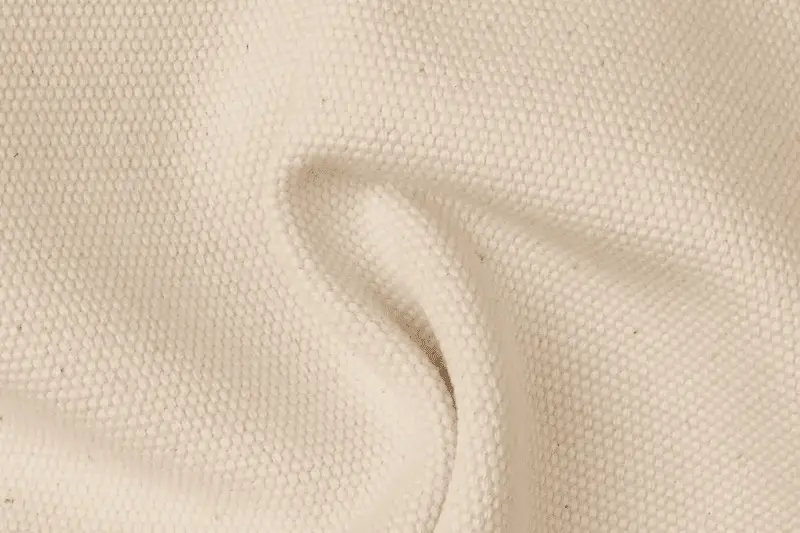
Canvas weight should be chosen by use case. Light canvas can fit event bags and budget-sensitive gifts; mid-weight canvas fits many beauty, retail, hotel and brand gift projects; thick canvas fits retail/private label or stronger-structure projects. Heavier is not always better.
We usually explain canvas weight with both technical and practical language. Some buyers understand oz or gsm; others understand light, medium and thick. The important point is how the tote will be used, what it must hold and what it should feel like in the customer's hand.
| Weight direction | Good fit | Trade-off |
|---|---|---|
| Light canvas | Lower-to-mid budget GWP, events, lightweight gifts | Better for folding and shipping, but less structure. |
| Mid-weight canvas | Most beauty, retail, hotel and brand gift projects | Usually the balanced option for handfeel, cost and structure. |
| Thick canvas | Retail/private label, stronger structure, clearer sellable value | Can increase cost, fold marks, carton volume and transport cost. |
Natural-fiber canvas may show normal variation in handfeel, texture and color tone. Approval should be based on physical samples and agreed production tolerance, not only digital mockups or screen color.
Which logo process works best on canvas tote bags?
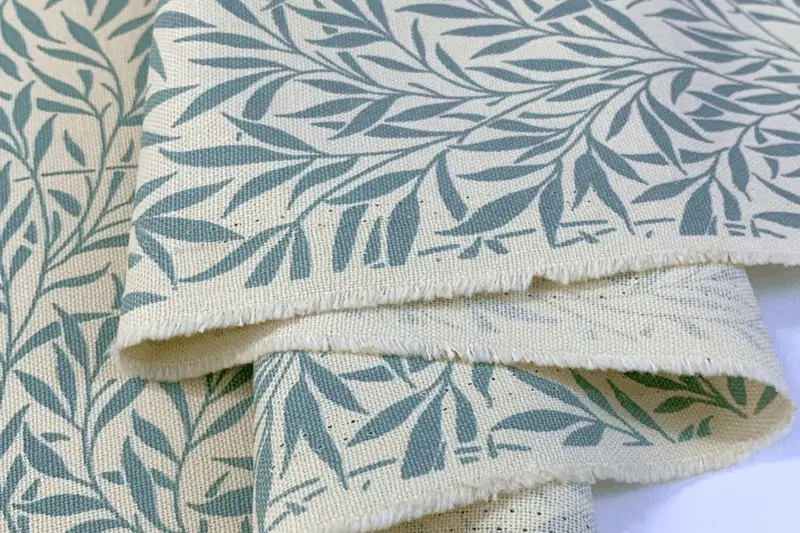
Screen printing works well for simple logos and clear color blocks, embroidery works for small premium logos, heat transfer works for complex multi-color artwork, and woven labels, patches, leather labels or metal plates work for retail-style brand details.
Canvas is logo-friendly, but the fabric surface still matters. Low-resolution files, unoutlined fonts, missing Pantone references, thin lines, tiny text and mismatched logo process choices can all create weak samples. For artwork preparation, use our logo file requirements for custom tote bags guide.
| Logo method | Best use on canvas | Watch point |
|---|---|---|
| Screen printing | Simple logos, text marks, solid color graphics, front branding | Fine lines, small text and opacity should be reviewed on real fabric. |
| Heat transfer | Multi-color, gradient or complex artwork | Check handfeel, edge, durability and fabric texture interaction. |
| Embroidery | Small logo, simple graphic, premium retail or hotel feel | Tiny letters, thin lines, many colors and large filled areas can be risky. |
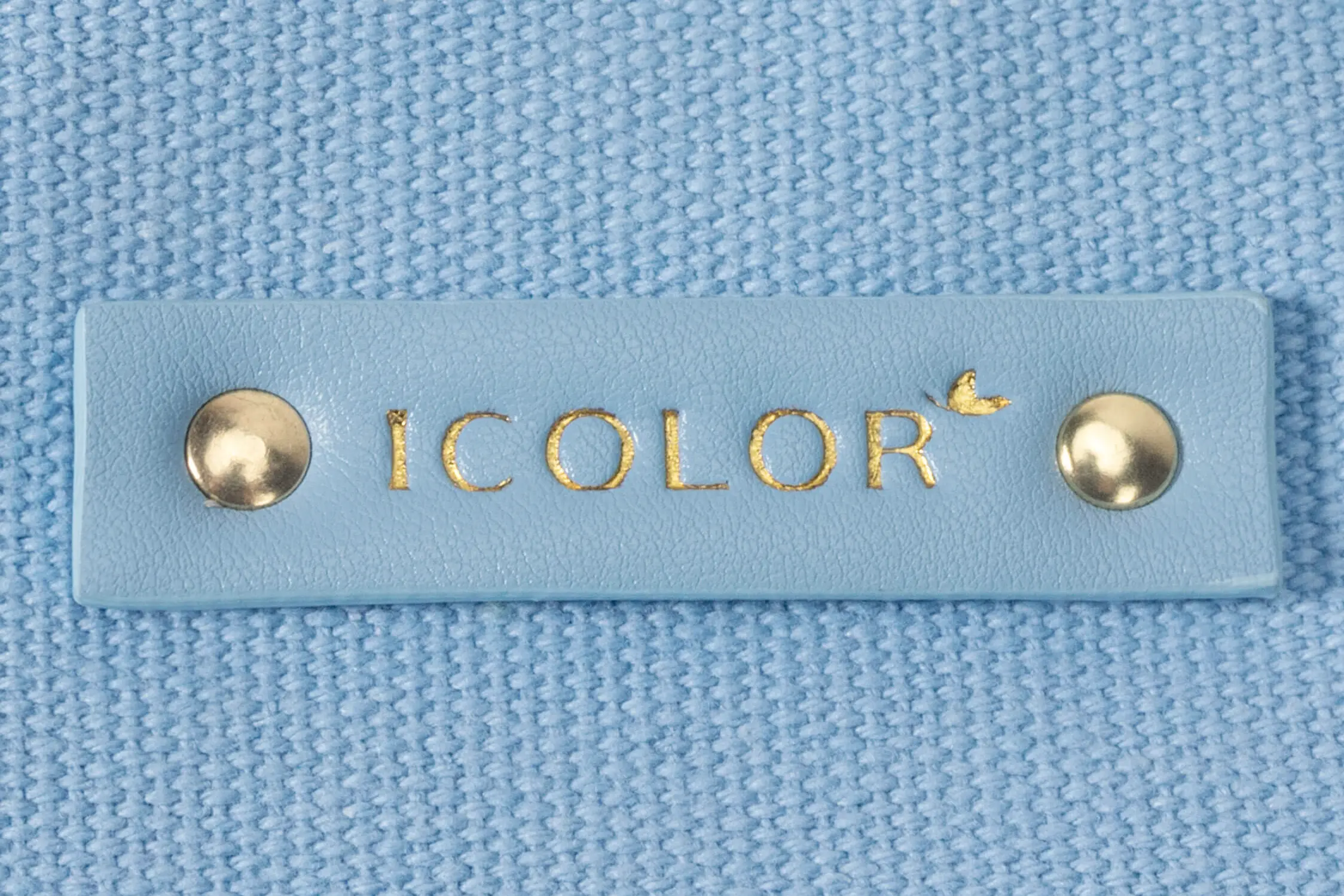
| Woven label / patch | Retail/private label and lifestyle branding | Placement, edge finish and attachment method should match the bag structure. |
| Metal plate / leather label | Premium gift or stronger brand detail | Cost, weight, attachment and material claim wording need review. |
When a buyer's preferred process does not match the artwork, fabric surface, budget or brand target, we recommend changing the process before sampling. For process-specific decisions, see our heat transfer printing and embroidery custom tote bags guides.
What MOQ, color and sampling checks should buyers expect?
Ecoicolortote custom canvas tote projects start from MOQ 500 pcs per style. The most common setup is one size, one to two colors, one main logo process and basic packaging. Multiple colors should usually be controlled carefully because each color split affects cost and execution efficiency.
At 500 pcs, two colors can sometimes be discussed if each color keeps a reasonable quantity. More colors can increase material allocation work, setup complexity and unit cost. If dyed canvas, thick fabric, patch, metal detail or complex packaging is involved, sample timing may also become longer.
Sample timing is confirmed after the material, construction, logo method, artwork, packaging and approval scope are clear; the working schedule also depends on revision speed and current capacity.
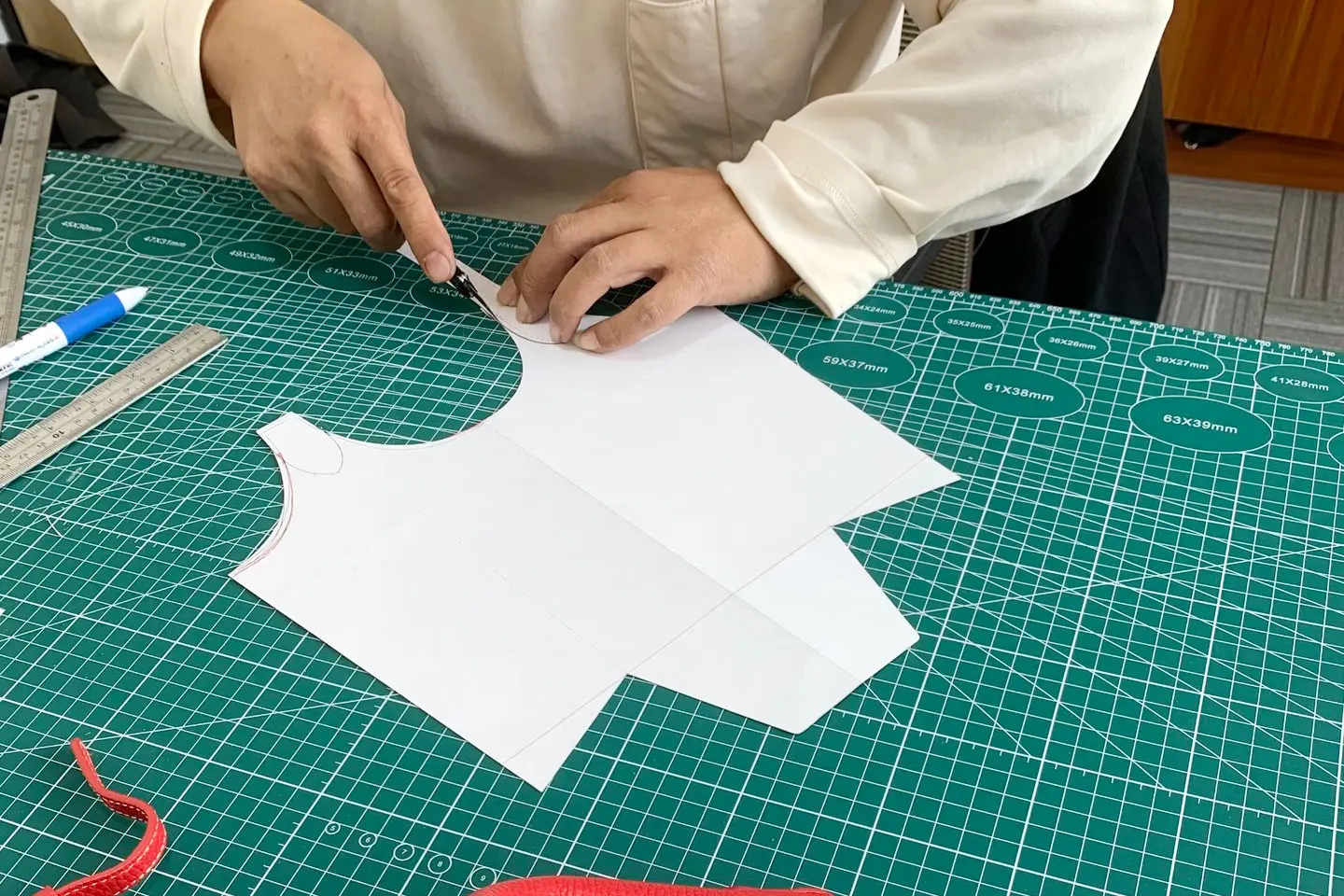
Before bulk production, buyers should confirm size, canvas type, thickness, color, logo process, packaging, labels, document requirements, pre-production sample and delivery milestones. The pre-production sample is important because canvas handfeel, color, thickness, structure and logo effect all rely on physical confirmation. Our sample approval mistakes article gives a deeper checklist.
How should packaging and labels be planned for canvas tote bags?
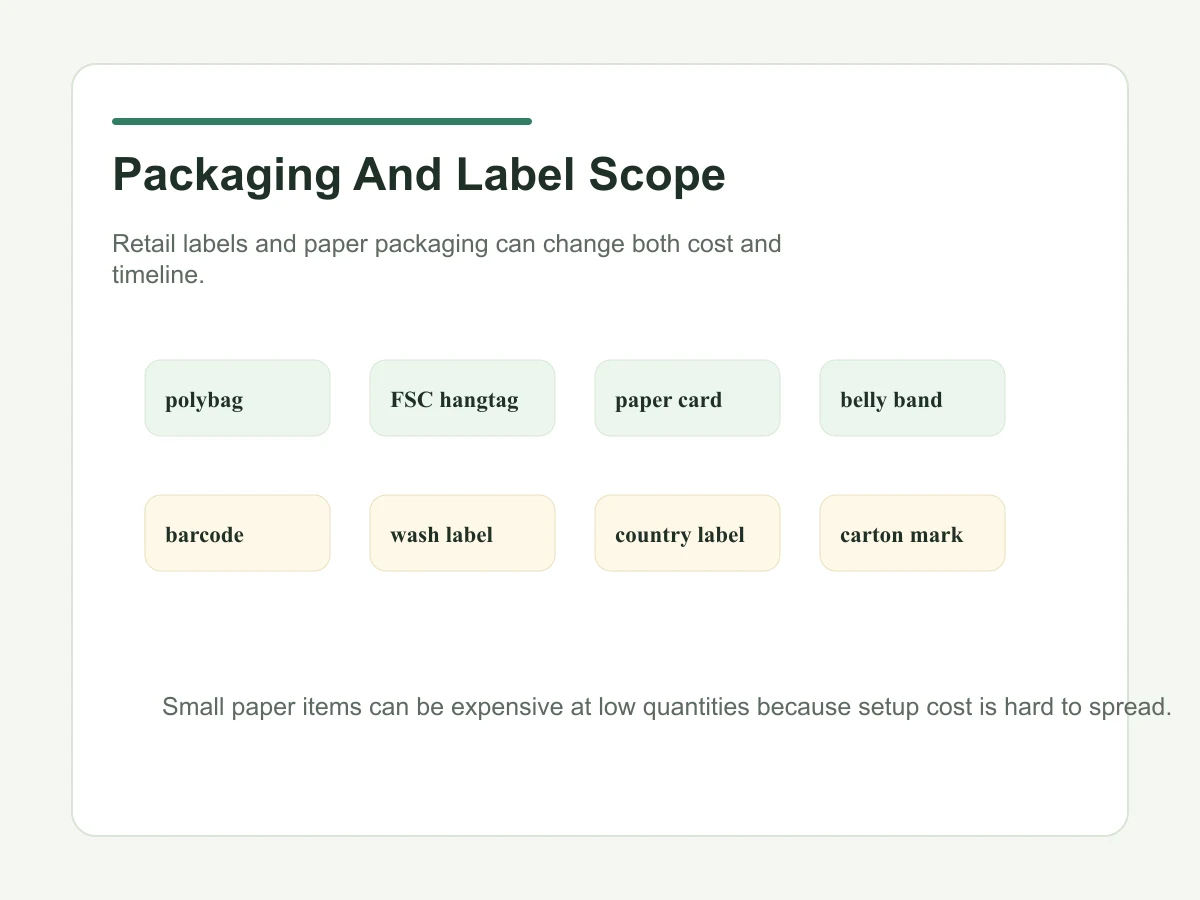
Canvas tote packaging often includes individual polybags, recycled-content polybags, FSC hangtags, paper cards, belly bands, barcode stickers, wash labels, composition labels, country-of-origin labels and carton marks. Retail/private label projects usually need more label planning than simple event totes.
Paper cards, hangtags, barcode stickers, wash labels, complex combination packing, gift boxes and retail labels can affect cost, timeline and MOQ. Small-batch retail packaging is often more expensive than buyers expect because paper items and labels have setup requirements.
Canvas thickness, folding method and structure can also affect carton volume and transport cost. Thick canvas, bottom gusset, lining or stronger structure may improve perceived value, but the packed size should be checked before final quote comparison.
For paper-based packaging claims, FSC paper and packaging4 mainly applies to paper cards, hangtags or cartons, not the canvas fabric itself. Retail barcode requirements may also need GS1 General Specifications5 or buyer-specific label rules. For details, use our custom tote bag packaging options guide.
Why should buyers not compare canvas tote bags by lowest unit price only?
Canvas tote quotes are comparable only when size, thickness, canvas type, dyeing method, logo process, packaging, labels, document scope and delivery terms are aligned. Otherwise, the lowest unit price may be comparing a different product.
Two suppliers can both quote "custom canvas tote bags," but one may assume light natural canvas, basic screen print and simple polybag, while another includes dyed canvas, woven label, hangtag, barcode, wash label and pre-production sample approval.
For canvas projects, comparing specification line by line is more useful than asking for the lowest number first. Our custom tote bag supplier quote comparison guide explains how to compare quote scope more carefully.
Who We Don't Take On
Ecoicolortote is a better fit for brand-led canvas tote projects with MOQ 500+, clear use cases, sample confirmation and material, logo, packaging and document coordination. We are usually not the right fit for personal one-off orders, below-MOQ testing, lowest-price-only sourcing or projects that skip physical sample approval.
Some inquiries look attractive at first but are not practical: extremely low budget, extremely short timeline, thick canvas, complex logo and full retail packaging all in one small order. In those cases, the project expectations and execution reality may not match.
We prefer to help buyers who want a clear canvas tote project: retail/private label, premium GWP, hotel welcome tote, brand merch or seasonal gift with realistic MOQ, sample approval and packaging requirements.
What should buyers send to start a custom canvas tote bag project?
To start a custom canvas tote bag project, send the use case, quantity, size, canvas type or thickness direction, logo file, packaging needs, target timing and delivery market. If canvas type, weight or logo process is not decided, we can recommend a route based on your brand target and budget.
| RFQ item | What to send | Why it matters |
|---|---|---|
| Use case | Retail, GWP, hotel, event, conference or seasonal gift | Defines canvas weight, structure, packaging and delivery priorities. |
| Quantity | MOQ 500+ per style; color split if needed | Controls material planning, setup efficiency and unit cost. |
| Size | Bag dimensions or products that must fit inside | Prevents samples that look good but do not work for the real contents. |
| Canvas direction | Natural, bleached, dyed, printed, organic, recycled cotton or rPET canvas | Changes handfeel, claim wording, logo effect and document needs. |
| Logo file | AI, EPS or editable PDF; Pantone if needed | Allows factory to judge screen print, heat transfer, embroidery or label route. |
| Packaging | Polybag, hangtag, paper card, barcode, wash label or retail package | Packaging can change cost, lead time and carton planning. |
| Documents | OEKO-TEX, FSC packaging, BSCI, buyer audit or claim requirements | Document scope must match material, factory, order and claim wording. |
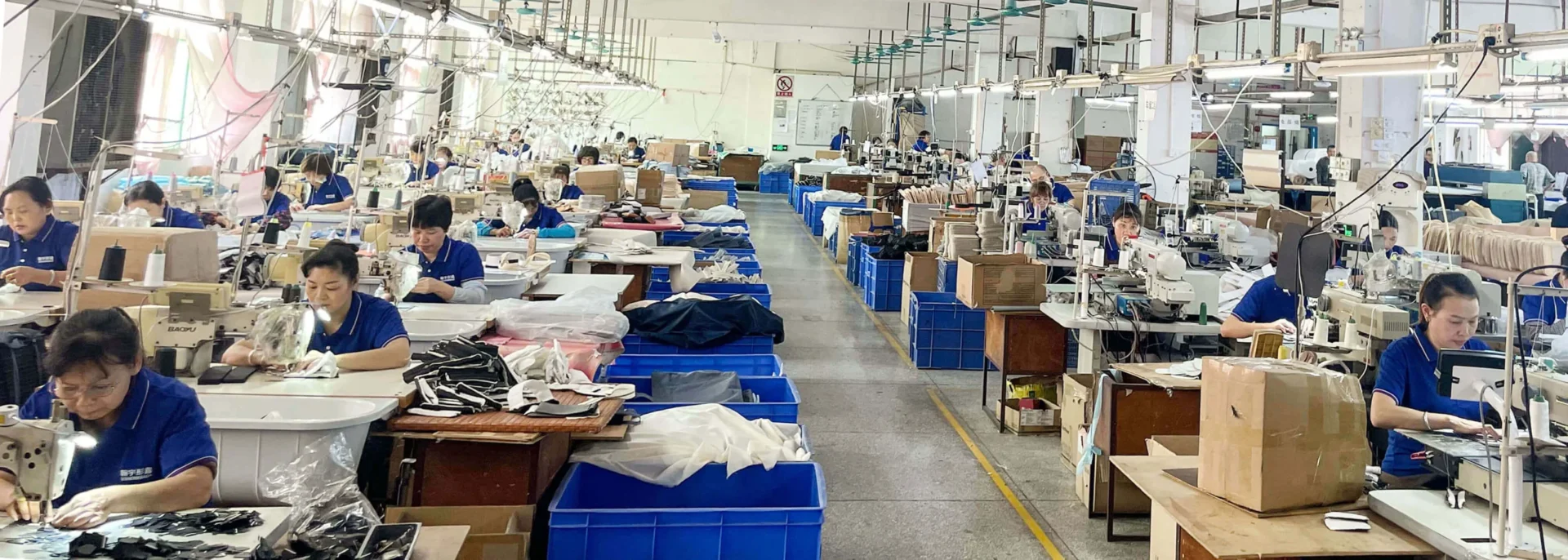
Some buyers also ask for factory social-compliance support or video audit. amfori BSCI6 is one common social-compliance framework that brands may reference, but the exact requirement should be confirmed before quoting. Dongguan supply-chain coordination can help when a canvas project combines logo process, woven label, patch, metal detail, paper packaging, fast sampling and audit communication. For workflow details after RFQ, see our custom tote bag manufacturing process.
If you want to prepare a fuller brief before contacting us, use the custom tote bag RFQ checklist for brand buyers.
FAQ
What are custom canvas tote bags best used for?
Custom canvas tote bags are best used for retail or private label totes, premium GWP projects, hotel welcome totes, brand merchandise and seasonal gifts where structure, reusable feel and product quality matter.
Is thicker canvas always better for brand tote bags?
No. Thicker canvas can improve structure and perceived value, but it can also increase cost, weight, folding bulk, carton volume and transport cost. The right weight depends on use case, budget, packing method and brand positioning.
Which logo process works best on canvas tote bags?
Screen printing usually fits simple logos and clear color blocks, embroidery fits small premium marks, heat transfer fits complex multi-color artwork, and woven labels or patches fit retail-style brand details. The best process depends on artwork, fabric surface, budget and positioning.
What MOQ does Ecoicolortote use for custom canvas tote bags?
Ecoicolortote custom canvas tote bag projects start from MOQ 500 pcs per style. A common setup is one size, one to two colors, one main logo process and basic packaging.
What should buyers confirm before bulk canvas tote production?
Buyers should confirm size, canvas type, fabric weight, color, logo process, handle details, packaging, labels, document requirements, pre-production sample and delivery timeline before bulk production.
How is this canvas guide different from material or product pages?
This guide focuses on canvas-specific planning such as fabric weight, handfeel, logo method, sample review and bulk order scope. Product pages are better for browsing tote families after the buyer knows the route.
Should buyers approve a physical canvas sample before bulk order?
Yes. Canvas handfeel, thickness, color tone, folding bulk, logo result and packaging fit should be checked through a physical sample before bulk production starts.
Send your use case, quantity, size, canvas direction, logo file, packaging needs and timing. If you are not sure which canvas type, weight or logo process fits, we can recommend a project route before sampling. Contact Ecoicolortote.
Sources
- FTC Green Guides summary - environmental marketing claims↩
- OEKO-TEX STANDARD 100 - textile safety reference↩
- Global Recycled Standard - Textile Standards↩
- FSC paper and packaging↩
- GS1 General Specifications - barcode and identification standards↩
- amfori BSCI audit guidance - producer audit requests↩
- Pantone color systems explained↩