Zoe Yu
 Custom tote bag handle drop looks like a small construction detail, but it changes how a beauty GWP, retail tote, hotel welcome bag or event giveaway feels in real use. From our factory side, handle drop should be confirmed with contents, carry style, logo placement, stitching and physical sample approval before bulk production.
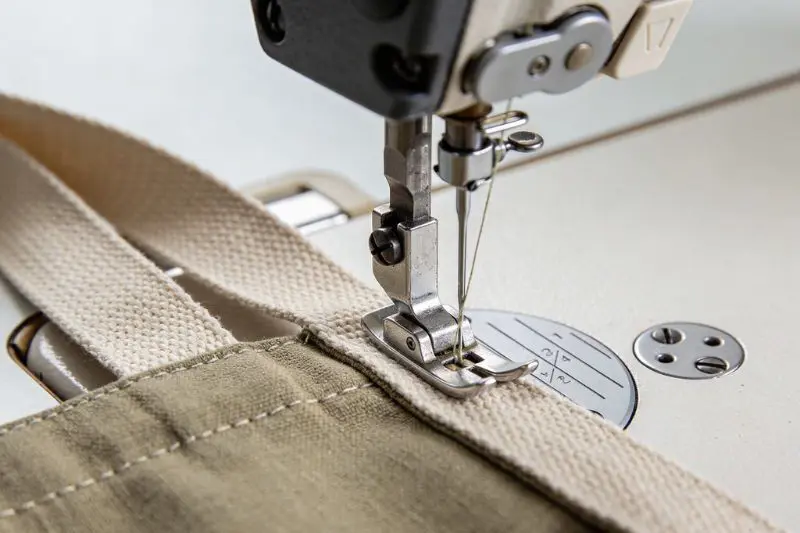
Buyer Summary
- Best for: beauty GWP, retail private label, hotel welcome, resort, event and corporate gift buyers sourcing custom tote bags from 500 pcs per style.
- Main decision: confirm whether the tote should be hand carry, forearm carry or shoulder carry before handle length, width, stitching and packaging are locked.
- Factory-side note: handle drop should be judged on a filled physical sample, not only on a flat mockup or empty tote photo.
- What to prepare: use case, quantity, bag size, contents or product dimensions, carry style, logo file, material direction, packaging and target launch date.
What is the quick answer for custom tote bag handle drop?
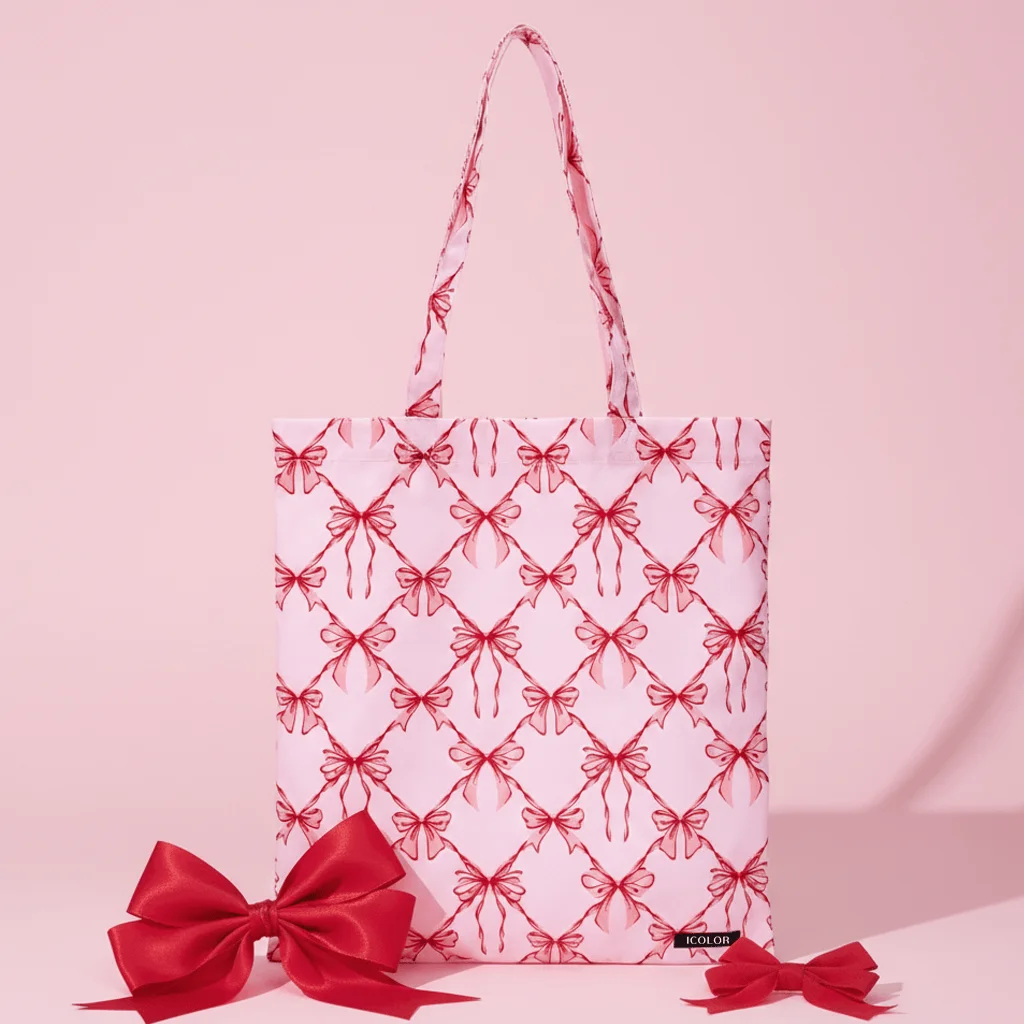
Custom tote bag handle drop should be chosen from the real carrying style and contents. A short drop can work for tidy hand-carry gift presentation, while a longer drop may be better for forearm or shoulder reuse. Buyers should confirm handle drop, handle width, stitching, logo safe area, opening, packaging and filled sample comfort before bulk approval.
In sourcing conversations, handle drop is often treated as a number. In production, it becomes a construction standard. If the tote holds skincare bottles, a retail product set, hotel amenities or event documents, the same handle drop can feel different once the bag is filled and carried.
Best fit for this handle drop guide
This guide is best for brand buyers who already know the approximate tote size and need to confirm whether the handle should support hand carry, forearm carry, shoulder carry or repeated-use retail carry.
It is especially useful when product contents, logo position, packaging format or guest/customer reuse can change the handle route. Beauty GWP buyers may need a neat gift feel, while retail or hotel buyers may need more comfort after the first handoff.
Use this guide before sampling if your team is preparing MOQ 500+ custom totes and needs to avoid late changes to handle length, webbing width, stitch reinforcement, carton packing or sample approval notes.
How is this guide different from the size guide and structure guide?
This guide is narrow by design. A tote size guide helps decide width, height and gusset. A structure guide compares closures, pockets, lining and bottom support. This article focuses only on how handle drop changes carry comfort, visual proportion, logo safe area, sample fit and production handoff.
| Related route | What it answers | What this guide answers |
|---|---|---|
| Standard tote bag sizes | Common width, height, gusset and capacity ranges. | Whether the chosen size works with the intended carry style. |
| Material route | Which material fits the campaign, artwork and claim scope. | Whether the material supports the handle and expected load. |
| Logo placement | Logo size, safe area and placement decision. | Whether handle roots crowd the logo or change visual balance. |
| RFQ checklist | What buyers should send for quotation. | Which handle and carrying details should be added to the brief. |
Which brand projects need handle drop decisions most?
Beauty GWP, retail private label, hotel welcome, event and corporate gift projects use tote handles differently. A handle that looks good in a photo may feel too short, too long or too weak once the actual contents are inside.
| Project type | Common carrying need | Handle drop risk |
|---|---|---|
| Beauty GWP | Gift feel, product fit and tidy hand carry. | Too long can make the gift look less controlled. |
| Retail tote | Shoulder or forearm reuse after purchase. | Too short can reduce repeat use and customer comfort. |
| Hotel welcome tote | Room display plus practical guest use. | Oversized handles can look messy in the room. |
| Event giveaway | Fast pickup, documents and light contents. | Overbuilt handles may add cost without improving value. |
| Large gift tote | Comfort under product load. | Handle width and reinforcement may matter more than length alone. |
What do buyers often misunderstand about tote bag handle drop?
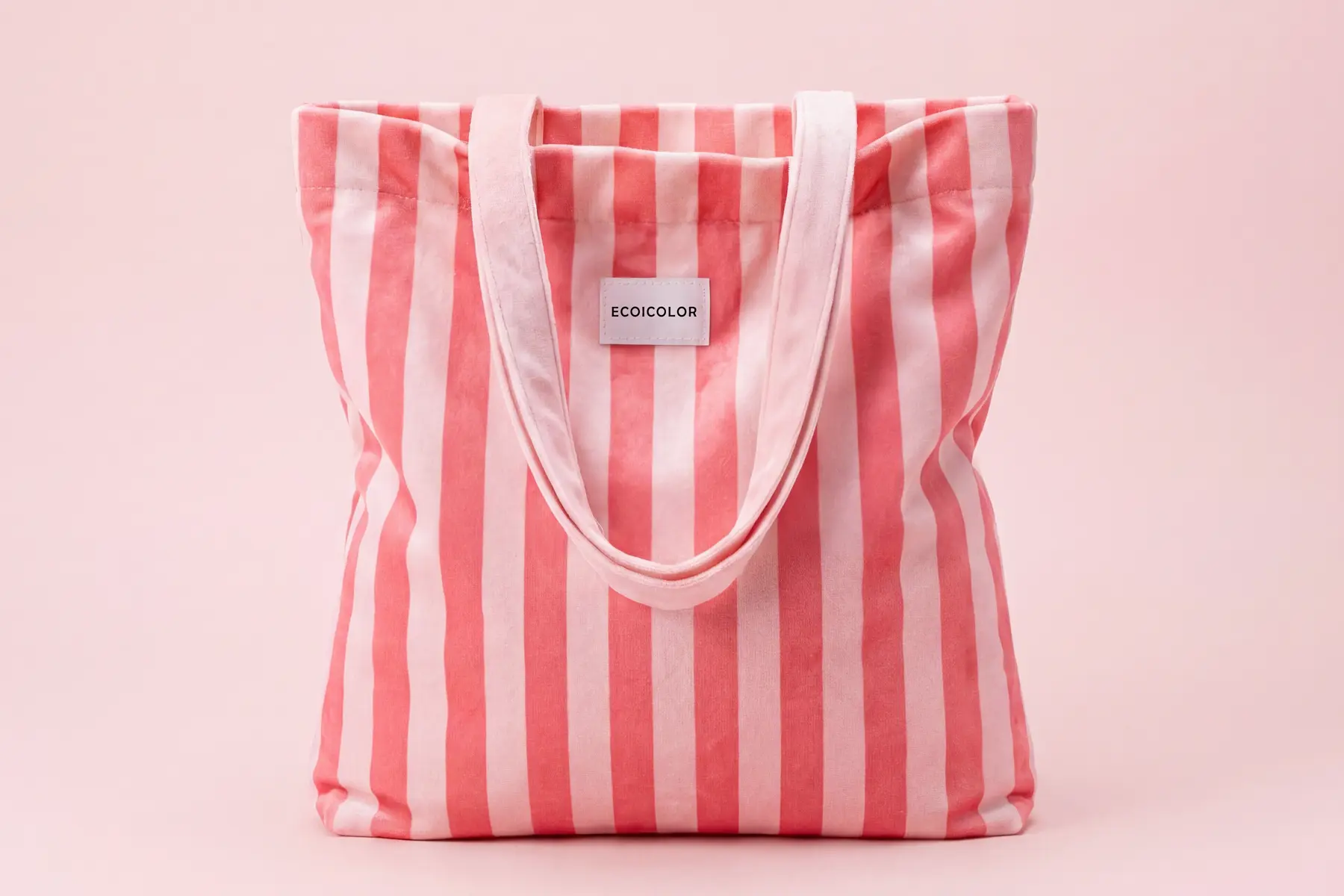
Buyers often assume a longer handle is automatically better, or that one handle drop can work across every tote size and project type. The real answer depends on contents, material, tote height, handle width, logo area, packaging and expected customer use.
How should handle drop be measured before sampling?
Handle drop is usually measured from the top opening of the tote to the highest point of the raised handle. Buyers should also confirm handle width, opening clearance, actual contents, logo position and the way a customer will naturally pick up the bag.
For a beauty GWP tote, a neat hand-carry route may be enough. For a retail tote, the buyer may need forearm or shoulder comfort. For a hotel or resort tote, the handle should work for room display and guest use. The measurement should therefore be tied to use, not only a size chart.
| Carry route | Buyer should check | Common sample note |
|---|---|---|
| Hand carry | Visual neatness, gift table display and short trip use. | Useful for GWP and event handout when contents are light. |
| Forearm carry | Sleeve clearance, bag height and contents. | Often useful for beauty, retail and hotel projects. |
| Shoulder carry | Drop length, outerwear, handle width and bag weight. | Needs physical fit check with actual product load. |
| Travel carry | Longer use, closure, reinforcement and contents. | May need wider handle, stronger stitching or additional support. |
How do handle type, width and stitching change the result?
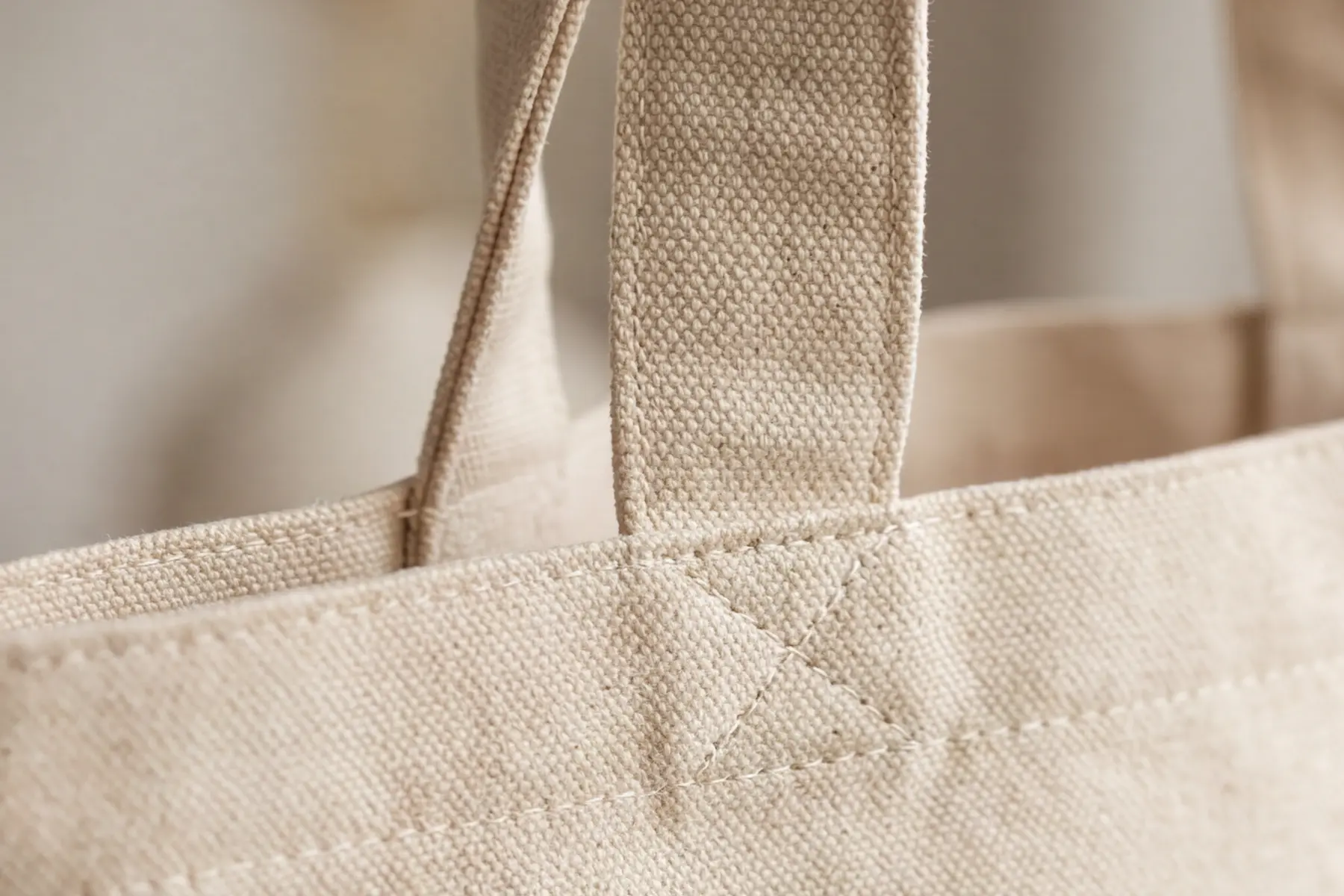
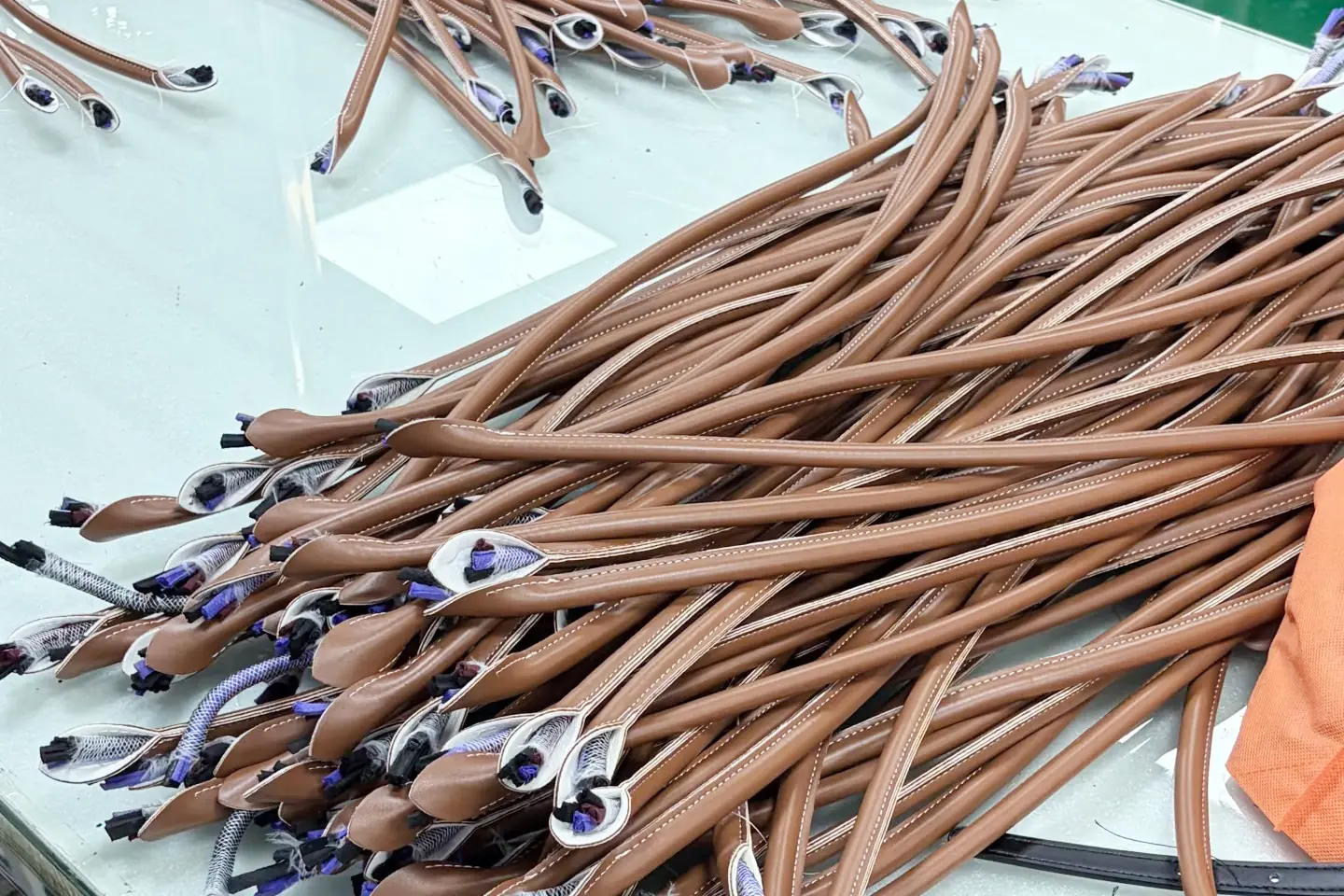
Handle drop is only one part of the carrying experience. Handle material, width, seam position, reinforcement stitch and fabric support can change whether the tote feels stable, comfortable and brand-appropriate.
If a project is intended for repeated use, buyers should discuss reinforcement and testing expectations before sample approval. Product safety, restricted substances and testing requirements should match the actual material and destination market, using references such as CPSC testing and certification guidance2 when relevant.
| Handle route | Best fit | What to confirm |
|---|---|---|
| Self-fabric handle | Clean visual, simple GWP and soft brand feel. | Thickness, seam finish and comfort. |
| Cotton webbing | Retail, hotel and repeated use. | Width, color, stitching and edge feel. |
| Rope handle | Gift, resort or lifestyle styling. | Attachment, comfort and brand tone. |
| Padded handle | Heavier contents or premium use. | Added cost, bulk and sample feel. |
| Adjustable strap | Travel or multi-use projects. | Hardware, MOQ, weight and timing. |
How can handle drop affect logo placement, opening and packaging?
A handle that looks fine on a blank mockup can create problems once logo artwork, packaging and real contents are added. Handle roots may reduce the clean print area, and a long drop can change how the tote folds into a polybag, paper card or gift sleeve.
| Detail | Why it matters | Confirm before sample approval |
|---|---|---|
| Logo position | Handle seams can crowd the top print area. | Logo safe area and visual proportion. |
| Opening width | Shoulder handles can pull the mouth inward. | Product loading and easy access. |
| Packaging | Long handles change folding and pack-out. | Fold method, hangtag and polybag fit. |
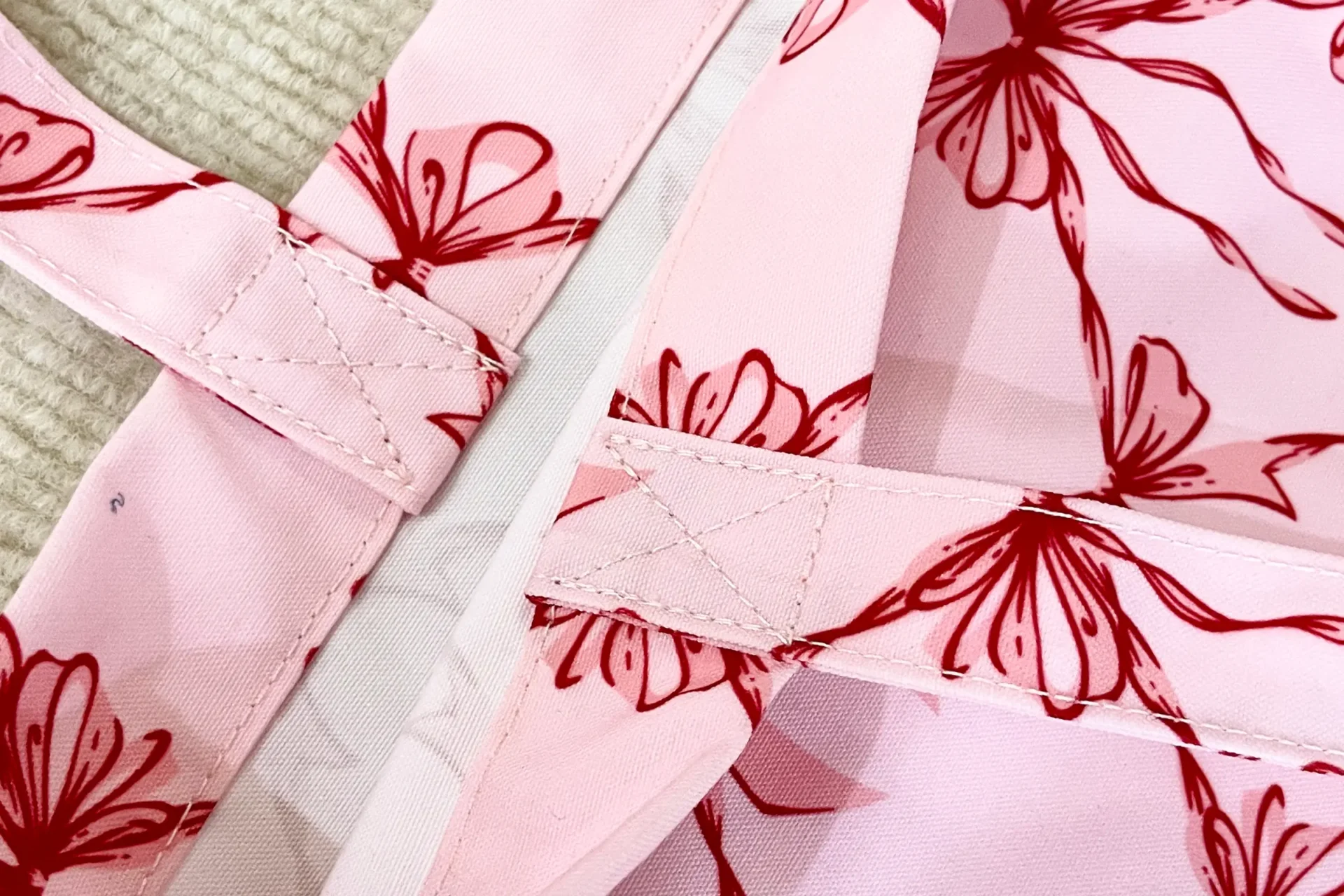
| Reinforcement | Heavier use needs stronger stitch points. | Stitching route and physical pull feel. |
What should buyers confirm on the physical sample?
Handle drop cannot be fully approved from a drawing. The buyer should carry the physical sample by hand, on the forearm and over the shoulder with expected contents inside, then check whether the handle feels too short, too long, too narrow, too stiff or visually unbalanced.
If the project also has textile safety, restricted-substance or brand document requirements, references such as OEKO-TEX STANDARD 1003 should be checked against the actual material and order scope. The approved physical sample should become the production standard.
- Put the real product, box, catalog or gift set inside the tote.
- Carry it by hand, forearm and shoulder where relevant.
- Check whether the handle width and drop feel comfortable under load.
- Look at the logo after the bag is filled, not only while flat.
- Confirm folding, hangtag, barcode, sleeve, polybag and carton packing if packaging is part of the project.
What MOQ, cost and timing issues come from handle changes?
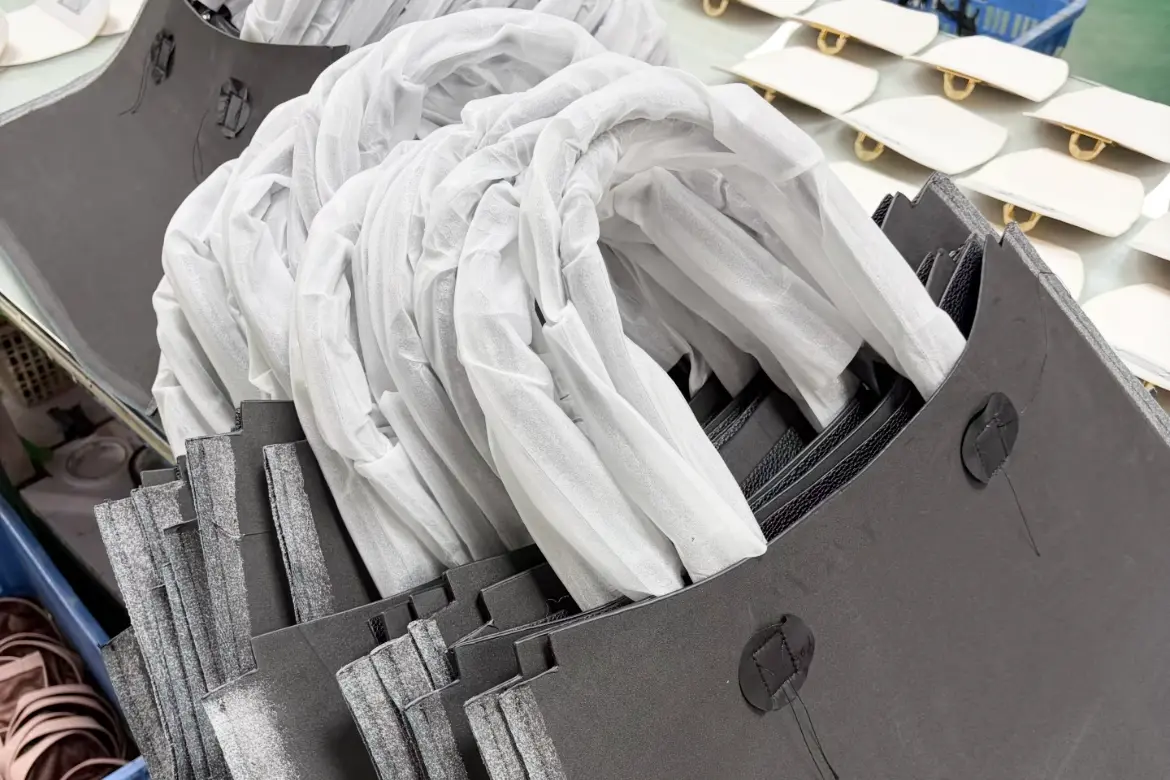
At MOQ 500 pcs per style, the most stable route is usually one bag size, one handle type, one handle drop target and one main logo process. Multiple handle versions can increase sample rounds, material allocation, sewing instructions, QC points and production control.
Sample timing is confirmed after the material, construction, logo method, artwork, packaging and approval scope are clear; the working schedule also depends on revision speed and current capacity.
| Change | Cost or timing effect | Better planning route |
|---|---|---|
| Longer handle | More material and possible fold change. | Confirm carry style before sampling. |
| Different webbing color | May need material matching or additional sourcing. | Approve webbing color with fabric color. |
| Reinforced stitching | Can add sewing time but improves confidence. | Use when contents are heavier or retail use is expected. |
| Multiple handle versions | More samples and more QC points. | Unify bag body and vary hangtag or packaging where possible. |
Handle-drop sample checklist
This is a planning checklist, not a customer case or launch result.
- Confirm hand, forearm or shoulder carry with the real contents inside.
- Measure handle drop from the opening to the inside top of the handle.
- Check webbing width, handle roots, reinforcement and pull direction.
- Review opening access, logo safe area and visual proportion when filled.
- Approve fold method and whether the handles affect carton packing.
- Record the sample-approval owner and bulk comparison standard.
When overall oversized capacity is the first decision, use the Custom Large & XL Tote Bags owner page.
Less suitable fit for custom handle routes
A custom handle route is less suitable when the buyer cannot confirm the tote contents, carrying style, sample approval owner or launch timing. In those cases, a stable standard handle may be safer than adding multiple handle versions.
What should buyers send before asking for a handle drop quote?
Buyers should send the project use, quantity, bag size, contents or product dimensions, expected carrying style, material direction, logo artwork, packaging requirement, document needs and target delivery date before asking for final pricing.
If you are not sure whether the tote should be hand carry or shoulder carry, send the contents and use case first. Ecoicolortote can help compare a neat hand-carry route, forearm route or shoulder route before sampling, especially for beauty GWP, retail, hotel and event projects.
| RFQ field | Why it matters |
|---|---|
| Project use | Beauty GWP, retail, hotel, event or gift use changes the handle route. |
| Quantity | MOQ and version planning affect feasibility. |
| Bag size | Handle drop should fit bag height and opening. |
| Contents | Product dimensions and weight drive comfort and reinforcement. |
| Carry style | Hand carry, forearm carry and shoulder carry need different drops. |
| Logo artwork | Handle seams can reduce usable logo area. |
| Packaging | Long handles can affect folding, hangtag and carton packing. |
| Target date | Late handle changes can move sample and production timing. |
What external standards and document sources may matter?
Handle drop itself is a construction decision, not a certification claim. Still, material documents, testing expectations, social compliance and laboratory scope may matter when a retailer or brand asks for evidence. Textile material standards from Textile Exchange4, factory social compliance references such as amfori BSCI5, and lab competence references such as ISO/IEC 170256 should be matched to the actual buyer requirement.
FAQ: Custom tote bag handle drop
What is tote bag handle drop?
Handle drop is the carrying space between the top opening of the tote and the highest point of the raised handle. Buyers should confirm it by intended use, product contents, bag height, handle width and physical sample fit. The same numerical drop can feel different on a small GWP tote, a retail tote or a hotel welcome tote.
Is a longer handle drop always better?
No. A longer handle drop can improve shoulder carry, but it can also look less tidy for gift display, change folding, crowd the logo area or make a small tote feel visually unbalanced. The best handle drop depends on whether the tote is meant for hand carry, forearm carry, shoulder carry or repeated retail use.
Should beauty GWP totes use hand carry or shoulder carry handles?
Not always one or the other. A lighter beauty GWP tote may need a neat hand-carry handle for gift presentation, while a reusable or retail-style GWP tote may benefit from forearm or light shoulder carry. Buyers should test the tote with the actual product set before deciding because filled comfort matters more than a flat mockup.
Can handle drop be changed after sampling?
It can be changed, but the change may affect pattern, handle length, webbing color, stitch position, logo placement, folding method, packaging and sample timing. If tooling, special webbing or production instructions have already started, the cost and schedule impact may be larger. It is better to confirm handle drop before pre-production approval.
What should buyers confirm before requesting a handle drop quote?
Buyers should confirm use case, target quantity, bag size, contents or product dimensions, expected carry style, material direction, logo artwork, packaging method, document requirements, sample deadline and delivery destination. These details help the supplier quote the real construction scope instead of guessing from bag size alone, and they also reduce late changes to handle length, stitch route and packing method.
What sample details matter most for handle drop approval?
The sample should be checked with actual or realistic contents inside. Buyers should review hand carry, forearm carry, shoulder clearance, handle width, stitch reinforcement, logo balance, opening access, fold method, hangtag placement and carton packing. A sample that looks acceptable while empty may still fail once products are loaded, especially when the tote must support retail reuse or hotel guest carry.
When should buyers contact Ecoicolortote?
Contact Ecoicolortote before sampling if your team has an MOQ 500+ tote project and needs to confirm handle drop, handle width, material support, logo safe area, packaging or production timing. Early review is most useful for beauty GWP, retail, hotel, resort and event tote projects where carrying comfort affects customer experience.
Send your use case, quantity, bag size, expected contents, carry style, logo file, material direction, packaging requirement and launch date. Ecoicolortote can help check handle drop, stitch route, logo safe area and packing impact before bulk production. Contact Ecoicolortote.