Zoe Yu
 An international carton mark checklist for tote bag shipments should connect destination, quantity, SKU, carton sequence, packing list, approved label wording and delivery handoff before the factory starts final packing.

Buyer Summary
- Best for: brand, retail, event and operations buyers shipping MOQ 500+ custom tote bags across warehouses, stores or international routes.
- Main decision: confirm carton mark fields, destination codes, quantity per carton, packing list wording and approval owner before packing.
- Factory-side note: carton marks affect warehouse sorting, split delivery, packing list checks, barcode labels and shipment handoff.
- What to prepare: project name, PO, SKU, destination, carton sequence, quantity, gross/net weight needs, label file and packing list template.
Quick answer for international carton mark checklist for tote bag shipments
Carton marks work best when buyers approve the destination code, SKU, quantity, carton sequence, packing list wording and any barcode or warehouse label before final packing. The factory should not guess carton wording after goods are sealed.
Use this guide to prepare a complete RFQ before sampling so Ecoicolortote can review quote scope, sample route, packing requirements and production timing against the real buyer task.
How is this different from packaging, split shipment and urgent lead time pages?
This carton mark checklist focuses on the information printed or labeled on master cartons before shipment. The custom tote bag packaging and labeling guide explains broader packaging and label choices. The custom tote bag packaging options page compares polybag, hangtag, insert and carton routes. MOQ and delivery pages explain production calendar and shipment timing.
The buyer job here is narrower: make every carton readable before goods leave the factory. If a buyer has multiple destinations, countries, cities, stores, venues or campaign versions, carton marks become the bridge between the packing list and physical cartons. A good mark does not replace the packing list. It makes the packing list visible at warehouse level.
Why do carton marks matter for tote bag shipments?
Custom tote bags can look simple until the shipment is divided by destination, SKU, color, event, store or campaign version. If all cartons look the same, warehouse staff may need to open boxes to identify the right goods. That slows handoff and increases the risk of sending the wrong quantity to the wrong place. Clear carton marks reduce guessing.
International handling marks should be conservative and clear. ISO 780 covers pictorial marking for handling packaged goods1. Buyers do not need to turn every carton into a technical document, but they should make sure the information printed outside the carton matches the shipment plan inside the file.
What fields should be in a carton mark file?
A practical carton mark file should include buyer project name or code, PO number if required, item or SKU, color or version, carton number, total carton count, quantity per carton, gross weight, net weight, carton size, destination name, consignee or warehouse reference and any approved handling mark. For retail or event projects, it may also include store group, venue name, launch phase or campaign code.
For customs classification context, the World Customs Organization describes the Harmonized System as a global product classification framework2. Ecoicolortote should not guess importer or classification wording. The buyer, forwarder or importer should confirm any market-specific wording that needs to appear on documents or cartons.

How should carton marks work for multiple destinations?
When goods ship to several countries, cities, stores or event venues, the buyer should send the destination list early. The list should show destination name, address, contact, quantity, version, packaging rule and any local receiving note. If the buyer waits until shipment week, the warehouse may need to reopen cartons and redistribute tote quantities.
This is where your real operating lesson matters: quantity and address lists must arrive before packing. The carton mark is only accurate when it follows the approved split. If the split changes after packing, every correction touches warehouse labor, carton labels, packing list, shipping documents and buyer launch timing. For broader destination planning, buyers can review conference tote sponsor packout and delivery planning.

Should carton marks show brand names or only codes?
Some buyers want brand names, project names or campaign names visible on cartons. Others prefer PO numbers, SKU codes or destination codes for privacy and security. Ecoicolortote should follow the buyer's approved carton mark file and avoid adding unapproved brand names, retailer names, event names or customer names. Carton wording is part of buyer-controlled packaging scope.
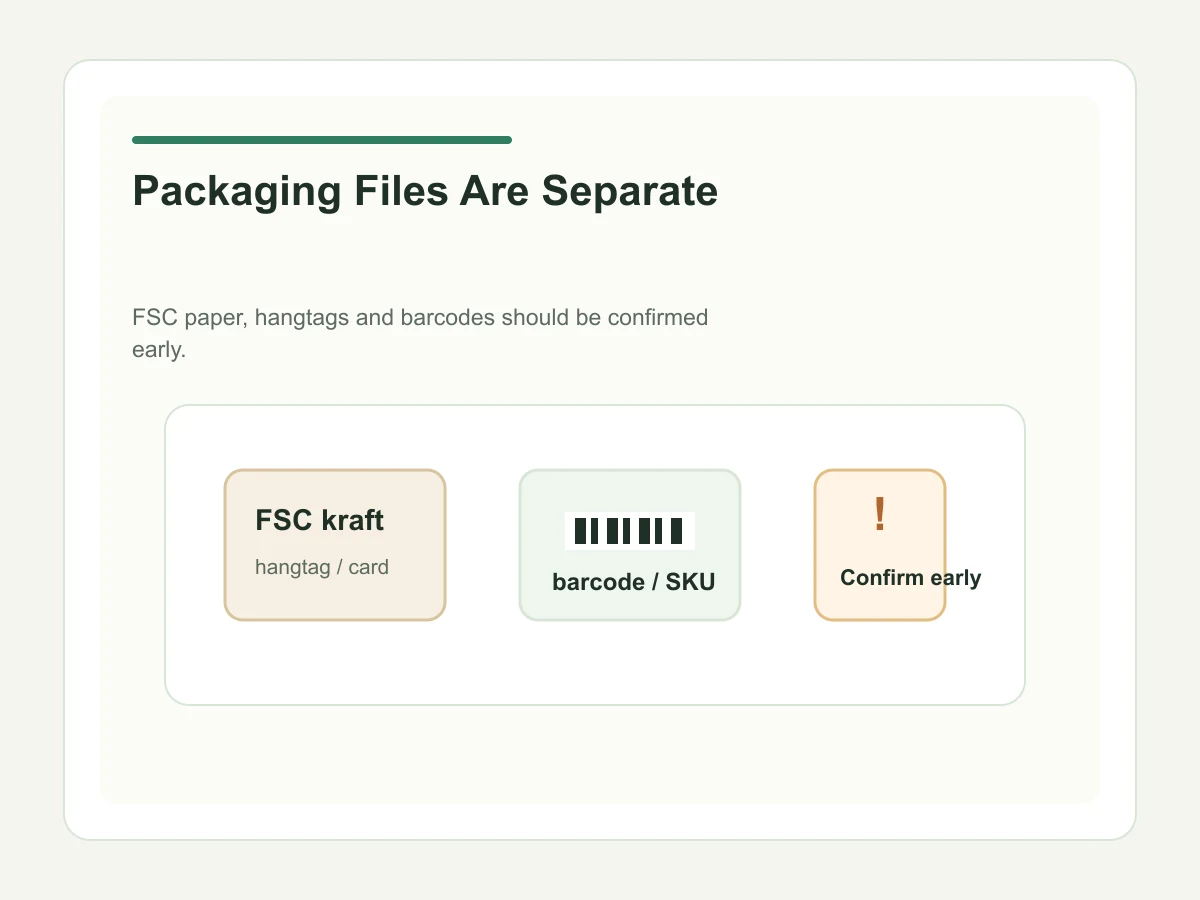
If the buyer uses barcodes, retail labels or SKU files, those assets should be approved before printing. Pantone color systems are widely used for color communication in brand and production workflows3. Color systems are usually more relevant to product artwork than carton marks, but the same principle applies: do not guess brand-controlled wording or visual standards.
How should carton marks match the packing list?
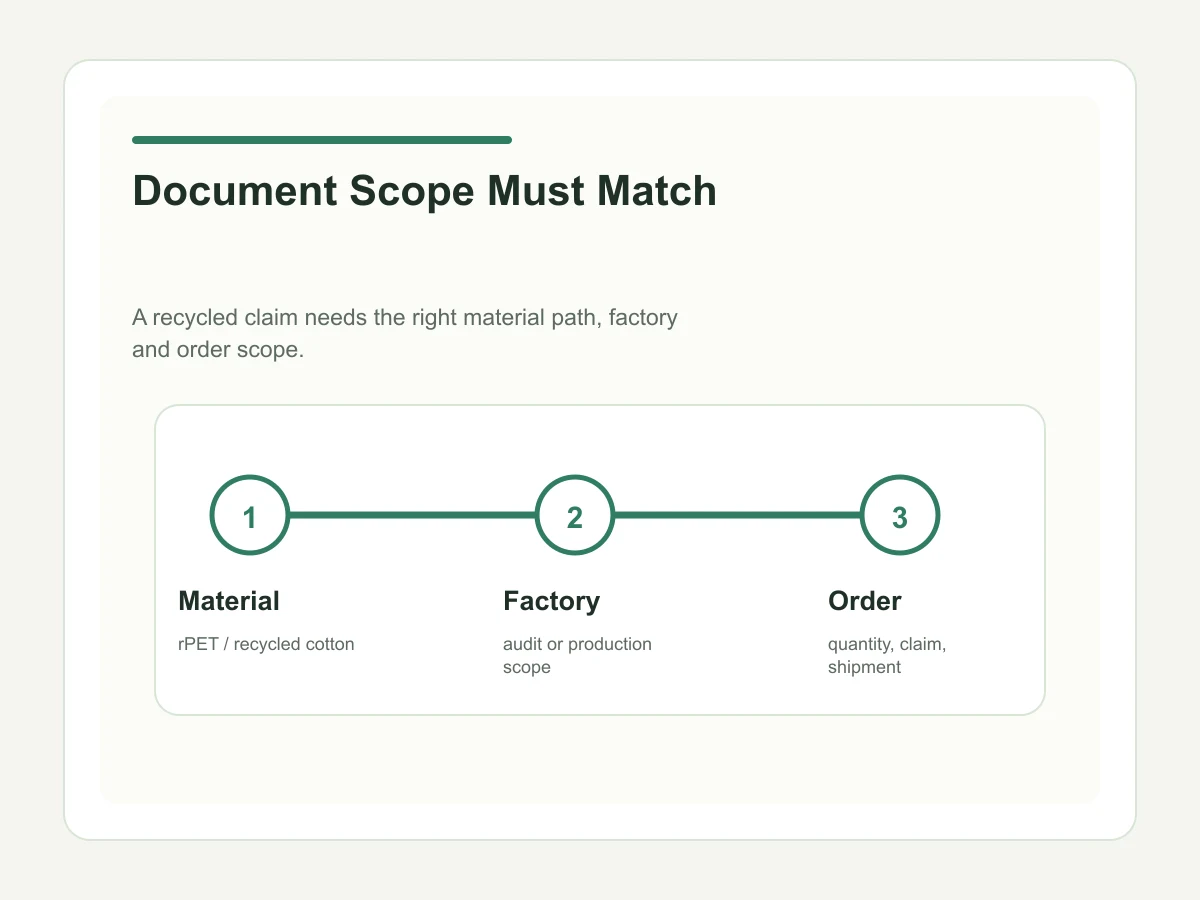
The carton mark should not be written as a separate creative label. It should match the packing list. If carton 1-20 are blue totes for one destination and carton 21-40 are natural totes for another, the outside carton marks and packing list should show the same sequence. This lets warehouse teams check cartons without reopening every box.
Trade responsibilities should also be clear. ICC Incoterms rules define common buyer and seller responsibilities in international trade4. Carton marks do not decide trade terms, but unclear trade responsibilities can make buyers expect carton, delivery or document wording that was never confirmed in the RFQ.

When should buyers approve carton marks?
Approve carton marks before final packing starts. The safer sequence is sample approval, packaging route approval, carton mark file approval, packing list draft, warehouse packing and final document check. If carton marks are approved after packing, every change may require relabeling or reopening cartons. That is avoidable work.
Inspection planning should connect with carton control. ISO 2859-1 is commonly referenced for sampling inspection by attributes5. For freight context, ISO 668 covers classification, dimensions and ratings for series 1 freight containers6. Buyers do not need to cite these standards in every RFQ, but they should respect the same discipline: carton data must be confirmed before physical movement.

Best fit for this carton mark checklist
This checklist is best for B2B buyers ordering MOQ 500+ custom tote bags for multi-country shipments, event deliveries, retail store allocation, GWP programs, hotel property openings, corporate kits or roadshow stock. It fits teams that already have a tote spec but need to make warehouse and shipping handoff cleaner. It is especially useful when the buyer has several destinations, multiple versions, carton sequence requirements, forwarder instructions, PO references or receiving contacts. The strongest fit is a buyer who wants fewer shipping errors, not just a lower unit price. It also helps repeat buyers turn last-minute shipping questions into a reusable carton mark approval step.
Less suitable fit for this carton mark checklist
This checklist is less suitable for one personal tote, blank stock orders, small local pickups, or projects with no export packing requirement. It is also less useful when the buyer has not decided quantity, destination, packaging method or approval owner. In those cases, Ecoicolortote should first help the buyer clean up the RFQ and packing route. Carton marks become useful only after the project has real shipment data to print outside the carton.

FAQ: carton marks for custom tote bag shipments
What should be included in an international carton mark for tote bag shipments?
An international carton mark should usually include the project name or internal code, purchase order reference, SKU or item code, destination, carton number sequence, quantity per carton, gross or net weight when required, carton dimensions when required, and any barcode or warehouse receiving label reference. Buyers should confirm the exact fields before final packing because every destination, warehouse, forwarder and retail receiving team may read carton information differently.
How early should buyers approve carton marks?
Buyers should approve carton marks before bulk goods are packed, not after cartons are sealed. The best timing is after sample approval and before final carton sealing, when destination quantities, packing list wording, SKU references and label files are already clear. Late carton mark changes can force relabeling, repacking, document correction or warehouse confusion, even when the tote bags themselves are finished correctly.
How should carton marks work for multiple destinations?
For multiple destinations, the buyer should send a destination map with quantity per address, destination code, carton group, reserve stock rule and delivery timing. Each carton group should match the packing list and any warehouse receiving file. This helps the factory separate store, event, office, distributor or regional warehouse cartons before handoff, instead of trying to split cartons after they are already packed.
Should carton marks show the brand name?
Carton marks may show the brand name, campaign name, project code or only internal logistics codes depending on confidentiality, warehouse needs and delivery route. Some buyers prefer coded marks to protect product launch details, while retail or fulfillment teams may need visible SKU and destination wording. The safest choice is to approve the exact public-facing and warehouse-facing wording before labels are printed.
How do carton marks connect with the packing list?
The carton mark should match the packing list by carton number, destination, SKU, item description, quantity and any special label or barcode reference. If carton marks and packing list wording do not align, the receiving team may question the shipment even when the tote bags are correct. Buyers should review the carton proof and packing list together before final packing approval.
Are sample fees refundable for carton mark planning projects?
For qualified bulk orders of 1,000 pieces or more, standard sample fees can normally be credited or refunded against the order value. Buyers should confirm the rule before sampling because special packaging mockups, repeated artwork changes, courier samples, barcode label tests, custom trims or unusual tooling may not be refundable. The carton mark proof itself should also be checked before paid sample or bulk packing decisions.
How can buyers reduce carton mark mistakes?
Buyers can reduce carton mark mistakes by sending one final carton mark template, one packing list template, one destination file and one approval owner before packing starts. They should freeze wording, destination codes, carton sequence and quantity split early, then check the final carton mark proof against the approved sample, packing method and shipment plan. Last-minute changes should be documented in one revised file.
What should buyers send before carton mark approval?
Buyers should send the PO or project code, destination list, quantity split, SKU or item code, carton mark template, packing list template, barcode or warehouse label file, delivery terms and one approval owner before final packing starts.
Factory background and document route
Ecoicolortote supports custom tote bag buyers with material selection, logo process planning, packaging details, sample approval and production coordination. Document needs are scope dependent and should be discussed against the selected material, packaging and destination market before the buyer confirms final wording.
The most useful factory discussion is practical: which materials are available, which logo or label route is realistic, which packing route prevents handoff errors, and which documents or references apply to the actual order scope. Buyers should avoid assuming that every material, package or shipment automatically carries every audit, certificate or standard reference.
Send your brief before sampling. Share quantity, use case, artwork, material direction, packaging, carton marks, delivery market and deadline so Ecoicolortote can review sample route, quote scope and production timing before bulk production. Contact Ecoicolortote.