Zoe Yu
 Urgent custom tote bag lead time planning for events should start with the event date, usable artwork, available materials, logo process, sample approval owner, packing method and delivery route before a rush quote is requested. The buyer task is to separate what can be compressed from what still needs real production time.
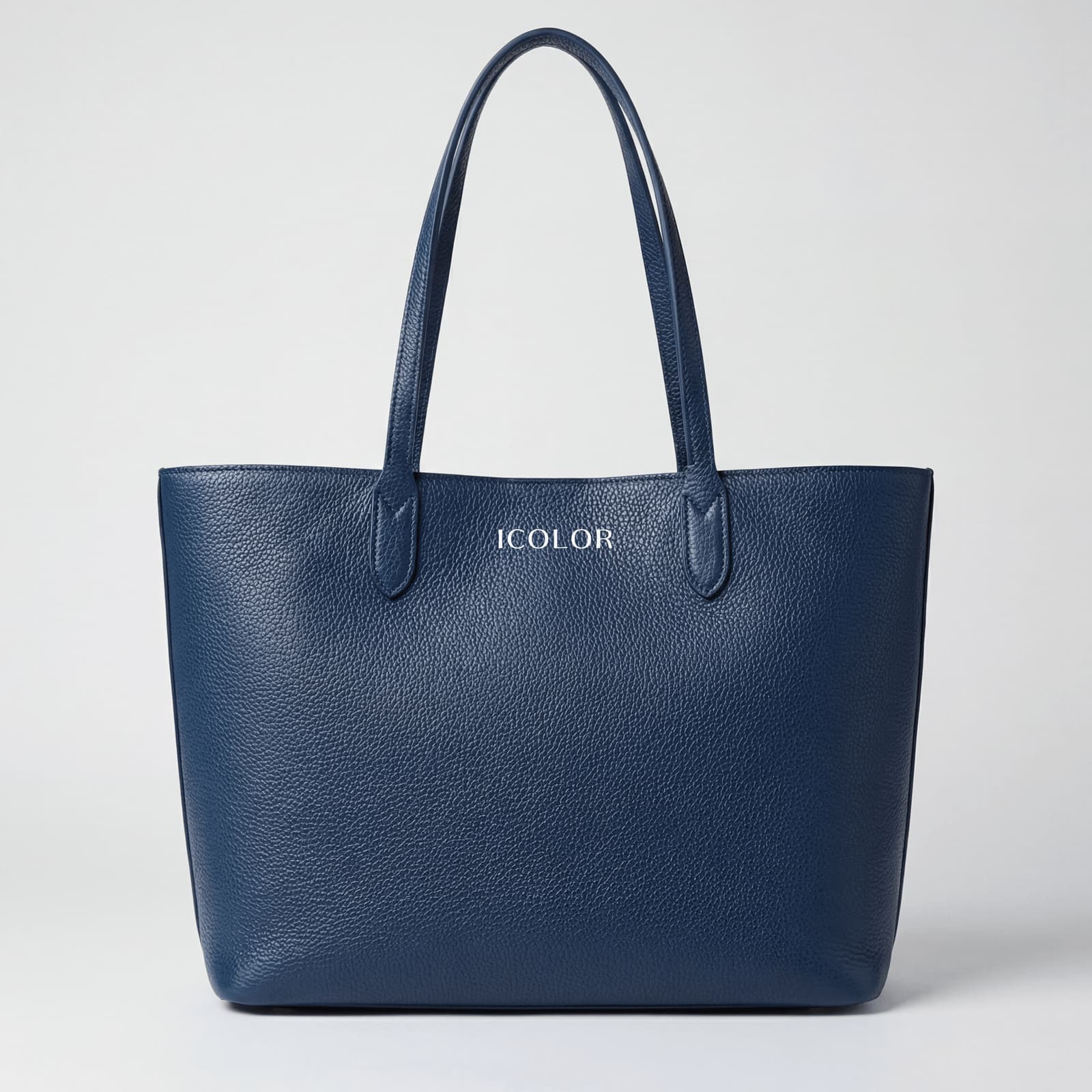
Buyer Summary
- Best for: event, conference, retail launch and campaign teams planning MOQ 500+ custom tote bags on a compressed schedule.
- Main decision: confirm event date, latest delivery date, available fabric, logo process, sample approval and packing route before the rush RFQ.
- Factory-side note: material sourcing, complex embroidery, custom dyeing, packaging, documents and split delivery can still limit rush timelines.
- What to prepare: quantity, date, artwork, material fallback, logo method, delivery market, packing needs and approval owner.
Quick answer for urgent custom tote bag lead time planning for events
Urgent tote bag lead time can be compressed only when the buyer sends a complete brief, approved artwork, realistic material options, a clear logo route, fast sample approval and a confirmed delivery deadline. The factory quote should show which steps can move faster and which steps still need production time.
Use this guide to prepare a complete RFQ before sampling so Ecoicolortote can review quote scope, sample route, packing requirements and production timing against the real buyer task.
How is this different from lead time, shipping and conference planning pages?
This urgent lead time route is for buyers who already have a fixed event or campaign date and need to know what can still be made safely. The custom tote bag MOQ and lead time page explains normal sample and bulk timing. The MOQ, sample, version and delivery planning guide covers broader delivery preparation. The conference tote planning article focuses on sponsor packout and delivery handoff.
Urgent planning has a narrower buyer job: protect the event date by removing avoidable variables. It asks whether the buyer can freeze one material, one logo process, one packaging route and one approval owner before sample or bulk starts. If those inputs are not ready, a rush order can become slower than a standard project because every correction touches artwork, sampling, packing and delivery.
What lead time should urgent tote buyers understand first?
Sample timing is confirmed after the material, construction, logo method, artwork, packaging and approval scope are clear; the working schedule also depends on revision speed and current capacity. Bulk production timing is confirmed after sample approval, based on material availability, process complexity, quantity, packaging, delivery plan and current capacity. That timing is not a promise for every project. It is a planning frame that helps buyers decide whether the event date is realistic before asking for a rush quote.
Urgent work should be checked against the real calendar: event date, must-arrive date, sample approval date, material readiness, packaging file deadline and shipping route. ISO 2859-1 is commonly referenced for sampling inspection by attributes1. Inspection time and approval time should be visible early, not squeezed into the last week.
What can usually be compressed safely?
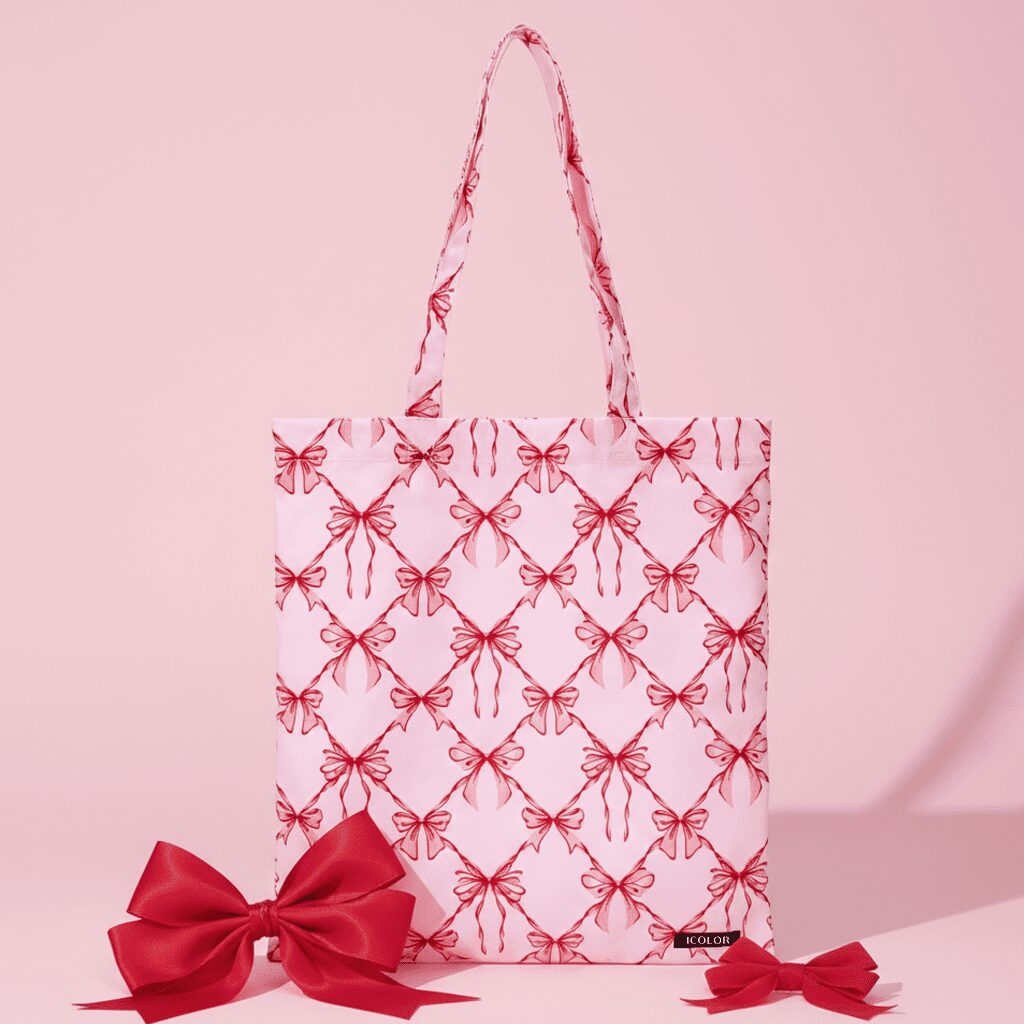
The safest urgent path is to reduce decision count. Buyers can often compress the schedule by choosing available material, using a standard tote structure, keeping one logo placement, approving one artwork version and using simple packing. If the tote is for event giveaway, registration kit, retail launch, roadshow or brand campaign use, a clean single-version spec can move faster than a beautiful but uncertain multi-version design.
Logo method matters. Heat transfer, screen printing and embroidery each have different setup and sample considerations. Pantone color systems are widely used for color communication in brand and production workflows2. If color is critical, the buyer should send Pantone or approved color direction immediately instead of asking the supplier to guess from a screenshot.
What should not be rushed without risk?
Some variables cannot be compressed safely. New fabric sourcing, special dyed material, custom hardware, metal plate tooling, complex woven labels, multiple sponsor logo versions, retail-ready barcode packing and changing destination files can all add steps. Rushing those items often creates a false sense of speed: the quote moves quickly, but the sample or packing approval gets stuck later.
Buyers should also separate standard sample fees from tooling. For qualified bulk orders of 1,000 pieces or more, standard sample fees can normally be credited or refunded against the order value. Special molds, metal plates, custom hardware, unusual trims or tooling fees may not be refundable because those costs are created for that specific project. ISO 780 covers pictorial marking for handling packaged goods3, which is another reason packaging decisions should not be left until the end.
How should logo process choices be handled in a rush order?
Rush event orders usually need the simplest logo process that still protects brand quality. Buyers should send vector artwork, Pantone references, print size, placement and acceptable fallback methods before the factory checks sample timing.
Screen print, heat transfer, simple woven labels or existing plate setups are easier to evaluate quickly than complex embroidery, metal plates, multi-position logos or late color corrections. If brand approval is strict, the buyer should name the final artwork owner before sampling.
Should an urgent event order still use a sample?
For brand projects, sample review is still valuable because it checks handfeel, size, logo position, contents fit and packaging assumptions before bulk starts. The urgent adjustment is not to remove approval; it is to remove confusion around approval. Buyers should nominate one decision owner, provide one final artwork file and confirm what sample result is enough to release production.
If the buyer changes artwork after the sample, the lead time is no longer only factory time. It becomes decision time, file time and correction time. That is why Ecoicolortote should ask for logo file, material direction, size, quantity, packaging and delivery country before giving urgent feasibility. ISO 668 covers classification, dimensions and ratings for series 1 freight containers4; carton volume matters once urgent delivery is being considered.
When does a small air batch make sense?
If the event date is too close for the full quantity, buyers can consider a smaller air batch for registration, display, VIP handoff, staff kits or first venue setup, while the remaining quantity follows by sea. This approach only works when the urgent quantity is named early and packed separately. It should not be discovered after the warehouse has already packed all cartons as one order.
IATA describes air cargo as important when speed and network reach are part of the logistics decision5. For tote projects, air shipment is usually a selective tool, not the default answer. Buyers should compare missed-date risk, urgent quantity, carton volume and delivery country before deciding.
What should buyers send for an urgent lead time review?
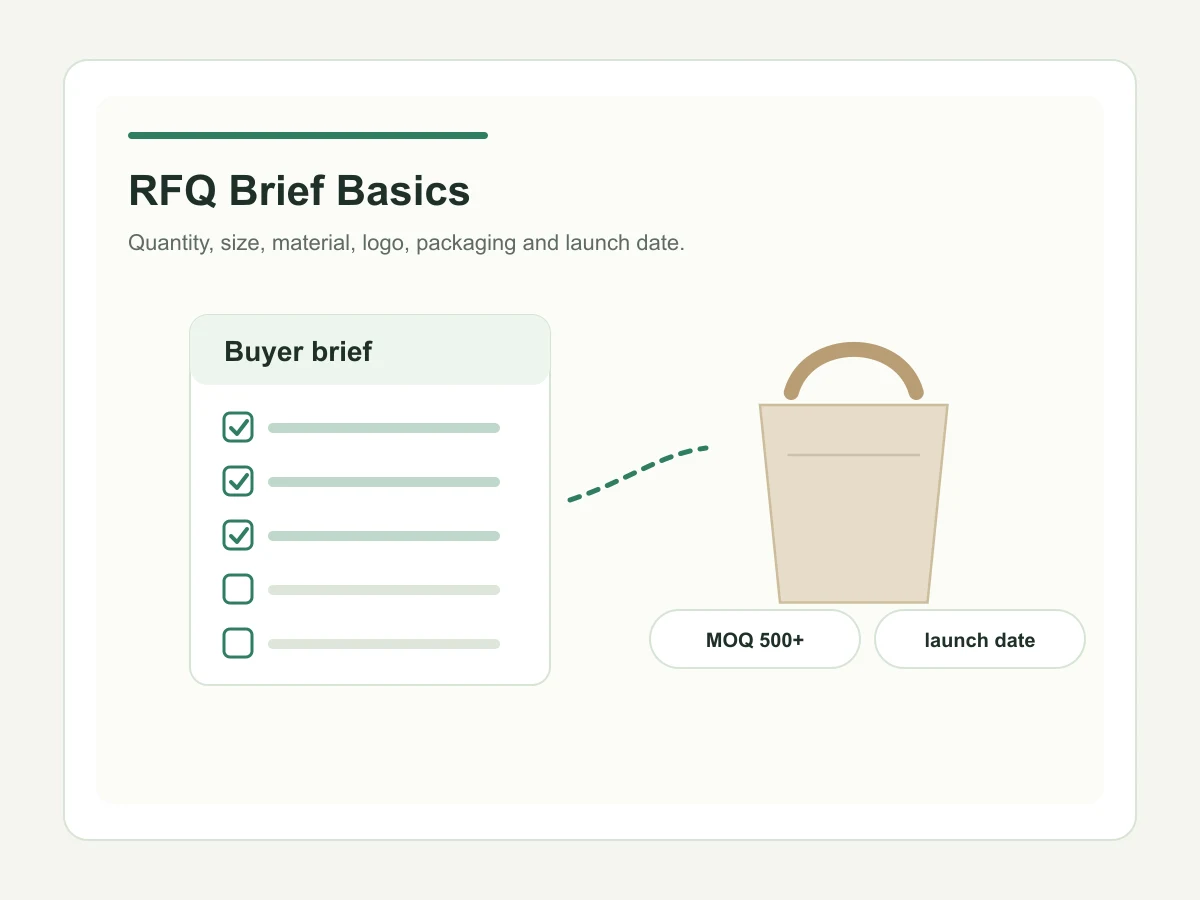
Send event date, must-arrive date, quantity, urgent first-batch quantity if any, delivery country, material preference, tote size, logo file, logo color, logo method, packaging needs, carton label needs, sample approval owner and whether the buyer has a forwarder. If the buyer is unsure, send the non-negotiables first: date, quantity, logo and delivery market. Buyers can also prepare with the custom tote bag RFQ checklist, sample evaluation guide and custom tote bag packaging options.
For customs and delivery planning, the World Customs Organization describes the Harmonized System as a global product classification framework6. For trade terms, ICC Incoterms rules define common buyer and seller responsibilities in international trade7. Buyers should confirm final importer and delivery responsibility with their logistics partner.

Best fit for urgent tote lead time planning
This route is best for B2B buyers ordering MOQ 500+ custom tote bags for fixed event dates, campaign launches, roadshows, retail openings, GWP programs, partner meetings or urgent brand activations. It fits teams that can provide a real date, approve a practical material route, send usable logo files and name one decision owner. It is especially useful when the buyer needs the supplier to say clearly what can be compressed, what cannot be compressed and whether a smaller first batch should move separately. The strongest fit is a brand buyer who values launch reliability more than last-minute design changes.
Less suitable fit for urgent tote lead time planning
This route is less suitable for one personal tote, blank stock buying, lowest-only sourcing, vague event ideas without a date, or projects where the buyer still expects many design experiments. It is also less suitable when the brief requires special material development, complex trims, metal plate tooling, several sponsor versions and retail packing but the buyer cannot provide files early. In those cases, Ecoicolortote should first simplify the specification or recommend a more realistic launch schedule instead of treating urgency as a promise.

Factory-side control note for urgent event timing
An urgent event date does not shorten every production step. Before timing is confirmed, Ecoicolortote needs the quantity, artwork, material route, sample requirement, packing method, delivery city and latest acceptable arrival date. The resulting schedule is a project review, not a guaranteed lead time.
FAQ: urgent custom tote bag lead time planning for events
How fast can urgent custom tote bags be produced for events?
Urgent custom tote bag timing depends on material availability, logo process, sample approval speed, packaging and delivery route. Some simple projects can move faster when artwork is approved and available fabric is used, but custom dyeing, complex embroidery, special packaging or document checks can add time. Buyers should send the event date and latest acceptable delivery date before asking for a rush quote.
What should buyers send before a rush tote RFQ?
Buyers should send quantity, event date, latest delivery date, destination, tote size, material direction, logo artwork, Pantone references, packing method, delivery route and sample approval owner. The factory can then check what can be compressed and what cannot. A partial brief often creates slower replies because the supplier must keep asking for missing details.
How is urgent lead time planning different from normal MOQ planning?
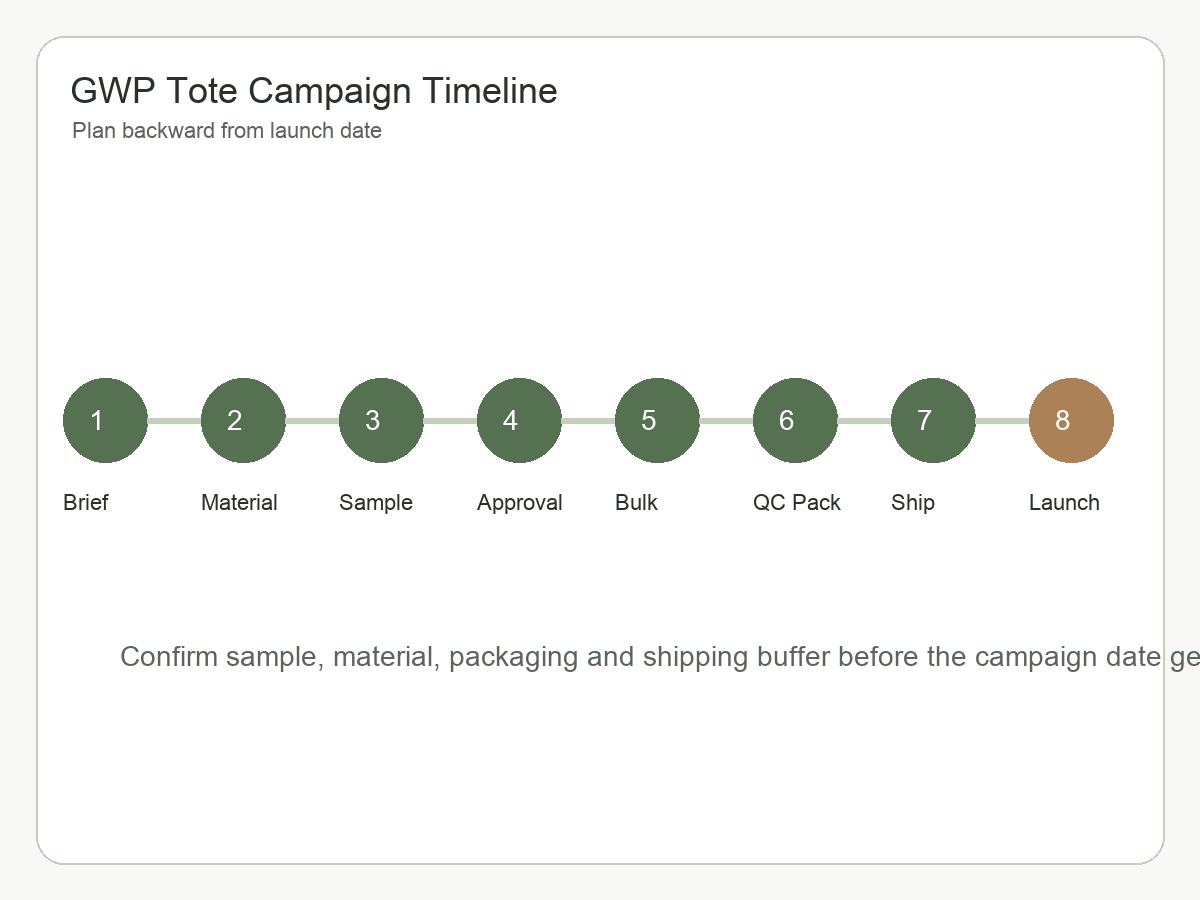
Normal MOQ planning can compare more material, logo and packaging options. Urgent lead time planning starts from the deadline and works backward through sample approval, material availability, production capacity, packing and delivery. The buyer may need to choose a simpler tote structure or logo route to protect the event date.
Can sample approval be skipped for urgent event totes?
Skipping sample approval is risky for brand events because the tote still needs correct size, logo placement, color, handle length, packaging and delivery condition. A buyer may approve a faster digital or pre-production route when the spec is simple, but there still needs to be a clear approval owner and written confirmation before bulk production.
Which logo processes are safer for urgent tote orders?
Simpler logo processes are usually safer for urgent orders. One-color screen print, heat transfer, a simple woven label or an existing embroidery setup may be easier to schedule than complex embroidery, metal plates, custom trims or multiple logo placements. The safest route depends on artwork, fabric, approval speed and available workshop capacity.
Are sample fees refundable for urgent custom tote projects?
For qualified bulk orders of 1,000 pieces or more, standard sample fees can normally be credited or refunded against the order value. Buyers should confirm before sampling because rush samples, special trims, custom hardware, repeated artwork changes, special tooling, urgent courier routes or extra approval rounds may not be refundable even when the bulk order proceeds.
How can buyers reduce rush order mistakes?
Buyers can reduce rush mistakes by sending one complete brief, naming one approval owner, keeping material and logo choices realistic, approving sample details quickly, freezing packaging and confirming delivery responsibility. The most common delays come from late artwork changes, unclear packing instructions, missing addresses and assuming that every production step can be compressed.
Factory background and document route
Ecoicolortote supports custom tote bag buyers with material selection, logo process planning, packaging details, sample approval and production coordination. Document needs are scope dependent and should be discussed against the selected material, packaging and destination market before the buyer confirms final wording.
The most useful factory discussion is practical: which materials are available, which logo or label route is realistic, which packing route prevents handoff errors, and which documents or references apply to the actual order scope. Buyers should avoid assuming that every material, package or shipment automatically carries every audit, certificate or standard reference.
Send your brief before sampling. Share quantity, use case, artwork, material direction, packaging, carton marks, delivery market and deadline so Ecoicolortote can review sample route, quote scope and production timing before bulk production. Contact Ecoicolortote.