Zoe Yu
Buyer Summary
- Best for: beauty, wellness, DTC, retail, hotel and event buyers choosing logo processes for custom tote bags from 500 pcs per style.
- Main decision: screen printing, embroidery and other logo methods should be chosen by artwork, material, logo size, brand positioning, budget, use case and timeline.
- Factory-side note: a logo that looks good on screen may change on cotton, canvas, rPET, leather-look materials, labels or metal plates, so physical sample approval matters.
- What to prepare: editable logo artwork, Pantone references, tote material, logo size, target quantity, placement, packaging needs and launch date.
Quick answer
Neither screen printing nor embroidery is automatically better for tote bags. Screen printing is often better for flat artwork, larger logos and cost-efficient campaign projects. Embroidery is often better for smaller premium marks, textured branding and private label details, but the final choice depends on material, logo file, quantity and sample approval.
A simple rule like “printing is for low budget and embroidery is for premium” is too rough. Both processes can look strong when the artwork and material are suitable. Both can also cause problems when the design is forced into the wrong process.
Screen printing vs embroidery for tote bags is not a universal quality ranking. The right logo process depends on artwork, material, logo size, color count, order quantity, budget, brand positioning, packaging needs, timeline and physical sample approval.
From our factory side, we first check the logo file, tote material, expected effect and production quantity before recommending a process. A flat one-color logo on canvas may be simple to print. A small premium mark on a private label tote may feel stronger with embroidery, woven label, debossing or a metal plate. A gradient or photo-like artwork may need heat transfer or another full-color route.
Ecoicolortote is a better fit for MOQ 500+ brand projects where buyers can provide editable logo artwork, Pantone references, material direction, logo size, placement, packaging needs and launch timeline. Buyers can review our custom logo totes, embroidery custom tote bags and heat transfer printing guides before locking the logo process.
How should buyers compare embroidery vs screen print before sampling?
For canvas tote bags, the practical choice is not only visual style. Buyers should compare artwork complexity, Pantone expectation, stitch or screen setup, material thickness, logo placement, MOQ 500+ feasibility and whether the sample must match a retail or GWP approval standard.
- Choose screen printing when the logo needs flat color, larger placement, faster color review or campaign cost control.
- Choose embroidery when the tote needs a textured premium mark, smaller placement or a quieter retail/hotel look.
- Request a method review when the logo has gradients, tiny text, multiple placements, special fabric or a strict brand color standard.
Best fit for this logo process guide
This guide is best for beauty, wellness, DTC, private label, retail, hotel, spa and event buyers comparing screen printing, embroidery, heat transfer, woven labels, debossing, patches or metal plates before sample approval. It is especially useful for MOQ 500+ brand projects where logo effect, material compatibility, Pantone control, packaging, label files and launch timing all need to be checked together. The strongest fit is a buyer who can share editable artwork, target logo size, material direction, quantity, colorways, packaging plan, destination market and expected brand feeling before asking the factory to recommend a process.
How is this guide different from logo file and embroidery guides?
This guide compares screen printing, embroidery and adjacent logo routes as sourcing decisions. Logo file guidance focuses on artwork handoff, while the embroidery guide goes deeper into stitch detail, thread color, backing and embroidery sample checks.
If your team mainly needs to know which file type to send, use the logo file requirements guide. If your team already knows it wants embroidery, use the embroidery custom tote bags guide. If the artwork has gradients or full-color campaign graphics, review heat transfer printing for custom tote bags.
This article helps buyers choose the logo process route before sampling: print, embroidery, heat transfer, woven label, patch, debossing or metal plate.
Is screen printing or embroidery better for tote bags?
The right process depends on tote material, logo size, artwork complexity, number of colors, order quantity, budget, brand positioning, use case and timeline. A factory should review these details before recommending one process.
For beauty, wellness, DTC, retail, hotel and event tote projects, we usually start with these questions: what material is the tote made from, how large is the logo, how many colors are in the artwork, whether the logo is flat or gradient, what the target quantity is, and what brand feeling the buyer wants.
| Buyer scenario | Better starting options | Why |
|---|---|---|
| Beauty GWP | Screen printing, heat transfer, woven label | Good for campaign artwork, color control, cost efficiency and fast approval |
| DTC / private label | Embroidery, woven label, debossing, metal plate | Helps create retail-ready brand details and stronger product identity |
| Retail chain tote | Screen printing, woven label, heat transfer | Repeatability, SKU consistency and packaging control matter |
| Hotel / spa gift | Embroidery, woven label, debossing | Creates a quieter premium feel for guest gifts and spa programs |
| Event / MICE tote | Screen printing, heat transfer | Logo visibility, budget control and delivery timing are usually the main priorities |
How does screen printing work on tote bags?
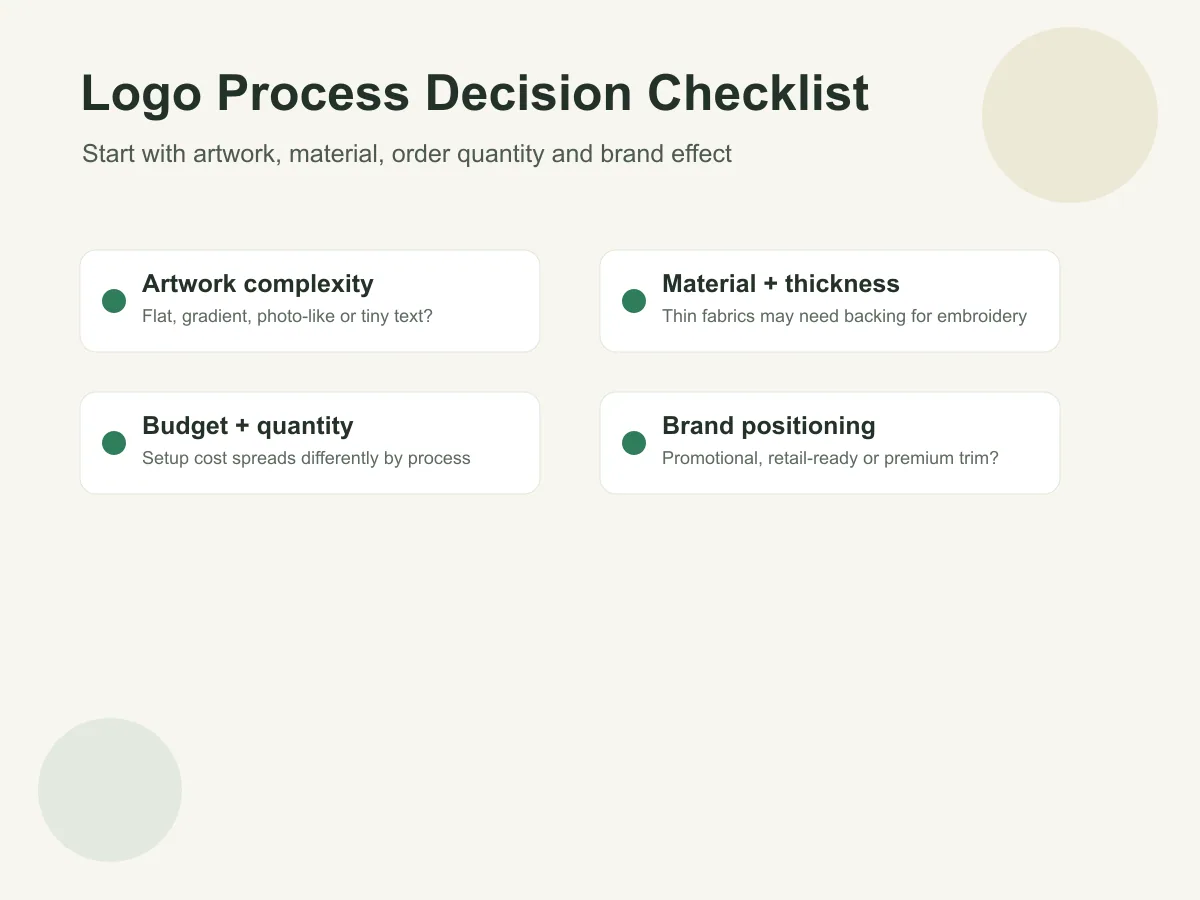
Screen printing applies ink through screens onto the tote fabric. It is often suitable for flat logos, solid colors, larger artwork areas and many fabric types. Cost is mainly affected by color count, print size, screen setup and whether the logo appears on one or multiple sides.
Screen printing is widely used for cotton, canvas, recycled cotton, rPET and many other tote materials. It is often useful when the buyer wants a clean logo, a large brand mark or a simple graphic. The main cost factors are print size, number of colors, number of screens, print position and quantity.
For color control, buyers should provide Pantone references or a physical color sample. Pantone Connect Premium supports brand color library access1, but the final print should still be approved on the actual tote material.
For screen printing, buyers should confirm the print size, placement, Pantone direction, number of colors, fabric color and whether the artwork contains thin lines or reversed-out text. A screen print sample is useful when the logo must stay readable on natural canvas, dark canvas or recycled cotton fabric.
How does embroidery work on tote bags?
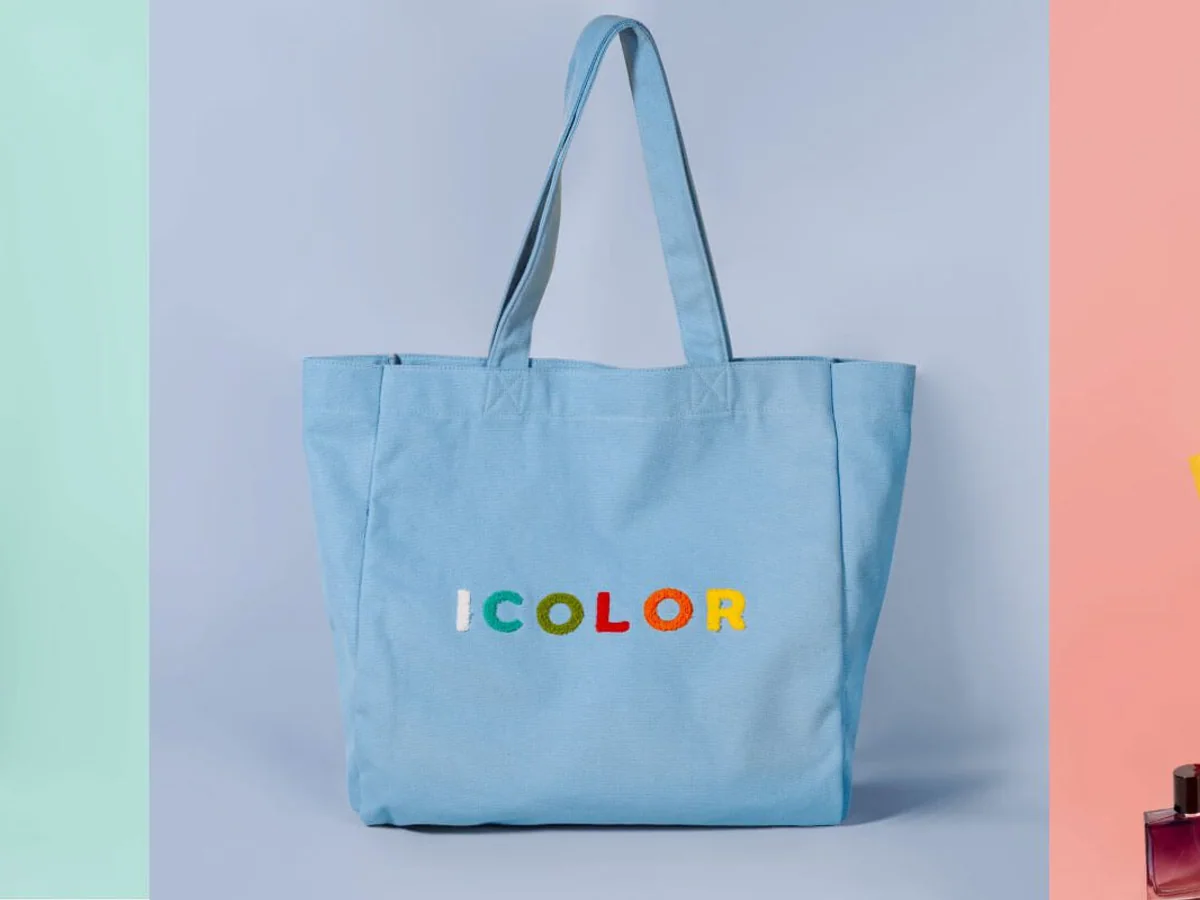
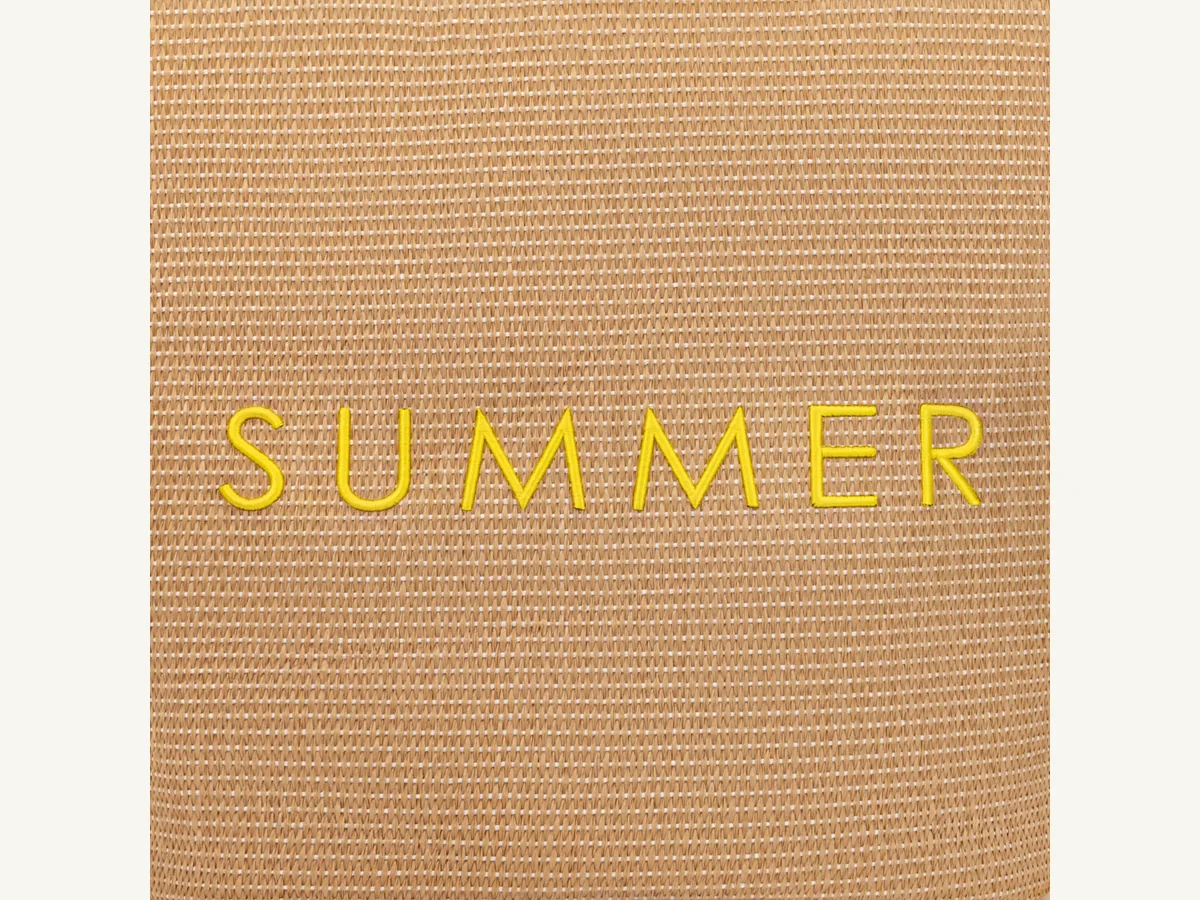
Embroidery uses thread to stitch the logo onto the bag. It can create texture and a raised brand feel, especially for smaller logos or premium details. Cost depends on stitch count, logo size, thread colors and production quantity. Very thin fabrics may need backing support.
Embroidery can work on many tote materials, including fabric and leather-look materials, but the fabric should not be too thin. If the fabric is too light, embroidery may cause wrinkles or distortion. In those cases, backing or lining may be needed, but even with support, some very thin materials may still not look clean enough.
Embroidery cost is usually driven by stitch count, logo size and thread colors. A complex logo can be embroidered, but it may become more expensive or require adjustment. Small letters, especially tiny brand suffixes, may need to be enlarged to stay readable.
What factors affect screen printing, embroidery and logo process cost?
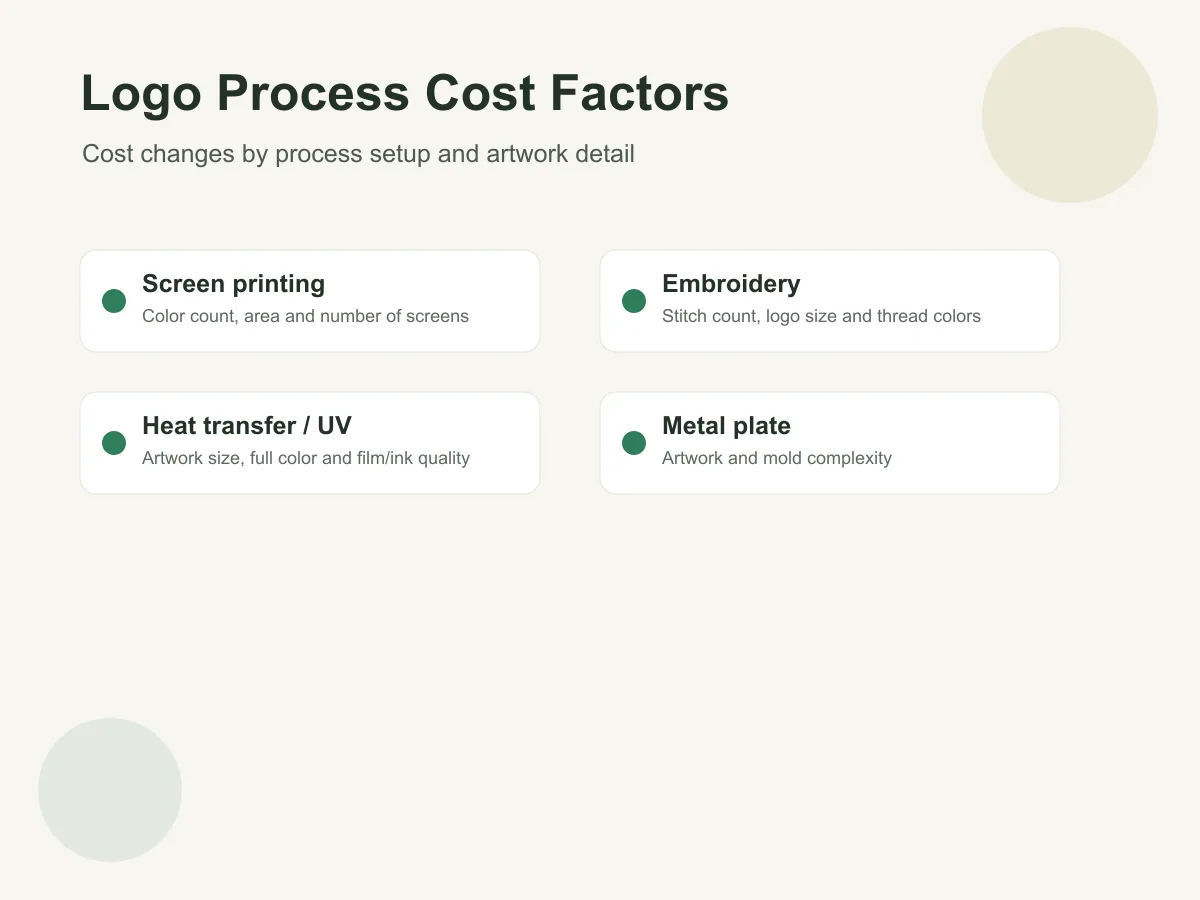
Logo process cost is affected by artwork size, color count, process type, setup method, number of placements, order quantity and whether special molds are needed. Screen printing is usually driven by screens and colors, embroidery by stitch count, and metal plates by mold complexity.
The lowest unit logo cost is not always the best choice for a brand project. A beauty GWP tote may need color consistency and fast campaign approval. A private label tote may need a woven label, embroidery or metal plate to feel retail-ready. A hotel gift tote may need a quieter premium detail instead of a large printed logo.
| Process | Main cost factors | Buyer notes |
|---|---|---|
| Screen printing | Logo size, color count, print area, screen count, one-side or multi-side printing | Works well for many tote materials and clean flat artwork |
| Embroidery | Stitch count, logo size, thread colors, fabric support, quantity | Good for texture, but thin fabrics and tiny text need review |
| Heat transfer | Artwork size, full-color effect, film quality, curing and production setup | Useful for gradients, colorful artwork or photo-like graphics |
| Woven label / patch | Label size, material, attachment method and quantity | Often a practical way to add private label identity |
| Metal plate | Artwork shape, mold complexity, finish and attachment method | Mold proof approval is important because revisions can be costly |
Which logo process works with cotton, canvas, rPET and leather-look materials?
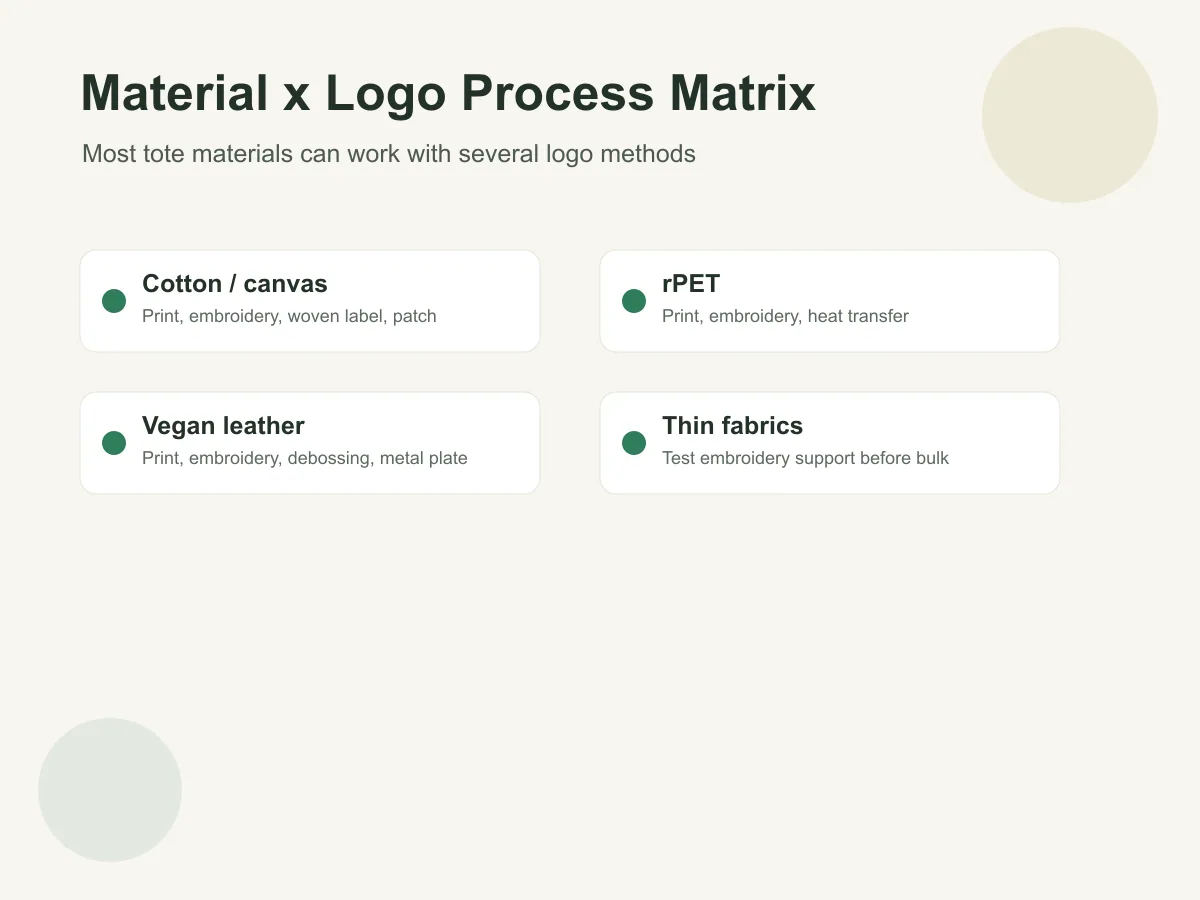
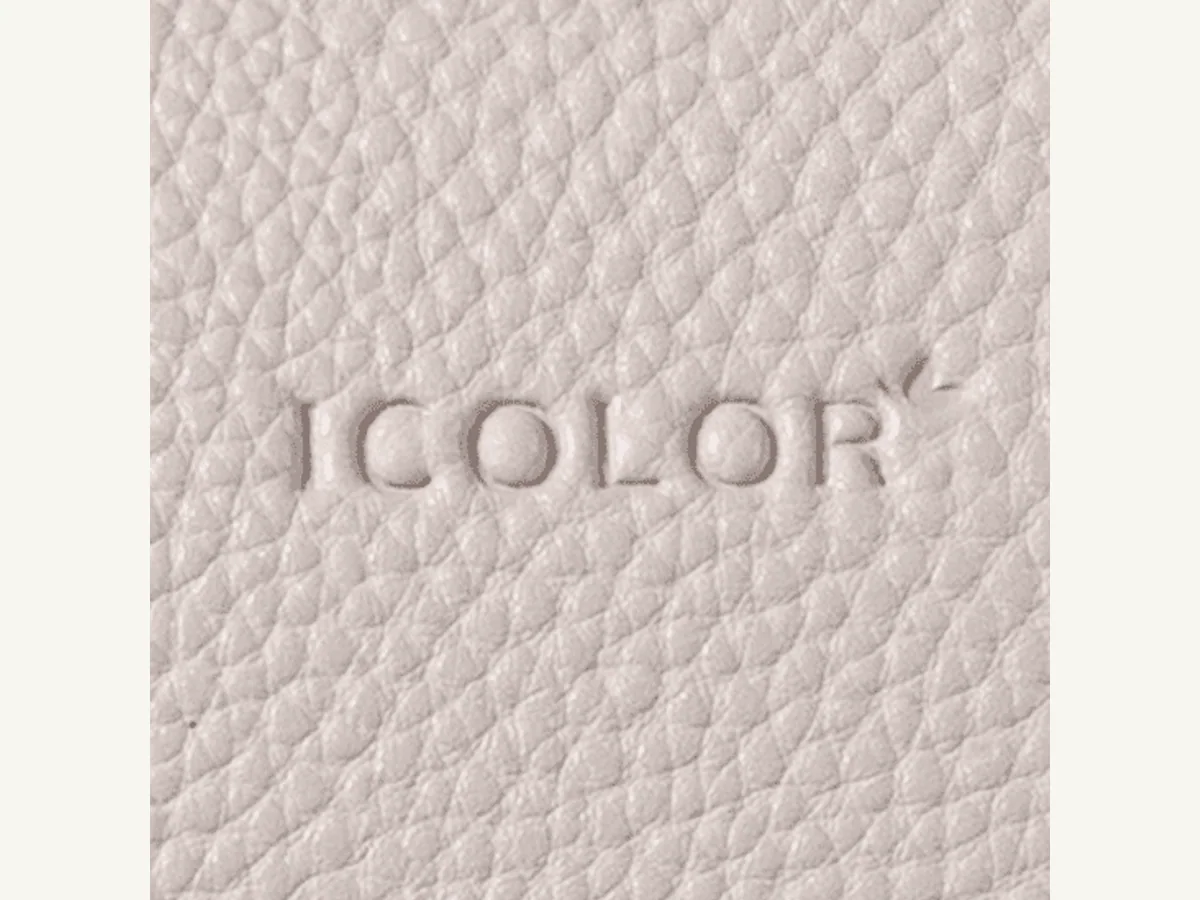
Most tote materials can work with more than one logo process. Cotton, canvas, recycled cotton and rPET usually support printing and embroidery. Leather-look materials can also support printing and embroidery, while debossing, hot stamping, metal plates and edge finishing may create a more structured private label look.
We do not treat material-process matching as a fixed yes/no chart. Most tote materials can support several processes if the artwork, surface and structure are suitable. The main exception is very thin material, where embroidery can cause wrinkling or distortion.
If the buyer wants to connect logo process with material claims such as recycled or organic content, related documentation should be discussed early. For recycled material projects, Textile Standards publishes the Global Recycled Standard for recycled-content and chain-of-custody requirements2. If textile safety is part of the buyer’s internal requirement, OEKO-TEX STANDARD 100 is related to harmful-substance testing for textile products and components3.
What logo files and color references should buyers provide?
Buyers should provide editable vector artwork, preferably AI files, plus Pantone color references or a physical color sample. Low-resolution JPG or PNG files are risky for brand logos because redrawing may slightly change the logo and create approval problems.
For custom tote production, the strongest file is usually an AI file. PDF, EPS or SVG may also help, but for brand logos we prefer buyers to provide the original editable file whenever possible. The W3C SVG 2 specification defines scalable vector graphics5 and ISO 32000-2 defines the PDF file format standard6.
Low-resolution JPG or PNG files are not ideal. If a supplier redraws a brand logo from a low-quality image, tiny differences may appear. That can become a serious issue for brand approval. For color, Pantone references or original physical samples are important because printing and embroidery can look different on different surfaces.
When should buyers consider heat transfer, woven labels, debossing or metal plates?
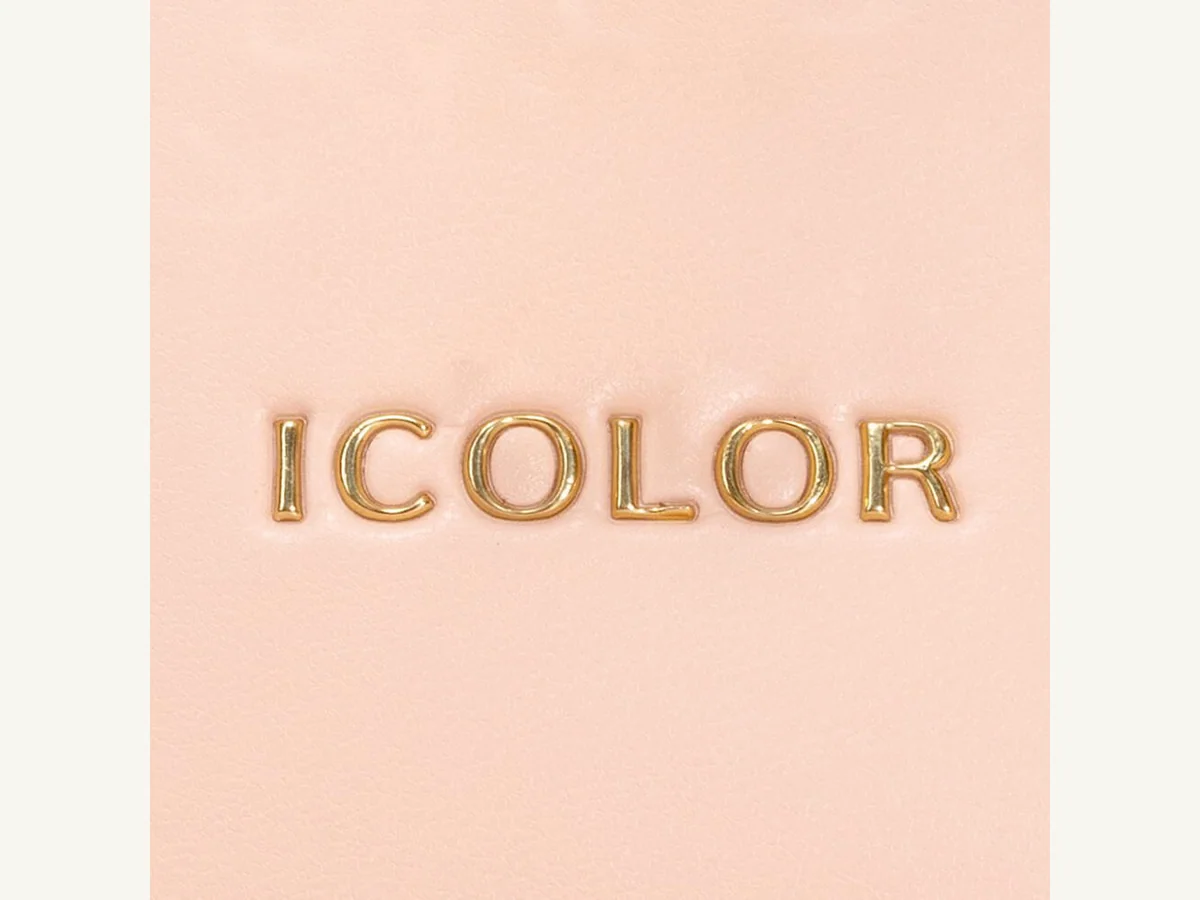
Buyers should consider other logo methods when screen printing or embroidery cannot deliver the desired effect. Heat transfer can support full-color artwork, woven labels and care labels help private label projects, debossing works for subtle trim branding, and metal plates can create a more structured retail feel.
Many private label tote projects use combination branding instead of only one external logo. A brand may use a printed front logo, an inner woven label, a care label, a small patch or a metal nameplate. Common combinations include screen print plus woven label, embroidery plus inner label, patch plus debossing, metal plate plus leather-look trim, and heat transfer plus woven label.
If the project includes retail barcode labels, SKU labels or product identification requirements, confirm them before final packaging layout. GS1 General Specifications define barcode and identification standards used by many retail and logistics systems4.
How long do logo process samples take?
Sample timing is confirmed after the material, construction, logo method, artwork, packaging and approval scope are clear; the working schedule also depends on revision speed and current capacity. Bulk production timing depends on quantity, material availability, process complexity and sample approval.
For most logo processes, sample timing is similar if the artwork, material and position are clear. A complex embroidery sample may not always take much longer at sampling stage, but it can slow down bulk production because stitch work takes more production time.
For metal plates, buyers should review the mold drawing carefully before approval. If a buyer approves the mold drawing without checking details, then changes the design later, a new mold may be needed. This can add cost and time.
For brand projects, logo process approval should be based on a physical sample whenever possible. Photos and videos help communication, but they cannot fully show thread texture, ink thickness, surface feel, color shift or metal finish.
What logo process mistakes should brand buyers avoid?
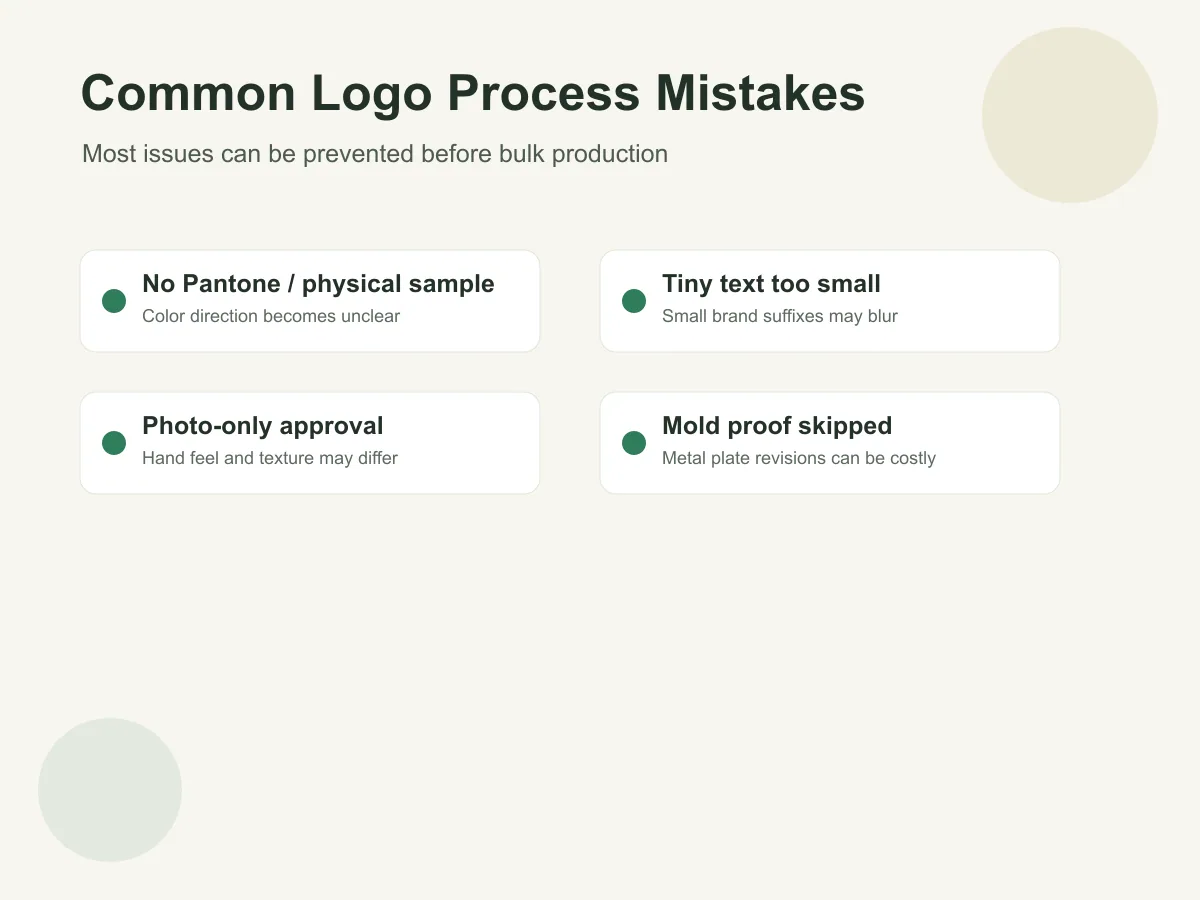
Common mistakes include choosing a process before checking artwork, using low-resolution logo files, skipping Pantone references, approving only from computer screens, making tiny text too small, ignoring thin-fabric embroidery risk and approving metal plate molds too quickly.
Embroidery can wrinkle very thin fabric even after adding support. Screen printing can create issues if fabric surface, shrinkage or ink behavior is not checked. Heat transfer requires proper curing; otherwise color durability may become a concern. These are not reasons to avoid the processes, but they are reasons to sample and approve carefully.
How should buyers brief a factory before choosing a logo process?
A strong logo process brief should include tote material, logo artwork, logo size, Pantone colors, target quantity, preferred logo position, budget direction, use case, brand positioning, packaging needs and launch timeline.
Before asking whether screen printing or embroidery is better, send the factory: material or target material, editable logo file, Pantone references, logo size, number of colors, order quantity, placement, target budget, use case, launch date and any private label details such as woven labels, care labels, hangtags or packaging.
If the logo is complex, the process can be split: a large flat logo can be printed, a small mark can be embroidered, an inner label can be woven, and a premium trim can use debossing or a metal plate.
What should be in a logo process brief?
Before asking a factory to recommend screen printing, embroidery or another logo process, buyers should prepare logo artwork, material direction, Pantone color, logo size, placement, quantity, use case, packaging needs and launch date.
- Editable logo file: AI, EPS or editable PDF preferred.
- Pantone color references or physical color sample.
- Target material: rPET, recycled cotton, organic cotton, canvas or leather-look material.
- Logo size and placement.
- Number of logo colors and whether gradients are included.
- Target quantity and colorways.
- Use case: GWP, private label, retail, hotel gift or event tote.
- Packaging or label requirements.
- Launch date or required delivery date.
A real embroidery correction: wrinkles, unreadable small text and joined letters
During a real tote sample review, dense embroidery caused the fabric to wrinkle, very small lettering lost clarity, and adjacent letters joined together, making the logo look less premium.
What failed in the sample
The issue was not an abstract risk. The fabric was too thin for the requested embroidery density, while the small text and tight letter spacing did not leave enough room for clean stitch separation.
What we changed
The team adjusted the fabric route, enlarged or simplified text where needed, increased spacing between letters, and asked the embroidery workshop to correct the stitch execution. The revised sample was reviewed again before the logo route was approved.
Factory-side lesson
Embroidery should be approved on the actual tote fabric, not only from a digital artwork file. Fabric thickness, text size, letter spacing and stitch density must be checked together. This is a real factory-side sample lesson, not a customer testimonial; the customer name, order quantity and project date are not disclosed.
For quantity, supplier fit and a commercial embroidered-tote RFQ, continue to the Custom Embroidered Tote Bags owner page. Keep the full sample correction on this comparison page rather than copying it across several articles.
Less suitable fit for this logo process route
This logo process route is less suitable for buyers who cannot provide usable logo artwork, material direction, color references, target logo size, quantity or enough time for physical sample approval before bulk production.
It may also be less suitable for orders below MOQ, urgent projects that need complex multi-process branding without sample review, or buyers who expect production-ready logo results from low-resolution screenshots only. Ecoicolortote is a stronger fit for MOQ 500+ brand projects where editable logo files, Pantone references, packaging needs and launch timing can be checked before the logo process is locked.
Send your editable logo file, tote material, target quantity, Pantone colors, logo size, placement, packaging needs and launch date. We can help check whether screen printing, embroidery, heat transfer, woven label, debossing or metal plate is the better fit before sampling. Contact Ecoicolortote.
FAQ: Screen printing vs embroidery for tote bags
What should buyers confirm before choosing screen printing or embroidery?
Buyers should confirm tote material, editable logo file, logo size, color count, Pantone reference, placement, quantity, use case, packaging needs, sample deadline and launch date. These details help the factory judge whether the artwork can be printed, stitched, transferred, labeled or combined with another logo route before sampling begins. They also reduce the risk of approving a process that looks good digitally but performs poorly on the final material.
What sample details matter most for logo process approval?
Buyers should check logo size, placement, color, edge clarity, stitch texture, ink coverage, material compatibility, backing or support needs and the approved physical sample before bulk production. Photos and videos are useful for communication, but physical review is safer for color, surface feel, embroidery density and trim finish. The approved sample should become the reference for bulk production and QC review.
What MOQ and lead time should buyers expect for logo process tote bags?
Ecoicolortote starts from MOQ 500 pcs per style. Sample timing is confirmed after the material, construction, logo method, artwork, packaging and approval scope are clear; the working schedule also depends on revision speed and current capacity. Bulk production timing depends on material availability, logo complexity, order quantity, sample approval and packaging requirements. Metal plates, multi-position branding, special labels or urgent Pantone matching may add extra review time.
Which material or certification evidence should be checked?
Buyers should check material composition, recycled or organic claim scope, OEKO-TEX where textile safety is relevant, FSC paper packaging scope and any buyer-specific document requirements. Logo process selection does not replace material documents, so recycled content, safety testing, packaging claims and retail labels should be reviewed separately. This is especially important when the logo appears on hangtags, packaging or retail product files.
What should be included in the RFQ?
The RFQ should include material, logo file, Pantone reference, logo size, placement, process preference, quantity, colorways, packaging, labels, document needs, destination and launch date. If the buyer is unsure about the process, the RFQ should also state the desired brand effect so the factory can compare suitable options. Clear RFQ details make pricing, sample timing and production risk easier to judge.
What mistake causes the most rework?
The biggest mistake is choosing a logo process before checking artwork, material surface, color reference and physical sample effect. This can require new artwork, new samples, a changed process or new mold approval. Rework is easier to avoid when logo files and Pantone references are reviewed before sampling. For metal plates or debossed trims, mold proof approval should be checked especially carefully.
When should buyers contact Ecoicolortote?
Contact Ecoicolortote when your MOQ 500+ custom tote project needs help comparing screen printing, embroidery, heat transfer, woven label, debossing or metal plate before sampling. The most useful inquiry includes editable artwork, material direction, target quantity, logo size, Pantone colors, packaging needs and launch timing. Sharing the intended use case also helps us recommend a process that fits the brand position.
Trademark and certification note
Pantone, GRS, OEKO-TEX, GS1, W3C, ISO, FSC and other standards, certification or organization names belong to their respective owners. This article is a buyer-side sourcing guide and does not claim that every tote material, logo process, packaging item, file format or order automatically carries every listed certification or standard. Buyers should confirm current document validity, artwork rights, certificate scope, material coverage, packaging claims and market requirements before final quotation, sampling or bulk production.
Sources
- Pantone Connect Premium - color library access↩
- Global Recycled Standard - recycled-content and chain-of-custody reference↩
- OEKO-TEX STANDARD 100 - textile safety reference↩
- GS1 General Specifications - barcode and identification standards↩
- W3C SVG 2 specification - scalable vector graphics↩
- ISO 32000-2 PDF standard↩