

 Zoe Yu
 For a 500-piece canvas tote order, the first material decision is usually not “which Pantone?” It is whether an available stock canvas is acceptable or the project needs a custom-dyed route.
Review Canvas Material RouteView Canvas Tote Route
Choose custom dyeing when brand-color accuracy is important enough to justify a small-lot dye fee, added development and physical color approval.
- stock availability and speed
- brand-color accuracy
- small dye-lot cost and approval
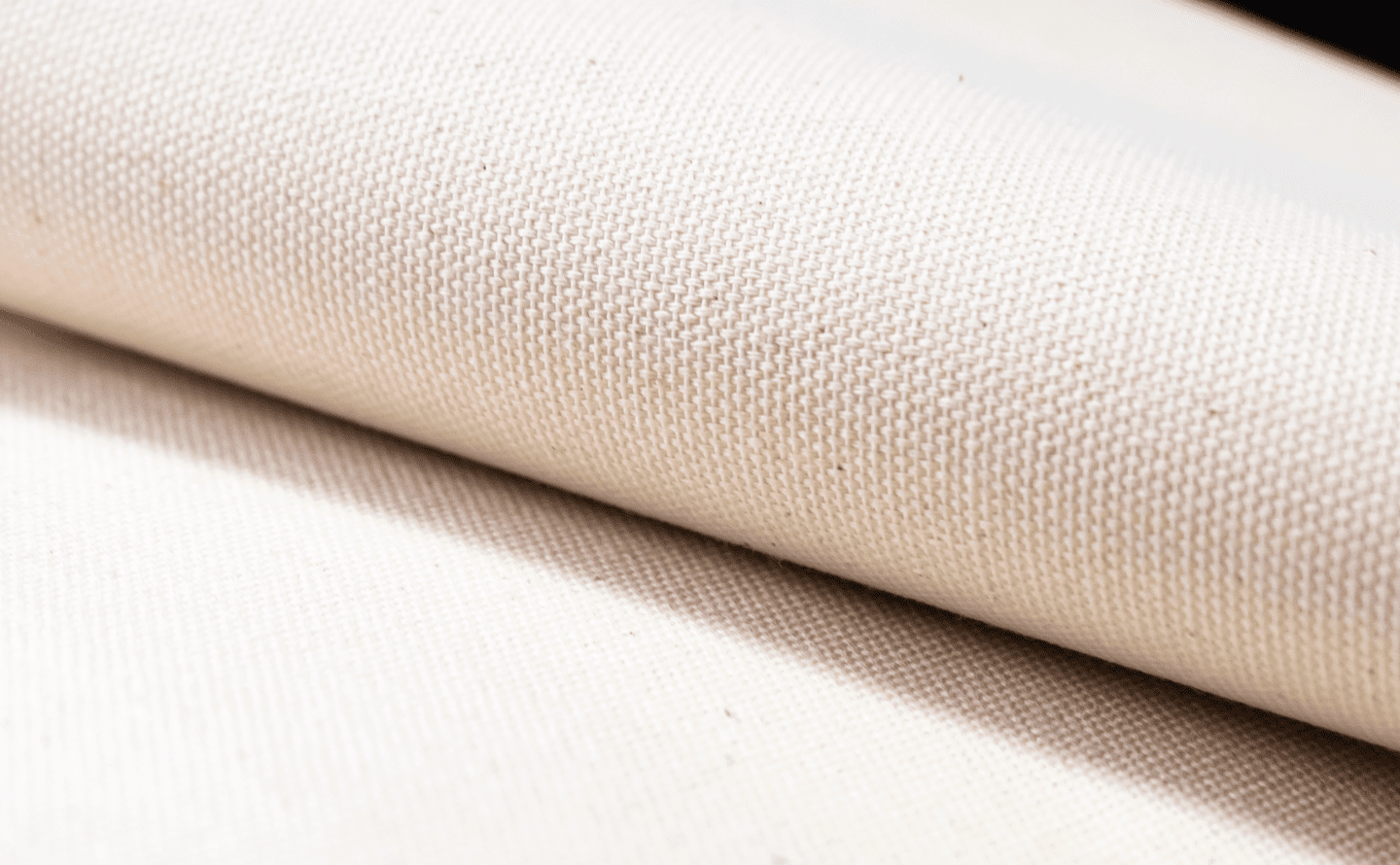
Commercial route in one sentence
Start with stock canvas for a practical 500-piece order. Move to custom dyeing when the brand-color requirement is strong enough to justify a small dye-lot fee, extra development and physical swatch approval.
The 500-piece route starts with color priority, not a sustainability slogan
Jolian confirmed the normal commercial route: a 500-piece order basically needs to choose stock material. Custom ordering with a small dye-lot fee is possible, but it costs more. The deciding factor is the customer’s color requirement; if a brand color is important and the tolerance is strict, the canvas normally needs a customized route.
This guidance does not invent a fixed fee, a universal lead time or a perfect Pantone guarantee. The actual quote depends on fabric, color, mill route, sample work, logo, packing and delivery date.
Confirm the current color, weave, weight, usable width and reservable quantity before treating a stock option as approved.
- current lot and quantity
- GSM/handfeel suitability
- reservation and sample status
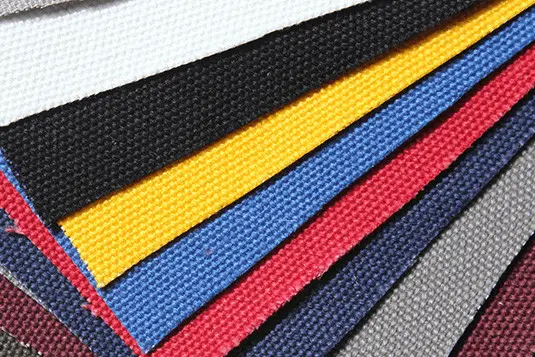
Build two quote scopes instead of hiding the dye-lot difference
| Decision field | Stock canvas route | Custom-dyed canvas route |
|---|---|---|
| Color | Select from current available shades. | Develop against brand reference and approved swatch. |
| MOQ 500 fit | Usually the practical starting route. | Possible with small-lot fee and supplier feasibility. |
| Calendar | Fewer material-development steps. | Adds lab dip/swatch and material production approval. |
| Cost structure | Uses available material economics. | Separates dye-lot/minimum and development scope. |
| Reorder | Future stock-lot continuity is not automatic. | More control when repeat quantity supports the route. |
Budget for the small dye-lot fee, swatch approval and additional development time.
- brand color reference
- small dye-lot fee
- signed physical swatch
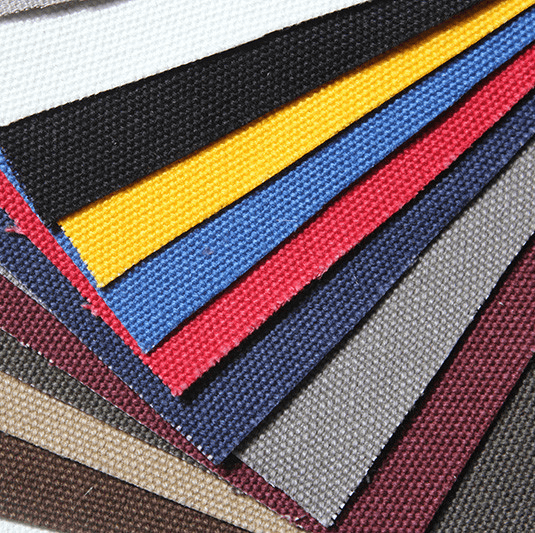
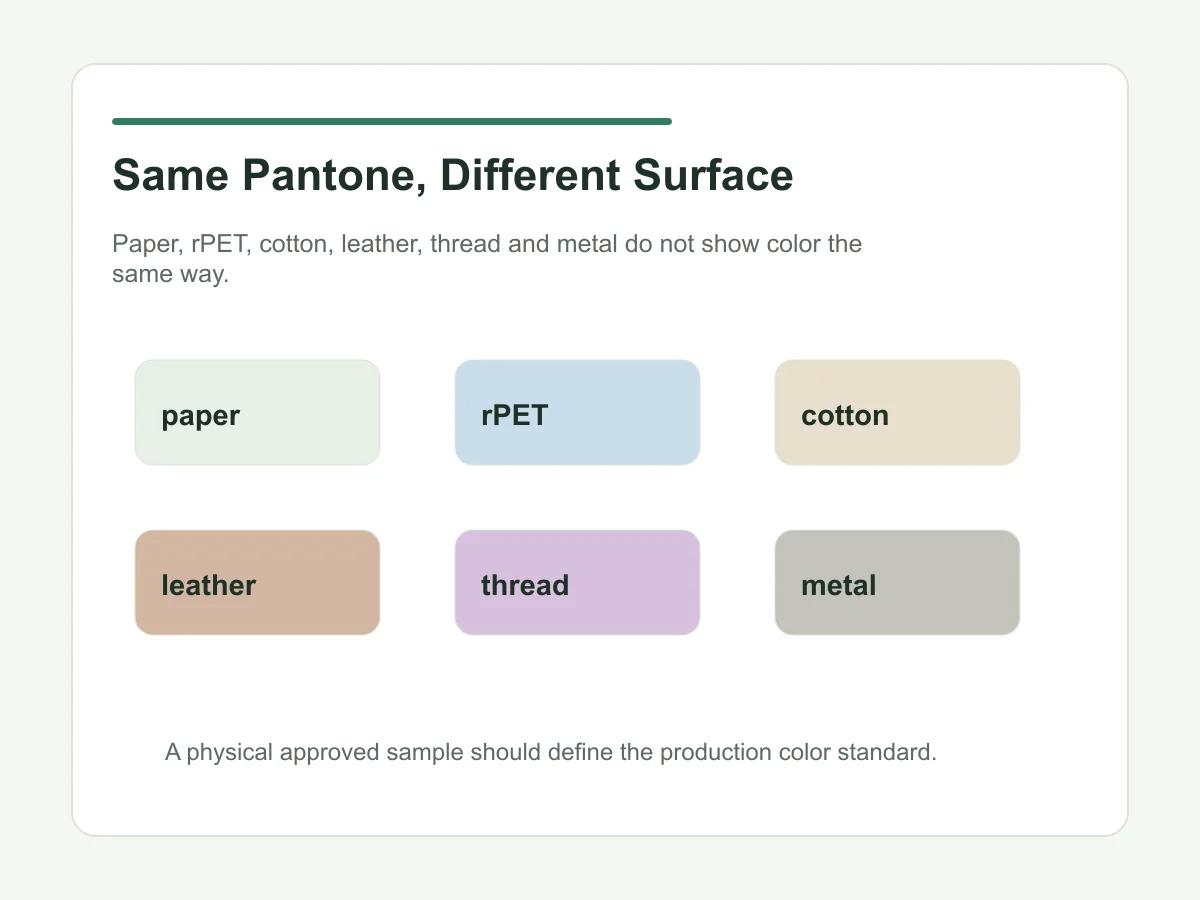
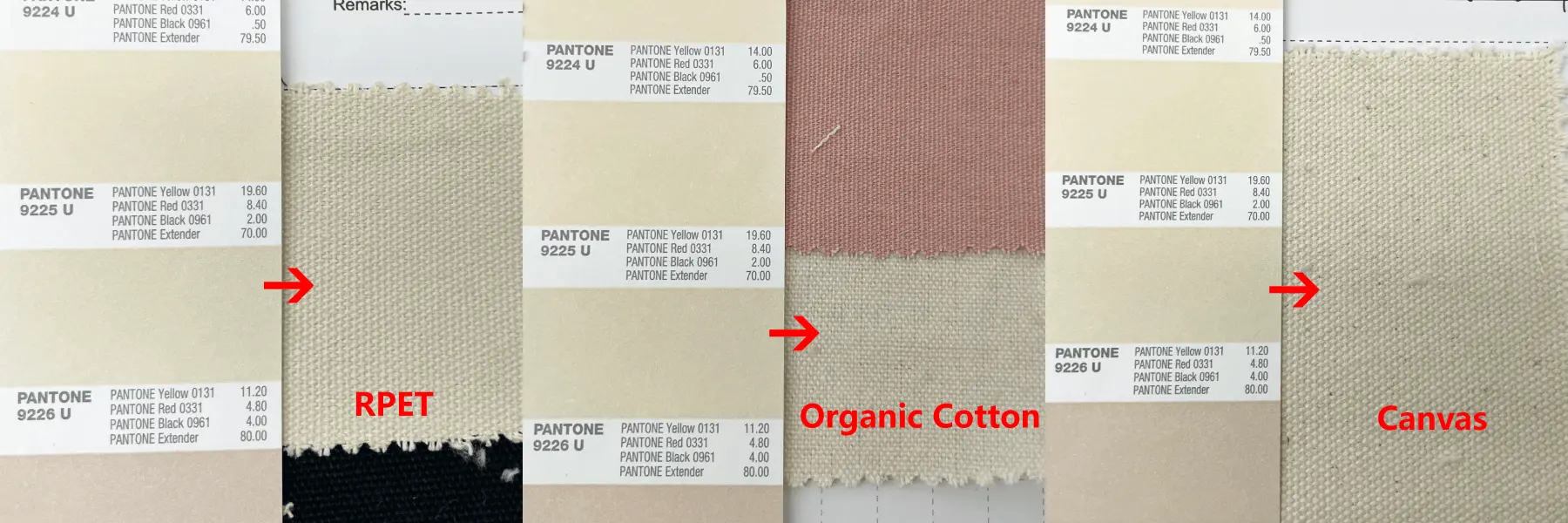
Pantone communicates the target; canvas determines the visible result
Pantone color system overview [1] explains the role of the Pantone color system in communicating color. On canvas, fiber, yarn, weave, absorbency, finish and lighting can change the appearance. The RFQ needs to include the intended reference, followed by approval of the actual fabric swatch rather than relying on a monitor or paper chip to predict the complete tote surface.
Approve the physical fabric result because fiber, weave and finish affect appearance.
- fiber and weave
- dye process
- finish and conditioning
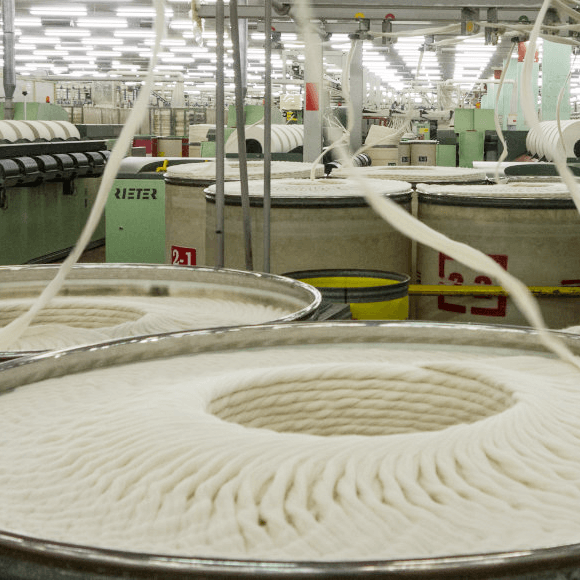
Use three approval points for a demanding brand color
1. Color direction
Share Pantone and, where possible, a physical brand reference.
2. Canvas swatch
Approve shade, handfeel and surface on the proposed material.
3. Printed bag sample
Confirm material color beside the actual logo and construction.
Use the color reference to communicate intent, then approve the actual canvas swatch.
- canvas weave and texture
- lighting conditions
- logo and trim coordination
When stock canvas is the wrong route
Do not force a stock shade into a brief when the bag must coordinate with a strict brand color, campaign packaging or other products. In that situation, compare the custom-dye fee and development time against the commercial cost of accepting an off-brand result. The decision still needs a physical swatch and printed sample; a Pantone number alone is not bulk approval.
Document scope follows the selected material route
Ask for the documents needed for the intended market claim, not a generic certificate list. OEKO-TEX STANDARD 100 [2] describes OEKO-TEX STANDARD 100 for tested textiles, while Global Organic Textile Standard [3] describes the GOTS standard and scope. Applicability depends on the actual material, supplier/process chain and order. Neither reference automatically applies because the tote is cotton, stock canvas or custom dyed.
Lead-time planning must begin before the bag sample
A stock route can move to a bag sample after availability and suitability are confirmed. A custom-dyed route adds feasibility, swatch/lab-dip work, approval and material production first. If the target arrival date is fixed, compare both routes before logo sampling so the material decision does not force an expensive shipping change later.
Keep the approved swatch with the sample, logo and reorder records.
- color target and tolerance
- material identity
- date and version
Use this decision rule in the RFQ
Choose stock canvas when an available shade is acceptable, MOQ 500 economics and speed matter, and future lot variation can be reviewed.
Choose custom-dyed canvas when brand-color accuracy has higher commercial value and the buyer accepts the small-lot fee, extra approval and development time.
Choose a focused review: Compare Cost Scope or Request MOQ and Swatches.
FAQ
Is stock canvas the normal route for 500 tote bags?
It is often the practical starting route because a 500-piece order may be too small to justify recreating a custom fabric color economically. The supplier still needs to confirm actual stock quantity, lot, width, weight and suitability. Stock status can change, so the material should not be promised until availability is checked and reserved.
Can a 500-piece order use custom-dyed canvas?
It can be reviewed. Jolian confirmed that custom ordering with a small dye-lot fee is possible, but the route costs more than selecting a suitable stock material. The quote should separate material development, dye-lot or minimum charges, swatches, sample work and bulk production so the buyer sees the real scope.
When is custom dyeing worth the extra cost?
It is more appropriate when a brand color is central to retail identity, campaign consistency or coordination with other products and an available stock shade is not acceptable. The brand team needs to provide a Pantone and, where possible, a physical reference, then approve the actual canvas swatch under agreed lighting before the full bag sample.
Does custom dyeing guarantee an exact Pantone match?
No. Pantone improves color communication, but fiber, yarn, weave, dye process, finish and lighting affect the physical result. Set a visual or instrumental tolerance that both sides understand and approve the actual swatch. The signed fabric reference, not the screen display alone, should guide sample and bulk comparison.
How does the material route affect lead time?
Stock canvas can reduce development steps when the current lot fits the brief. Custom dyeing adds feasibility, lab dip or swatch work, approval and material production before bag sampling. The exact calendar depends on color, quantity, mill route, sample revisions, logo method, packing and delivery date, so it should be confirmed project by project.
What document questions belong in the canvas RFQ?
State whether the order needs a specific material claim or document route. GOTS or OEKO-TEX references must match the actual supplier, material, processing and order scope; they are not automatic because the product is cotton or custom dyed. Request only the evidence needed for the intended market claim and verify its applicability before publishing wording.
What should a buyer send for a 500-piece canvas quote?
Send finished size and structure, target GSM or handfeel, total quantity, stock-color flexibility or brand-color requirement, Pantone/physical reference, logo method and size, packing, delivery market, required date and target price. This lets the supplier compare a stock route with a custom-dyed route instead of quoting one material assumption.
Can a later reorder use the same stock canvas color?
Only if the same or an acceptably close stock lot remains available. Keep the signed sample and retained bulk material reference, then compare the current lot before the repeat order. If closer consistency is commercially important and quantity supports it, move to a controlled customized material route rather than assuming stock continuity.
Sources
About the Author
 |
Zoe Yu is B2B Sales Manager at Ecoicolortote, supporting overseas brand buyers with custom tote RFQs, material and logo review, sampling, packing and bulk production coordination. |
Check Delivery FeasibilityView Canvas Tote Route