Zoe Yu
Custom tote bag cost is not one factory number. For brand buyers, the real unit price depends on material base cost, fabric weight, cutting waste, structure, handle construction, logo setup, packaging items, label application labor, sample scope, document scope, quantity split and landed-cost terms.
Scope boundary: this page covers landed cost, shipping terms, destination charges and low-quote omissions. Unit-price cost breakdown belongs to the Cost Breakdown guide; RFQ-field completeness belongs to the Quote Scope & Cost Drivers guide.
Ecoicolortote is a better fit for MOQ 500+ brand projects where buyers want a clear cost breakdown before sampling. If you are comparing suppliers and the prices look very different, send us the specification first so we can help identify which quote lines are included, optional or missing.
Buyer Summary
- Best for: brand buyers comparing custom tote bag quotes from 500 pcs per style, especially retail, GWP, hotel, event and private label projects.
- Main decision: tote bag cost should be judged by included quote scope: material, size, construction, logo setup, packaging items, labels, sample scope, document scope and landed-cost terms.
- Factory-side note: a low unit price can hide lighter fabric, missing packaging, unpriced labels, excluded sample controls, weak handle construction, carton-mark labor or unclear freight responsibility.
- What to prepare: quantity, size, material direction, fabric weight target, logo file, packaging needs, label requirements, sample expectation, destination and expected delivery term.
What is the short answer on custom tote bag cost?
A useful custom tote bag quote should separate the main cost drivers: material cost, cutting waste, construction labor, handle work, logo setup, packaging cost, label labor, sample scope, document scope and landed-cost responsibility. If two quotes are not based on the same scope, the unit prices are not truly comparable.
For a basic MOQ 500 pcs project, the lowest-risk quote usually uses one size, one material route, one to two colors, one logo process and simple packaging. Unit price can rise quickly when buyers add heavy canvas, custom dyed fabric, zipper, hardware, embroidery, retail sleeves, barcode labels, multi-SKU handling or split shipment charges.
How does this guide differ from MOQ and quote comparison topics?
Our MOQ and lead time planning guide explains quantity split, sample rounds and production-window pressure. Cost planning focuses on components inside the quote, so buyers can see why two custom tote bag prices may not mean the same thing.
If the buyer is still preparing a first inquiry, use the custom tote bag RFQ checklist. If the buyer already has prices and wants to understand why quote lines differ, this cost-breakdown guide is the better route.
Which cost components matter most?
The biggest cost components are usually material base cost, fabric consumption, cutting waste, structure, handle labor, logo setup, packaging item cost, label application and landed-cost responsibility.
| Cost component | Why it changes unit price | Buyer check |
|---|---|---|
| Material | Cotton, canvas, recycled cotton, rPET and specialty materials have different base prices and availability. | Confirm the material route, blend and fabric weight, not only the visual look. |
| Fabric weight | Heavier fabric increases material consumption, cutting waste, carton weight and sometimes freight cost. | Ask whether the quoted weight matches the approved sample. |
| Structure | Gusset, lining, pocket, zipper and reinforcement add fabric, components and sewing labor. | Separate functional details from decorative extras. |
| Logo process | Screen print, heat transfer, embroidery, woven label and patch have different setup fees and labor logic. | Confirm artwork size, color count, placement and setup charge. |
| Packaging | Polybags, sleeves, hangtags, barcodes and carton labels add material cost and application labor. | Include each packaging item as a quote line before comparing prices. |
| Landed cost | Carton size, shipment method, destination, split shipment and Incoterms affect what the buyer actually pays. | Separate ex-factory unit price from landed-cost responsibility. |

How does material route change unit price?
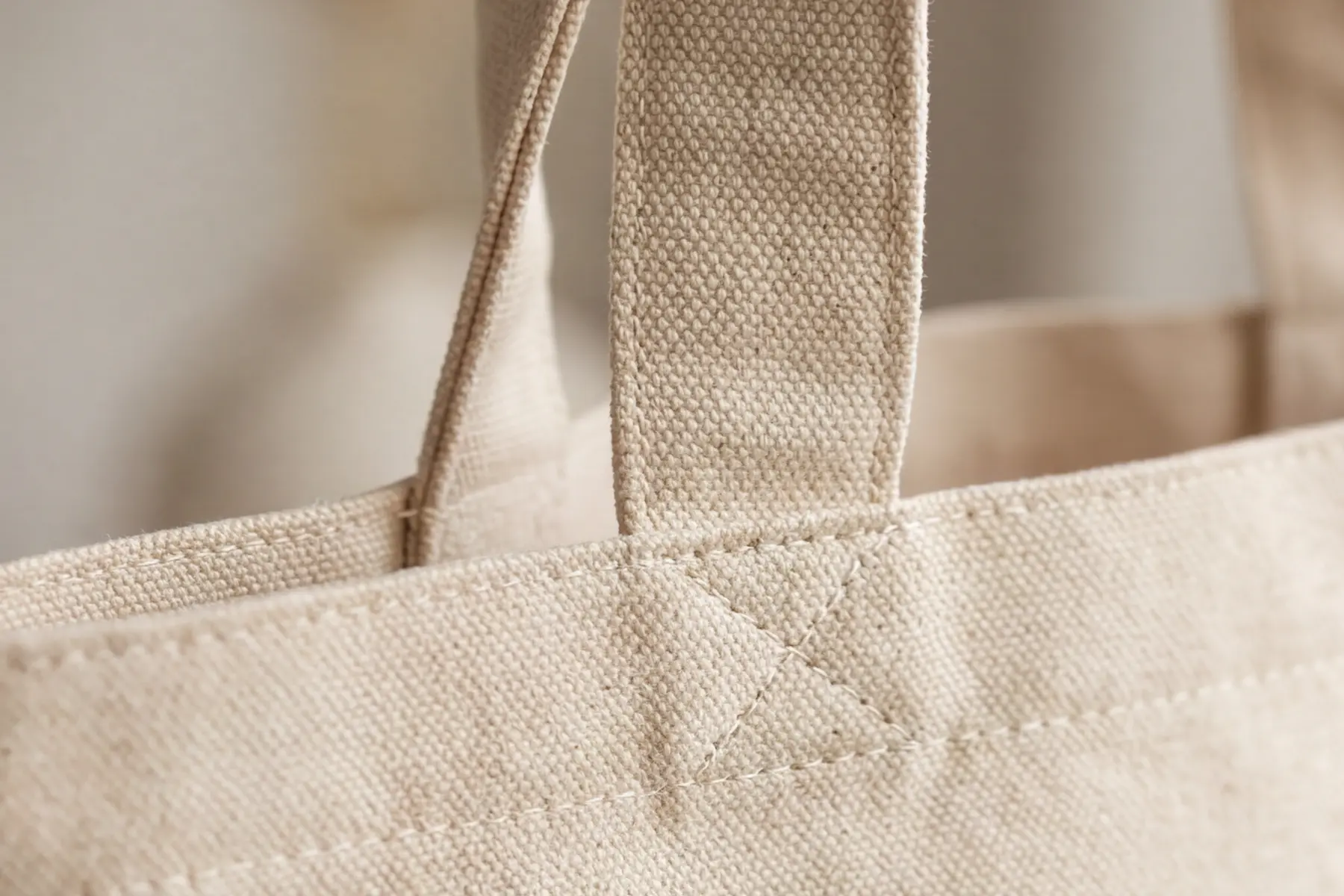
Material route changes unit price through fabric base cost, fabric weight, dyeing surcharge, minimum roll use, cutting waste, recycled-material premium and document scope. A cheaper material can become the wrong quote if it fails the approved sample standard.
| Material route | Cost logic | Buyer risk |
|---|---|---|
| Cotton canvas | Cost changes with fabric weight, weave, color, shrinkage allowance and structure. | A low quote may use lighter fabric than expected. |
| Recycled cotton | Cost is tied to blend, yarn availability, color route and document scope. | Claim wording and supporting documents should match the quoted material. |
| rPET | Often practical for lightweight or larger-quantity projects, with price tied to fabric type and artwork result. | Foldability, surface feel and print result should be checked before price approval. |
| Organic or specialty routes | Can support a stronger material story but may add material premium and document review cost. | Do not compare directly with basic cotton pricing. |
For recycled material claims, buyers should connect material wording with actual scope. Textile Exchange Recycled Claim Standard1 can be a useful reference for recycled-content discussions, while FTC Green Guides5 help keep environmental marketing claims qualified.


How do fabric weight and handfeel affect cost?
Fabric weight affects cost through material consumption, cutting waste, structure, carton weight and packing volume. A heavier tote is not automatically better; it should match the product value and the buyer's budget line.
A 10 oz canvas body and a lighter cotton body may look similar in a mockup, but the fabric consumption and freight weight can be different. If a quote seems unusually low, buyers should check whether the quoted fabric weight, approved handfeel and bulk fabric standard are the same. For textile safety discussions, OEKO-TEX STANDARD 1006 may be relevant depending on material and order scope.
How do structure, gusset and closure change cost?
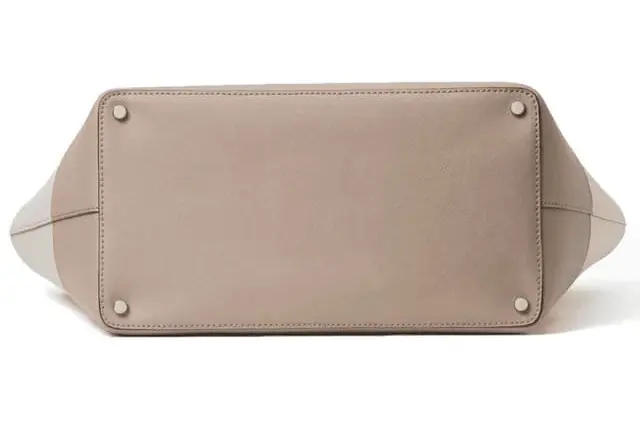
Bottom gussets, side gussets, pockets, zippers, snaps, lining, hardware and reinforced handles add material, component cost, sewing labor, inspection time and sometimes sample-review cost.
A basic flat tote is simpler to price than a structured retail or travel tote. If the bag needs to stand better, carry heavier products, close securely or look more retail-ready, those details should be quoted as visible cost lines instead of hidden inside a vague style reference.
| Detail | Cost impact | When it is worth it |
|---|---|---|
| Bottom gusset | Adds fabric, cutting work and sewing labor. | When product fit, standing shape or capacity matters. |
| Handle reinforcement | Adds stitching time and QC checks. | When contents are heavy or repeated use is expected. |
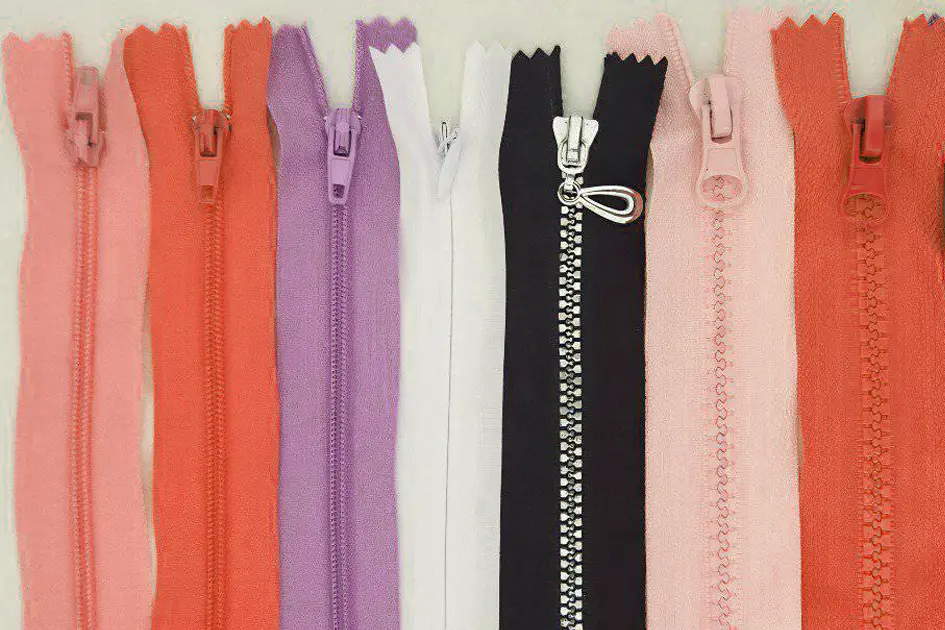
| Zipper or snap | Adds hardware cost, attachment labor and sample review. | When closure is part of function or retail value. |
| Inner pocket | Adds material, cutting and sewing steps. | When the tote is meant for daily use or premium gifts. |
How does logo process change the quote?
Logo cost depends on setup charge, artwork size, color count, process, placement, material surface and approval sample. The cheapest logo process is not always the best route for brand value.
| Logo process | Cost logic | Buyer check |
|---|---|---|
| Screen printing | Efficient for simple logos and limited colors. | Confirm color count, print size and Pantone reference. |
| Heat transfer | Useful for full-color artwork and gradients, with price tied to artwork area and transfer quality. | Check handfeel, edge and artwork resolution. |
| Embroidery | Can raise perceived value but adds stitch count, digitizing and labor cost. | Avoid tiny text and overly large stitch areas. |
| Woven label or patch | Adds component sourcing, edge finish and attachment labor. | Confirm component MOQ, placement and unit add-on. |
Pantone color systems2 can help with color communication, but physical sample review remains important. Our logo file requirements and heat transfer printing guides explain process-side checks.
How do packaging and labels affect cost?
Packaging and labels can change unit price through item cost, printing cost, barcode mapping, application labor, packing labor and version-handling charges.
Common packaging cost drivers include individual polybags, recycled-content polybags, sleeves, hangtags, paper cards, barcode stickers, carton labels, set assembly and split packing. GS1 General Specifications3 may matter when barcode or SKU handling is required. FSC paper and packaging4 may be relevant for paper packaging claims.
| Packaging item | Why it affects cost | Quote line to confirm |
|---|---|---|
| Hangtag or sleeve | Adds paper sourcing, printing and attachment labor. | Paper item price plus application cost. |
| Barcode label | Adds label printing, SKU mapping and version checking. | Barcode sticker cost and mapping labor. |
| Carton label | Adds label production and carton-level handling work. | Carton mark labor and version split. |
| Set assembly | Adds insertion, checking and packing labor. | Assembly labor per set. |

How do MOQ, color split and SKU split affect unit price?
MOQ is not only total quantity. Unit price changes when one order is split across colors, sizes, materials, logo versions, labels, SKUs or shipment groups because setup work and handling labor are divided across fewer units.
At MOQ 500 pcs per style, the most practical cost structure is one size, one to two colors, one main logo process and simple packaging. If the same 500 pcs is split into many colors or retailer versions, the quote may rise because setup, material handling, label mapping and packing checks are less efficient. For production-window planning rather than price breakdown, use the MOQ and lead time planning guide.
What can be estimated publicly, and what must be confirmed by RFQ?
A public page can explain common cost drivers, but exact unit price must be confirmed after material, size, artwork, quantity, packaging, label and landed-cost scope are known.
| Can be discussed publicly | Must be confirmed by RFQ | Why |
|---|---|---|
| Basic cost drivers | Exact material, fabric weight and cutting standard | Small specification changes can move the quote. |
| Common logo options | Artwork size, colors, process and setup charge | Logo setup and labor differ by route. |
| Packaging categories | Hangtag, sleeve, barcode and carton label details | Packaging items and application labor should be priced separately. |
| Delivery terms matter | Destination, carton volume, shipment method and Incoterms | Product unit price and landed cost are different. |
How can buyers reduce cost without weakening the product?
Cost can often be reduced by standardizing the bag body, reducing color splits, choosing one logo process, using available materials and simplifying packaging while protecting the details that matter to the use case.
- Keep one shared bag body and move version differences to hangtags or labels.
- Use one main logo process instead of mixing several processes at low quantity.
- Choose available material colors when budget is tight.
- Confirm packaging items early so paper cards, sleeves and labels do not become hidden add-ons.
- Protect handle strength, approved sample standard and essential packaging even when reducing optional details.
How do shipping terms affect landed cost?
Factory unit price and landed cost are different. Carton size, carton weight, destination, shipment method, split shipment and trade terms can all change what the buyer actually pays.
For international projects, ICC Incoterms rules7 help define delivery responsibilities, but the practical landed-cost calculation still needs to be discussed for each order.
How should buyers read a low unit price?
A low unit price should be checked against material weight, handle construction, logo setup, packaging items, label labor, sample scope, document scope, QC scope and landed-cost terms before it is treated as a true saving.
Low pricing can be reasonable when the specification is simple. It becomes risky when important quote lines are excluded or unclear. Buyers should ask what is included, what is optional and what will be charged separately after sampling.

How does Ecoicolortote support cost clarification?
Ecoicolortote can review the buyer's material, size, logo, packaging, label and landed-cost requirements before sampling, then point out which parts are driving cost and which parts can be simplified.
This is especially useful for GWP, retail, hotel, event and private label tote projects where small details can change quote scope. A clear RFQ helps prevent missing quote lines from appearing after sample approval.
Who is not a good fit for a custom tote bag cost project?
Ecoicolortote is not the right fit for very small quantities, unclear specifications, lowest-price-only inquiries, or projects that want premium material, complex logo, retail packaging and rush handling without sample confirmation.
We are a stronger fit for MOQ 500+ brand projects where the buyer wants a realistic cost breakdown and is willing to confirm material, artwork, packaging and quote scope before production.
Share material, size, quantity, logo file, packaging, label needs, sample expectation, destination and expected delivery term. Contact Ecoicolortote.
FAQ: Custom tote bag cost planning
Can Ecoicolortote give a fixed public unit price?
No. A useful quote needs material, size, quantity, logo process, packaging, label, sample, document and landed-cost scope. Public fixed pricing would be misleading for custom projects.
Why are two canvas tote quotes different?
They may use different fabric weights, handle construction, logo setup, packaging items, label labor, sample scope, MOQ split or landed-cost terms.
What is the fastest way to get a realistic quote?
Send quantity, dimensions, material direction, logo artwork, packaging needs, label requirements, destination and expected delivery term.
Can cost be reduced without reducing quality?
Yes. Standardizing the bag body, reducing color splits, choosing one logo process and simplifying packaging can reduce cost without weakening core performance.