Zoe Yu
Lightweight vs structured tote bags is not only a style choice. Fabric weight, tote bag GSM, canvas oz, surface texture, handfeel, foldability and carton volume can change how a brand tote feels, prints, ships and performs in a real campaign.
Ecoicolortote is a better fit for MOQ 500+ brand projects where the buyer needs to confirm material weight, handfeel, logo process, packaging and sample approval before production. If you are not sure whether your tote should feel light, soft, natural or structured, send us your material and handfeel brief first.
Buyer Summary
- Best for: beauty GWP, retail, hotel welcome, event, wellness and seasonal gift tote projects from 500 pcs per style.
- Main decision: fabric weight should be selected by use case, contents, handfeel, logo process, packaging and delivery plan, not by weight number alone.
- Factory-side note: GSM, canvas oz, stiffness, texture, fold thickness and logo result should be confirmed by physical sample before bulk production.
- What to prepare: use case, quantity, size, material direction, desired handfeel, logo process, packaging needs, target delivery date and reference sample if available.
What is the quick answer for lightweight vs structured tote bags?
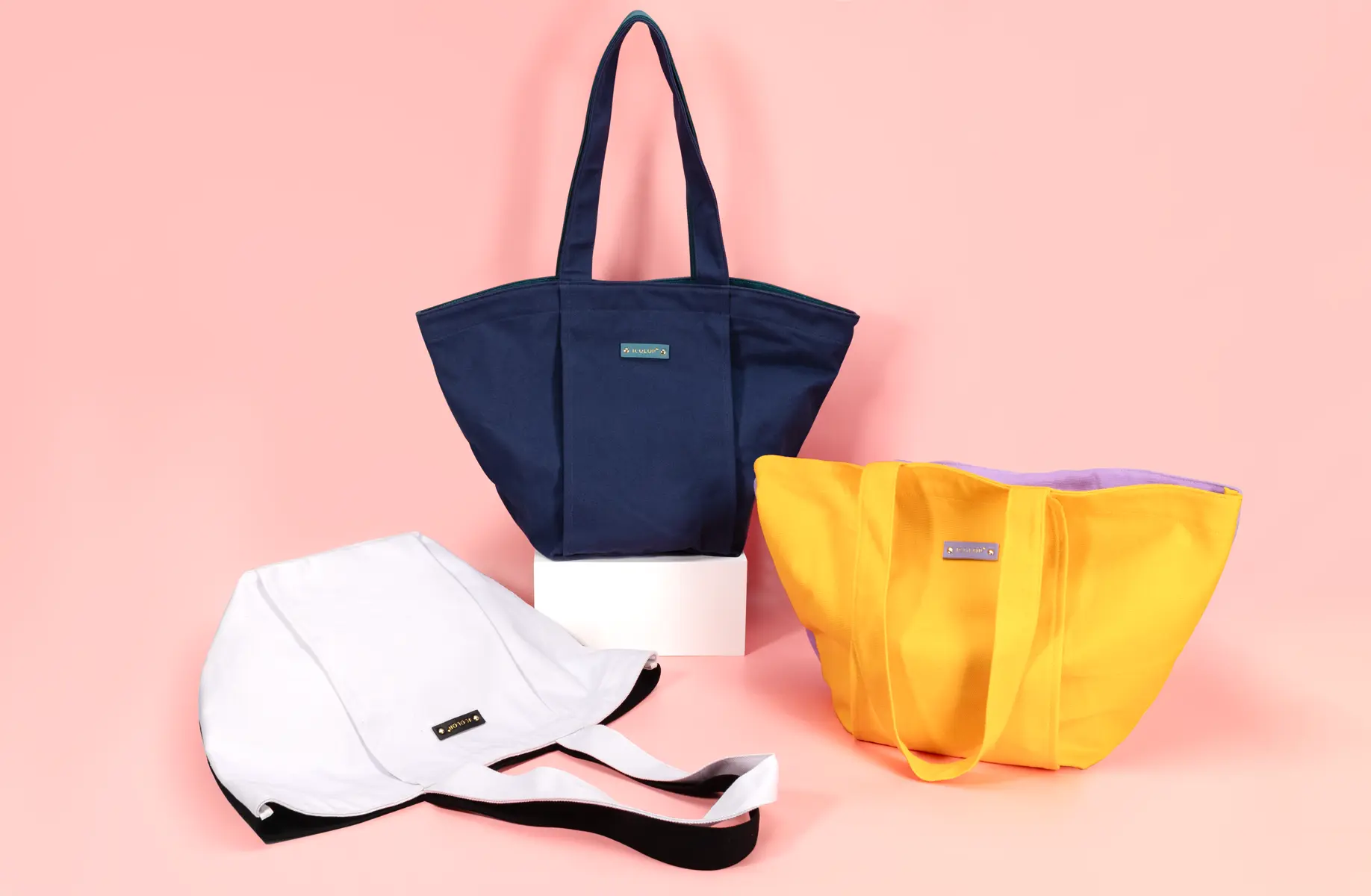
Lightweight tote bags work best when the project needs lower packing volume, easy distribution, folding efficiency and cost control. Structured tote bags work better when the buyer needs retail feel, stronger shape, premium handfeel or a gift-ready product experience.
The best route is usually decided by use case, contents, material family, fabric weight, logo process, packaging and sample approval. A conference tote can be successful because it is light and easy to distribute. A retail tote can be successful because it has body and repeat-use value. A hotel welcome tote may need the middle route: clean, calm and practical without becoming bulky.
Buyers should not ask only for a heavier fabric. A heavier tote may feel more substantial, but it can also increase unit cost, folding thickness, carton volume and freight pressure.
How does this guide differ from our material, canvas and structure guides?
This guide focuses on fabric weight and handfeel after the buyer has a rough material direction. It does not replace material selection, canvas-specific planning or handle/gusset/closure structure review.
Our rPET, recycled cotton and cotton canvas material guide compares material families. Our custom canvas tote bags for brands guide goes deeper into canvas routes. Our custom tote bag structure details guide covers handles, gussets and closures.
The fabric-weight decision sits between those topics. It helps buyers decide whether a project should feel lightweight, soft natural, medium weight, structured, foldable or retail-ready before sampling.
Which brand projects need fabric weight and handfeel decisions?
Fabric weight matters most when the tote must do more than carry a logo. Beauty GWP, retail, hotel welcome, event and holiday gift projects each use tote bags differently, so they should not all default to the same fabric weight.
| Project type | Buyer priority | Likely fabric direction |
|---|---|---|
| Beauty GWP | Budget, product fit, gift value and launch timing | Light to medium rPET, recycled cotton or canvas depending on perceived value. |
| Retail / private label | Sellable feel, shape, repeat use and label system | Medium to structured canvas, recycled cotton canvas or selected premium routes. |
| Hotel welcome tote | Clean presentation, guest handfeel and practical use | Medium natural cotton, recycled cotton or canvas with controlled structure. |
| Event / conference | Quantity, lightweight distribution and carton efficiency | Lightweight rPET or lighter cotton route where cost and shipping matter. |
| Holiday gift | Gift feel, packaging, seasonal color and stronger presentation | Medium to structured fabric with better handfeel and packaging support. |
What fabric weight mistakes do brand buyers often make?
The most common mistake is assuming thicker fabric is automatically better. GSM, canvas oz, thickness, stiffness and durability are related, but they are not the same thing.
A heavier canvas can feel more substantial, but it may increase cost, freight, folding thickness and sample complexity. A lighter fabric can be the right choice when the project needs efficient packing, fast event distribution or a large campaign quantity.
Another common problem is using vague words such as premium, durable, environmental or soft. These words should become specifications: material family, weight range, handfeel expectation, logo process, packaging method, document scope and sample approval standard.
- Heavier is not always better: large event orders may need lighter fabric to control carton volume and freight.
- Same material name can feel different: canvas, recycled cotton and bamboo fiber can vary by construction, finish and supplier route.
- Handfeel is physical: photos cannot confirm drape, stiffness, surface touch or folding thickness.
- Logo effect depends on surface: texture can change print edge, heat transfer touch and embroidery stability.
How should buyers understand fabric weight, tote bag GSM and canvas oz?
Ecoicolortote usually explains fabric weight in two ways: technical values such as GSM or canvas oz, and buyer-friendly groups such as lightweight, medium weight and structured. This keeps the discussion practical.
A buyer may not know whether 8 oz, 10 oz or 12 oz canvas is right, but they can usually describe whether the tote should fold small, feel soft, carry samples, stand with contents or look retail-ready. That buyer language should be translated into fabric choices during RFQ.
| Weight direction | Best-fit projects | Buyer checks |
|---|---|---|
| Lightweight | Events, conference giveaways, large-quantity GWP and campaigns where shipping efficiency matters. | Check print effect, transparency, foldability, handle comfort and whether the tote feels too thin. |
| Medium weight | Beauty, hotel, wellness, retail gift and many brand campaigns. | Check balance between handfeel, cost, structure, folding and logo process. |
| Heavy / structured | Private label, premium GWP, retail tote, holiday gift and stronger product feel. | Check carton volume, freight, stitching, handle load, bottom support and sample timing. |
How do rPET, recycled cotton, cotton canvas, organic cotton and bamboo fiber feel different?
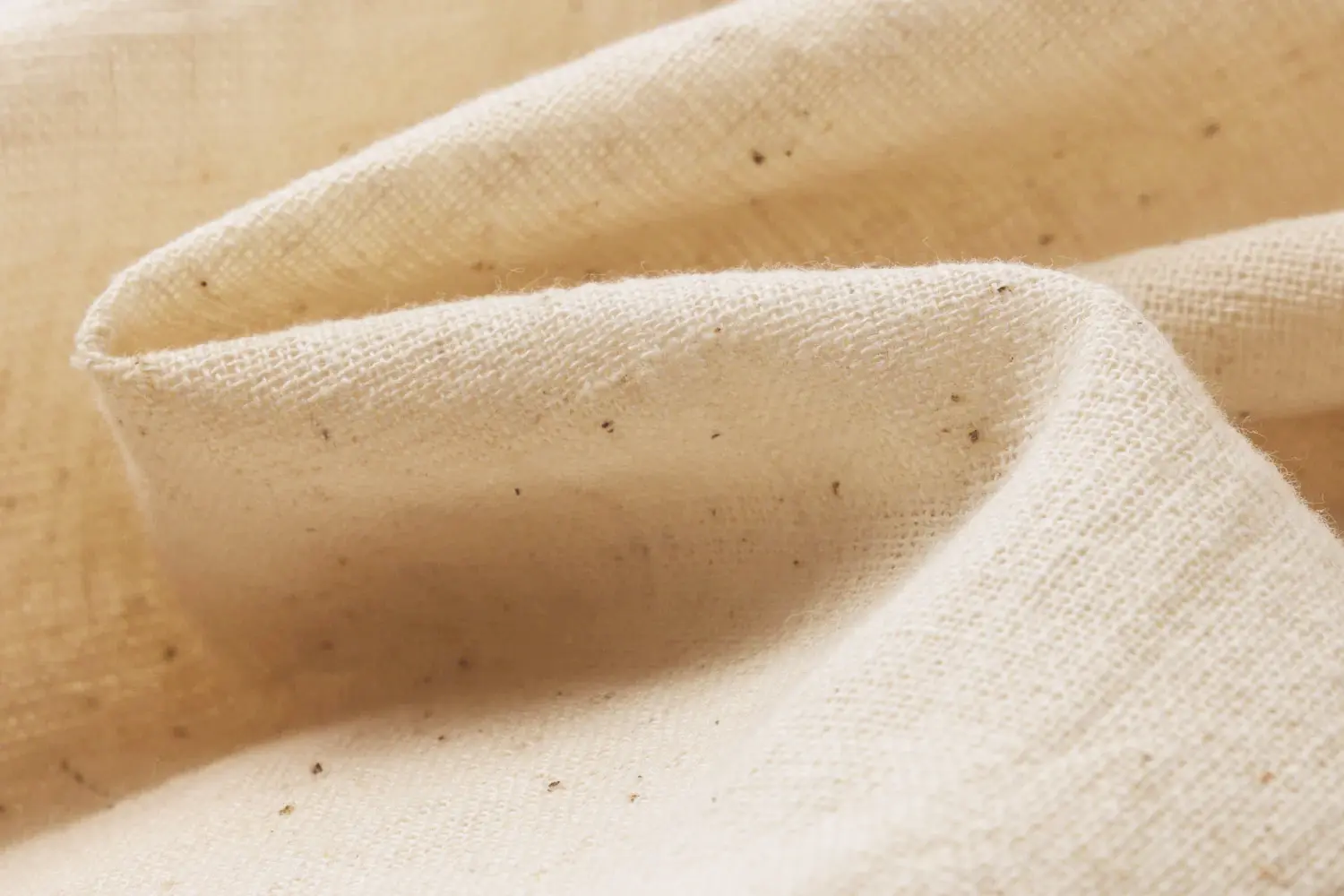
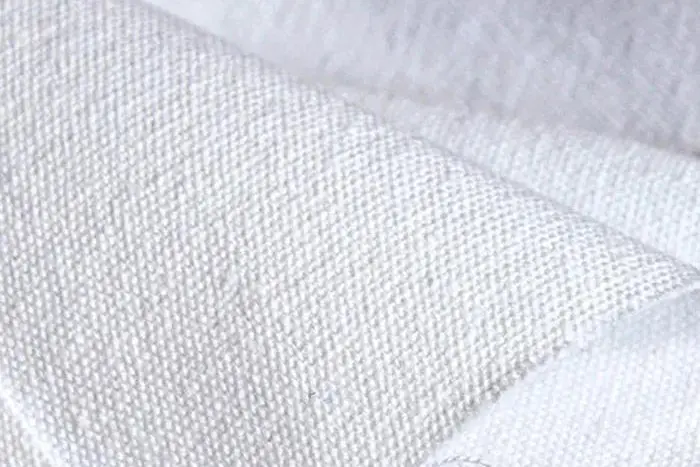
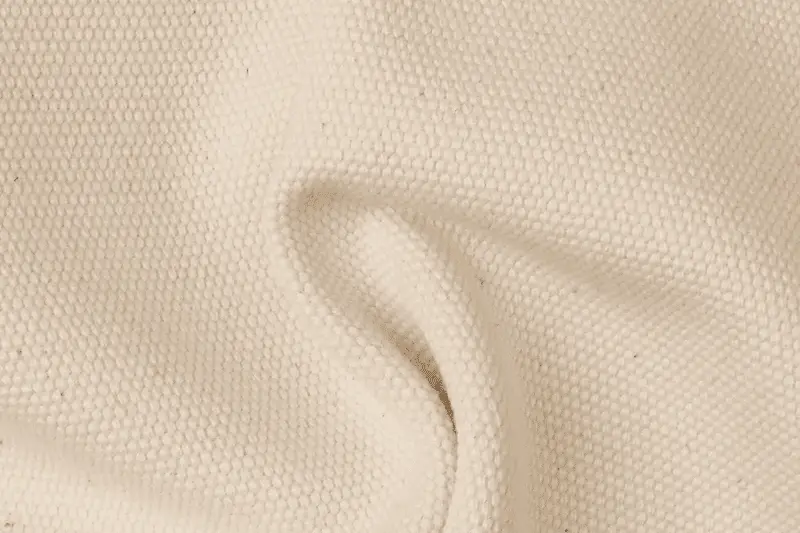
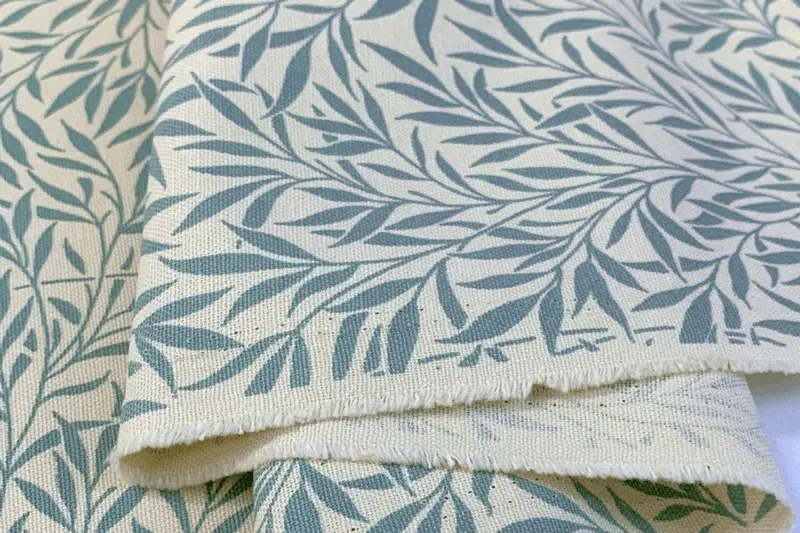
Material family changes the handfeel conversation. rPET can feel smoother and lighter, recycled cotton often feels softer and more natural, and cotton canvas usually gives more structure when the selected weight is suitable.
| Material route | Typical handfeel direction | Best-fit buyer language |
|---|---|---|
| rPET | Smoother, lighter and flatter surface; useful for campaign artwork. | Lightweight, full-color, efficient, event-ready. |
| Recycled cotton | Softer natural feel; stability depends on composition and construction. | Recycled story, soft handfeel, budget-aware brand project. |
| Cotton canvas | More structure and a more solid product feel when weight is suitable. | Retail-ready, durable-feeling, gift-worthy. |
| Organic cotton | Natural, clean and softer positioning when document scope fits. | Wellness, clean beauty, natural brand story. |
| Bamboo fiber | Soft natural feel with wellness language, depending on blend and finish. | Spa, wellness, soft gift, natural tone. |
Environmental wording should stay specific. FTC Green Guides summary1 helps keep environmental marketing claims qualified. Global Recycled Standard2 can support recycled material discussions, but exact document scope must be confirmed for each order. OEKO-TEX STANDARD 1003 can support textile safety discussions where applicable.
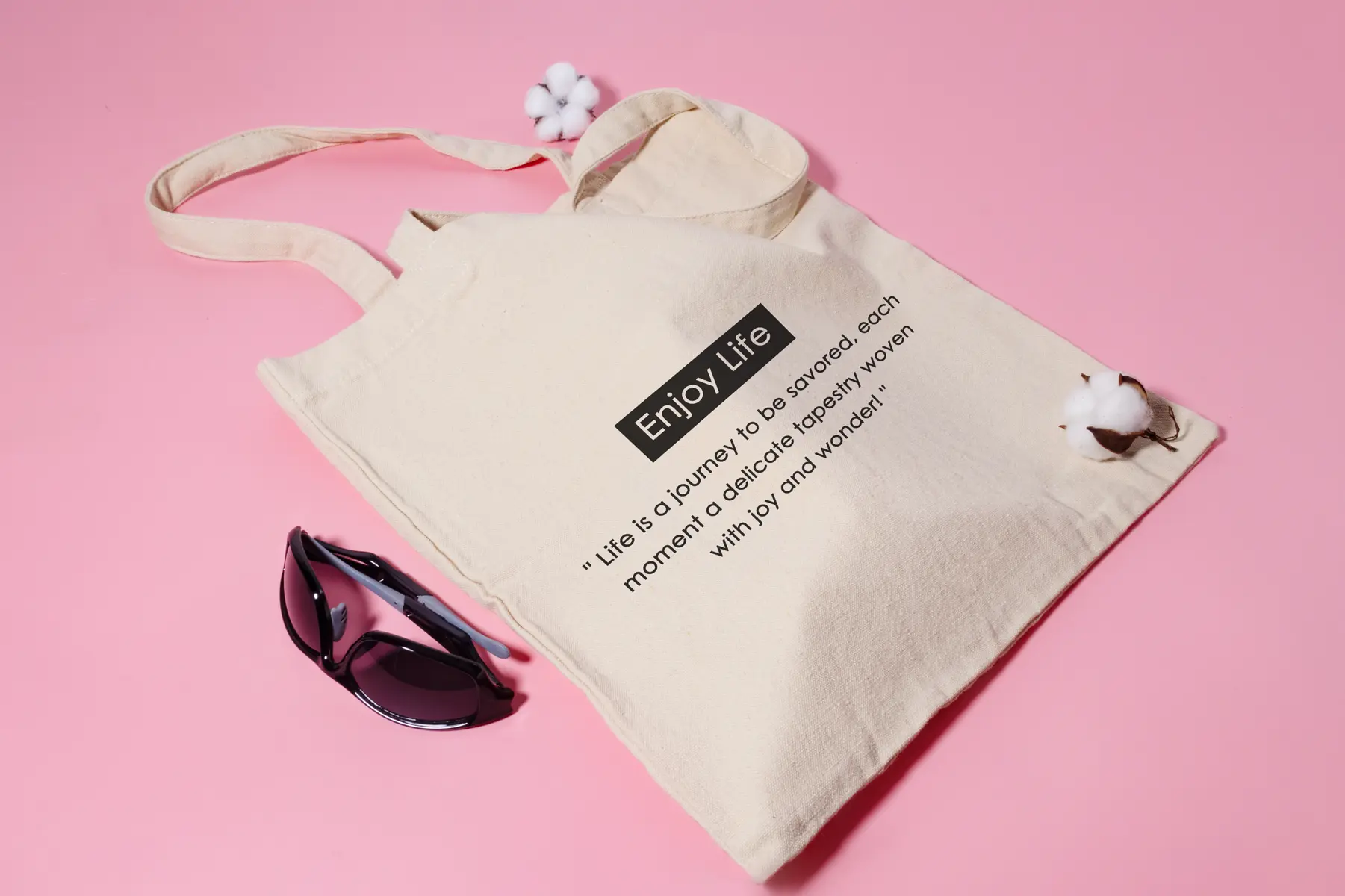
Premium handfeel may mean different things to different buyers. It can mean structured retail feel, soft wellness touch, clean hotel presentation or a GWP tote that feels valuable enough for the purchase threshold.
Because handfeel is subjective, it should be translated into physical checks: fabric weight, surface texture, drape, stiffness, fold thickness, logo touch, handle comfort and packaging presentation. This is why handfeel should be confirmed by a physical sample, not only a reference image.
For a retail buyer, premium may mean a stiffer tote that holds shape. For a wellness buyer, it may mean softer natural touch. For a beauty GWP buyer, it may mean enough perceived value to support the offer. For a hotel buyer, it may mean calm, clean and comfortable guest use.
Can fabric weight affect screen printing, heat transfer and embroidery?
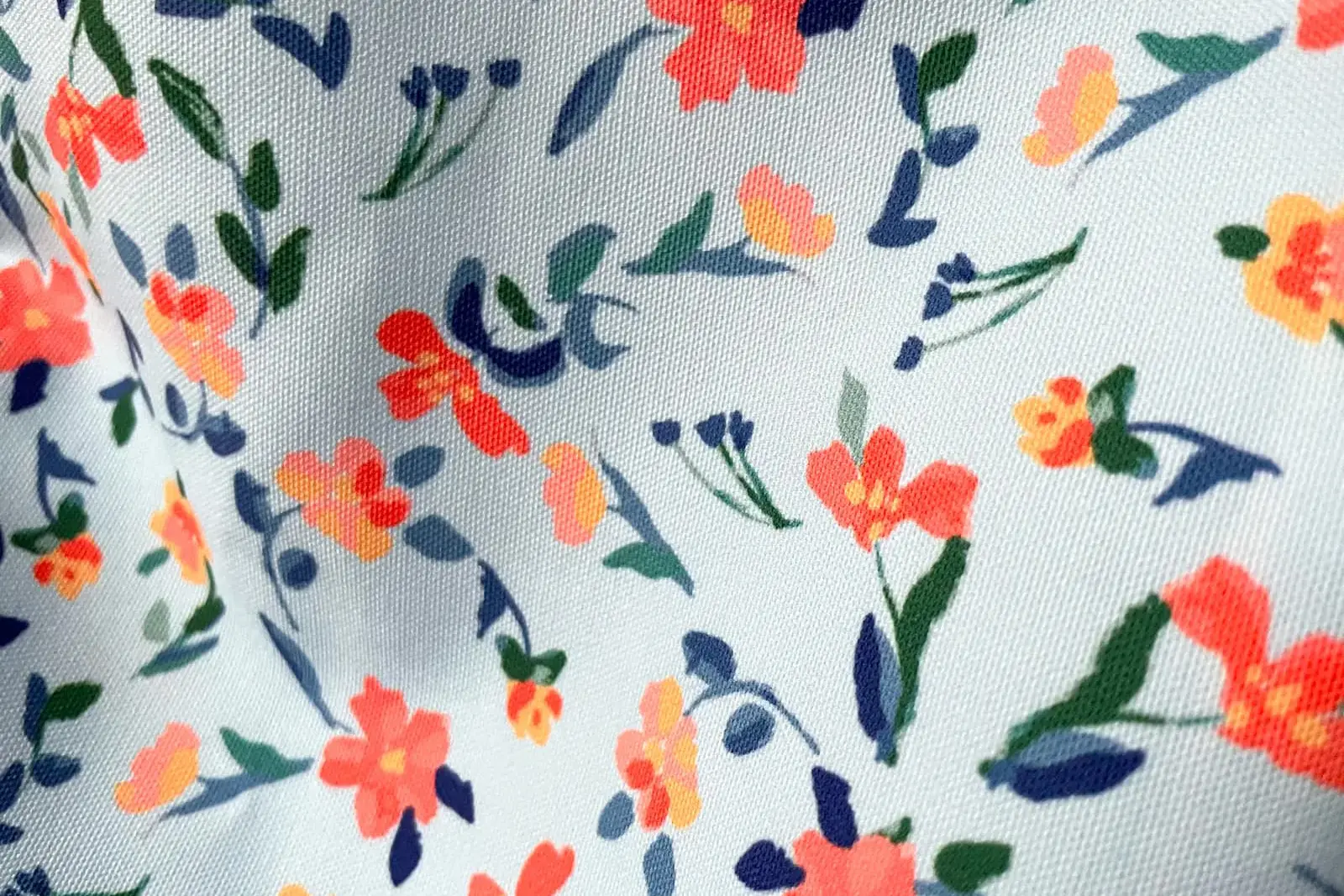
Yes. Fabric weight and surface texture can change how a logo looks and feels. A smoother fabric may support sharper edges for heat transfer or full-color artwork, while textured fabric can make print edges less crisp.
Lightweight fabric can wrinkle or distort under embroidery. Heavy canvas can support structure, but its texture may affect large graphics or edge clarity. Buyers should approve the logo on the selected fabric, not only on a flat artwork proof. AATCC textile testing resources4 can be useful for textile testing context, depending on buyer requirements.
| Logo process | Fabric weight risk | What to confirm |
|---|---|---|
| Screen printing | Texture can affect edge clarity and ink appearance. | Check artwork size, line thickness and fabric surface. |
| Heat transfer | Large areas can change handfeel and edge behavior. | Check surface smoothness, artwork scale and touch after transfer. |
| Embroidery | Light fabric may pucker or distort; heavy fabric may need different backing. | Check stitch density, small text, backing and sample appearance. |
| Woven label / patch | Fabric stiffness and structure can affect placement and final feel. | Check label size, sewing route and retail presentation. |
Which sample checks prove that the fabric weight is right?
The best fabric route is not proven by a swatch alone. A swatch can show surface touch, but it cannot show how the finished tote carries product, folds into packaging, holds a logo or feels in real use.
| Sample check | What to review | Why it matters before bulk |
|---|---|---|
| Handfeel in the finished tote | Touch, drape, stiffness, surface texture and whether the tote feels too soft or too rigid. | Confirms whether brand language matches the physical sample. |
| Product fit and carrying feel | Whether the tote holds the real product set, bottle, box, catalog or gift item without awkward shape. | Prevents a good-looking sample from failing the actual use case. |
| Logo effect on the chosen fabric | Edge clarity, embroidery stability, heat transfer touch and color appearance on texture. | Confirms the decoration route before artwork and fabric are locked. |
| Fold and packing thickness | How the tote folds, stacks, fits paper card or sleeve, and affects carton volume. | Protects freight, packaging and warehouse planning. |
| Color and batch expectation | Physical color under realistic light, material texture and acceptable production tolerance. | Reduces later disputes caused by screen-only approval. |
Can fabric weight affect MOQ, sampling and lead time?
At MOQ 500 pcs per style, medium-weight routes are often the most practical starting point because they balance handfeel, cost, availability and sampling speed.
Custom thickness, special material, custom dyeing, unusual texture or strict handfeel matching can affect MOQ, sampling time and material availability. Changing fabric weight late can also change structure, logo process, folding thickness, carton volume and quote scope.
If the buyer changes from lightweight rPET to structured canvas after sample approval, the project is not just changing fabric. It may need a new sample, print test, packaging review and shipment estimate. ASTM International standards5 can be relevant when buyers require formal testing references.
| Change | Possible impact | When to decide |
|---|---|---|
| Light to medium fabric | May improve handfeel but increase cost or carton volume. | Before sample starts. |
| Medium to structured canvas | May improve product feel but affect folding, freight and logo effect. | Before sample approval. |
| Custom dye / special finish | Can affect MOQ, lab dip, color tolerance and lead time. | At RFQ stage. |
| Late handfeel change | May require sample remake and quote review. | Avoid after sample approval. |
What fabric weight and handfeel information should buyers send in the RFQ?
A useful RFQ should include use case, quantity, size, material direction, desired lightweight or structured feel, logo process, packaging needs, target delivery schedule and any reference sample.
If the buyer has real products that the tote must carry, product dimensions should be included. If the tote must fold into a carton or fit a retail package, packaging expectations should also be shared.
| RFQ detail | What to send | Why it matters |
|---|---|---|
| Use case | GWP, retail, hotel, event, gift or private label. | Defines the weight and handfeel target. |
| Material direction | rPET, recycled cotton, canvas, organic cotton, bamboo fiber or open. | Allows realistic handfeel recommendation. |
| Desired feel | Lightweight, soft natural, structured, premium, foldable or durable-feeling. | Translates brand language into sample checks. |
| Logo process | Screen print, heat transfer, embroidery, woven label or patch. | Fabric texture can affect decoration. |
| Packaging need | Flat pack, retail pack, gift packaging or carton planning. | Fabric weight affects folding and carton volume. |
| Project schedule | Sample deadline, launch date and delivery window. | Special materials and custom finishes may need more lead time. |
For broader quote planning, use our custom tote bag RFQ checklist and MOQ and lead time guide.
Which material claims and handfeel details remain unresolved until RFQ?
A public guide can explain common material routes, but it cannot promise exact handfeel, stock availability, testing result, custom color feasibility or final lead time for every project.
Those details depend on selected material, supplier route, artwork, packaging, target market and sample approval standard. If the buyer uses words such as environmental, organic, recycled, non-toxic, premium or durable, Ecoicolortote should help translate those words into confirmable specifications and document scope during RFQ.
For document planning, see our tote bag documents checklist.
Who We Do Not Take On
Ecoicolortote is not the right fit for very small personal orders, last-minute projects that require special custom fabric, or buyers who only want the lowest unit price while asking for highly specific handfeel, custom thickness and special finish.
We are a stronger fit for MOQ 500+ brand projects where material, handfeel and sample confirmation matter. Simple material routes can be excellent when the use case is clear. The problem is asking for special handfeel without giving the project enough quantity, time or sample review.
How do fabric-weight decisions differ by buyer brief?
A beauty GWP, retail private label tote, hotel welcome tote and holiday gift tote may all use custom tote bags, but their fabric weight logic can be very different.
A beauty GWP project may choose lightweight rPET because the artwork is full color and the quantity is high. A retail private label tote may choose structured canvas because the buyer needs product feel, hangtag presentation and repeat use. A hotel welcome tote may choose a medium-weight cotton route because it needs clean handfeel without becoming bulky. A holiday gift tote may use a more structured fabric because the package must feel gift-ready.
Why does Dongguan supply-chain coordination help with material weight decisions?
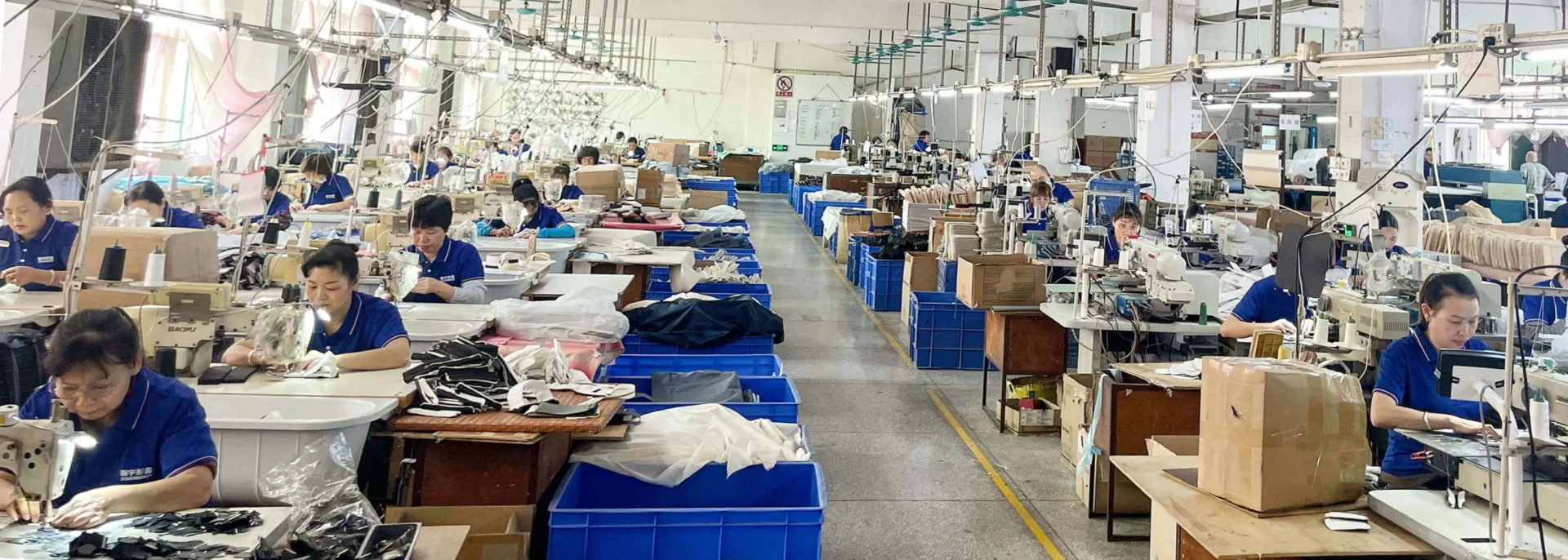
Fabric weight and handfeel decisions often involve several moving parts: material sourcing, color, logo process, stitching, packaging and sample approval.
Dongguan supply-chain coordination helps because material samples, logo trials, packaging checks and production feedback can be reviewed together instead of one by one. Ecoicolortote's Sales / PM workflow can turn vague words into practical checks: lightweight or structured, soft or crisp, foldable or retail-ready, smooth or textured, cost-sensitive or gift-worthy.
FAQ: Fabric weight and handfeel for custom tote bags
Is a heavier tote bag always more durable?
No. Heavier fabric can feel stronger, but durability also depends on fiber, weave, stitching, handle reinforcement, structure and real use.
Can lightweight tote bags still feel premium?
Sometimes. A lightweight tote can feel premium if the artwork, finishing, handle, packaging and brand context are well planned. For retail or gift projects, medium or structured routes often feel more product-like.
Should buyers choose GSM or oz first?
Buyers do not need to start with a perfect number. They can start with use case and desired feel, then confirm GSM, oz or sample material with the supplier.
Can handfeel be approved from photos?
No. Photos can show color and texture direction, but handfeel, stiffness, drape, folding thickness and logo touch should be judged through physical samples.
When should fabric weight be confirmed?
Fabric weight should be confirmed before sampling whenever possible. Late changes can affect structure, logo process, packaging, quote and lead time.
Share your use case, quantity, tote size, material direction, desired lightweight or structured feel, logo process, packaging needs and delivery window. Ecoicolortote can help check whether the material route fits the project before the sample is made. Contact Ecoicolortote.