Zoe Yu
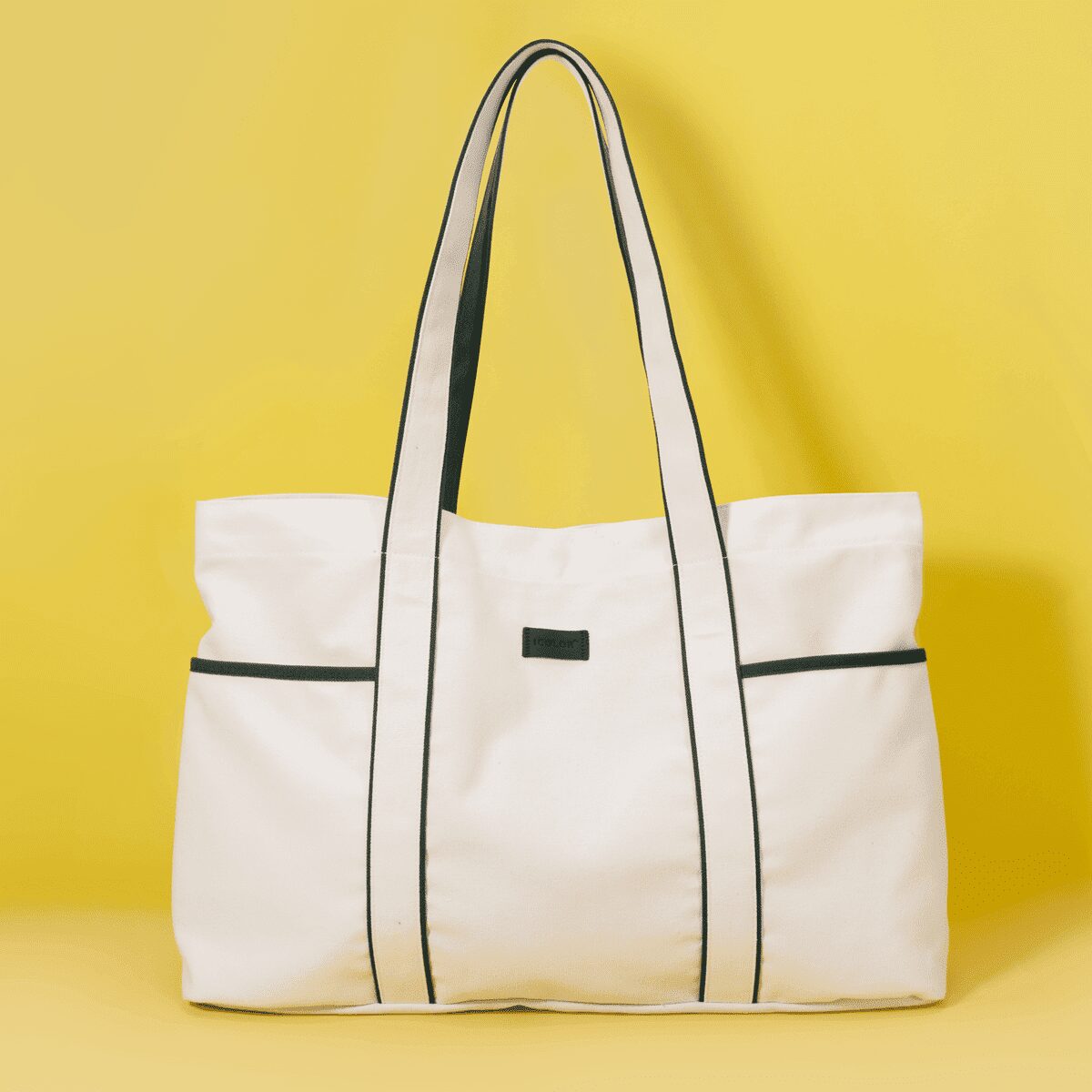
 Inner pocket tote bags for retail and event kits should be planned around the actual items buyers need to hold, the pocket opening, placement, fabric weight, logo position, sample review and packing route before bulk production is approved.
Buyer Summary
- Best for: retail, event, GWP and kit buyers planning MOQ 500+ custom tote bags that need cards, vouchers, samples, passes or small inserts to stay organized.
- Main decision: confirm pocket contents, pocket size, opening direction, panel placement, logo conflict and sample review owner before bulk production.
- Factory-side note: inner pockets add cutting, stitching, placement and QC checks, so they should be approved on a loaded sample.
- What to prepare: content dimensions, quantity, tote material, logo file, pocket function, packaging route, destination and delivery deadline.
Quick answer
Inner pocket tote projects work best when buyers send the real contents first. Pocket width, depth, opening direction, stitch route and panel placement should be checked with cards, passes, samples or inserts inside the tote before the buyer freezes logo placement and bulk packing.
Use this guide to prepare a complete RFQ before sampling so Ecoicolortote can review quote scope, sample route, packing requirements and production timing against the real buyer task.
Start with a pocket decision map
Before choosing pocket size, buyers should decide what the pocket must hold. A small slip pocket may be enough for a care card or coupon. A deeper pocket may be needed for a phone, passport-sized card, event badge, retail receipt or product sample. If the tote is part of a kit, the pocket should be checked with actual contents, not only with a flat measurement.
Inspection should include whether the pocket edge, stitch line and opening remain stable after loading. ISO 2859-1 is commonly referenced for sampling inspection by attributes1. For a custom tote, the approved sample should define the pocket standard clearly enough for bulk QC.
How is this different from structure, closure and packaging pages?
The custom tote bag structure guide explains handles, gussets and construction details. The closure options page compares zipper, snap and open-top routes. The packaging and labeling guide covers external labels and packing files. Inner pocket planning sits between these topics because a pocket affects construction, user experience, sample approval and kit packing at the same time.
For retail and event kits, the pocket is rarely decorative only. It often controls how small papers, sample cards or guest materials stay with the tote after handoff. That is why the RFQ should describe pocket function before Ecoicolortote confirms material, stitching and sample timing.

Match the pocket to real contents
A pocket for a care card is different from a pocket for a phone-sized insert, event pass or retail receipt. Buyers should share approximate item dimensions, expected weight and whether the item must be visible, hidden or easy to remove. If the pocket is too shallow, contents may fall out. If it is too deep, users may not notice the card or sample inside.
For retail programs, barcode and product data rules may matter. GS1 explains barcode standards used across retail and supply-chain systems2. If a hangtag, care card or insert goes into the pocket, the file and barcode route should be approved with the pocket sample.
How do materials affect the plan?
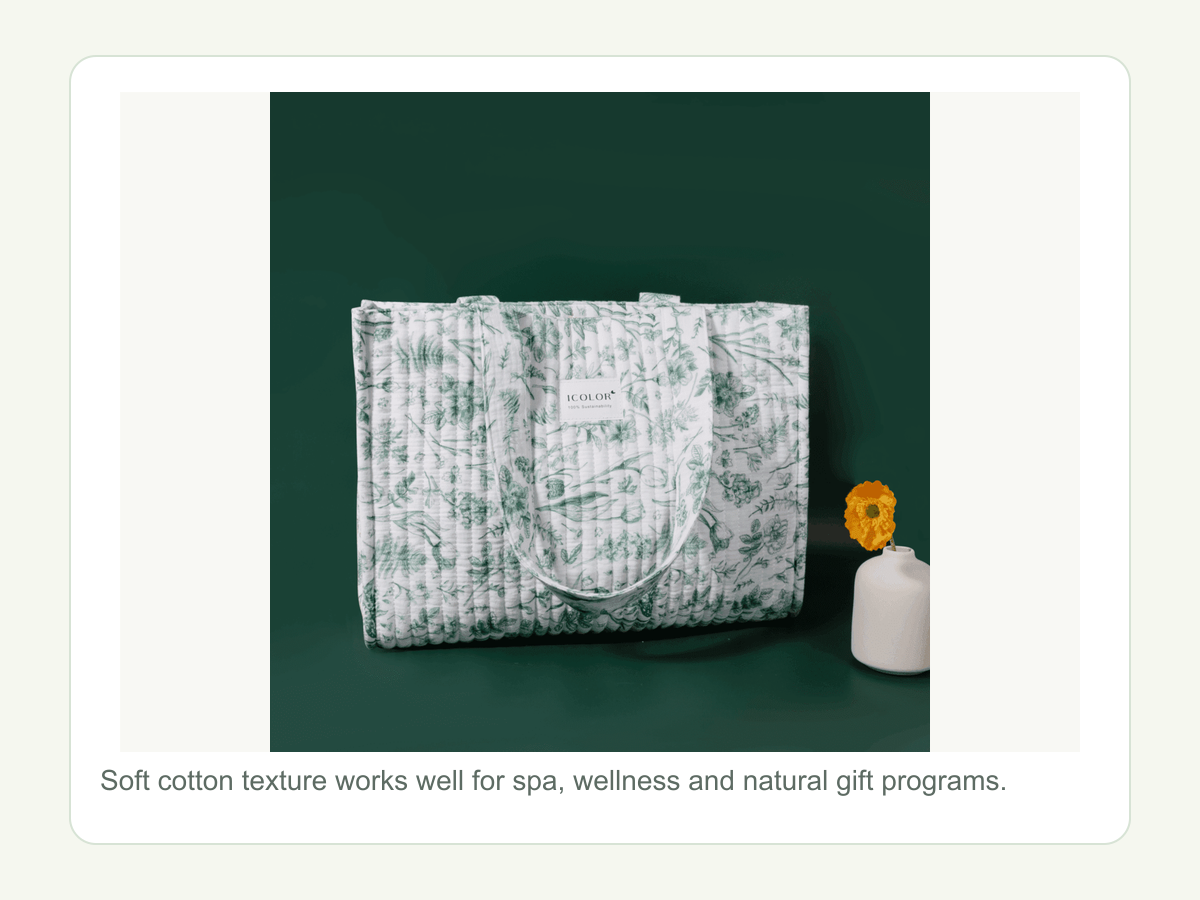
Material, structure and packaging choices affect carton volume, sample timing, logo process and delivery route. Buyers should give realistic material direction and acceptable fallbacks before the quote is final.
Pocket placement can change comfort and printing
Inner pockets are commonly placed near the upper inside wall, but the right position depends on tote depth, handle drop, lining, print area and contents. A pocket placed too close to the top can pull the opening out of shape. A pocket placed too low can be hard to reach. A pocket behind a heavy logo area can also create pressure marks or uneven stitch visibility.
When artwork and pocket placement are close, the buyer should review the logo file and position together. The logo placement guide and sample evaluation checklist help keep artwork, construction and approval standards aligned before bulk production.
Five pocket details to inspect on the sample
- Opening width: the intended card, pass or sample can enter and exit without forcing the seam.
- Stitch stability: pocket corners do not pull, wave or tear under normal handling.
- Bulk: the pocket does not create visible bumps on the outside panel.
- Print conflict: logo, embroidery backing or heat transfer placement does not interfere with pocket stitching.
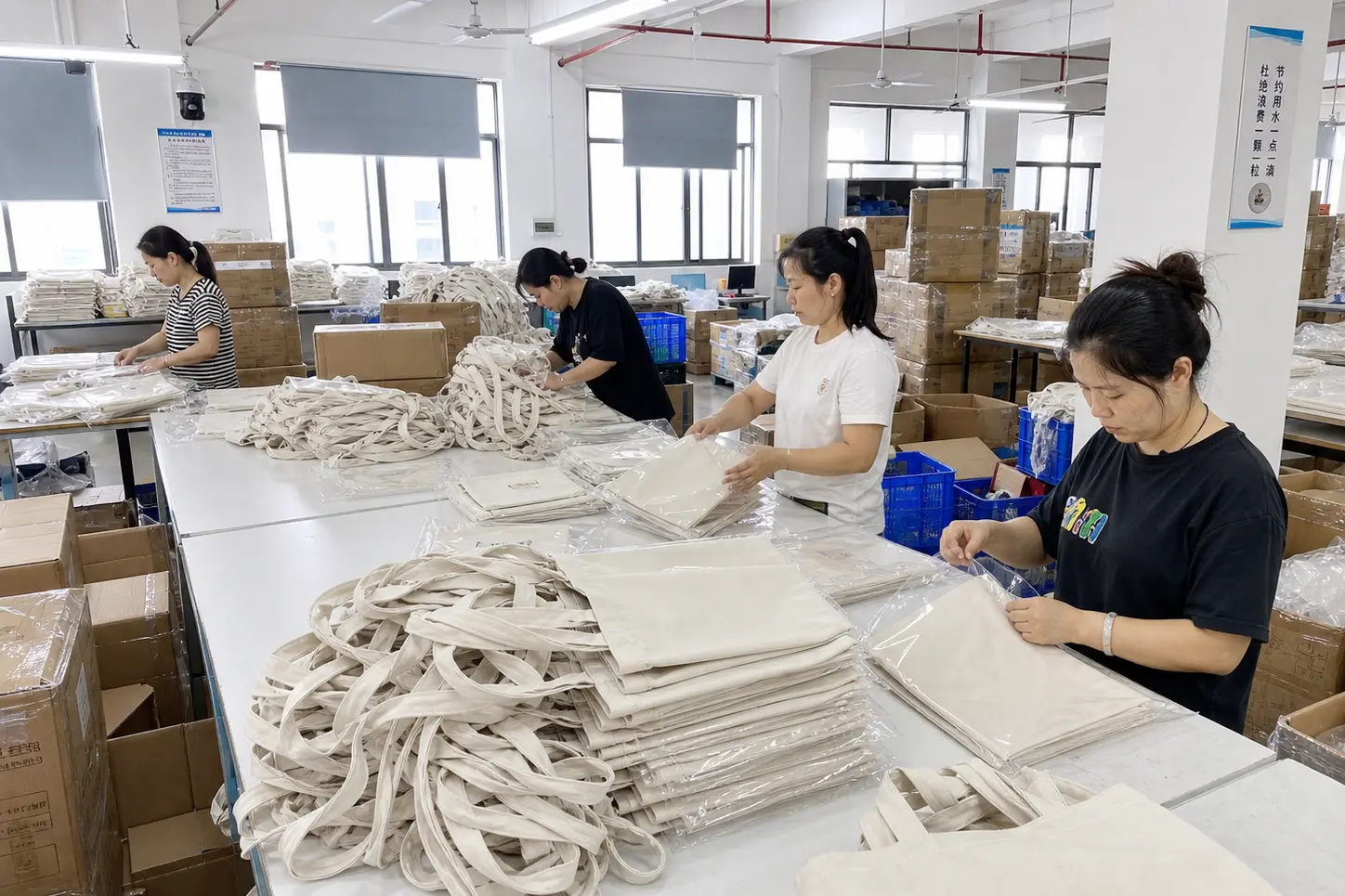
- Packing route: pocket contents, hangtag and outer packing can be repeated by the warehouse without confusion.
If paper labels or insert cards are involved, buyers should also check claim scope. FSC provides forest certification and chain-of-custody systems for paper and forest-based materials3. Claim wording should match the current document scope and market requirement.
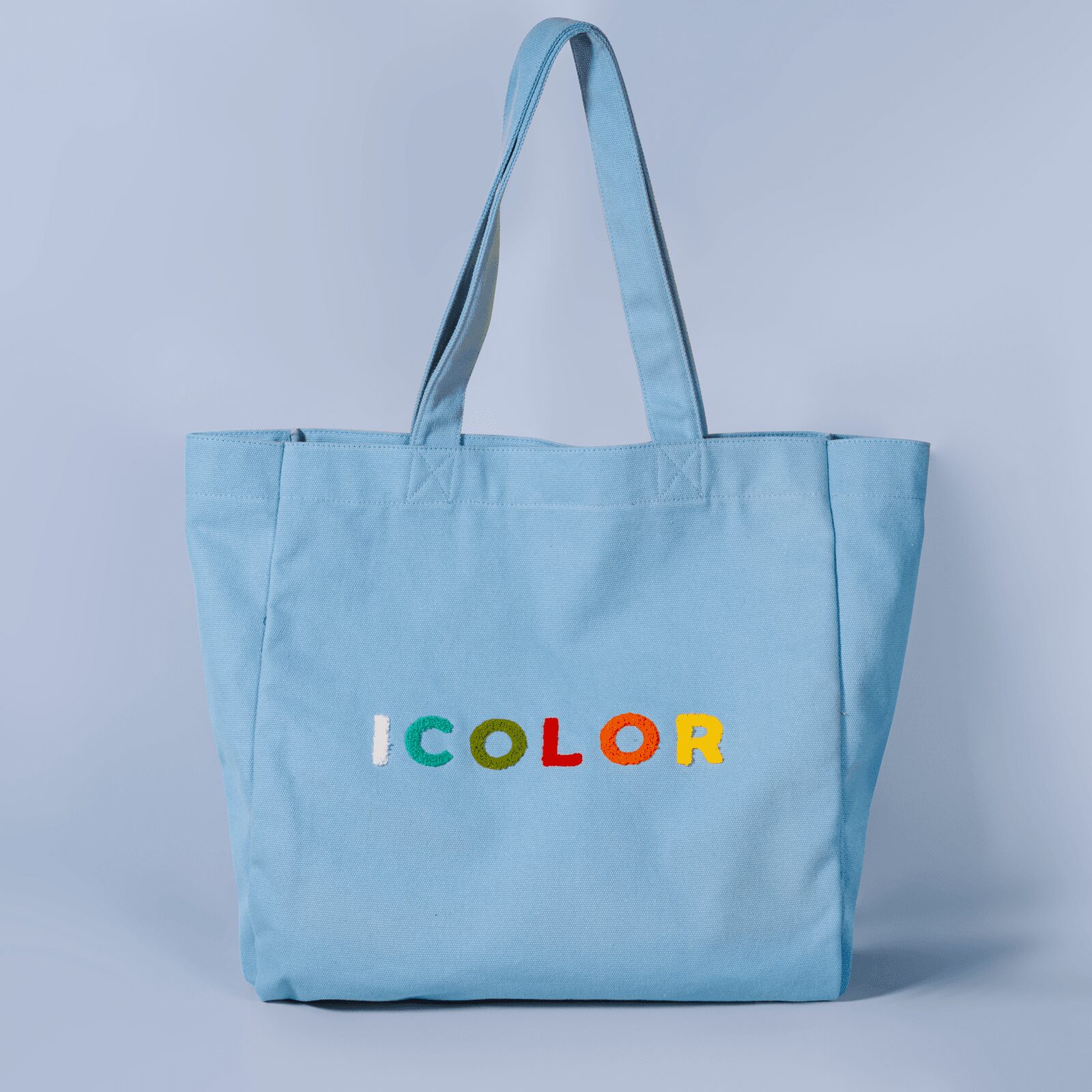
Inner-pocket planning checklist for retail and event kits
Disclosure: This is a buyer-planning checklist, not a customer case. Before sampling, list every item the pocket must hold and confirm its finished size instead of describing the pocket only as small, medium or large.
- Contents fit: record the width, height and thickness of cards, passes, sample envelopes or other inserts.
- Opening and access: confirm whether the buyer needs quick access, added security or a separate closure.
- Logo clearance: check that pocket stitching and loaded contents do not distort or sit behind the main outside logo area.
- Loaded sample review: inspect the pocket opening, loaded shape, outside panel appearance and label position with the real contents or size-matched dummies.
- Packing handoff: connect pocket contents, hangtags and carton instructions to one approved packing file.
If the pocket carries part of the campaign value, treat it as a core product specification before sampling. Send the contents list, item dimensions, artwork file and packing route so the sample can be checked against the intended use rather than an assumed pocket size.

RFQ files Ecoicolortote needs for inner pocket totes
| File or detail | Why it matters | Best format to send |
|---|---|---|
| Pocket size target | Controls stitch route and content fit | Width, depth, opening direction and item size |
| Contents list | Shows actual pocket use | Card, pass, sample, voucher or receipt size |
| Artwork file | Avoids stitch and print conflict | AI/PDF plus logo placement reference |
| Packing route | Prevents warehouse rework | Individual pack, kit pack or carton-level pack |
For destination and handling information, ISO 780 packaging pictorial marking4 can be used as a reference language when carton marks and handling symbols are relevant.
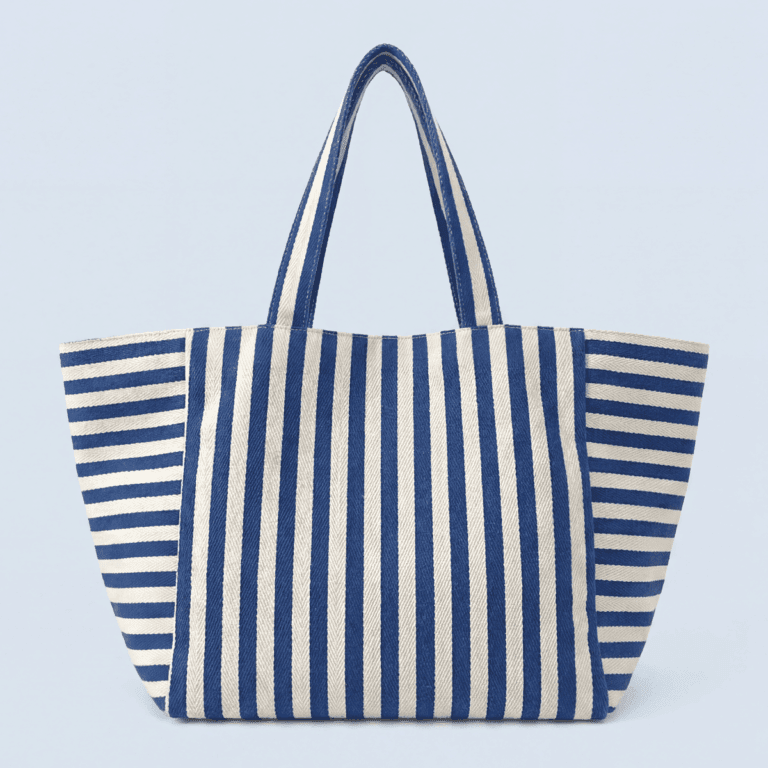
Best fit for inner pocket tote bags
Inner pocket tote bags are a good fit for MOQ 500+ retail, event, GWP, museum shop, campus shop or employee kit projects where the buyer can share pocket purpose, item dimensions, material direction, logo file, packing route and sample approval timing.
Less suitable fit
This route is less suitable for one personal tote, blank stock buying, lowest-only requests or projects that need a decorative pocket without checking function. If the buyer cannot send the card, pass or sample dimensions before sampling, the pocket may become an avoidable risk.
FAQ: inner pocket tote bags for retail and event kits
What size should an inner pocket be for a custom tote bag?
The pocket size should be based on the item it needs to hold, not on a generic dimension. Buyers should send the width, height and approximate thickness of cards, passes, samples, vouchers, receipts or instruction sheets. Ecoicolortote can then review pocket width, depth, opening direction, seam allowance and stitch route before the buyer approves the sample.
Can an inner pocket be added to any tote material?
An inner pocket can usually be added to common tote materials, but the best construction depends on fabric weight, lining, panel structure, logo route and whether the pocket will carry real weight. Thin fabric may need reinforcement, while structured fabric may show pocket bulk. A sample should confirm pocket shape, stitch stability and outside appearance before bulk production.
Does an inner pocket increase MOQ or cost?
An inner pocket can increase material use, cutting, sewing time and QC checkpoints because it adds another component to the tote. MOQ depends on the full project, including fabric, pocket structure, logo process, packing route and quantity. For Ecoicolortote RFQs, buyers should send pocket drawings or item dimensions before asking for final pricing.
How should pocket placement be approved?
Pocket placement should be approved on a physical or photo sample with the intended contents inside. The buyer should check reach, opening direction, handle pressure, logo conflict and whether the pocket changes the outside panel shape. Placement should be frozen before bulk production files, label files and packing instructions are confirmed.
Are inner pocket totes suitable for retail and event kits?
Inner pocket totes are often suitable for retail and event kits when small items need to stay visible or easy to find. Cards, vouchers, passes, instruction sheets, sample sachets and receipts can be separated from larger kit contents. The buyer should still confirm pocket function, tote capacity and packing sequence before approving the final sample.
Are sample fees refundable for inner pocket tote projects?
For qualified bulk orders of 1,000 pieces or more, standard sample fees can normally be credited or refunded against the order value. Buyers should confirm before sampling because special pocket mockups, repeated artwork changes, courier samples, uncommon trims, lining tests or unusual tooling may not be refundable. Pocket function should be checked before bulk approval.
How can buyers reduce inner pocket production mistakes?
Buyers can reduce mistakes by sending one final content list, item dimensions, pocket placement preference, logo file, material direction, packaging file and approval owner before sampling. They should test the pocket with the real kit items, approve photos or a physical sample, and freeze pocket size before the factory starts bulk cutting and sewing.
Factory background and document route
Ecoicolortote supports custom tote bag buyers with material selection, logo process planning, packaging details, sample approval and production coordination. Document needs are scope dependent and should be discussed against the selected material, packaging and destination market before the buyer confirms final wording.
The most useful factory discussion is practical: which materials are available, which logo or label route is realistic, which packing route prevents handoff errors, and which documents or references apply to the actual order scope. Buyers should avoid assuming that every material, package or shipment automatically carries every audit, certificate or standard reference.
For paper insert and delivery planning, buyers can also review FSC forest stewardship certification reference5 and ICC Incoterms rules6 when packaging claims or delivery terms affect the project scope.
Send your brief before sampling. Share quantity, use case, artwork, material direction, packaging, carton marks, delivery market and deadline so Ecoicolortote can review sample route, quote scope and production timing before bulk production. Contact Ecoicolortote.