Zoe Yu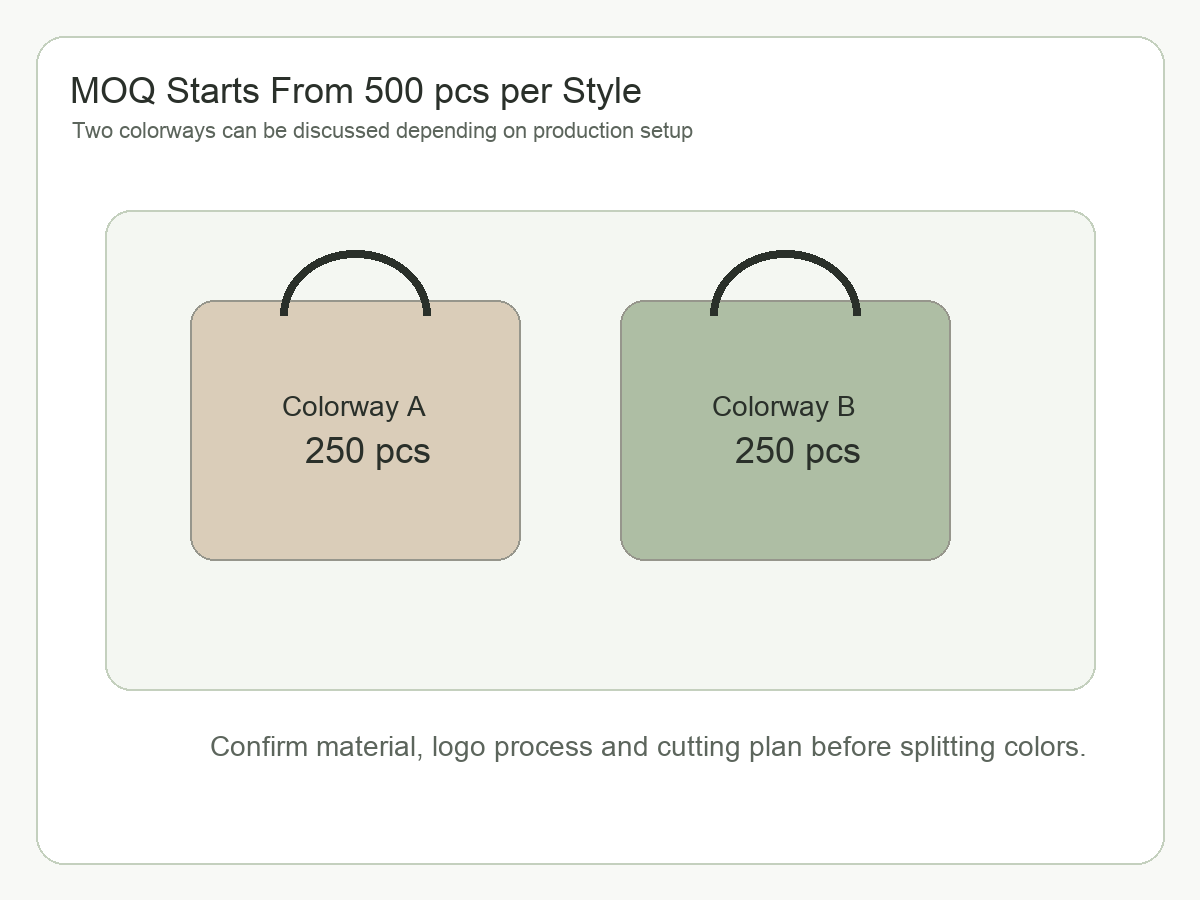
Buyer Summary
Nonprofit fundraising tote bags work best when campaign teams treat the tote as a donor, volunteer or event merchandise item with a fixed date and approval chain. For MOQ 500+ projects, Ecoicolortote needs quantity, campaign message, sponsor logo rules, material direction, artwork files, packaging needs and delivery market before quoting. The strongest inquiries make the fundraising purpose, recipient group and deadline clear.
Send Your Fundraising Tote Brief
Quick answer
For nonprofit fundraising tote bags, start with recipient groups, MOQ, sponsor artwork ownership, campaign date and packaging route before choosing fabric. Ecoicolortote is best suited to MOQ 500+ custom projects where the tote supports donor gifts, volunteer kits, fundraising merchandise or sponsor-backed events, and where the buyer can send logo files, delivery market and approval timing before sampling.
How is this different from holiday gift, GWP, RFQ and packaging pages?
Nonprofit fundraising tote bags have a different job from seasonal gifts, purchase-triggered GWP, broad RFQ preparation and packaging selection. The custom holiday gift tote bag page is more corporate seasonal gift focused. The GWP tote bag article explains gift-with-purchase campaigns. The RFQ checklist covers general quote preparation, and the packaging options page focuses on packing routes.
The fundraising route is about campaign credibility: donor tier, volunteer group, sponsor artwork, campaign message, event date, reserve stock and whether the tote will be sold, gifted or packed with printed materials. A tote can look like a gift, but the buyer decision is driven by fundraising timing and audience trust.
Start with the fundraising role of the tote
Before choosing material or logo size, the nonprofit team should define what the tote does. It may be a donor thank-you gift, campaign merchandise, volunteer kit carrier, charity shop item, community event tote or sponsor-supported giveaway. Each role changes the expected handfeel, logo visibility, insert card, packing method and reorder plan.
Paper inserts, hangtags and campaign cards can carry important messaging, but claims should match document scope. FSC provides forest certification and chain-of-custody systems for paper and forest-based materials1. If a campaign card mentions certified paper or materials, confirm the actual document before printing.
Plan MOQ by recipient group, not only total event size
A fundraising event may have donors, volunteers, sponsors, staff, VIP guests and public merchandise buyers. Putting every recipient into one quantity can create the wrong tote, because donor gifts may need better packaging while volunteer kits may need more practical contents capacity. Split the quantity by use case before asking for a final quote.
Ecoicolortote is strongest for MOQ 500+ custom tote projects. If the fundraising program may repeat, the buyer should also identify reorder timing and whether artwork stays the same. Textile Exchange publishes standards used in textile and materials certification programs2, which is useful context when teams discuss recycled or responsible material options.
Freeze logo files, sponsor order and campaign message early
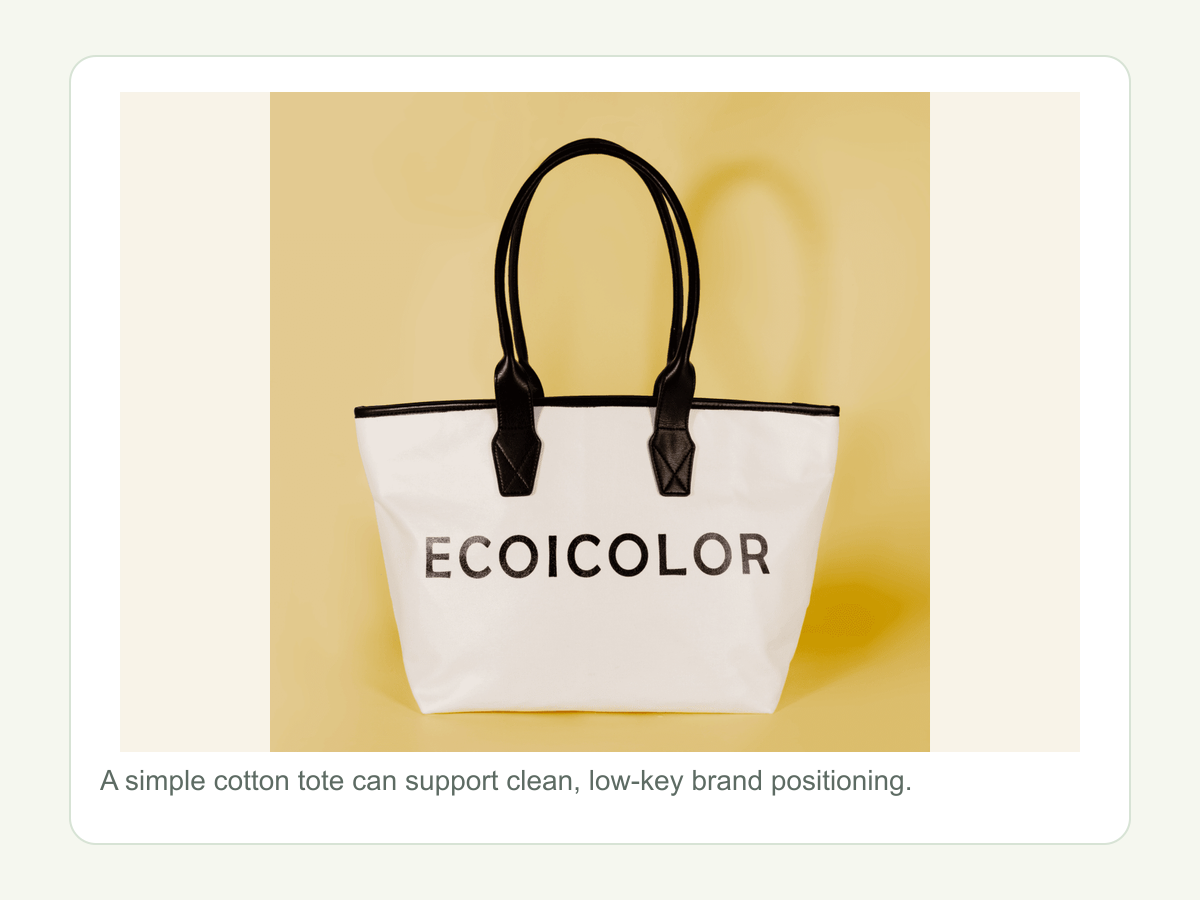
Fundraising tote artwork can become messy when the nonprofit logo, campaign message and sponsor logos move through different approval owners. The safest route is to assign one artwork owner, collect vector logo files, confirm sponsor order, lock print colors and approve final placement before sampling. Late sponsor changes can affect sample cost and timing.
Brand color control should be explicit when campaign colors matter. Pantone color systems are widely used for color communication in brand and production workflows3. For file preparation, pair the logo file requirements page with the Pantone color matching page.
Choose material around donor value and contents weight
Fundraising totes often need to balance campaign budget with recipient trust. Cotton canvas can feel familiar and useful. Recycled cotton or rPET may fit campaigns with a documented material story. Laminated or structured fabrics may work for retail-style charity shop items. The material should support the story without forcing claims the order cannot document.
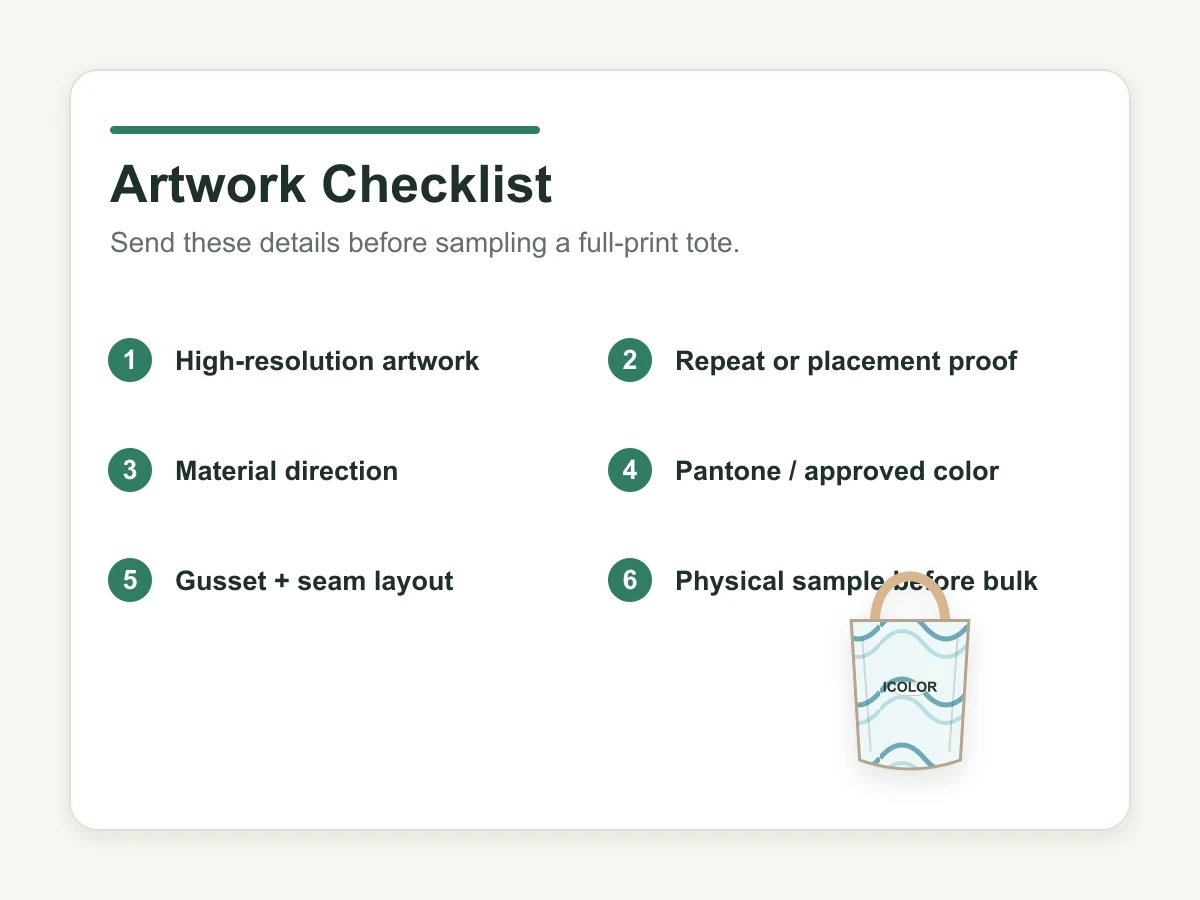
If the tote will carry catalogs, brochures, water bottles or apparel, check contents weight before finalizing size and handle length. For sampling, the custom tote bag sample evaluation page helps buyers see what should be reviewed before bulk production. Sample fees can normally be credited or refunded against qualified bulk orders of 1,000+ pieces, while special tooling or metal plate costs may not be refundable.
Sample fee and lead time checks for fundraising totes
Sample planning should happen before donor-facing dates are fixed in public campaign materials. For qualified bulk orders of 1,000 pieces or more, standard sample fees can normally be credited or refunded against the order value, while custom hardware, metal plate tooling, unusual trims, special molds and repeated artwork changes may not be refundable. Buyers should ask which sample items are refundable before approving a prototype.
Lead time depends on artwork freeze, material availability, print method, insert card approval, carton labeling and delivery market. A nonprofit team should share the real event date, donor mailing date or charity shop launch date, then work backward through sample review, production release and shipping. This keeps the tote schedule tied to fundraising operations instead of only to factory completion.
Make packaging part of the donor experience
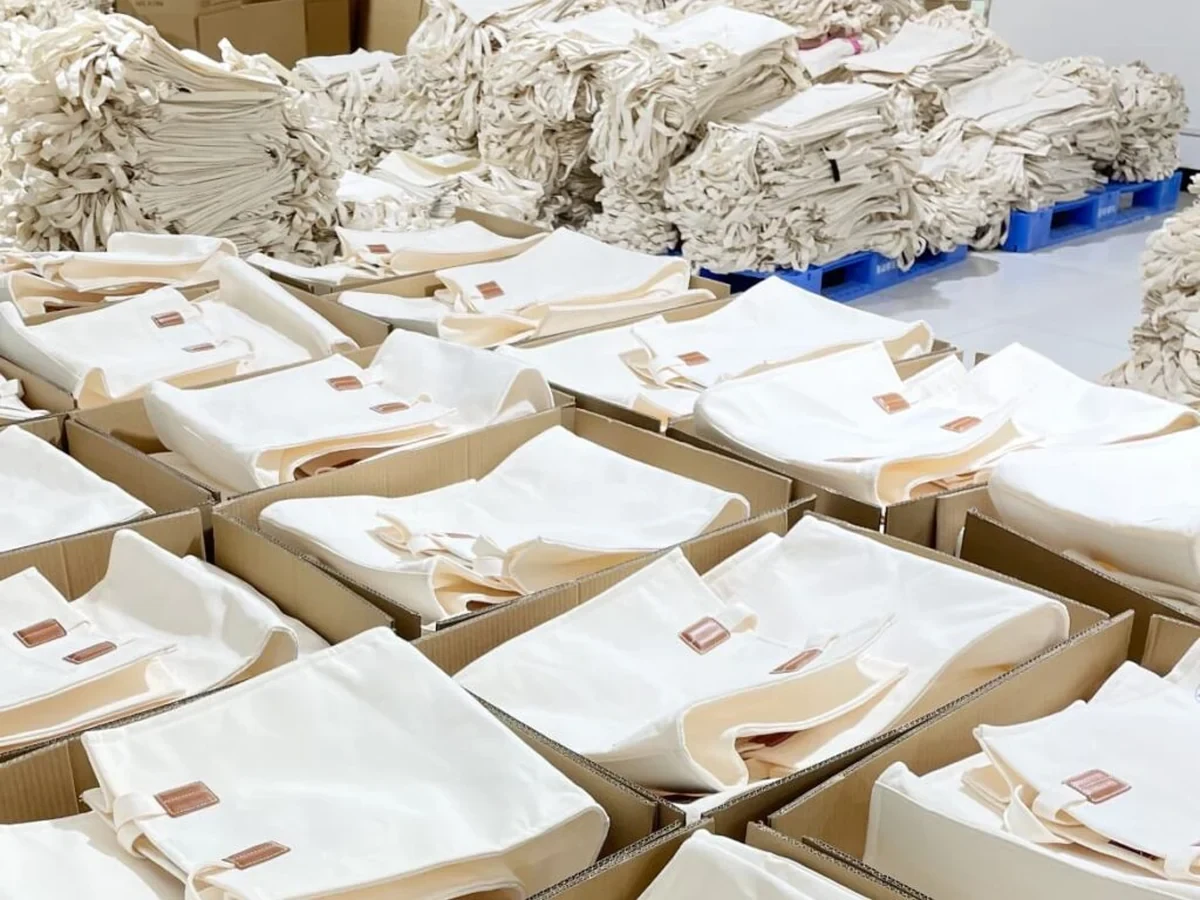
A fundraising tote may be handed out at check-in, mailed to donors, sold through a charity shop or packed with thank-you materials. Packaging decisions should match that handoff. Insert cards, tissue, hangtags, carton labels and recipient group splits should be part of the early RFQ rather than added after bulk production starts.
Handling marks matter when packed totes move through warehouse and event receiving teams. ISO 780 covers pictorial marking for handling packaged goods4. The practical requirement is simple: label cartons by recipient group, event date or location before the goods leave the factory.
Work backward from campaign date and donor delivery
Fundraising campaigns often have immovable dates: gala, community event, pledge drive, launch week, donor mailing or volunteer onboarding. The buyer should share the date goods must arrive, not only the preferred production finish date. Sample approval, artwork freeze, packaging file approval, bulk production and delivery route all need enough time.
Inspection planning should be connected to the approved sample and packaging route. ISO 2859-1 is commonly referenced for sampling inspection by attributes5. For schedule basics, the MOQ and lead time page gives buyers a useful starting point before they send the RFQ.
What should a fundraising tote RFQ include?
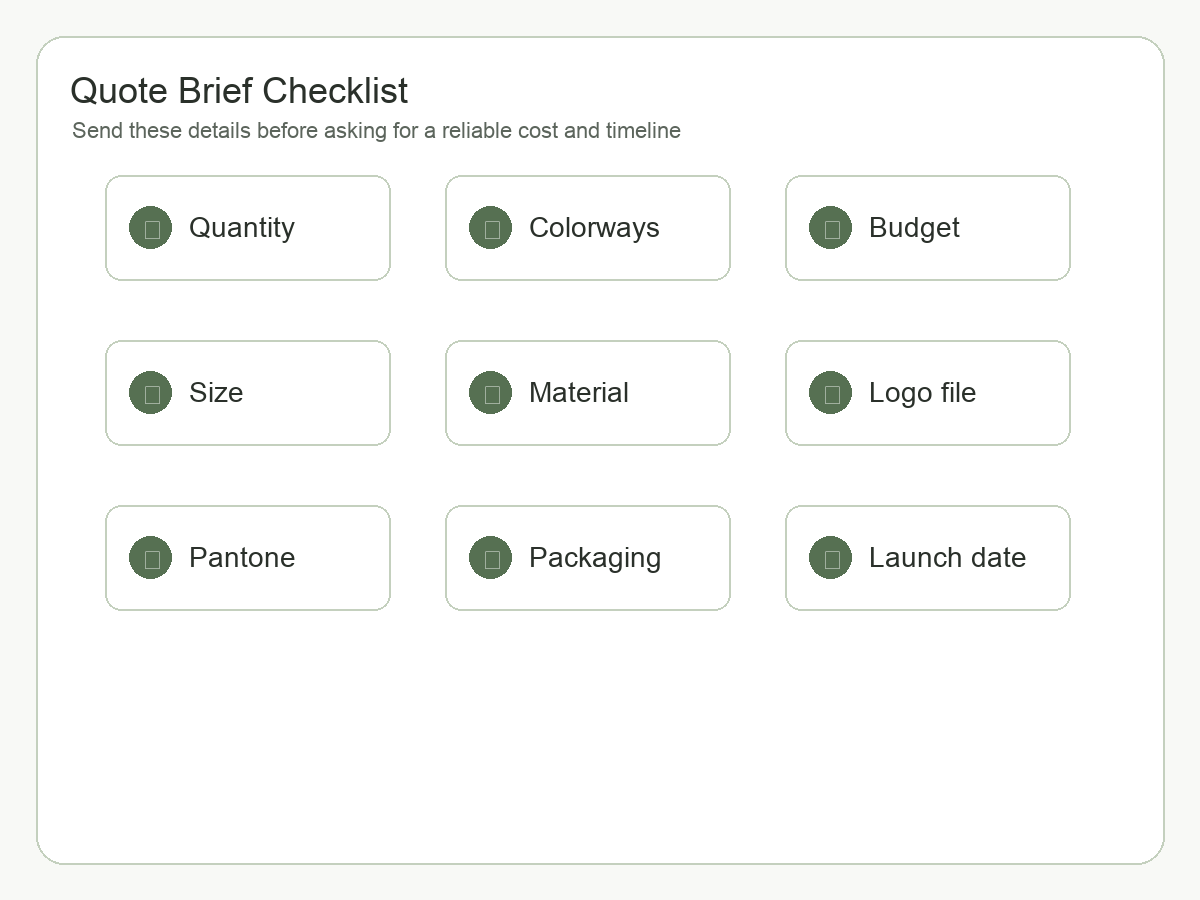
Send campaign purpose, recipient groups, total quantity, quantity split, reserve stock target, delivery date, delivery country, material direction, tote size, contents list, logo file, sponsor logo order, print colors, packaging needs and whether the tote will be sold, gifted or packed with donor materials. If approval is shared across teams, name one final decision owner.
For a stronger quote, also explain whether the tote will be handed out at an event, mailed to donors, sold through a charity shop or packed with printed materials. Those details tell Ecoicolortote whether to focus on handfeel, carton labels, hangtag wording, folded size, reserve stock or a tighter sample approval route.
Best fit for nonprofit fundraising tote bags
This fundraising route is best for nonprofit development teams, campaign merch leads, donor relations teams, charity shop buyers, volunteer program coordinators and event operations teams ordering MOQ 500+ custom tote bags for donor gifts, fundraising merchandise, volunteer kits or sponsor-supported events. It fits buyers who can provide a campaign date, recipient group, quantity split, logo files, sponsor artwork rules, material direction and packaging needs before sampling. It is especially useful when the tote must protect campaign credibility while still being practical enough for recipients to reuse after the fundraising moment. It also fits teams that want one supplier to review MOQ, artwork and packaging together.
Less suitable fit for nonprofit fundraising tote bags
This route is less suitable for one personal tote, blank stock requests, very small local gifts, lowest-only sourcing, urgent projects with no sample time or campaigns without final artwork ownership. It is also less suitable when sponsor logos, campaign messages and insert cards may keep changing after sample approval. Ecoicolortote can still discuss options, but a strong fundraising tote request needs MOQ, recipient group, artwork files and delivery date before practical guidance is possible.
Fundraising tote sponsor artwork and pack-out checklist
Disclosure: This is a planning scenario, not a customer case. It shows the fields a nonprofit team should freeze when sponsor artwork and donor pack-out are still moving through approval.
Brief fields
- Separate donor gifts, volunteer kits, event merchandise and reserve stock by recipient group.
- Name one final artwork owner and record the approval deadline for campaign and sponsor logos.
- Confirm insert-card size, print sides, packing order and whether different recipient groups need different packs.
Sample review triggers
If sponsor order, logo hierarchy, insert-card dimensions or recipient tiers change after the first sample, pause the production-file release. Recheck logo placement, insert fit, packing sequence, carton labels and the receiving list against the revised brief.
Correction path
Freeze one approved artwork file, split quantities by recipient group and connect each pack-out route to its label and carton instruction. The factory can then review the final sample and packing file against the same approved version.
Buyer lesson
Fundraising totes carry campaign trust as well as physical contents. Lock sponsor order, insert-card size, recipient group and event date before final sample approval so later changes do not create avoidable artwork or packing rework.
Before asking for a fundraising tote quote
Send campaign purpose, recipient groups, quantity split, reserve stock, delivery date, delivery market, tote size target, contents list, material direction, logo files, sponsor order, color references and packaging route. If the artwork is not final, share the approval deadline and who owns the final file. Ecoicolortote can then review MOQ, sample path, material fit and production timing.
Trust and factory background
For trust review, start with the Ecoicolortote company and factory overview, then use the materials hub to compare fabric and claim scope. If the project direction is clear, the related GWP brand totes hub gives the commercial route for the next RFQ step.
FAQ: nonprofit fundraising tote bags
What should a nonprofit team confirm before ordering fundraising tote bags?
Confirm the fundraising date, campaign purpose, donor or attendee quantity, MOQ target, tote size, material direction, artwork owner, sponsor logo rules, insert card needs, packaging route and delivery market. A supplier can quote more usefully when the team explains how the tote supports fundraising, who receives it, how it will be handed over and which approval owner can freeze files before sampling.
What MOQ works for nonprofit fundraising tote bags?
Ecoicolortote is best suited to MOQ 500+ custom tote bag projects. Nonprofit teams should separate confirmed event quantity, donor gift quantity, volunteer kits, sponsor allocations and reserve stock before asking for a final quote. If a campaign may repeat, the RFQ should also mention reorder expectations because artwork files, sample standards, carton labels and material planning can be kept more consistent.
How should artwork be prepared for fundraising tote bags?
Prepare vector logo files, campaign message, sponsor logo order, print color references and one approval owner before sampling. If sponsors are involved, freeze logo size and placement early. Late sponsor changes can affect print screens, embroidery files, sample timing, packing labels, insert cards and final approval workflow, even when the tote material and size stay unchanged.
Which materials fit nonprofit donor or fundraising tote projects?
Cotton canvas, recycled cotton, rPET, laminated fabric or lighter woven materials may all fit, depending on donor tier, expected contents, budget, campaign tone and delivery method. The best material is the one that supports recipient use and campaign credibility without forcing unsupported claim wording onto the tote, hangtag or donor card.
Should nonprofit fundraising totes include insert cards or hangtags?
Insert cards and hangtags can help explain the campaign, donor thank-you message, sponsor relationship or care instructions, but they should be planned before quote approval. Paper size, claim wording, barcode needs, carton split, folding method and packing order all affect production preparation, especially when the tote is part of a donor kit or mailed package.
Can sample fees be credited for nonprofit fundraising tote orders?
For qualified bulk orders of 1,000 pieces or more, standard sample fees can normally be credited or refunded against the order value. Buyers should confirm the rule before sampling because custom hardware, metal plate tooling, special molds, unusual trims, repeated artwork changes and non-standard accessories may not be refundable or may need separate approval.
What kinds of nonprofit fundraising tote projects are a good fit?
A good-fit project has MOQ 500+, a real fundraising event or donor campaign, brand or campaign artwork, delivery date, material direction, packaging needs and a clear approval owner. Ecoicolortote is less suitable for one personal tote, blank stock buying or vague ideas without quantity, artwork and schedule details, because those requests cannot support practical sampling or production planning.