Zoe Yu
Buyer Summary
Bookstore tote bags for museum shops and campus stores should be planned as retail products, not only as printed giveaways. For MOQ 500+ projects, Ecoicolortote needs artwork files, retail channel, size target, material direction, barcode or hangtag needs, packaging route and reorder timing before quoting. The strongest inquiries explain whether the tote will be sold, bundled with books or used as store packaging.
Send Your Bookstore Tote Brief
Quick answer
Bookstore tote bags for museum shops and campus stores should be treated as retail-ready products. Before sampling, confirm MOQ 500+, sales role, SKU count, artwork files, barcode ownership, hangtag copy, material direction, folded packing, carton labels, delivery date and reorder expectations so the sample reflects shelf presentation and receiving needs, not only a printed tote mockup.
How is this different from private label, GWP and packaging pages?
Bookstore tote bags sit between retail merchandise, brand packaging and gift-channel sourcing. The private label tote bag page covers broader retail-brand development. The GWP tote article explains purchase-triggered gifts. The packaging options page focuses on packing routes, while the packaging and labeling guide goes deeper on label files.
The bookstore route is narrower: museum shop, campus store, visitor center, school bookstore or cultural retail counter. The buyer usually needs shelf-ready details, artwork control, item-level label decisions and reorder logic, not only a nice tote photo.
Decide whether the tote is merchandise, packaging or a bundle item
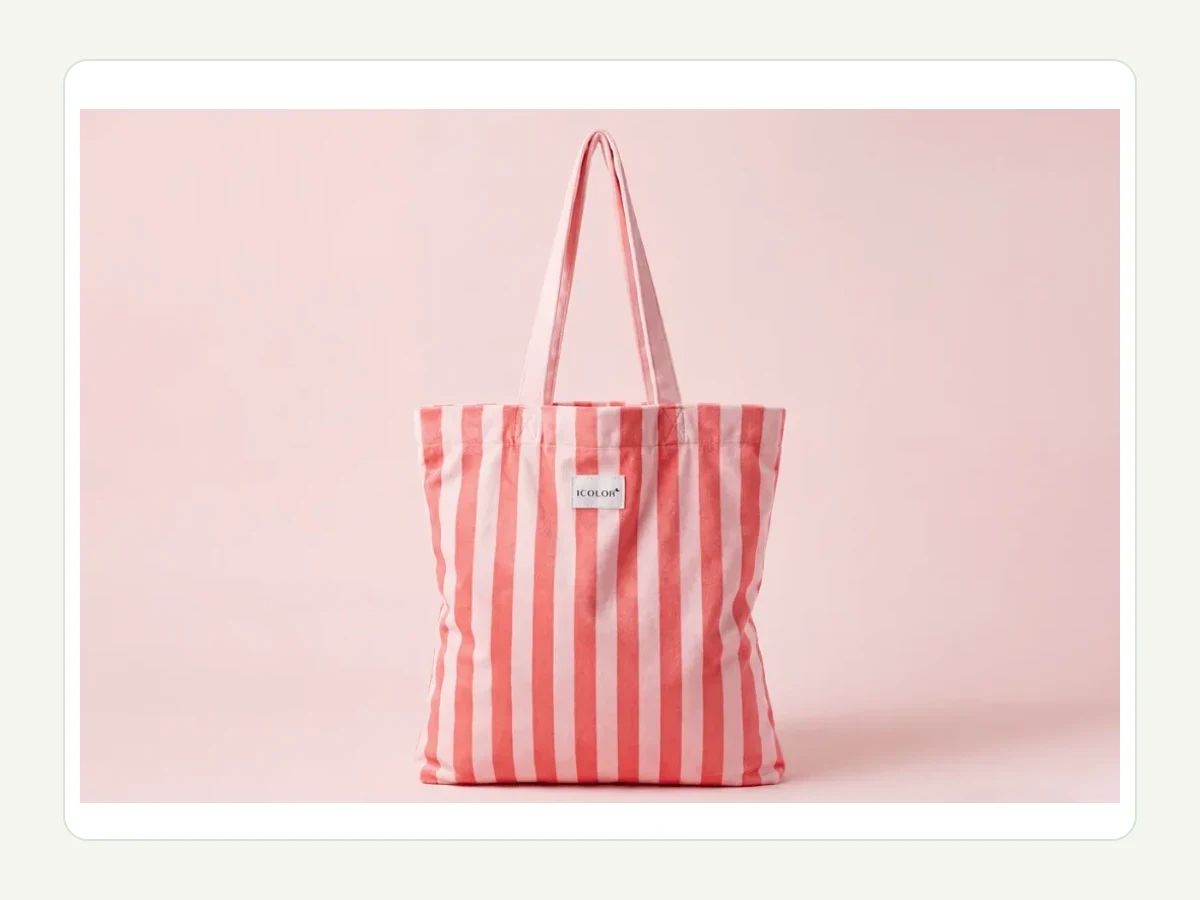
A museum or campus shop can use a tote in three different ways. It can be a sellable souvenir, a reusable carrier for books and apparel, or a bundled item inside a launch kit. Each route changes price target, logo visibility, material handfeel, hangtag copy and stock control. Buyers should define the retail job before asking for sample advice.
If the tote is sold as merchandise, item-level systems matter. GS1 US explains how barcodes support product identification for retail use1. Ecoicolortote can prepare packaging and label support, but the buyer should confirm barcode ownership and retailer rules.
Artwork should match the shelf role
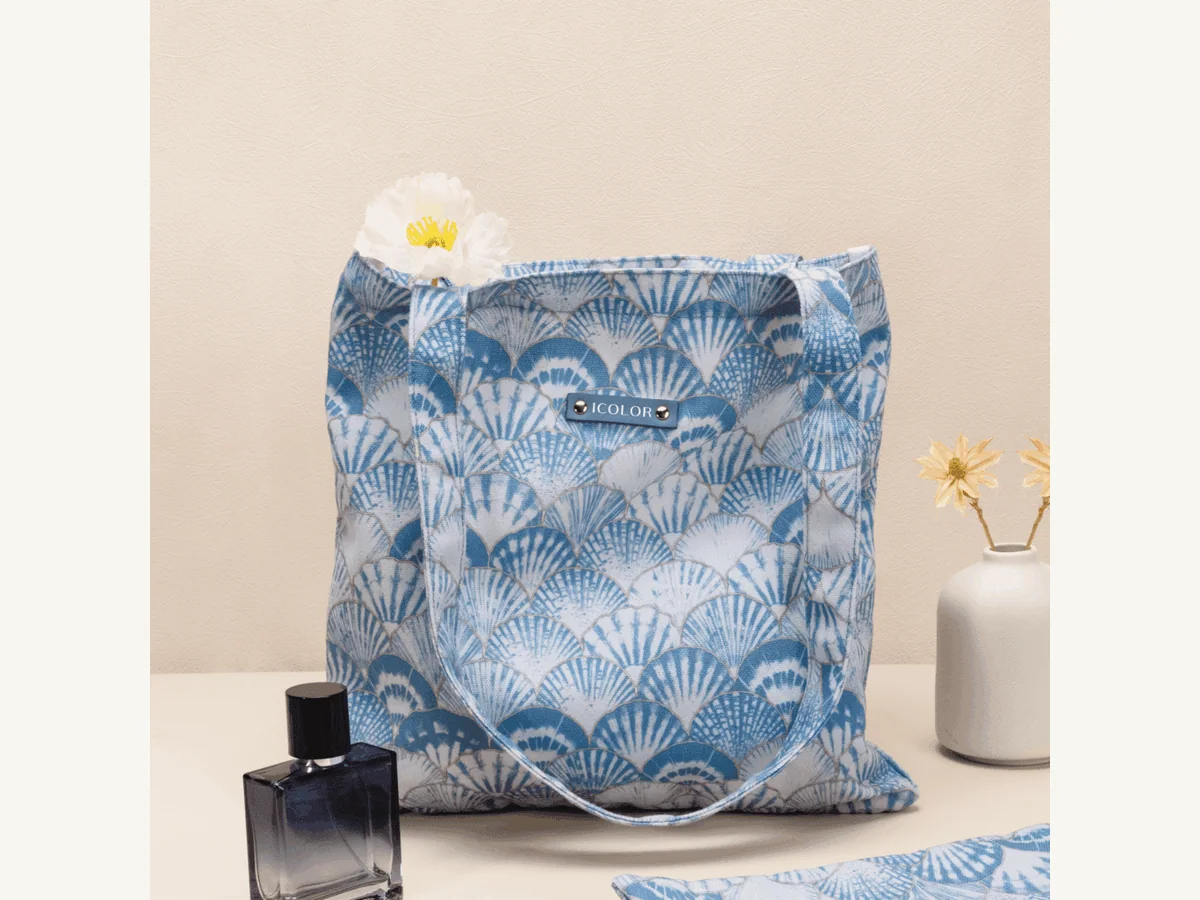
Bookstore totes often depend on artwork more than a standard sourcing tote. A museum shop may need a print that feels collectible. A campus shop may want school-color artwork, department design or a quiet everyday logo. The buyer should decide whether the tote needs a large artwork panel, small logo, woven label, embroidery or mixed decoration.
Color control should be handled before sampling, especially when campus or museum identity colors are involved. Pantone color systems are widely used for color communication in brand and production workflows2. For file preparation, pair the logo file requirements guide with the Pantone color matching guide.
Barcode, hangtag and care label details should not wait until packing
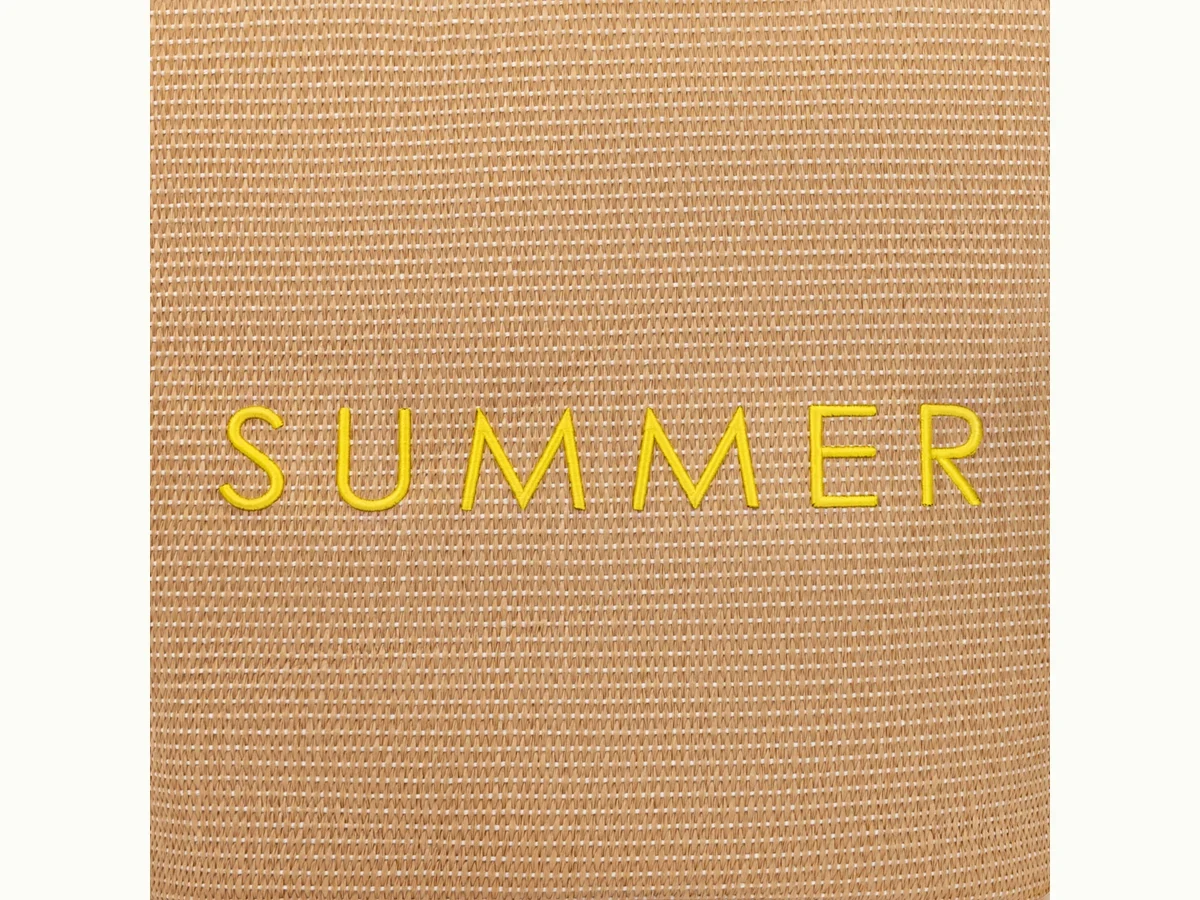
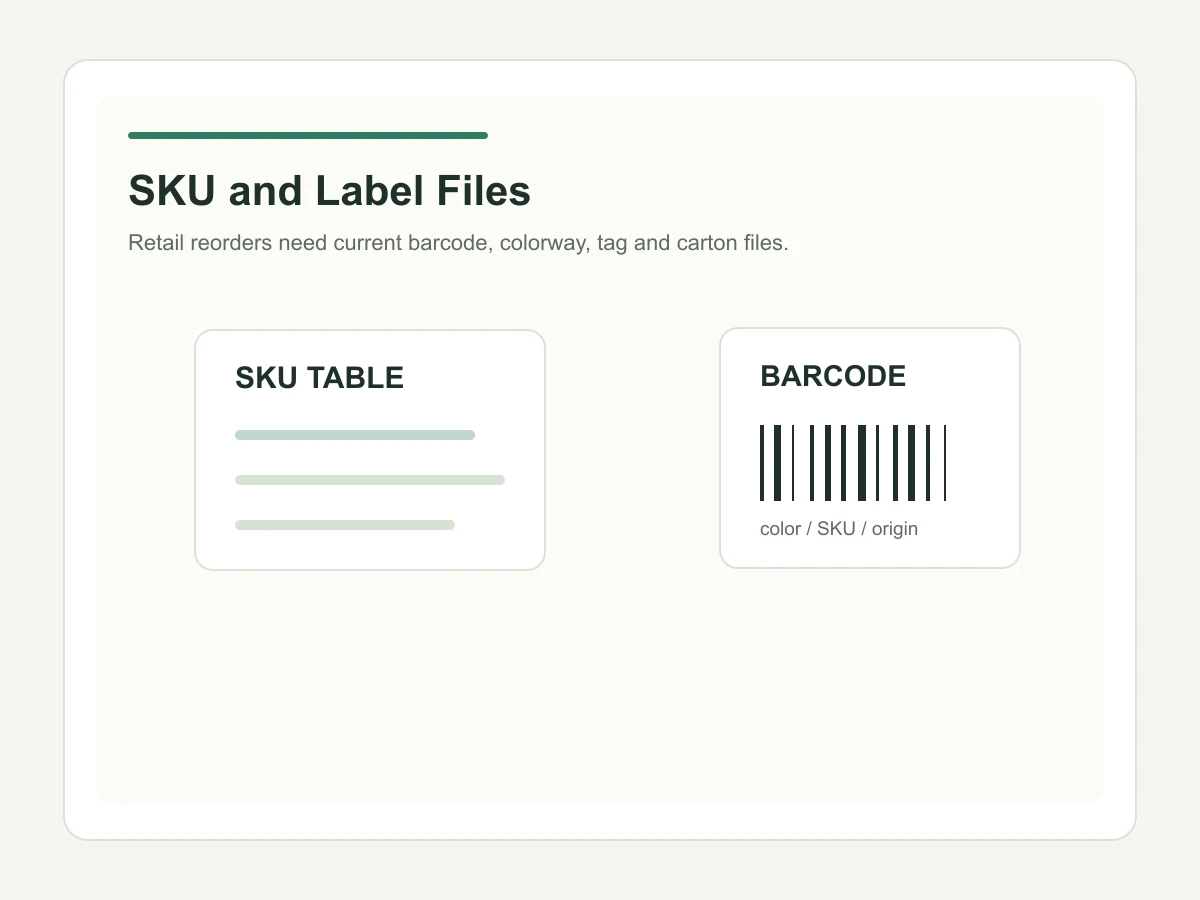
Retail stores often need more than a tote and logo. Barcode position, hangtag size, care label wording, material statement, folded shape and carton label can all affect receiving. If these details are added after the sample, the buyer may need another approval round even when the tote itself has not changed.
For paper cards and hangtags, document scope should be handled carefully. FSC provides forest certification and chain-of-custody systems for paper and forest-based materials3. If a hangtag mentions paper or material claims, confirm document validity before printing.
Material choice should follow retail price and contents weight
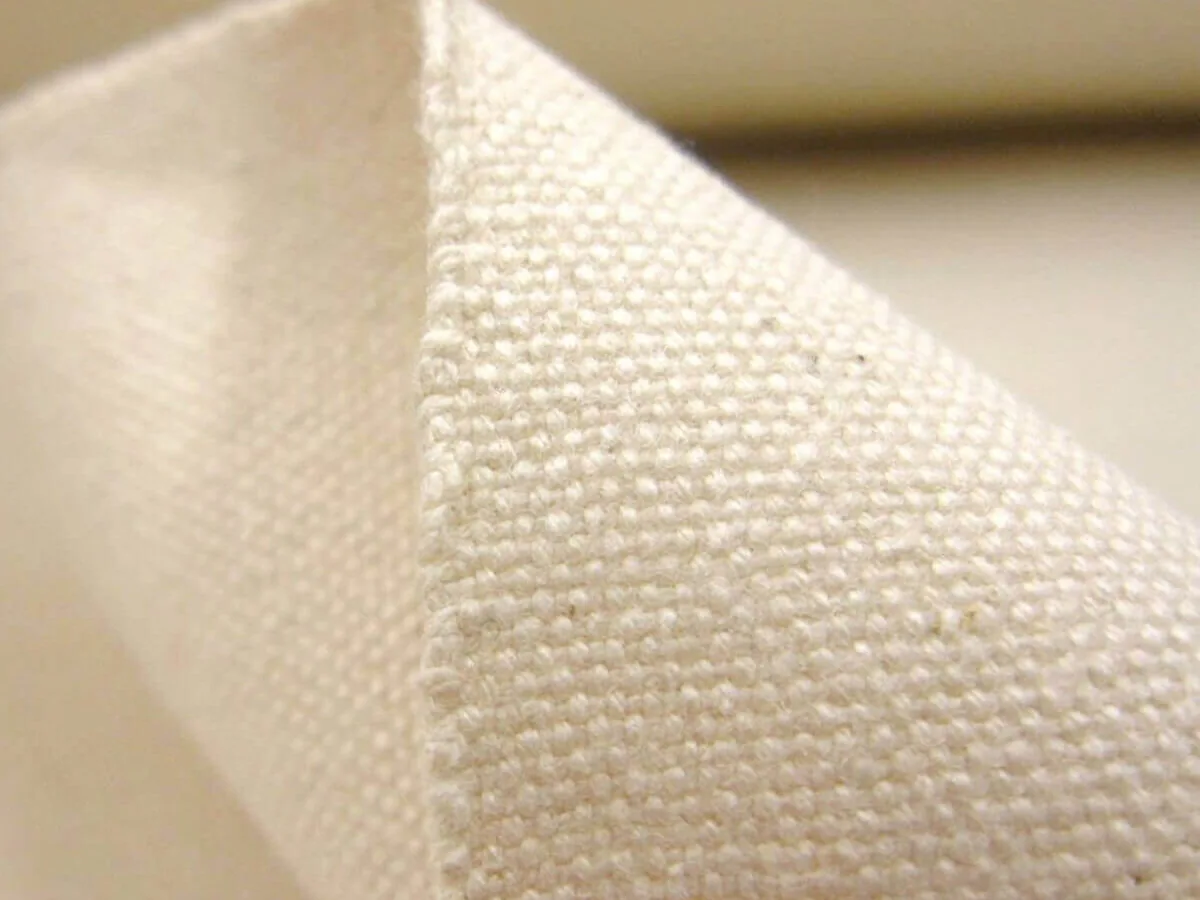
Bookstore tote bags may carry books, catalogs, notebooks, apparel, water bottles or souvenir items. Cotton canvas and recycled cotton can feel familiar and suitable for daily use. rPET can work when the buyer has a documented material story. Structured fabric may be better when the tote needs to keep shape on a shelf or in a product display.
For recycled or responsible material wording, buyers should keep claims tied to actual documents. Textile Exchange publishes standards used in textile and materials certification programs4. The practical point: choose material for load, handfeel and sell-through first, then check which claims can be supported.
Sample fee and lead time checks for retail bookstore totes
Sample approval should include the retail version of the tote, not only a clean logo sample. For qualified bulk orders of 1,000 pieces or more, standard sample fees can normally be credited or refunded against the order value, while custom hardware, metal plate tooling, special molds, unusual trims, repeated artwork changes and non-standard accessories may not be refundable. Buyers should ask which sample items are refundable before approving barcode, hangtag or label work.
Lead time depends on artwork freeze, material availability, print method, hangtag approval, label files, carton split and delivery market. Store teams can reduce rework by approving one sample that includes the intended folded shape, SKU label and receiving route. ISO 2859-1 is commonly referenced for sampling inspection by attributes5, which is useful context when sample standards and bulk inspection are discussed.
Pack by retail receiving needs
If the tote will be sold through a shop, the packing route should match the receiving process. Buyers may need individual fold, hangtag attached, barcode visible, carton label by SKU, mixed-color carton rules or reserve stock separated from launch stock. These details can be simple when planned early and frustrating when added during final packing.
The seasonal reorder planning guide is useful when a shop expects future artwork drops or campus-season demand. The sample evaluation guide helps buyers check whether the approved sample matches the store-ready version.
Store planning scenario: the tote looked right until barcode and hangtag were added
A museum or campus shop buyer may start with a clean tote idea: one artwork, one material and one event date. The planning problem often appears later. The tote may need a barcode, hangtag, retail price sticker, care label and carton split by store location. If those details arrive after sample approval, the sample no longer represents the real retail item.
A better path is to send the retail brief before sampling: SKU count, artwork file, expected selling price, barcode requirement, hangtag copy, folded size, carton label rule and reorder expectation. Ecoicolortote can then review whether the tote should use a large print, small logo, woven label, heavier canvas or lighter foldable structure. The result is a sample that reflects shelf presentation, store receiving, reorder logic, carton handling and the buyer's actual point-of-sale workflow, not only a product photo.
Questions to answer before sending the RFQ
- Will the tote be sold, bundled or used as store packaging? This decides the importance of artwork, label, folded shape and retail price target.
- How many SKUs or artwork versions are needed? A single museum artwork is different from three campus colorways or seasonal bookstore designs.
- What retail files are already approved? Logo, artwork, barcode, hangtag copy and material wording should be assigned to one final approval owner.
- Does the shop expect reorder demand? If yes, keep a production standard, carton rule and color record so the next order does not restart from zero.
Best fit for bookstore tote bags
This route is best for museum shops, campus bookstores, visitor centers, cultural retail counters and school merchandise teams ordering MOQ 500+ custom tote bags with clear artwork, material direction, barcode or hangtag needs, packaging route and retail timing. It also fits buyers who want a tote that can be reordered with the same sample standard, carton rule and color record. The strongest projects explain whether the tote will be sold, bundled with books, packed with apparel or used as a reusable store carrier.
Less suitable fit for bookstore tote bags
This route is less suitable for one personal tote, blank stock buying, very small local orders, lowest-only requests or projects with no approved artwork owner. Ecoicolortote can still discuss options, but bookstore tote buyers get better help when they send retail channel, SKU count, price target, label needs, sample deadline and reorder expectation early. Without those details, a tote may look acceptable in a sample photo but fail the store receiving or shelf presentation workflow.
Trust and factory background
Buyers who need a quick supplier check can review the Ecoicolortote about page for company context and the materials page for fabric options. For product routing, continue to the private label totes hub before sending final quantity, artwork and delivery details.
FAQ: bookstore tote bags for museums and campus shops
What should museum or campus shop buyers confirm before sourcing bookstore tote bags?
Buyers should confirm sales channel, retail price target, MOQ, material, size, artwork ownership, label needs, barcode rules, hangtag copy, packaging route and reorder timing. A bookstore tote is not only a printed bag; it has to work as a shelf-ready retail item with clear stock control, receiving logic and buyer-approved claim wording before the sample is released.
What MOQ works for bookstore tote bags?
Ecoicolortote is best suited to MOQ 500+ custom tote bag projects. For museum stores and campus shops, buyers should separate opening order, reorder expectation, seasonal artwork variants and reserve stock. This helps the factory explain sample cost, colorway limits, unit price and whether future reorders can follow the same approved material, label and carton standard.
Should bookstore tote bags use a large artwork print or a small logo?
It depends on the retail role. A large artwork print can work when the tote is sold as a souvenir, exhibition item or campus design product. A smaller logo, woven label or embroidery can work when the shop wants a calmer everyday tote. The buyer should decide whether the bag is merchandise, packaging or a reusable brand item before approving sample artwork.
Do bookstore tote bags need barcode or care label planning?
If the tote will be sold through a museum shop, campus store or retail counter, barcode, care label, hangtag, material wording and carton labels should be discussed early. These details affect artwork files, packing preparation, receiving checks and sample approval, even when the tote shape itself is simple and the main print area does not change.
Which materials work for bookstore and campus shop totes?
Cotton canvas, recycled cotton, rPET and structured fabric can all work, depending on retail price, artwork detail, expected load and brand tone. A shop selling books, catalogs, notebooks or campus apparel should check handle comfort, bottom shape and folded presentation, because the tote may carry heavier contents than a light event giveaway.
How should bookstore tote buyers prepare files for sampling?
Prepare artwork files, logo versions, color references, SKU names, barcode ownership details, hangtag copy, care label direction and carton label rules before sampling. One approval owner should control the final file set. This prevents the sample from being approved as a nice tote while the retail version still needs a different tag, label, fold or barcode layout.
When is Ecoicolortote not the right fit for bookstore tote bags?
Ecoicolortote is less suitable for one personal tote, blank stock buying, very small local orders or projects without final artwork and retail information. A good-fit inquiry includes MOQ 500+, artwork files, expected retail use, material direction, label needs, packaging route and a realistic sample approval window, because those details make pricing and production planning practical.
Sources
- GS1. What is a barcode? ↩
- Pantone. Color systems and brand color communication ↩
- FSC. Forest certification and chain-of-custody systems ↩
- Textile Exchange. Textile and material standards ↩
- ISO. ISO 2859-1 sampling procedures for inspection by attributes ↩