
Specialty Tote Structure, Texture and Sample-Approval Route
Use this route when an unusual texture, trim, support or packing behavior changes the sample decision. If the first question is generic private label, a named material, foldability, capacity, closure, GWP, hotel or event use, start from that existing owner instead.
Specialty is a Layer 2 structure-and-texture route under Private Label. Use it only when an unusual surface, trim, support or packing behavior changes the sample decision. Generic private-label briefs, named materials, foldability, capacity, closure, GWP, hotel and event use keep their existing owners. MOQ 500+ is reviewed with the current material, trim, packaging, documentation and delivery scope before quotation.
How should buyers plan a specialty tote project?
A specialty route begins with the sample risk: the unusual texture, trim, support or packing behavior that changes approval. It does not replace the commercial, use-case or material owner.
Retail and DTC merchandise
Check fabric weight, print surface, handle strength, label position and pack-out size against the real retail or DTC contents before sampling.
GWP and seasonal distribution
Plan artwork, fabric texture, label files, packing method, carton marks and delivery timing before the sample is approved.
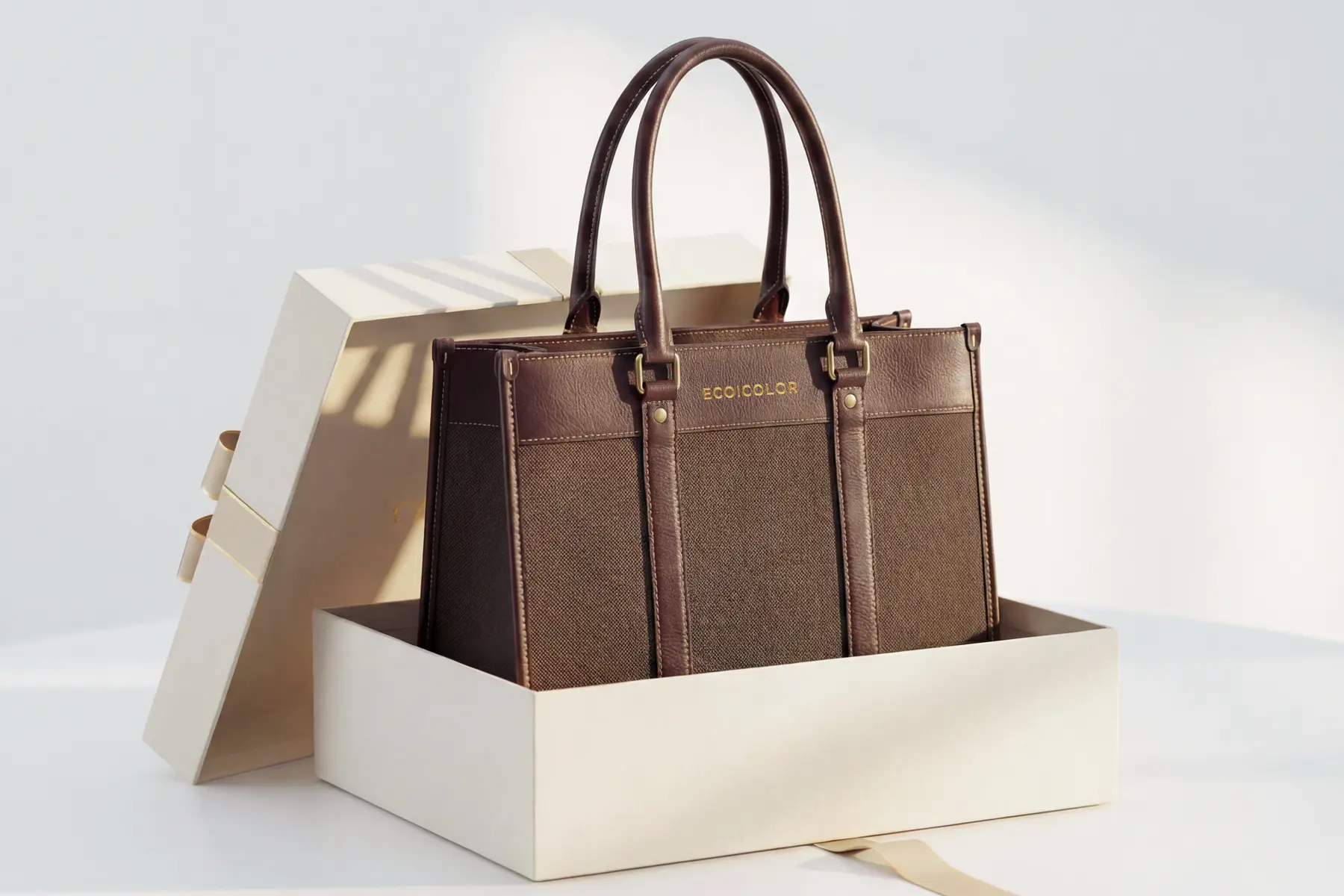
Boutique and brand merch
Use a specialty route when the tote needs distinctive texture, quiet logo behavior and a stronger product story.
Start from the first buyer decision
Specialty is not a material name and is not a catch-all label for every design-led tote.
Generic Private Label · Named materials · Foldable · Large & XL · Closure / zipper · GWP · Hotel · Conference & event
Which logo and label process fits specialty totes?
Specialty fabrics can support clean print, embroidery, woven-label, heat-transfer or trim-detail routes, but the best method depends on fabric finish, artwork detail, color tolerance, label system and retail presentation.
Screen printing
Best for clean front logos, campaign graphics and larger flat print areas. Confirm size, color count and placement tolerance before sampling.
Heat-pressed logo
Useful for full-color artwork or smoother logo edges on selected specialty fabric finishes. Check wash expectation, handfeel and color reference.
Woven label or tab or patch
Good for repeat private label SKUs where the same brand marker must stay consistent across fabric colors and reorders.
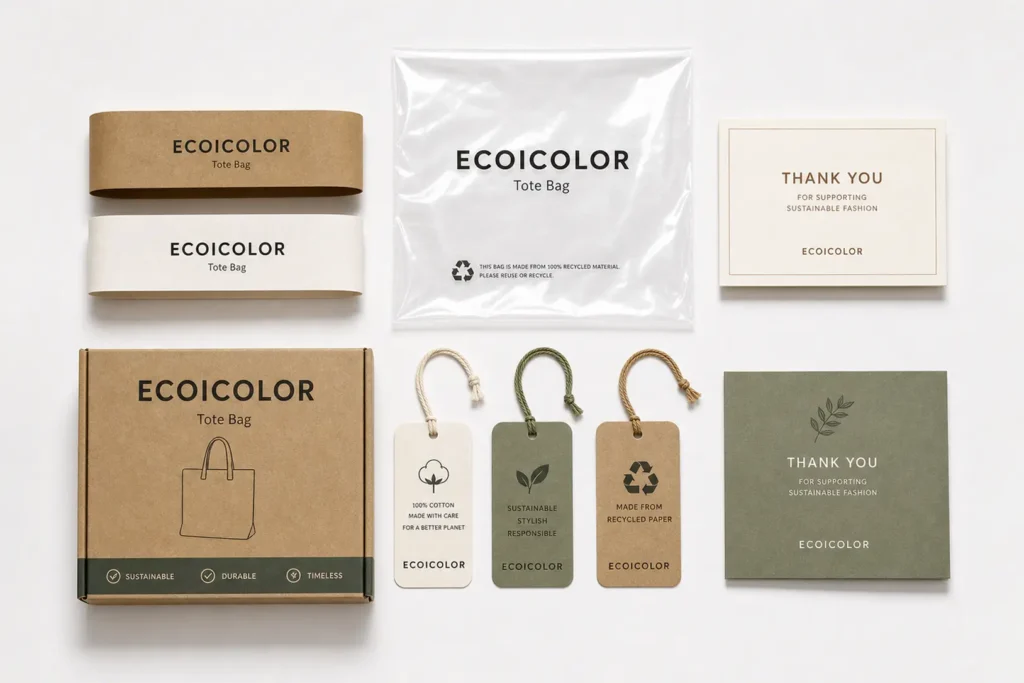
Hangtag and barcode
Needed when the tote is sold through retail or DTC channels. Confirm card size, string, sticker logic and carton label matching.
Which specialty tote projects does this route support?
Specialty routes need texture review, trim planning, print compatibility and delivery clarity, so each common private-label use case is separated before the product options begin.
How should packaging and labels be planned for specialty tote delivery?
Specialty tote buyers often care about trim consistency, label accuracy and retail presentation as much as the tote body itself.
Hangtag and barcode set
Plan hangtag size, barcode sticker4, string position and product naming before the sample is made.
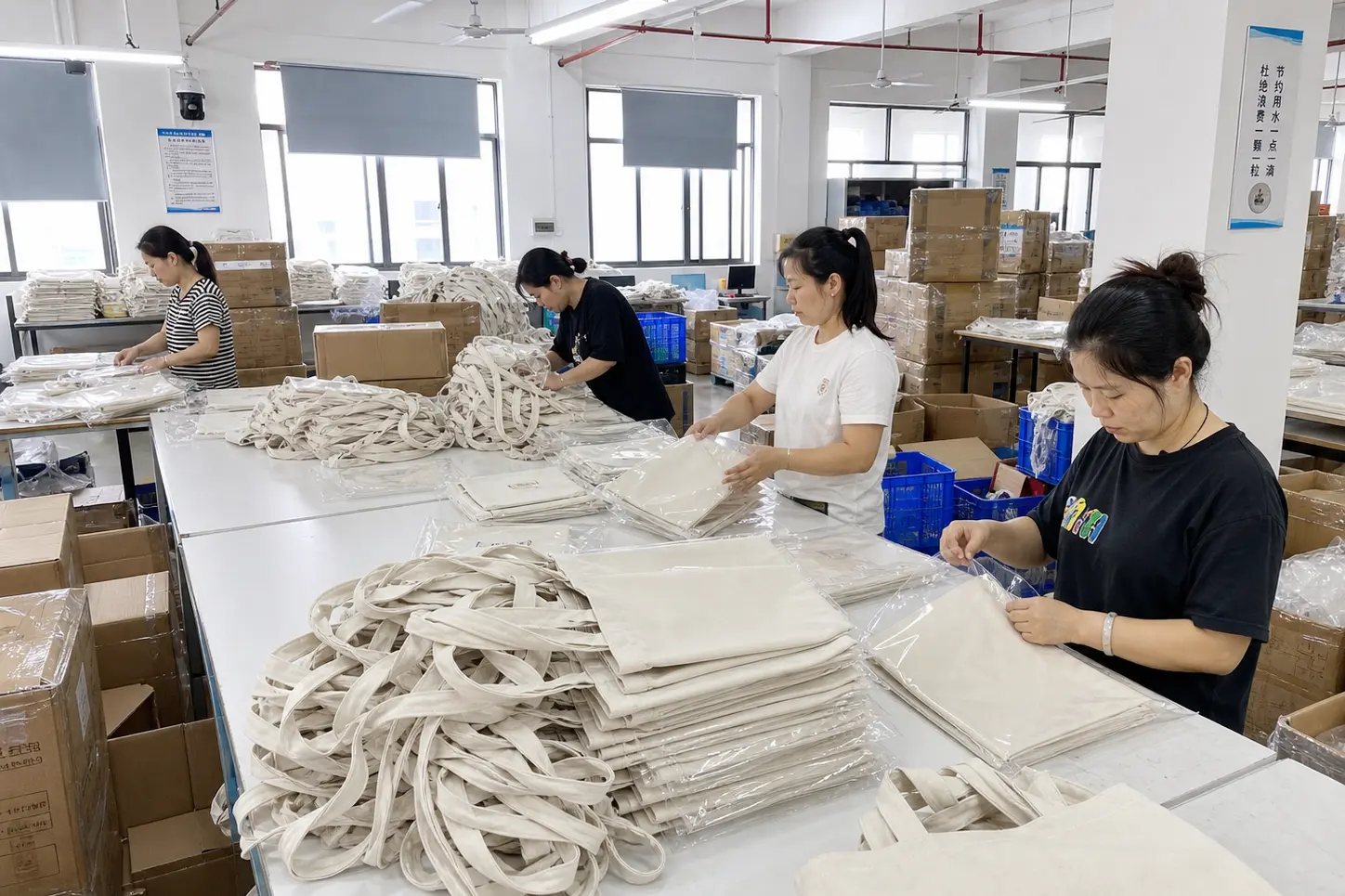
Fold and carton plan
Fold direction affects logo visibility, carton count, freight cost and how the tote arrives at the store or warehouse.
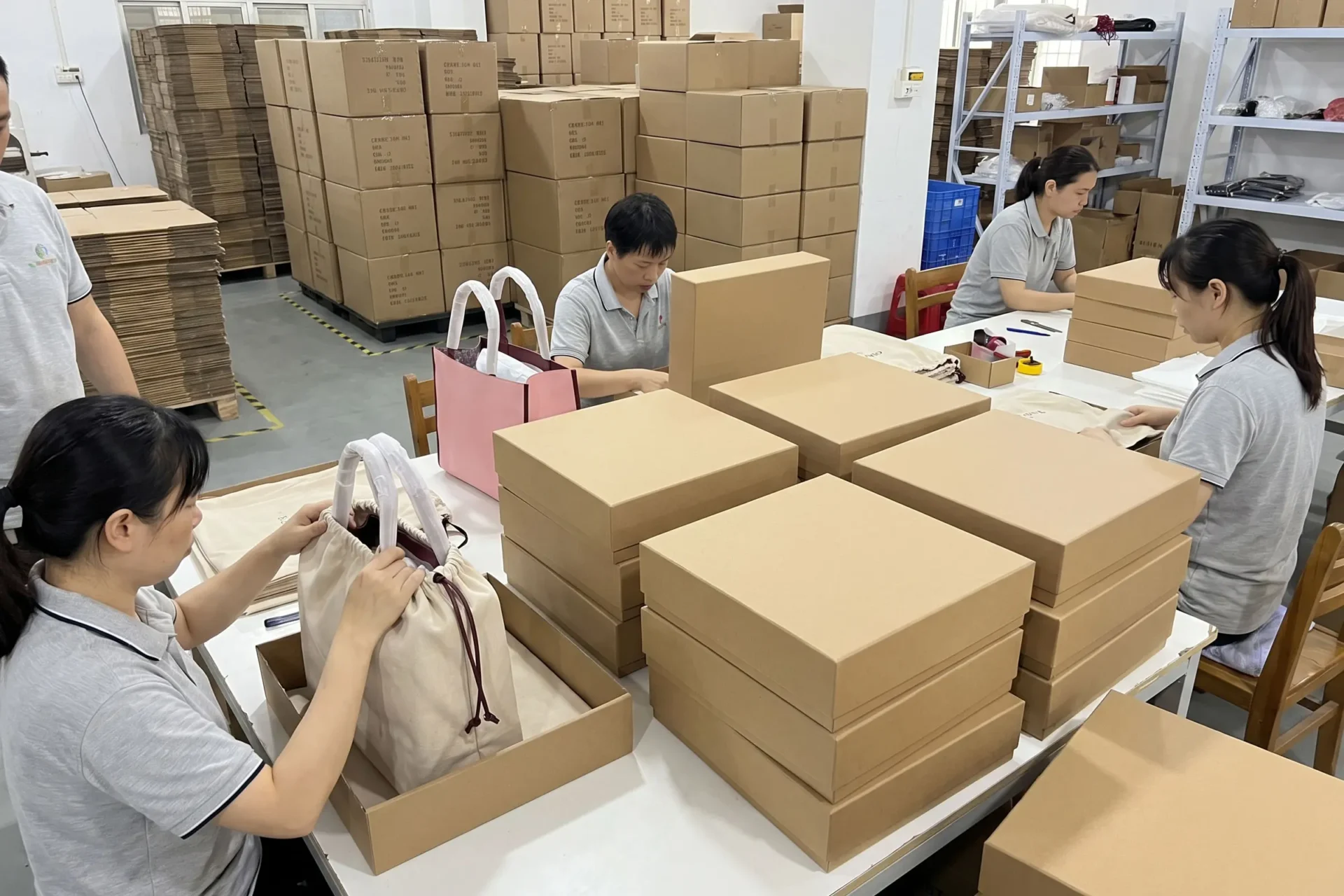
Gift set pack-out
When the tote carries products, test the real contents before approving gusset, handle and label position.
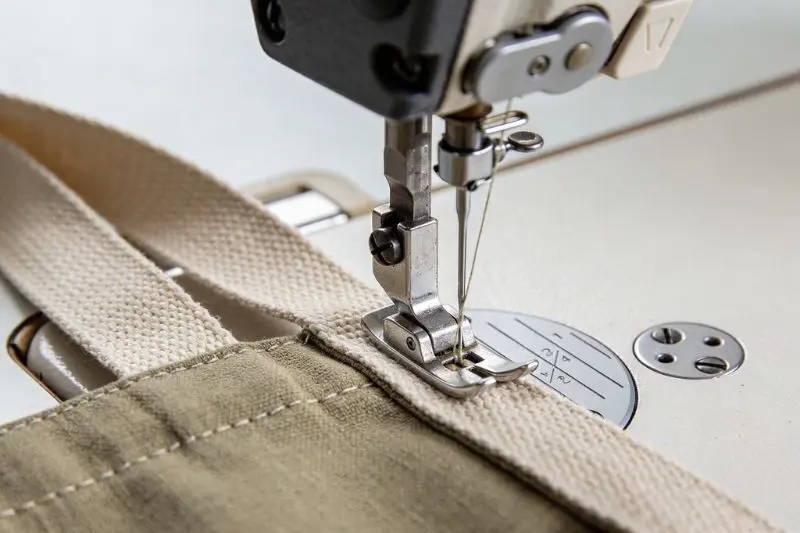
Load and handle check
Use filled-weight checks when the tote will carry books, apparel, bottles or heavier retail items.
What construction details should be confirmed before sampling?
The right specialty route should make the physical product easier to approve, not just look good in a flat mockup.
Texture and weight
Review gsm, handfeel, opacity and whether the selected specialty fabric can support the intended contents.
Handle comfort
Check hand carry, shoulder carry and filled-weight comfort before approving the sample.
Folding behavior
Use actual product dimensions to confirm depth, folding behavior and carton volume.
Seam strength
Review reinforcement and stitch pattern when books, apparel, bottles or gift sets will be carried.
How should buyers choose specialty tote materials?
Specialty tote materials should be chosen by surface behavior and construction risk. DuPont paper, rPET or PVC mesh, TPU or PVC clear routes and woven materials each need different checks for print, strength, odor, storage and packing.
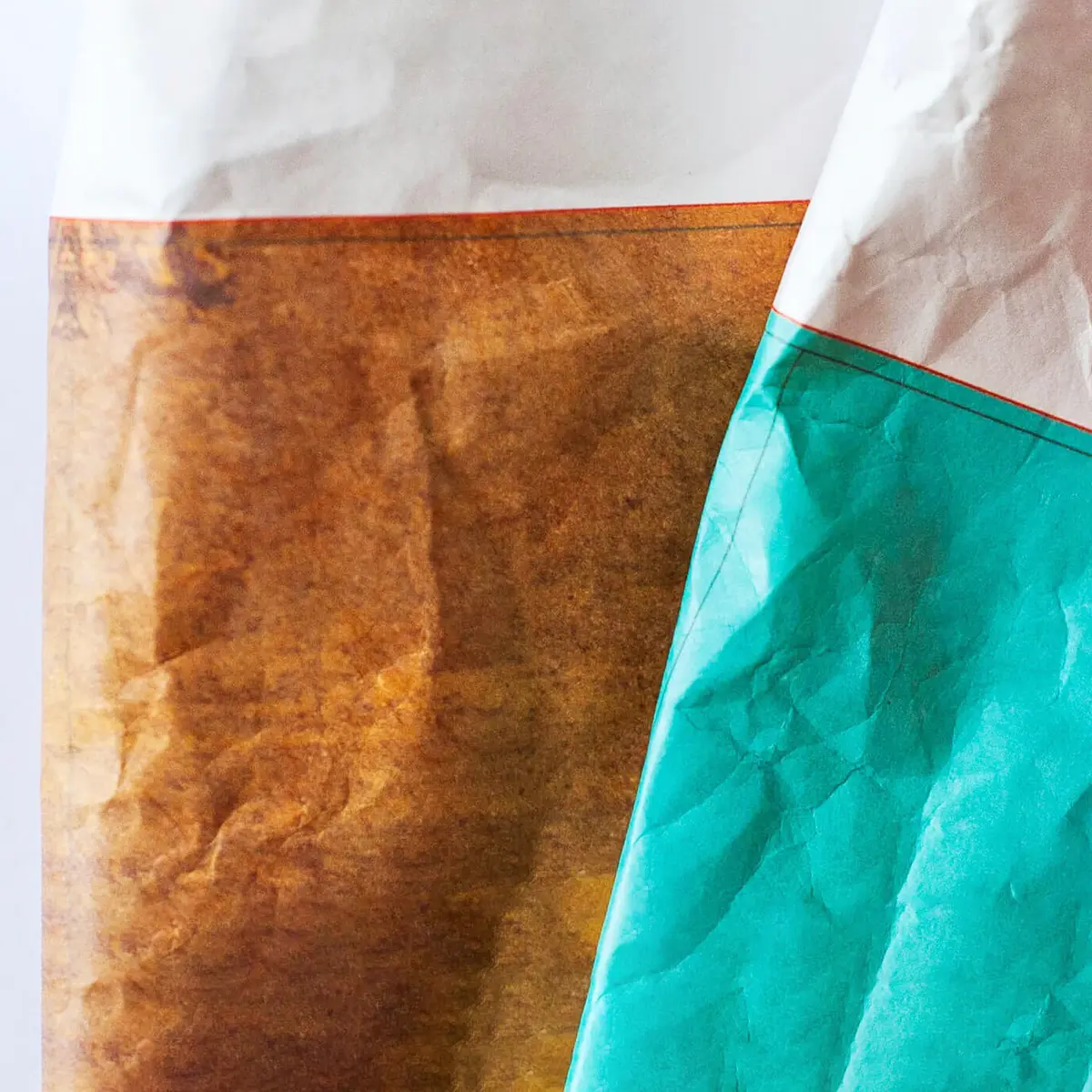
DuPont paper route
Use when the tote needs a crisp paper-like handfeel, lightweight structure, water-resistant surface behavior and a retail-ready sustainability story.
Explore DuPont Paper Route
rPET / PVC mesh route
Useful for sporty, beach, travel, event or high-volume programs where airflow, visibility, lightweight handling and quick drying matter.
Explore Mesh Route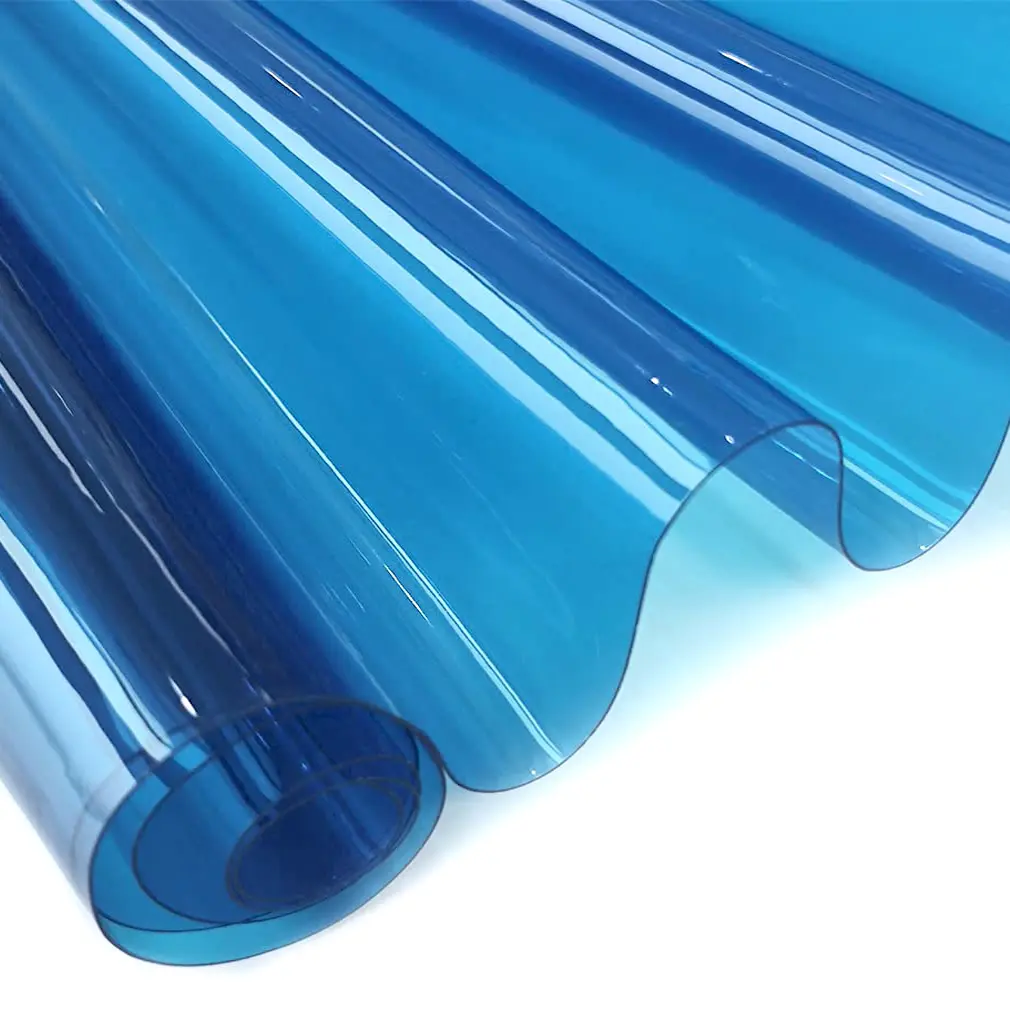
TPU / PVC clear route
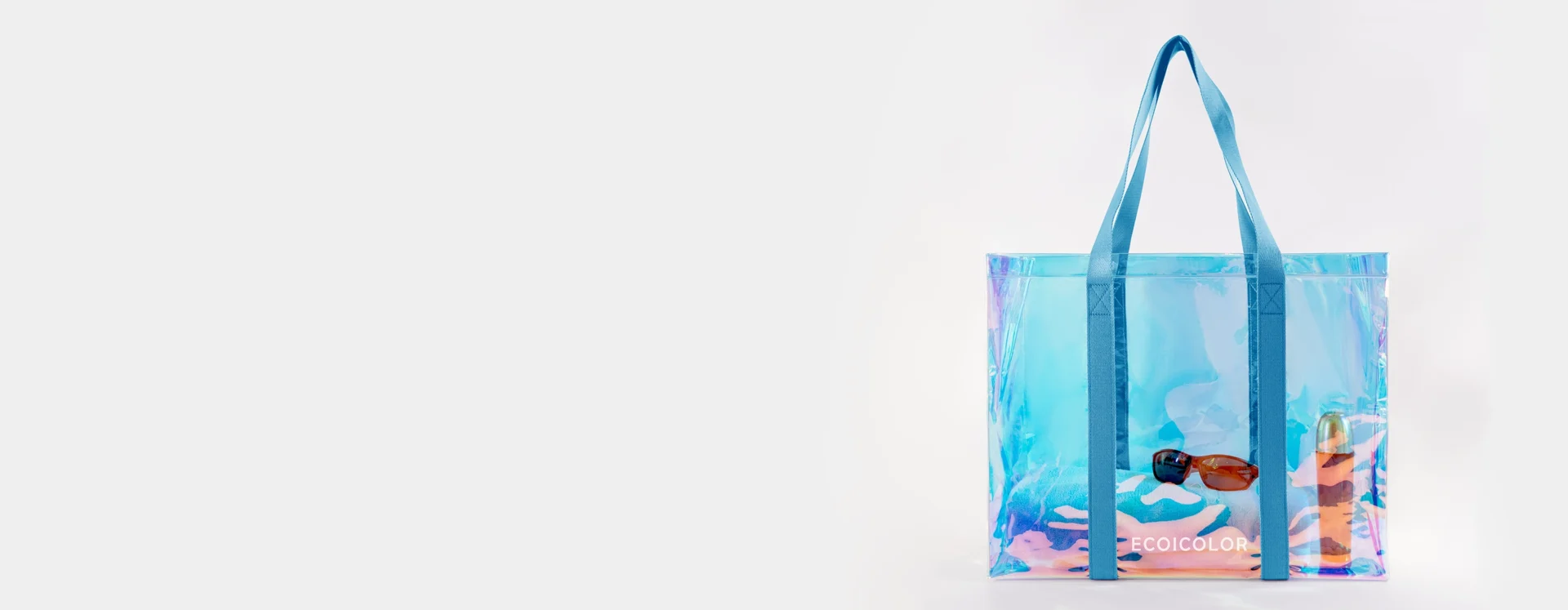
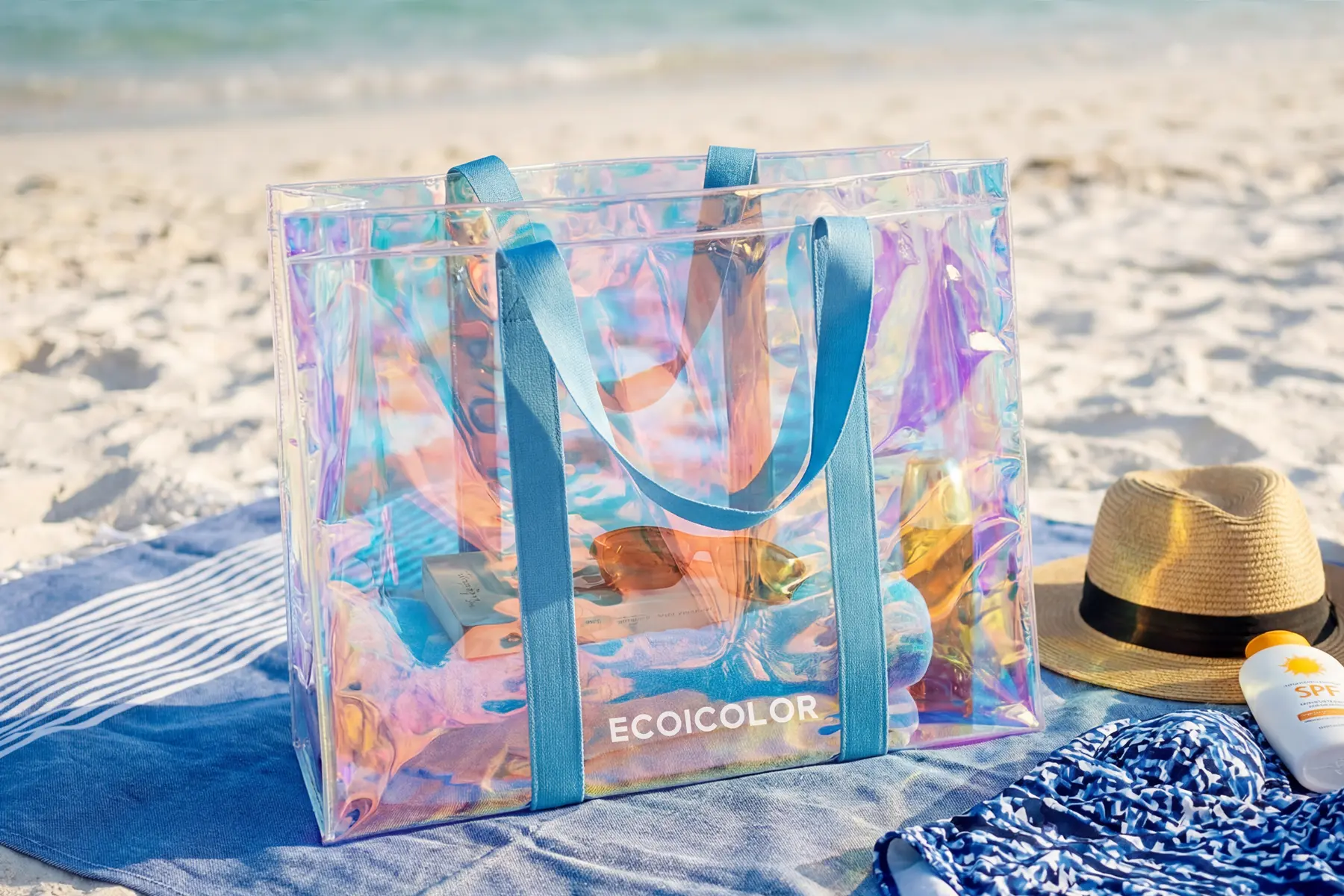
Good for stadium, travel, retail display or transparent packaging-style totes where clarity, structure and edge finishing must be sampled.
Explore Clear Route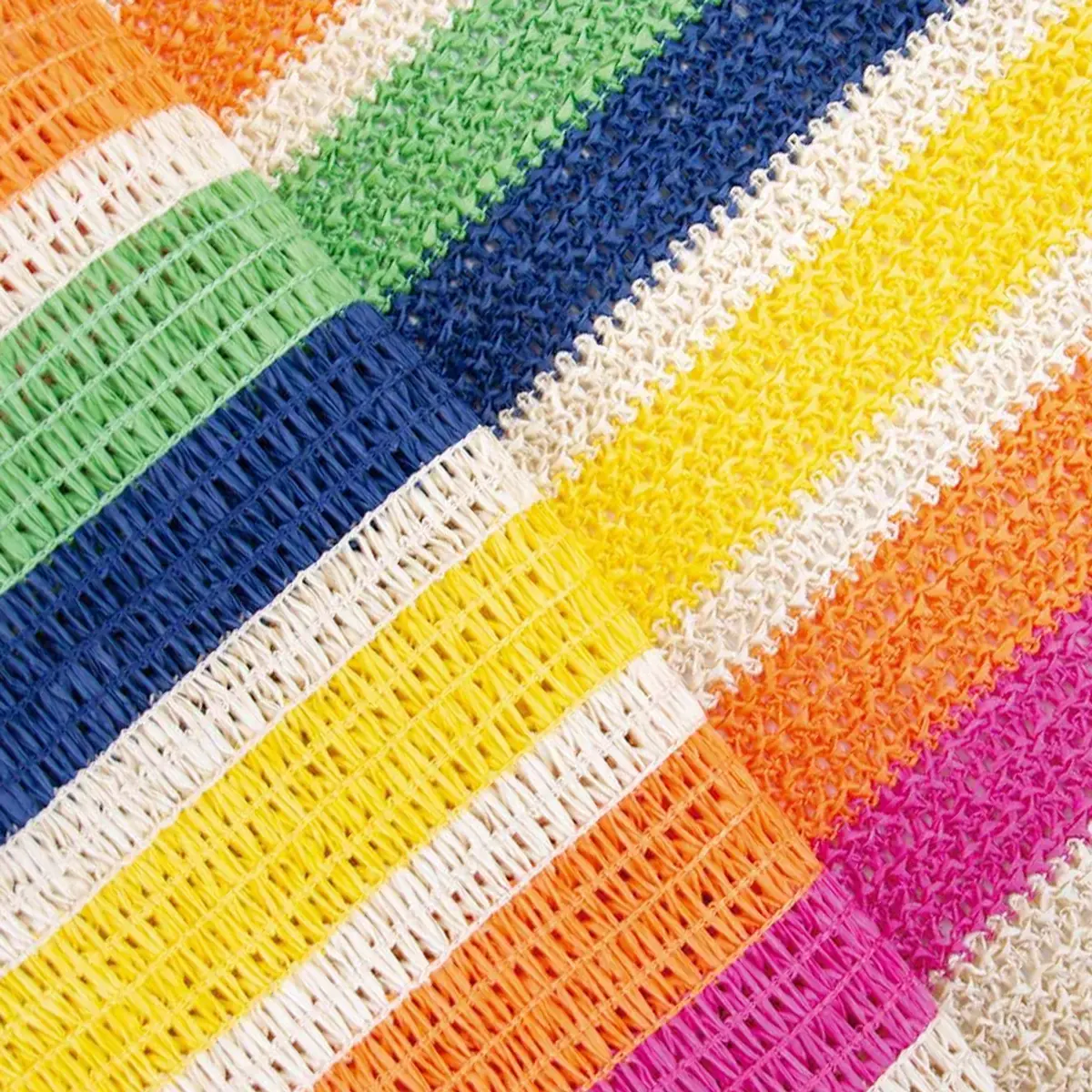
Woven material route
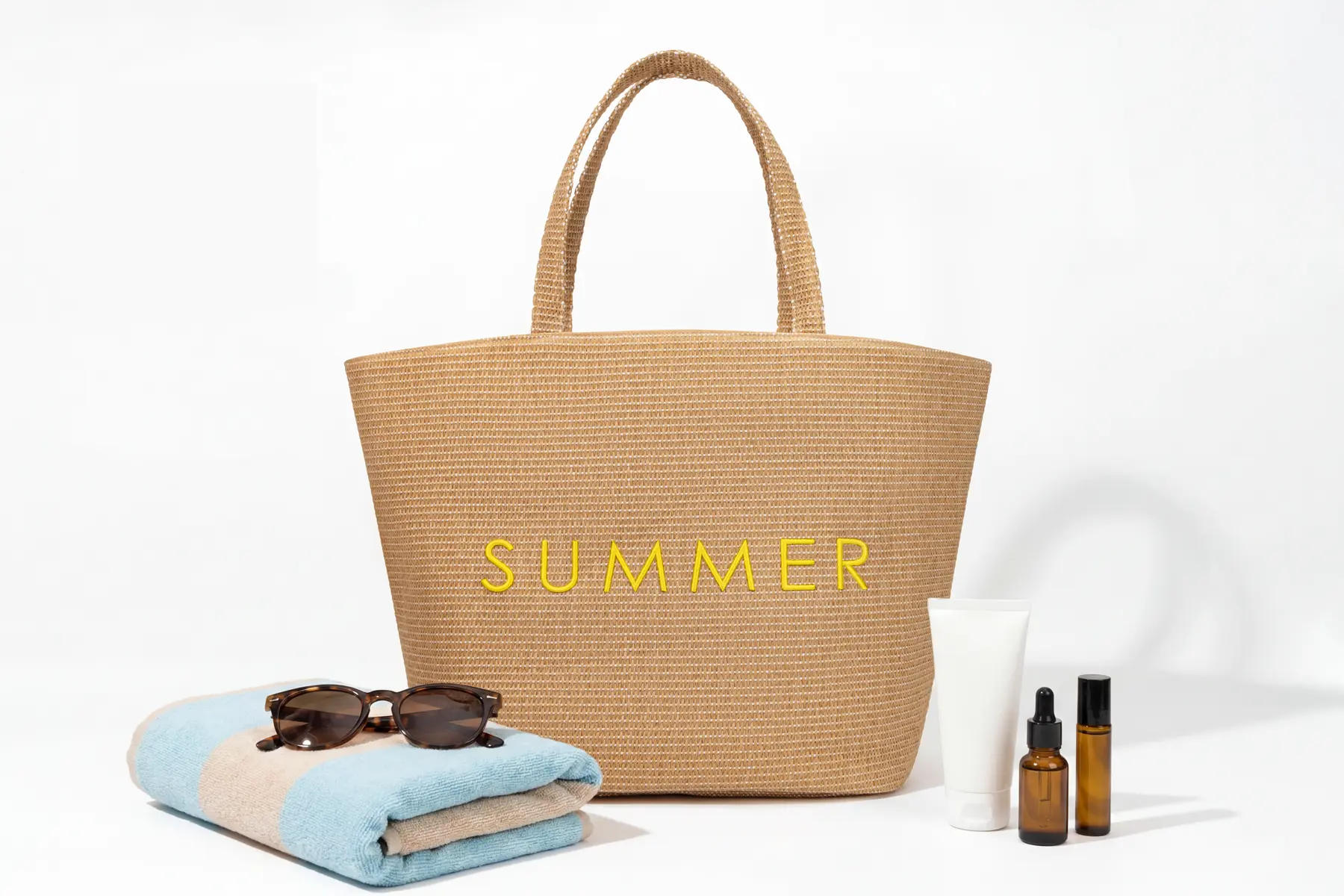
Works for paper woven, raffia, cotton cord woven and similar textured routes where handfeel, weave density and logo placement need early review.
Explore Woven Route| Material route | Best-fit private label use | RFQ reminder |
|---|---|---|
| DuPont paper route | Retail, GWP and concept-store programs where a paper-like surface, lightweight carry feel and structured presentation are more important than soft fabric drape. | Confirm paper weight, tear strength, print method, seam construction, folding behavior, moisture exposure and claim wording before sampling. |
| rPET / PVC mesh route | Beach, travel, event, poolside, retail or campaign programs where breathable mesh, product visibility, quick-dry behavior or carton efficiency matters. | Check mesh density, transparency, edge binding, handle strength, logo method, color tolerance, packing volume and destination compliance before sampling. |
| TPU / PVC clear route | Stadium, travel, beauty kit, retail display or promotional programs where transparency, waterproof behavior, wipe-clean surface and structured shape are important. | Confirm thickness, transparency level, softness, odor expectation, seam welding or stitching method, logo placement and packaging protection before sampling. |
| Woven material route | Resort, lifestyle, gift, boutique retail and summer campaign projects where paper woven, raffia, cotton cord woven or mixed-fiber texture is part of the product story. | Confirm weave type, density, color variation, handle construction, logo attachment, trim detail, storage condition and packing method before sampling. |
What should be confirmed before a specialty tote sample?
The sample should confirm physical product fit, not only a flat logo mockup.

Tell us what apparel, beauty products, event materials or gift items need to fit inside the tote.
Send AI, EPS, SVG or high-resolution artwork with Pantone or thread color direction.
Share hangtag, barcode, care label, claim wording or carton label requirements before sampling.
Share target ship date, destination and delivery buffer so timing can be judged early.2
How does a specialty tote project move from brief to bulk?
The process should connect campaign timing, sample approval, pack-out, carton marks and delivery planning before bulk production starts.
Send brief
Quantity, size, specialty route direction, logo file, labels, packaging and launch timing.
Review route
Check fabric weight, print method, recycled wording, sample fee scope and lead time.
Approve sample
Review handfeel, print clarity, carry comfort, label position and pack-out.6
Move to bulk
Confirm artwork, carton marks, inspection scope, packing count and delivery buffer.
Specialty tote sample-approval checklist
This is a planning checklist, not a customer case. Record the decision owner and evidence for each item before sampling or claim approval.
Use case and real contents
List what goes inside, filled dimensions, carry method, quantity and delivery market. Route generic private label, GWP, hotel and event briefs to their existing owners.
Surface, texture and structure
State which unusual surface, trim, support or construction behavior changes the sample decision. Named-material queries stay with the material owner.
Logo, label and pack-out
Check logo behavior on the physical surface, trim and label position, folding method, carton count, marks and any retail or gift-pack presentation.
Approval owner and evidence
Name the person who approves the sample, artwork, claims, packaging and delivery basis. Keep supplier documents and test scope attached to the current quotation.
Two evidence notes that change specialty sample approval
These are short, bounded summaries of existing verified records. Follow each link for the full context and limitations.
Side-gusset hard-insert pack-out
In one recorded project, the same 52 × 40 × 40 cm carton changed from 25 to 15 pieces after a hard insert was added, requiring 13 more cartons. The record reports about 1.04 CBM and about US$1,600 additional freight; a dimensional cross-check gives 1.0816 CBM, so the difference is shown rather than hidden. This is one project, not a universal freight rule.
Read the verified pack-out recordCotton corduroy sample approval
An August 2025 skincare-brand brief used 8-wale 100% cotton corduroy, W45 × H42 cm, a 260 g finished tote, burgundy sampling and an 8 × 5.5 cm PU badge. The sample was confirmed before bulk handoff. The record does not claim a failure, correction, delivery, testimonial or rPET material.
Read the verified sample recordWho is a good fit for private label specialty tote projects?
Best fit
Retail, DTC, GWP, event, travel kit or brand merchandise teams planning MOQ 500+ per style with a defined launch date, logo direction, target size, product contents and sample approval path.1
Best-fit buyers need fabric weight, logo method, label position, carton marks, recycled wording and pack-out details reviewed before bulk production.
Less suitable fit
One-off personal gifts, very small runs, or lowest-price-only requests are less suitable when size, material, logo method and timing are not yet defined.
Projects needing delivery in under 25 days while also requiring custom labels, multi-process artwork or complex pack-out checks should simplify the brief before sampling.
How should buyers choose the right private label route?
Use this page when specialty construction, trim detail, texture or seasonal presentation is the first decision. Move to a sibling route when canvas structure, recycled-content route, organic material wording or logo customization is the main sourcing risk.
Recycled Cotton Totes
For softer reclaimed-fiber handfeel and recycled document-scope review.
View route
Organic Cotton Totes
For organic-cotton route planning, material wording and document discussion.
View route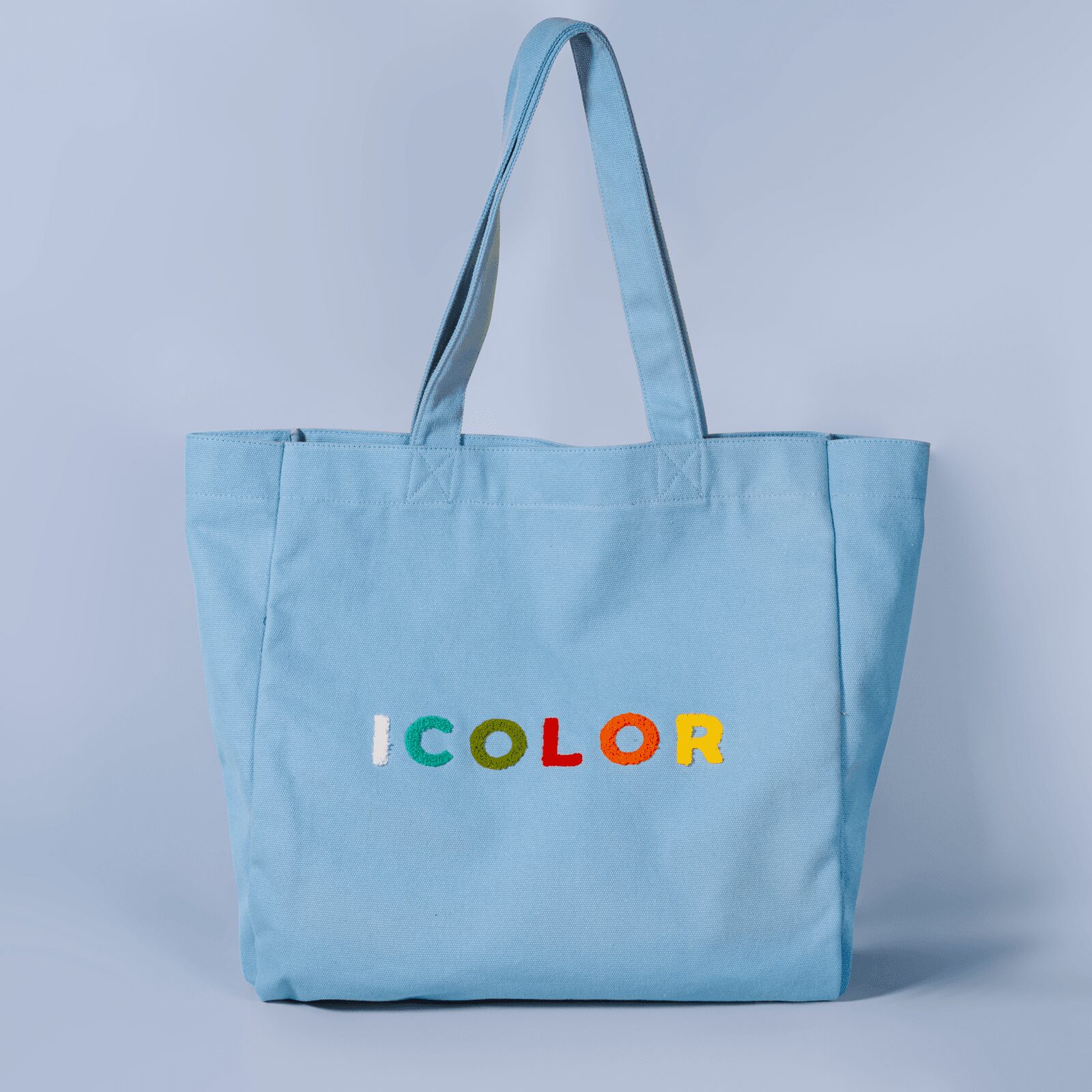
Canvas Tote Bags
For structured retail totes, smoother print area and repeatable private label use.
View route
Custom Logo Totes
For projects where artwork method, placement, Pantone control or label system is the main risk.
View routeReady to review specialty tote product options?
The product catalog continues below. Use the planning notes above to compare textured fabric route, logo method, label scope, handle comfort and pack-out before selecting a product direction.
Talk to Zoe Yu About Your Specialty Tote Project

Factory-side project support
Zoe supports overseas brand buyers with tote bag briefs, material route review, MOQ feasibility, logo execution, sample coordination, packaging details and production follow-up. For specialty tote projects, she helps review fabric weight, handfeel, print method, recycled wording, retail labels, sample fee scope and lead time before sampling.
Send Your Project BriefChecks quantity, use case, size, logo file, packaging and launch timing before quoting.
Aligns specialty route, logo process, color reference and approval notes before bulk.
Keeps hangtags, labels, barcode files, carton marks and retail packing details organized.
Connects buyer requirements with factory sampling, QC, packing and shipment updates.
Specialty Tote Bags
Review these products as route examples before sending a private label RFQ. Product titles or category placement do not verify model-level composition, recycled content, certification, waterproof performance, stadium approval or destination-market claims. Confirm current supplier documents, test scope and quotation before using any claim.
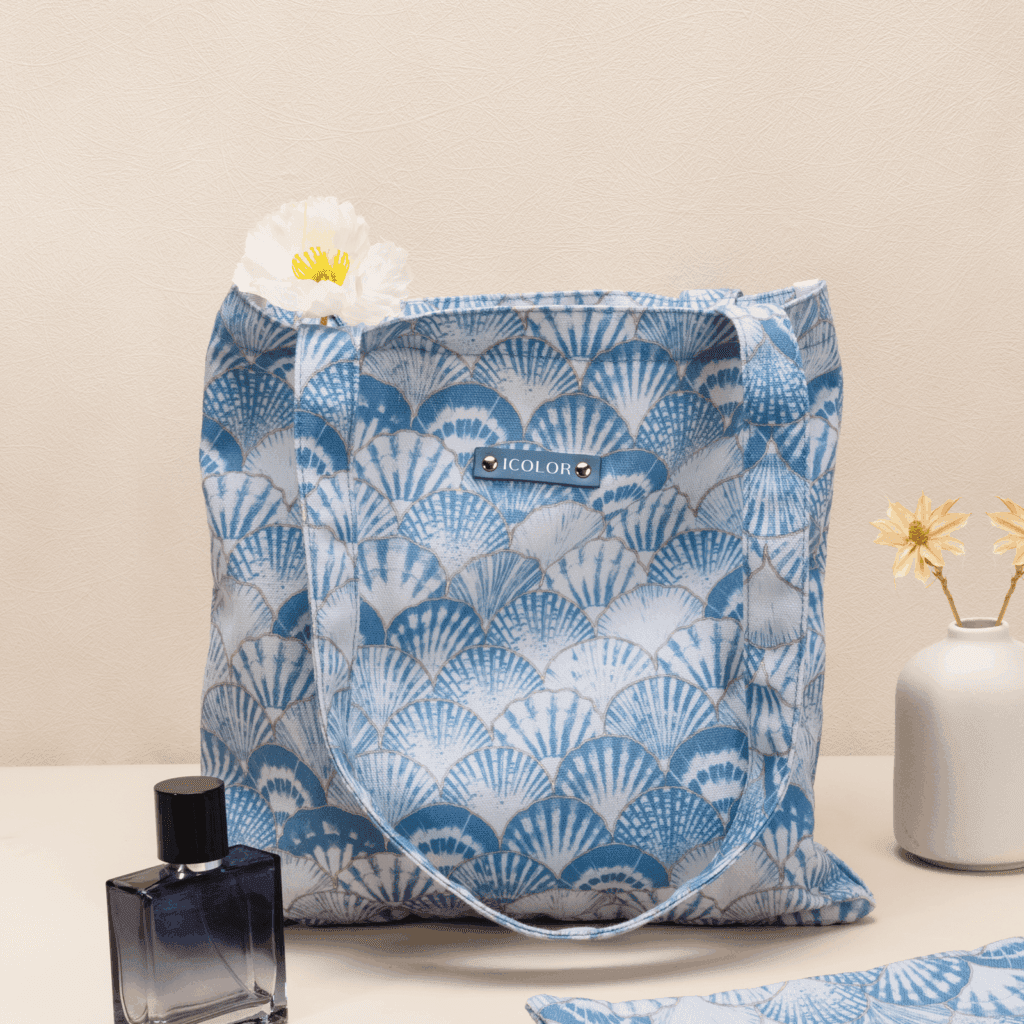
Custom rPET Tote Bag | Lightweight | Wholesale B2B
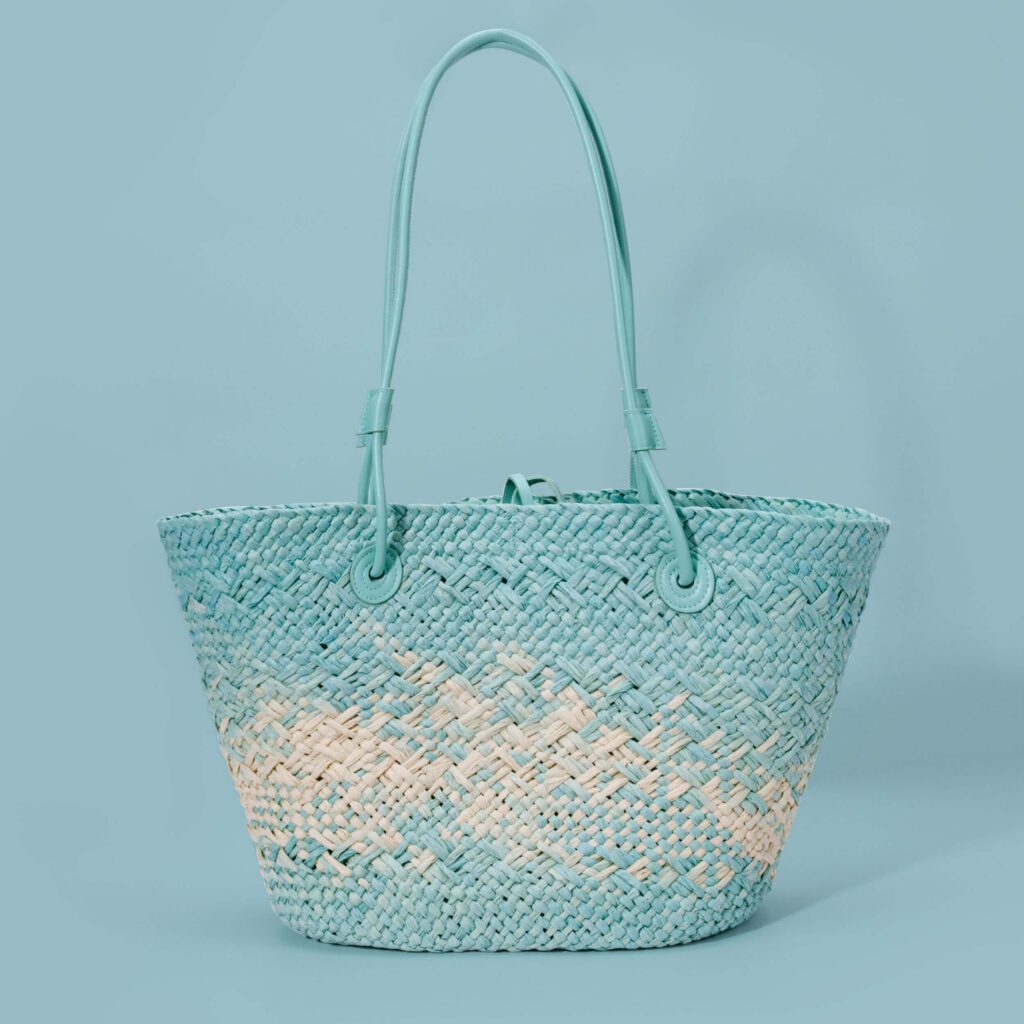
Custom Woven Paper Tote Bags Bulk | Premium Kraft, Ribbon Handle, Brand | Ready | Wholesale B2B
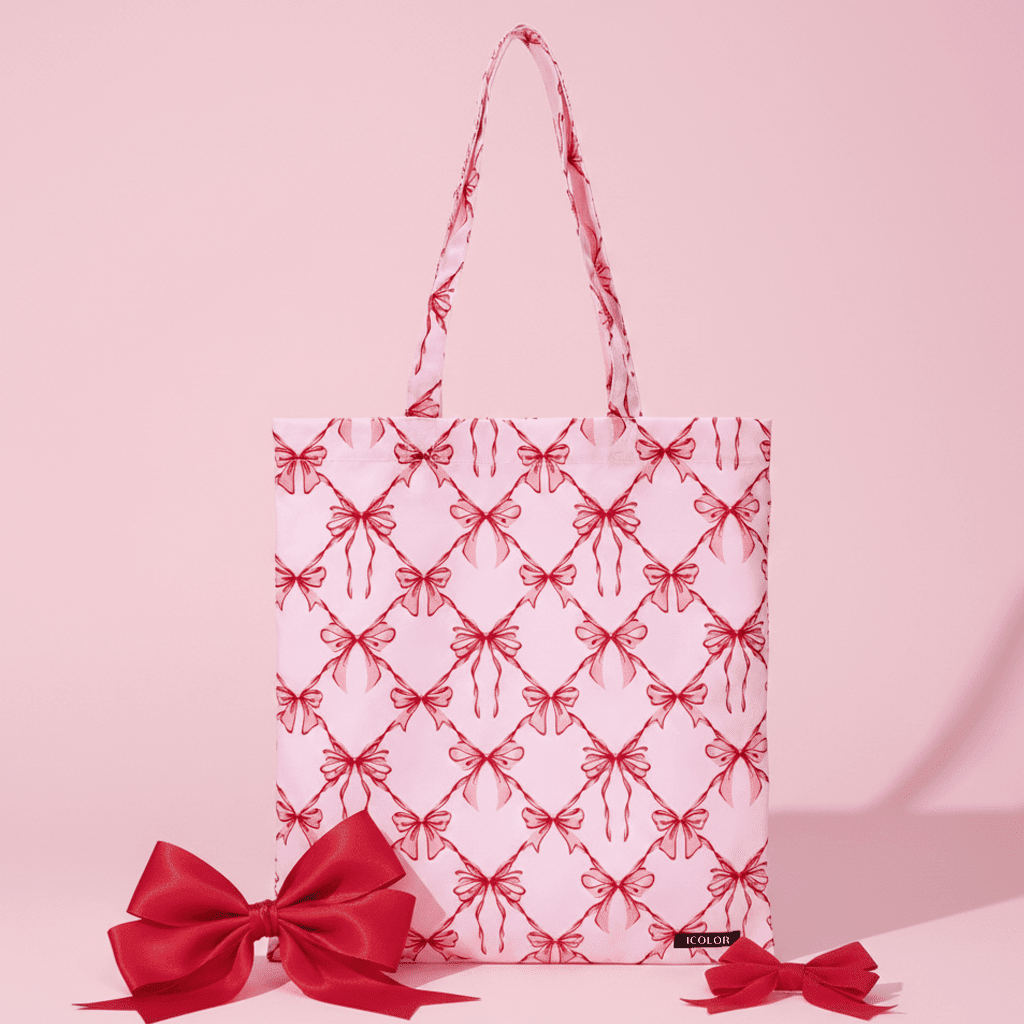
Custom rPET Tote Bag | Corporate Gift Ready | Wholesale B2B
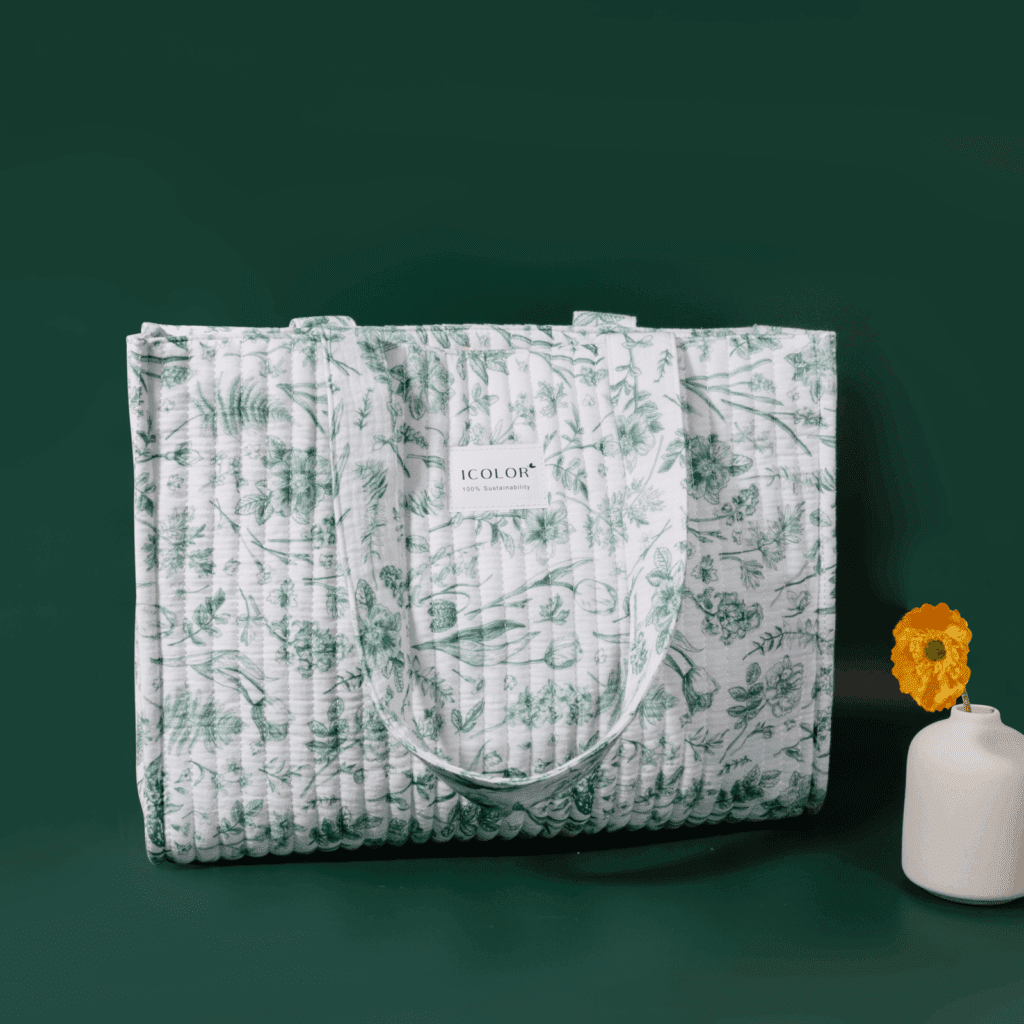
Custom Cotton Gauze Tote Bags Bulk | Natural, Wellness & Beauty Brand Ready | Wholesale B2B
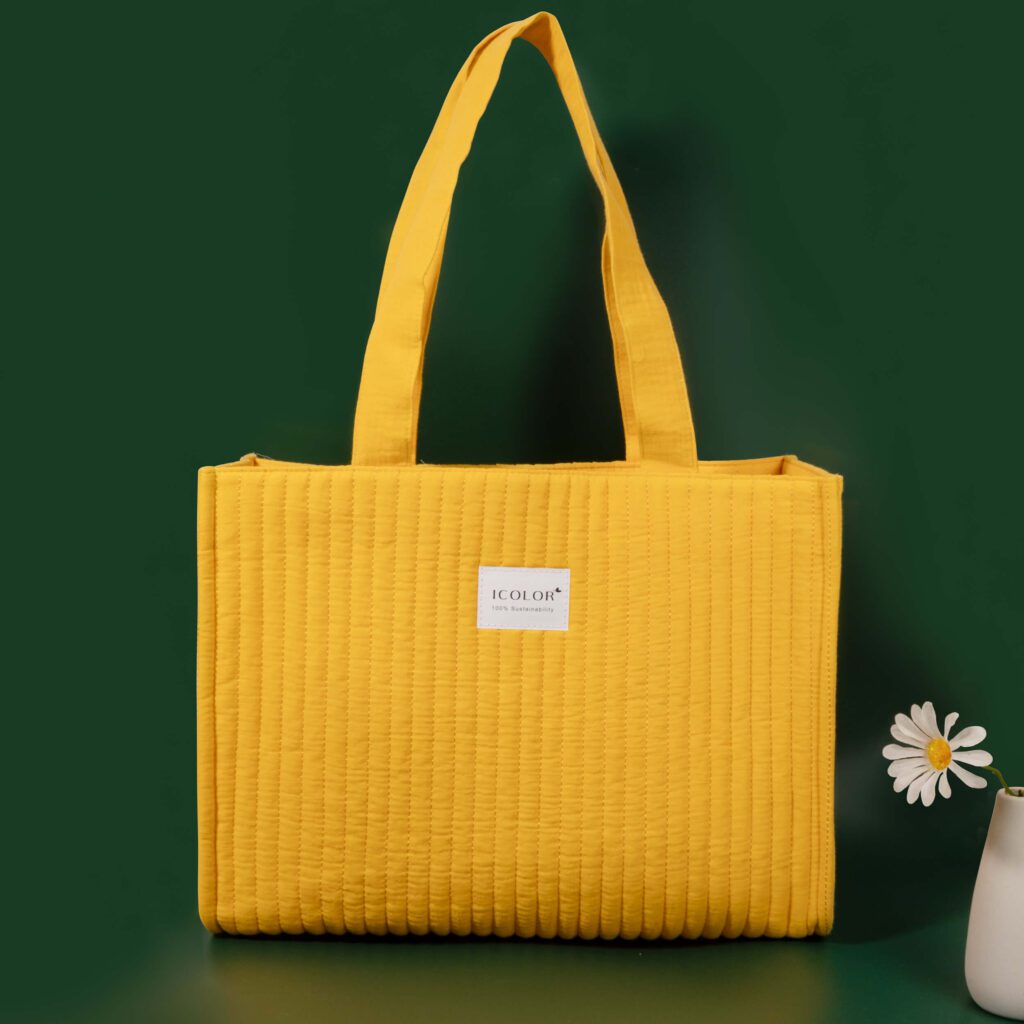
Custom Cotton Gauze Beach Tote Bags Bulk | Airy, Stylish, Brand | Ready | Wholesale B2B Factory
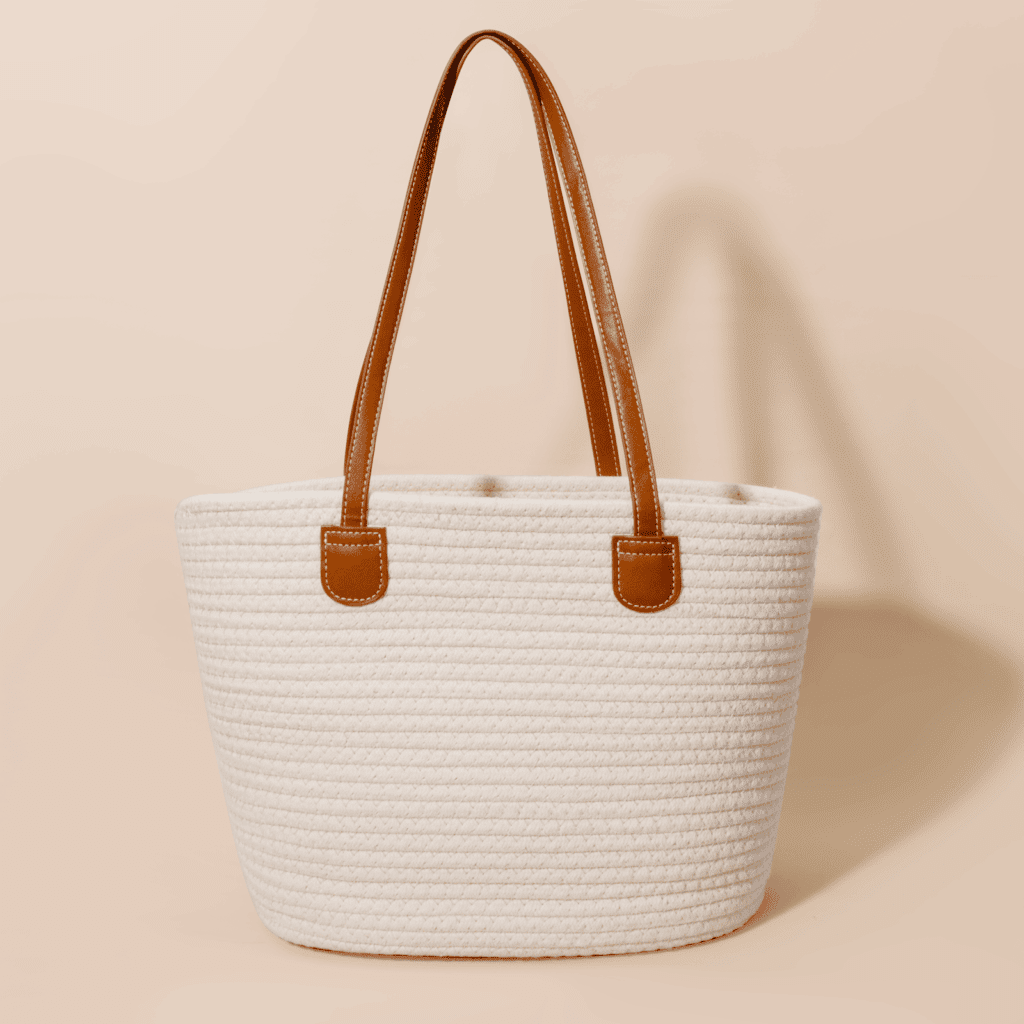
Custom Cotton Tote Bag | Branded Design | Wholesale B2B
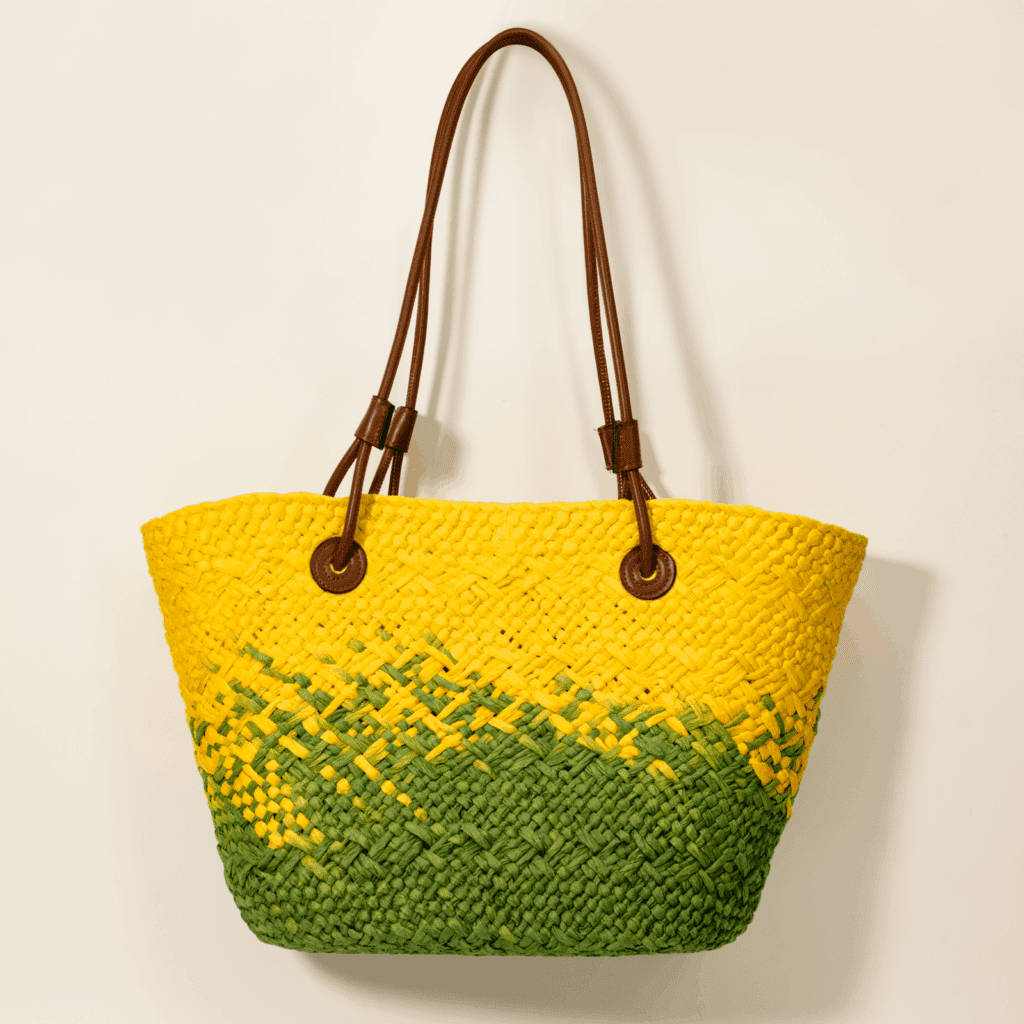
Custom Woven Paper Straw Tote Bags Bulk | Recyclable, Print | Ready, Retail Packaging | Wholesale B2B
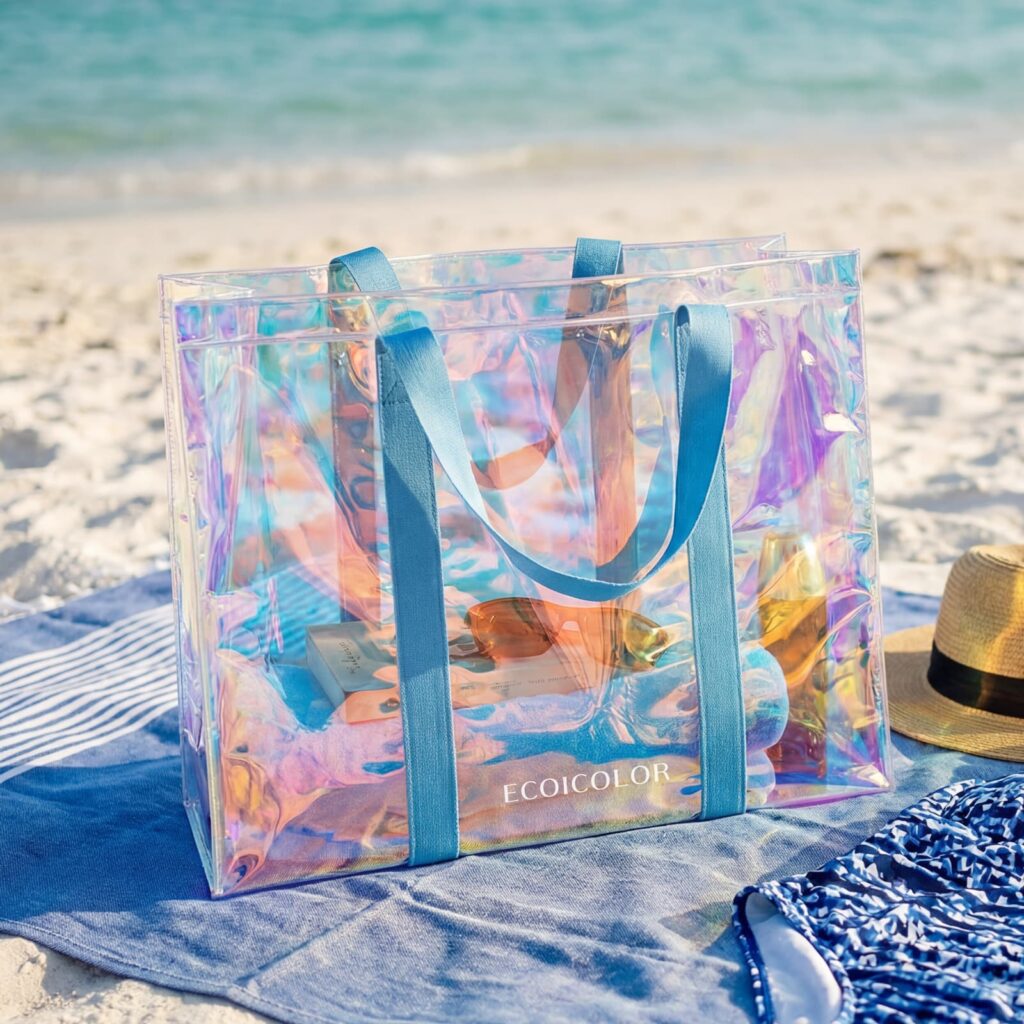
Transparent TPU Tote Bag | Custom Logo | MOQ 500
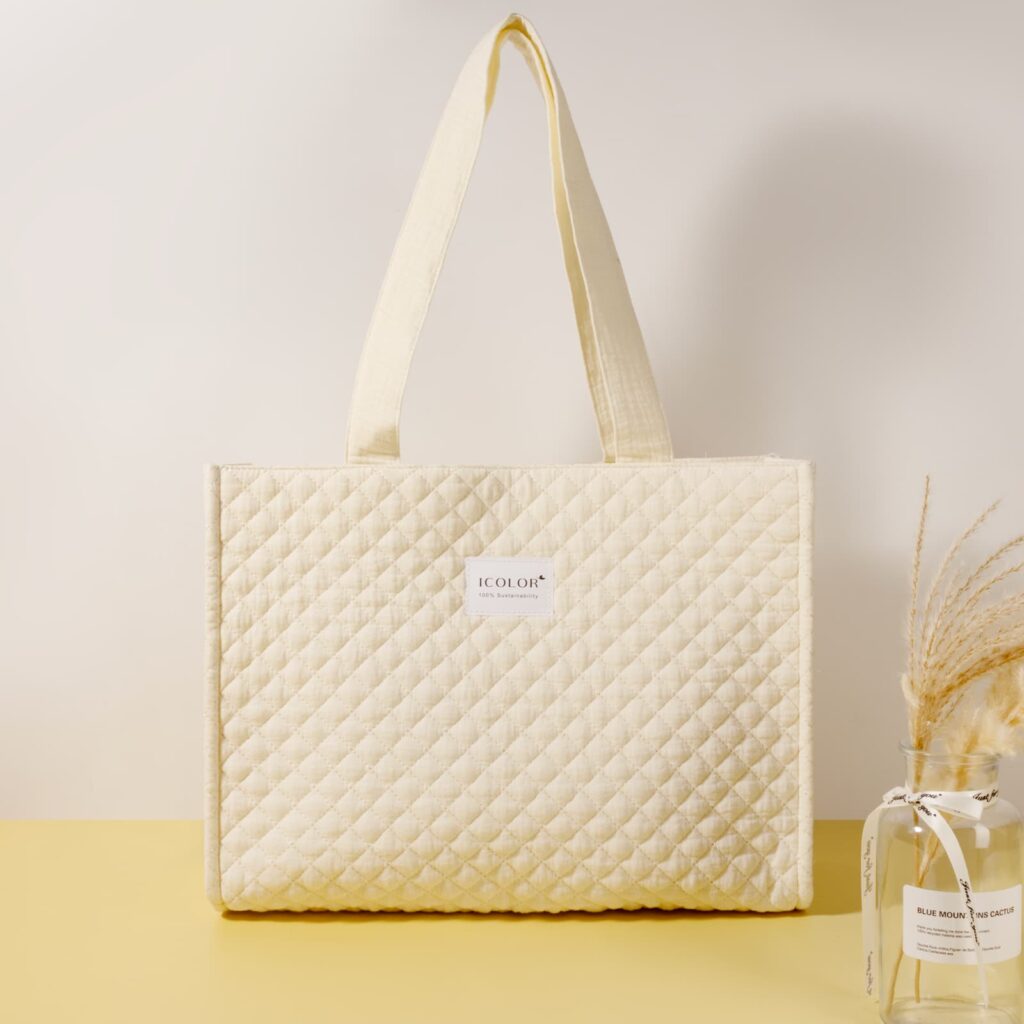
Custom Cotton Gauze Tote Bags Bulk | Breathable, Boho | Chic, Fashion Brand Ready | Wholesale B2B
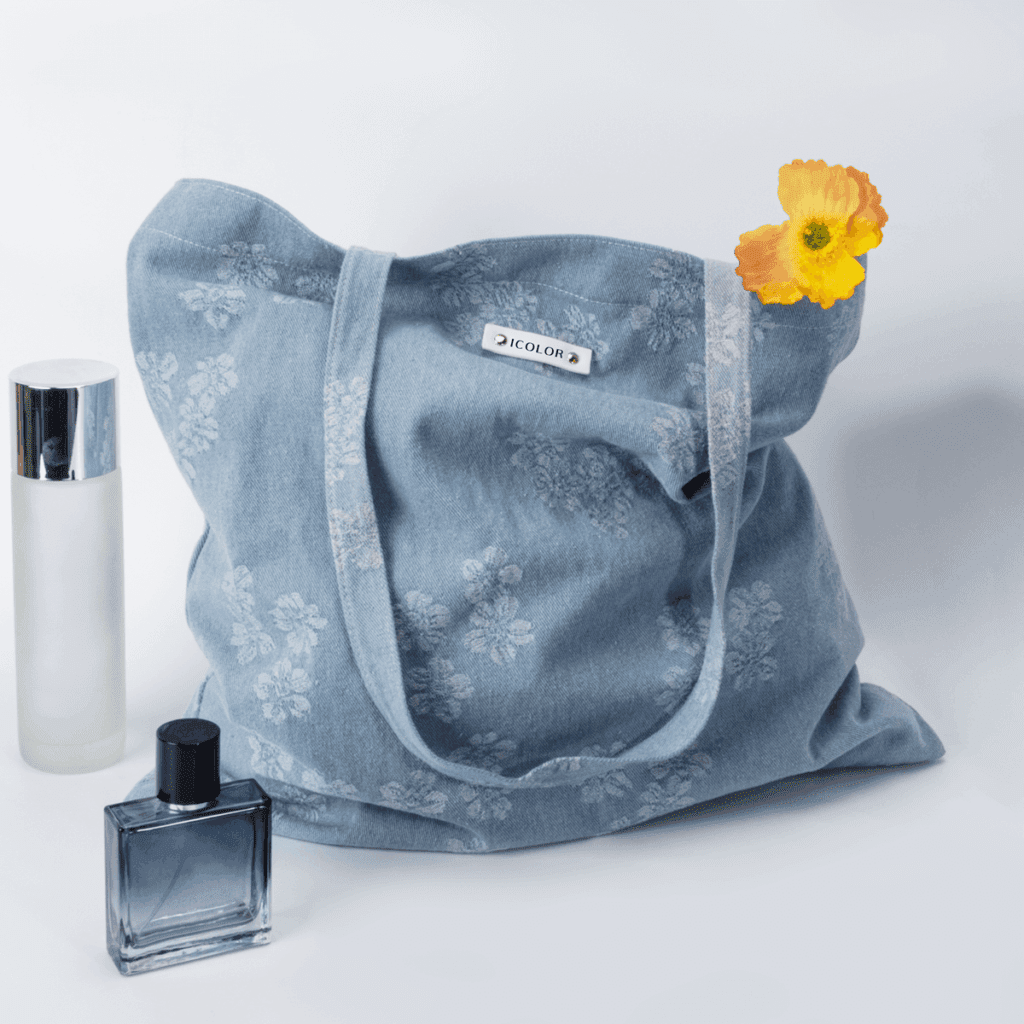
Custom Lightweight Cotton Tote Bags Bulk | Foldable, Event & Promo Ready | Wholesale B2B
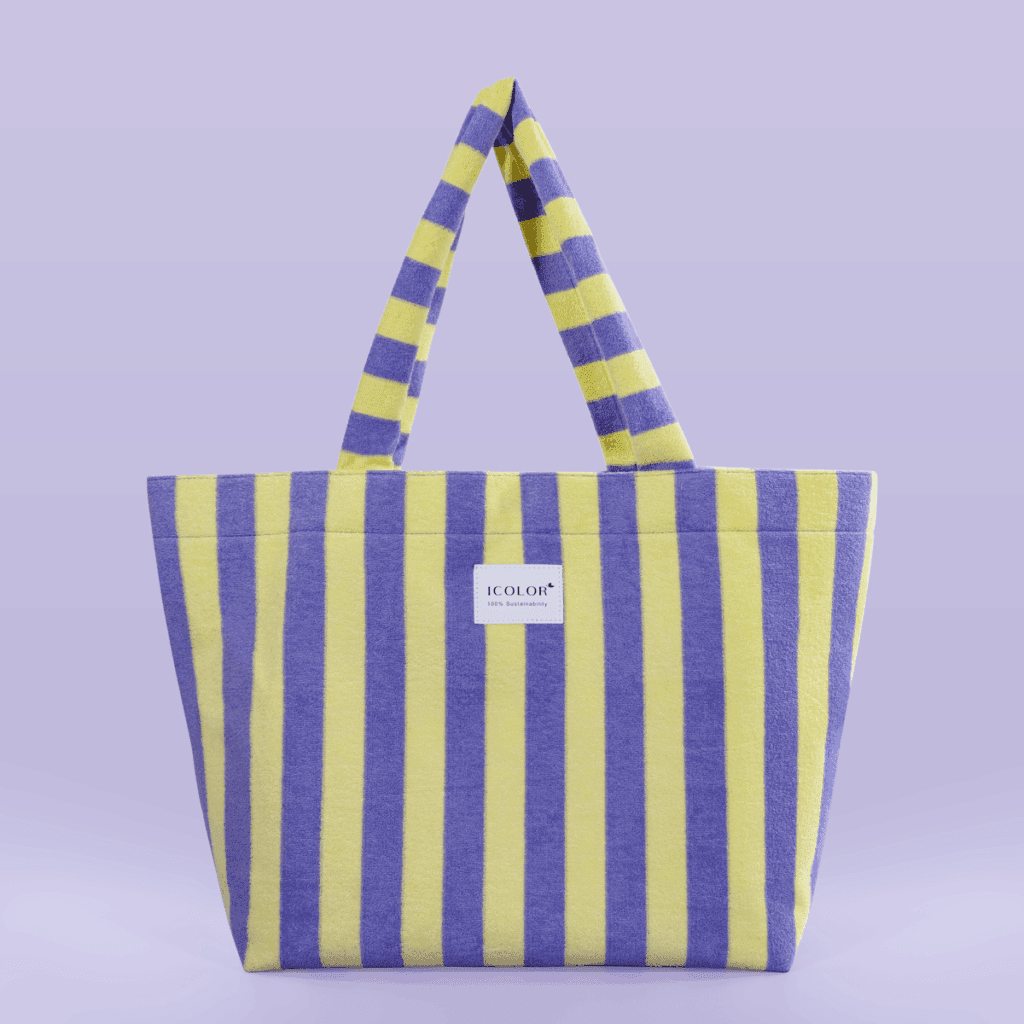
Custom CVC Cotton Towel Tote Bags Bulk | Spa, Wellness & Beauty Brand Ready | Wholesale B2B
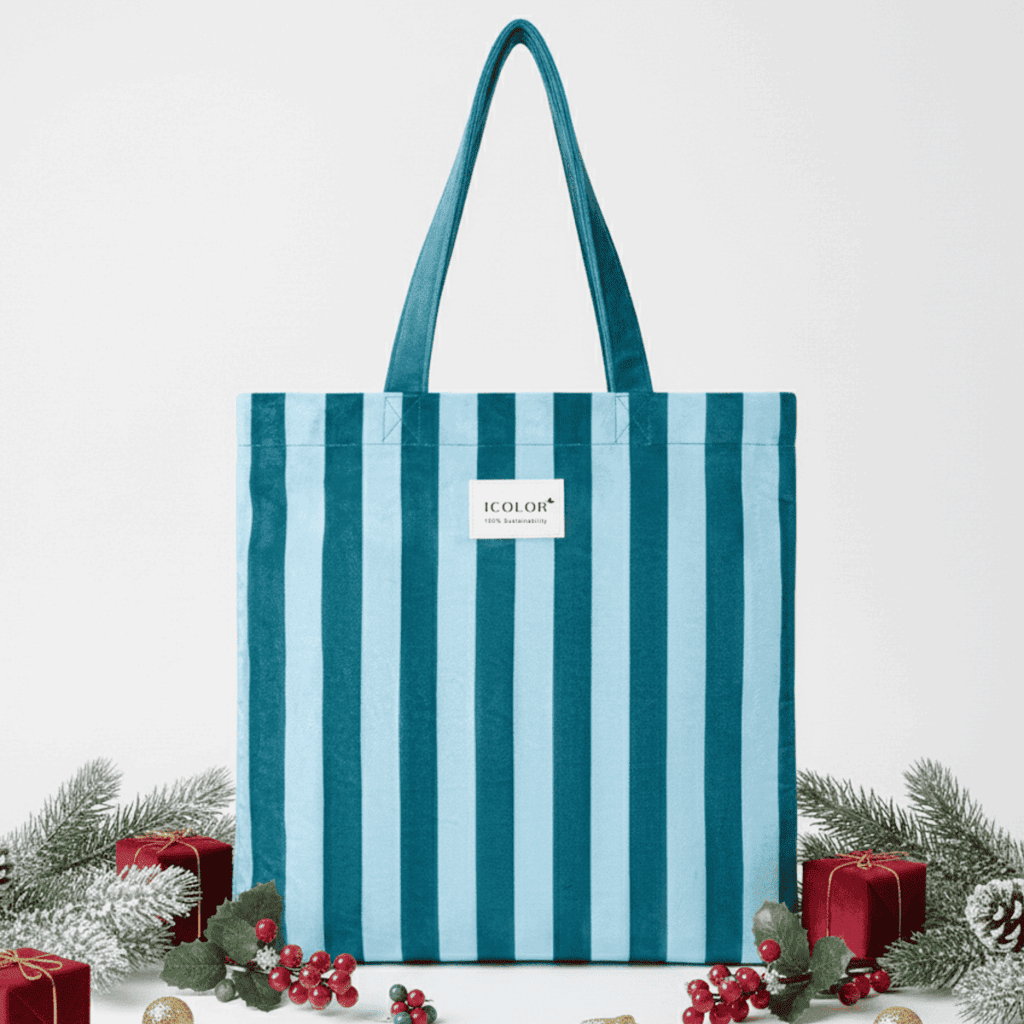
Custom Recycled Velvet Tote Bags Bulk | Soft Touch, Elegant, Sustainable | Wholesale B2B
Prepare the structure before approving the sample
Use these guides to confirm gussets, hard inserts, folding method and carton volume before the structure becomes the freight budget.
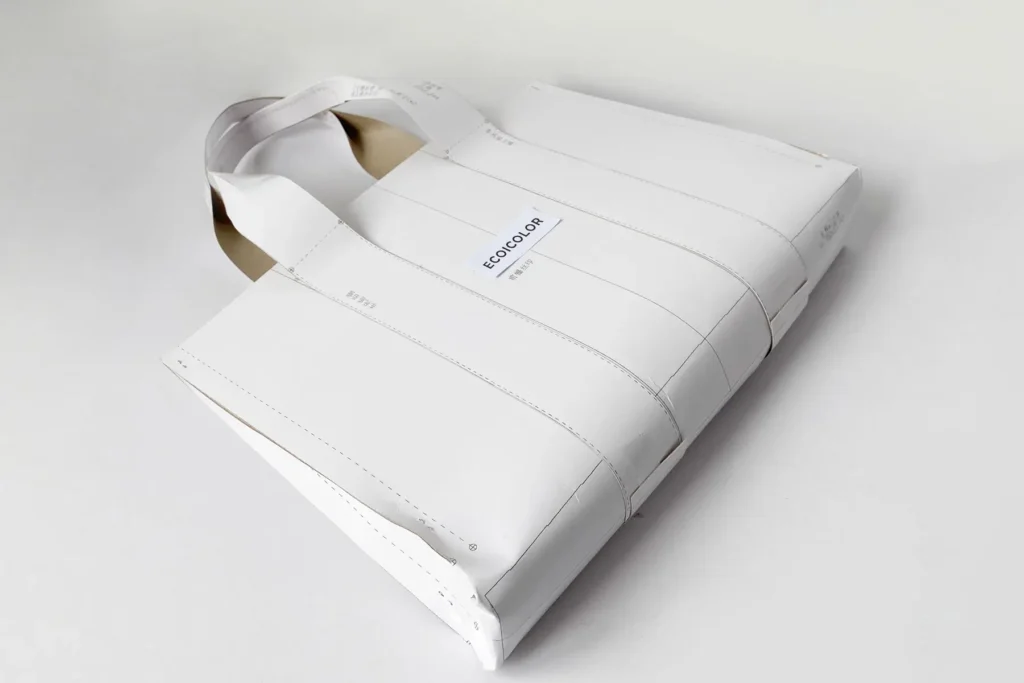
Side-Gusset Tote Packing: When a Hard Insert Changes Freight Cost
See how a hard insert changed one side-gusset tote from 25 to 15 pcs per 52 x 40 x 40 cm carton,...
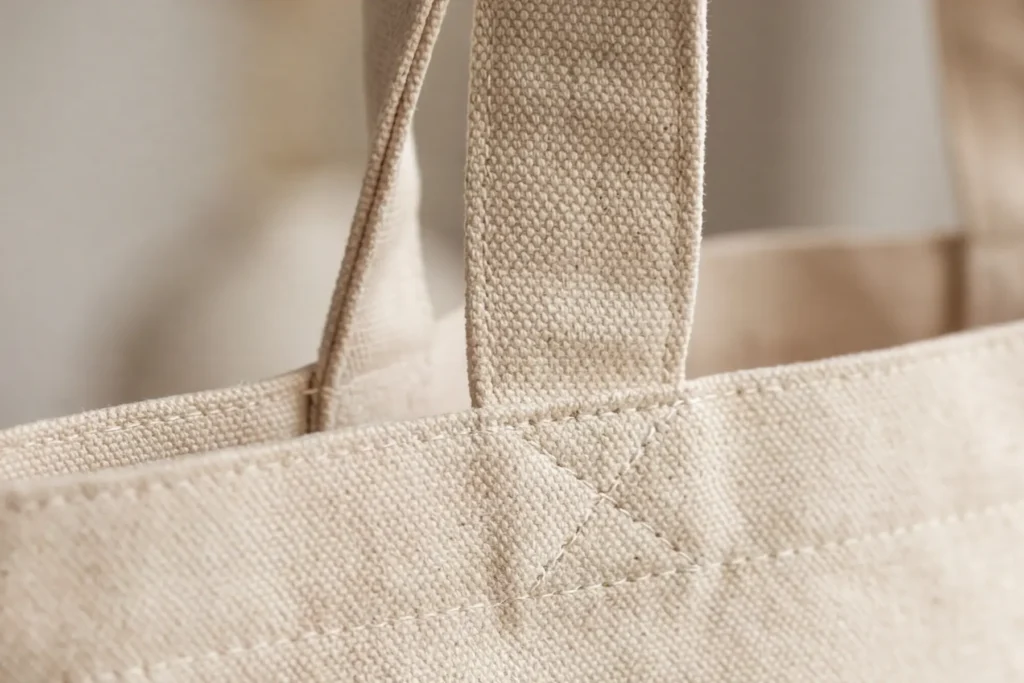
Custom Tote Bag Structure Guide: Handles, Gussets, Closures
Custom tote bag structure details decide whether a bag only looks right in a mockup or actually works for the buyer’s project....
Foldable Tote Bag Packing and Carton Volume Guide
Plan foldable tote bag packing with folded size, carton volume, packed sample checks, carton marks, packing list and RFQ details for custom...
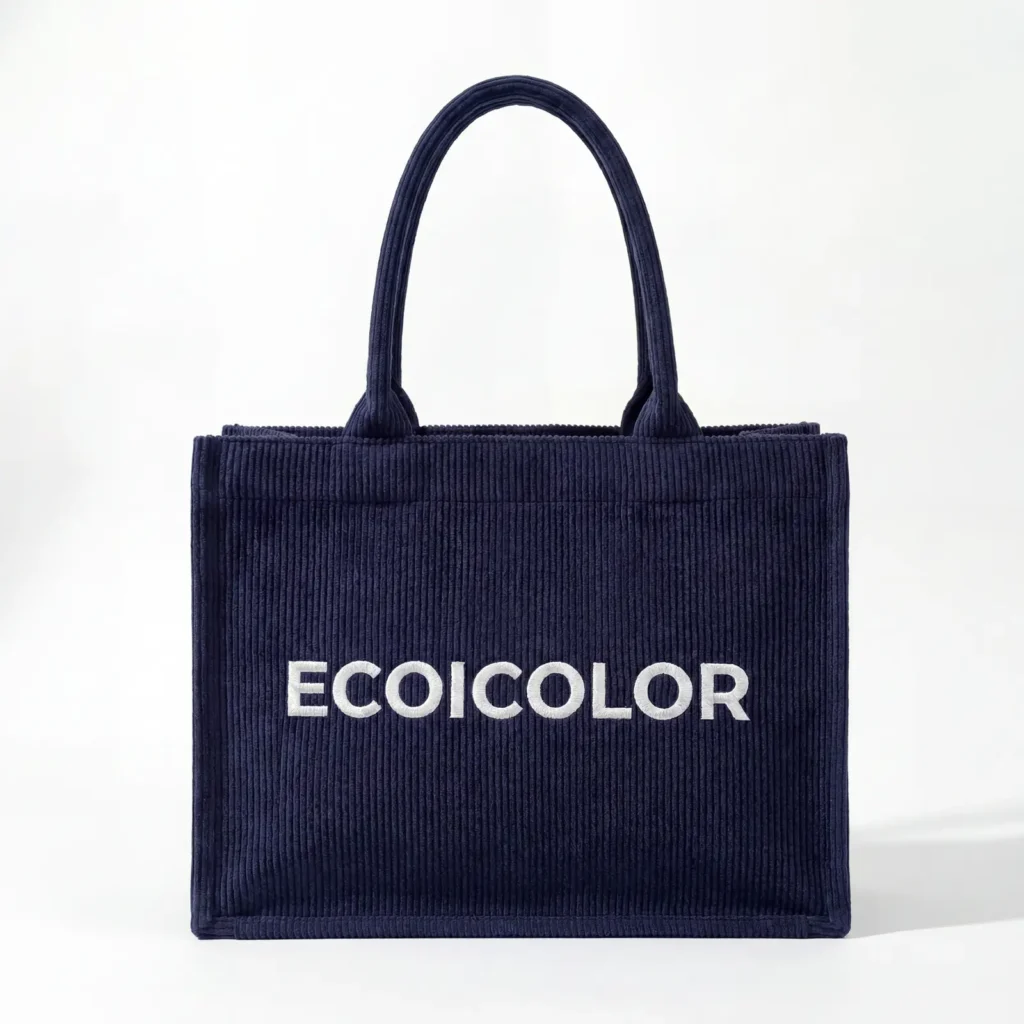
Cotton Corduroy Tote Bag: Burgundy Color and PU Logo Sample Approval
Review an 8-wale cotton corduroy tote through burgundy color sampling, 45 x 42 cm construction, a 30 cm shoulder-strap specification and an...
Retail-Ready Tote Bag Packaging and Label Guide
Custom tote bag packaging and labeling should be planned before sampling, not added after the tote looks finished. For retail, beauty GWP,...
Custom Tote Bag Load Capacity: Sample and Handle Checks
Custom tote bag load capacity should be checked with real contents, handle construction, fabric route, gusset structure and sample approval scope. From...
Frequently asked questions
Questions buyers usually ask before starting a private label specialty tote RFQ.
Q1: What is the MOQ for private label specialty totes?
MOQ starts from 500+ pcs per style for suitable custom projects. Final MOQ depends on textured fabric route, size, handle structure, logo process, trim detail, label versions, packaging scope and supplier availability. If the brief includes several colors, labels, carton versions or delivery splits, confirm the allocation before sampling.
Q2: Which specialty tote route should buyers choose first?
Start with the buyer decision that would remain if the word "specialty" were removed. If it is generic private label, a named material, foldability, capacity, closure, GWP, hotel or event use, follow that owner. Stay on this route only when unusual texture, trim, support or pack-out is the first sample decision.
Q3: Can logo artwork be printed clearly on specialty fabric?
Yes, but the artwork should be checked against the selected specialty surface. Screen printing, heat transfer, woven labels, patches or trim details may perform differently by fabric finish, coating, color contrast and artwork detail. A physical sample is recommended before bulk approval so logo scale, edge clarity and bonding can be checked.
Q4: How long does sampling and bulk production usually take?
Sampling and bulk timing are quoted after the material route, trim, sample scope, quantity, packaging, document scope and delivery market are confirmed. A quote should distinguish sample timing from bulk timing and should not be treated as a guaranteed arrival date until the delivery basis and final approvals are recorded.
Q5: How should recycled material and document wording be handled?
Recycled material story, GRS-related wording, hangtag text and ecommerce copy should be reviewed as document-scope questions before printing. Final wording depends on selected material, supplier chain, order scope, destination-market requirements and available documentation. Buyers should confirm approved wording before artwork, barcode labels or retail packaging are finalized.
Q6: Are sample fees credited against the bulk order?
Sample fees depend on material, size, logo process, lining, packaging sample and customization complexity. The final sample fee structure is shared in the RFQ reply before sampling starts, and qualified bulk orders may credit sample fees when confirmed in writing.
Q7: How is this different from canvas or recycled cotton tote routes?
Specialty routes emphasize construction, texture, trim detail, seasonal presentation and sample review. Canvas routes usually suit standard retail structure, recycled cotton routes focus on reclaimed-fiber handfeel, and custom logo routes start from artwork placement or print behavior. Buyers should choose the route based on product story, desired handfeel, label scope, packaging presentation and sample result.
Sources and planning notes
- MOQ note: MOQ 500+ refers to suitable custom B2B projects per style. Final feasibility depends on material route, color count, logo process, packaging scope and delivery requirements. ↩
- Lead time note: Lead time should be reviewed by project after sample scope, material availability, logo process, packaging needs, quantity and delivery window are confirmed. ↩
- GRS note: GRS references are document-scope prompts for selected recycled material routes, not automatic product claims for every tote project. ↩
- Barcode note: Barcode planning should be confirmed with the buyer's label system, retail channel and carton-mark requirements before sampling. ↩
- Claim wording note: Environmental wording should stay tied to confirmed material, supplier-chain and document scope before quotation or printing. ↩
- Sampling note: Sample review should confirm handfeel, size, logo scale, label position, packaging, document scope and approval timing before bulk production planning. ↩
Trademark notice: All third-party trademarks, certification names, retailer references and product-category references mentioned remain the property of their respective owners. References are included for industry context, buyer education and sourcing discussion only. Ecoicolortote does not claim endorsement, partnership, certification coverage, retailer approval or product approval unless confirmed in the specific project documentation, quote record and order file clearly.
Ready to Start Your Custom Tote Bag Order?
What happens after your brief:
Material recommendation based on your use case | Estimated pricing for your target quantity | Sample timing and production route review
No commitment required. No spam. Just a detailed, honest proposal.