Zoe Yu
Buyer Summary
For MOQ 500+ retail store opening tote bags, buyers should lock logo files, material route, packaging, hangtag or barcode needs, sample approval owner and launch-window delivery before bulk production. Ecoicolortote does not have a named retail store opening customer case, so this article transfers GWP and private label tote workflow into a practical launch checklist for branded retail teams.
Quick answer for retail store opening tote planning
For retail store opening tote bags, lock the launch use, logo file, MOQ target, material route, packaging, sample approval owner and store delivery window before bulk production. The tote should be planned as part of the launch experience, not only as a bag spec, because opening-week timing, staff handoff and retail presentation all affect the quote and sample route.
How is this different from private label tote and reorder planning pages?
Retail store opening tote bags sit between private label product sourcing and launch campaign operations. The private label totes product page explains the broader product route for retail brands. The private label tote bags for retail brands article covers MOQ, materials and timeline at a general sourcing level. The seasonal reorder planning article is for repeat programs after the first launch. This article focuses on first-store or new-store opening: logo readiness, material choice, opening quantity, store display, packaging and launch-date delivery.
If the buyer is still choosing the core private label product line, start with the product page. If the buyer has a fixed store opening date and needs tote bags to support opening gifts, VIP shopping moments, in-store merchandising or staff-assisted customer handoff, use this route to prepare a clearer RFQ.
Why retail store opening totes need a launch file, not only a bag spec
A store opening tote is part of the buyer's first physical brand impression. The tote may carry a purchase gift, opening invitation, product insert, tissue wrap, hangtag, coupon card or VIP customer note. The bag needs to match the store identity, survive handling, look clean near the counter and arrive before staff training or soft opening. A simple bag spec can miss those operational details.
Jolian confirmed that Ecoicolortote has not handled a specific retail store opening tote case that should be claimed here. The useful Insight is that buyers often ask first about logo, MOQ and material. Those three questions should be answered before the factory discusses packaging, carton labels and delivery timing, because each one changes price, sampling and production control.
What should be in the store opening tote brief?
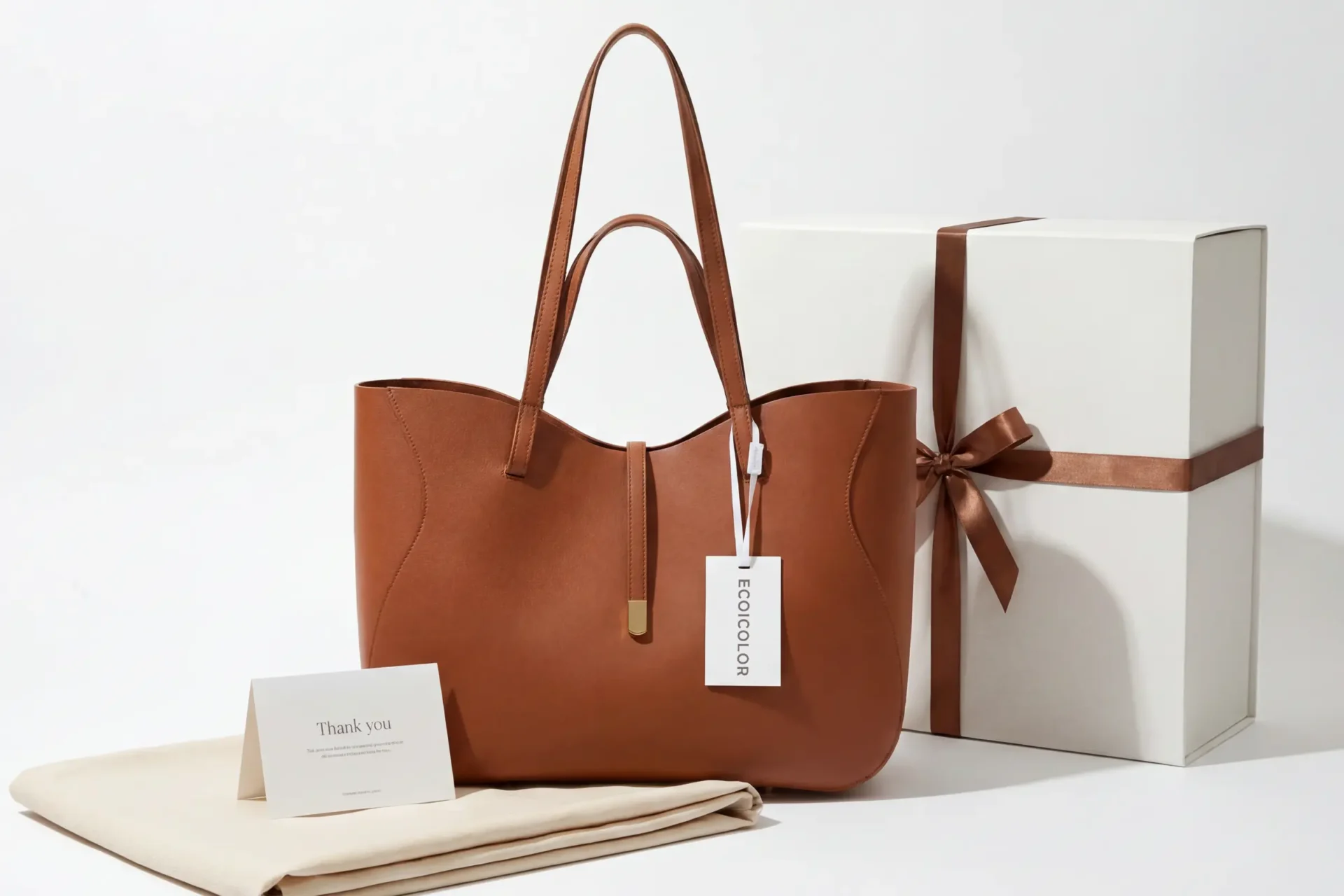
The opening brief should connect brand, store, quantity, tote use, logo method, material choice, packaging, sample approval and delivery date. A retail buyer may know the total order quantity but not yet know whether the tote is a gift with purchase, first-day shopper gift, VIP launch gift, staff kit bag or retail-ready product. Those differences change the material, handle, logo, packaging and carton plan.
| Brief field | Why it matters | What to send |
|---|---|---|
| Store opening use | Defines quality and presentation level | Customer gift, VIP event, retail item, staff kit or purchase gift |
| Logo plan | Controls artwork setup and sample approval | Vector file, placement, color reference, print size and approval owner |
| MOQ target | Controls cost, material route and production setup | Total quantity, store split, reserve stock and reorder intent |
| Material route | Controls handfeel, structure and retail positioning | Cotton canvas, recycled cotton, rPET, laminated look or structured fabric target |
| Packaging | Controls store handoff and warehouse work | Hangtag, sleeve, polybag, barcode, carton marks and store delivery date |
For structured barcode and retail item discussions, GS1 barcode standards provide the common identification framework used in retail supply chains1. Not every opening tote needs a barcode, but buyers should decide early if leftover stock may enter store inventory.
How should buyers control logo files before sampling?
Logo is usually the first question in a retail opening tote project. Buyers should send final vector artwork, approved brand color, logo size, placement, print method preference and whether the store team allows any production adjustment. If old logo files, social media artwork and packaging artwork are mixed in the same email thread, the supplier may prepare the wrong sample file.
Use logo file requirements for custom tote bags and logo placement on custom tote bags before sampling. If color is important, Pantone references help align color discussion between design approval and production review2, but the buyer should still approve the actual sample because fabric and print method affect the final look.
How should MOQ and material be chosen for a store opening?
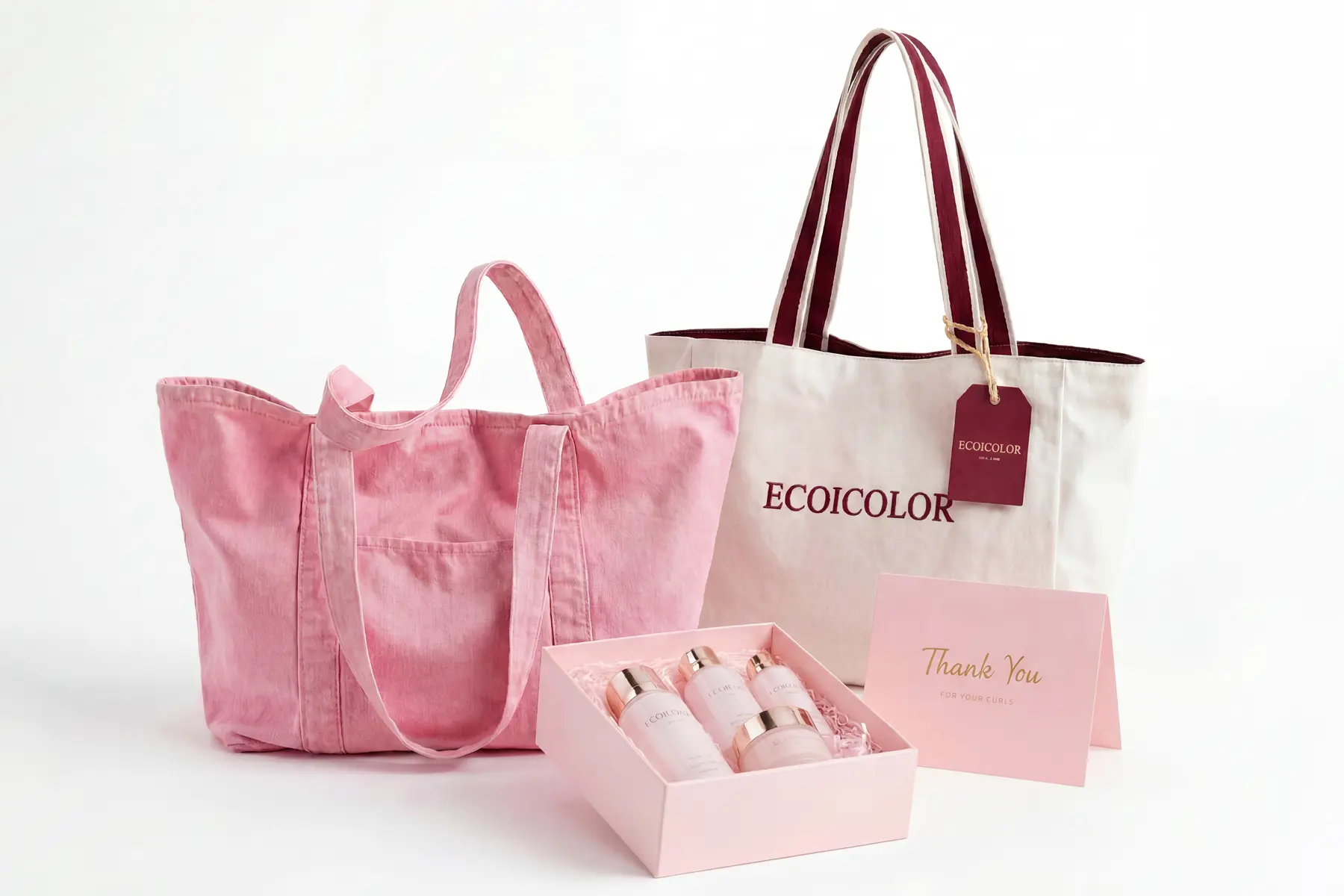
MOQ and material should be decided together. MOQ 500+ may work for a focused opening gift, while larger openings or multi-store launches need store split and reserve stock planning. Cotton canvas can feel familiar and sturdy, recycled cotton can support a material story, and rPET can fit campaigns that need a recycled polyester route. The buyer should not choose material only from a photo because handfeel, structure and logo result matter.
For base quantity decisions, review custom tote bag MOQ and lead time. For material choices, review Ecoicolortote materials. If inspection is required before shipment, ISO 2859-1 is commonly referenced for sampling inspection discussions3, while the actual checklist should still cover stitching, handle strength, logo clarity, packaging and carton quantity.
What packaging details matter for store opening tote bags?
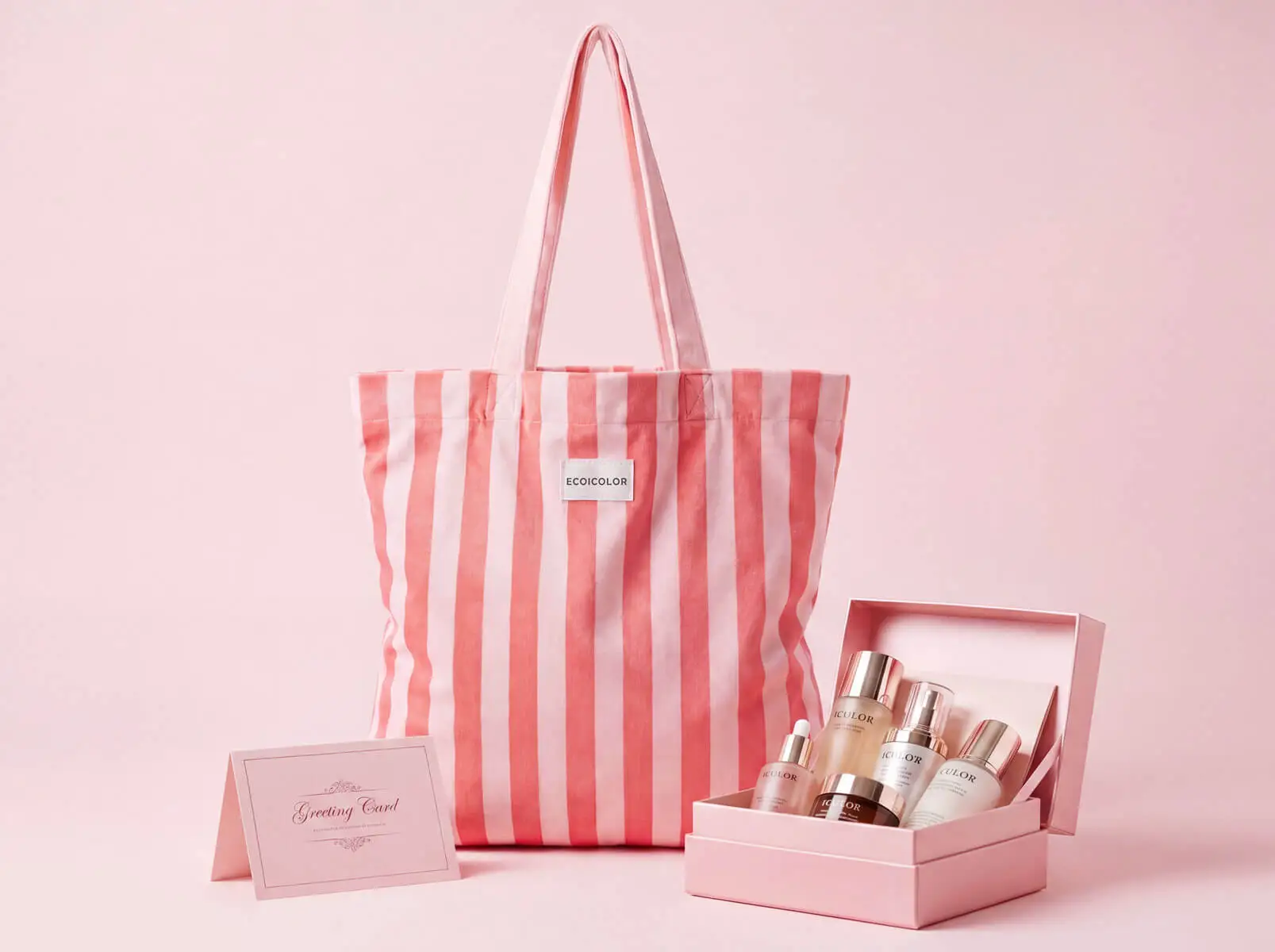
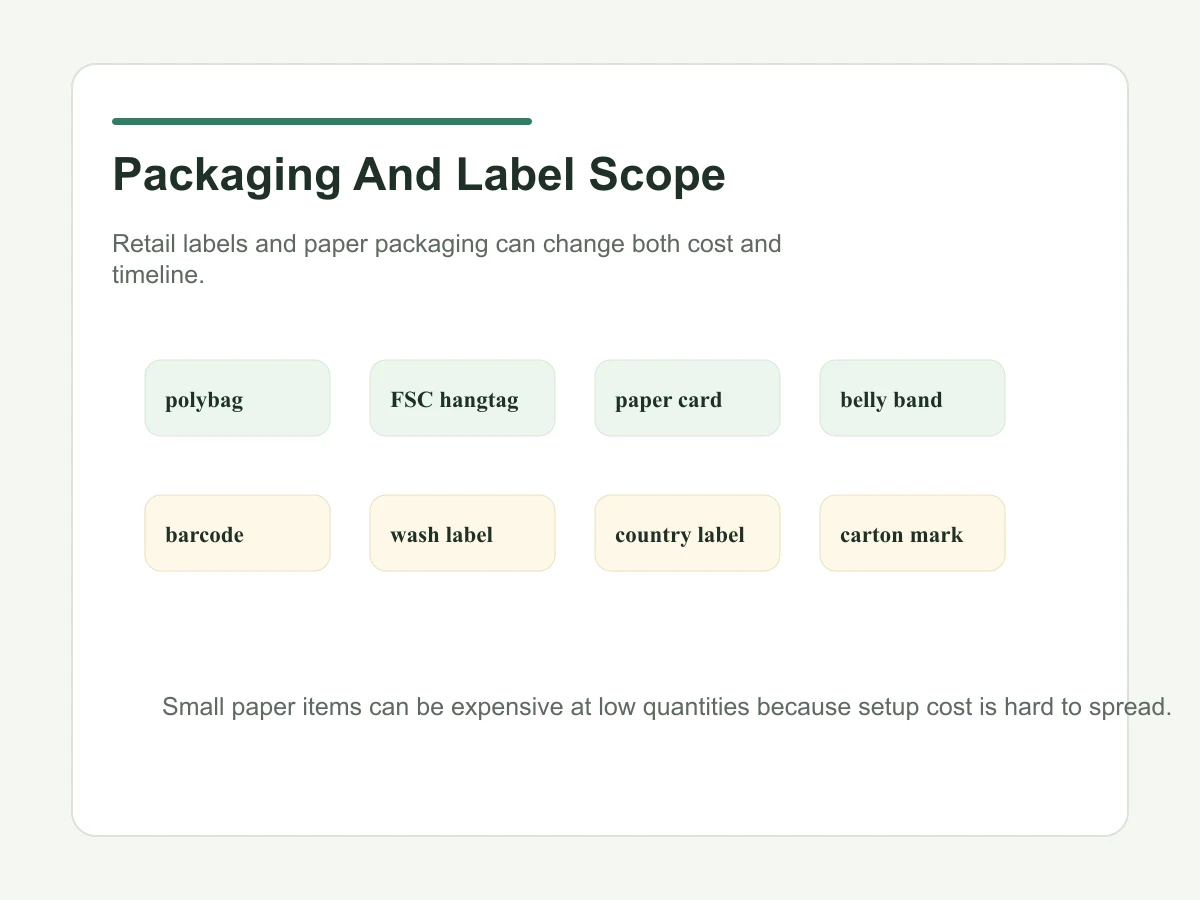
Packaging should match how staff will use the tote during opening week. A VIP gift may need a clean folded presentation, tissue wrap or hangtag. A store giveaway may need simple carton separation by day or counter area. A retail-ready tote may need barcode, hangtag, care label, carton mark and quantity per carton. The packaging route should be chosen before the final quote because it affects labor, material and packing time.
For label systems, use custom tote bag packaging and labeling and custom tote bag packaging options. If logistics labels are needed, GS1 logistic label guidance explains how logistics units can be identified in movement4.
What should buyers approve on the retail opening tote sample?
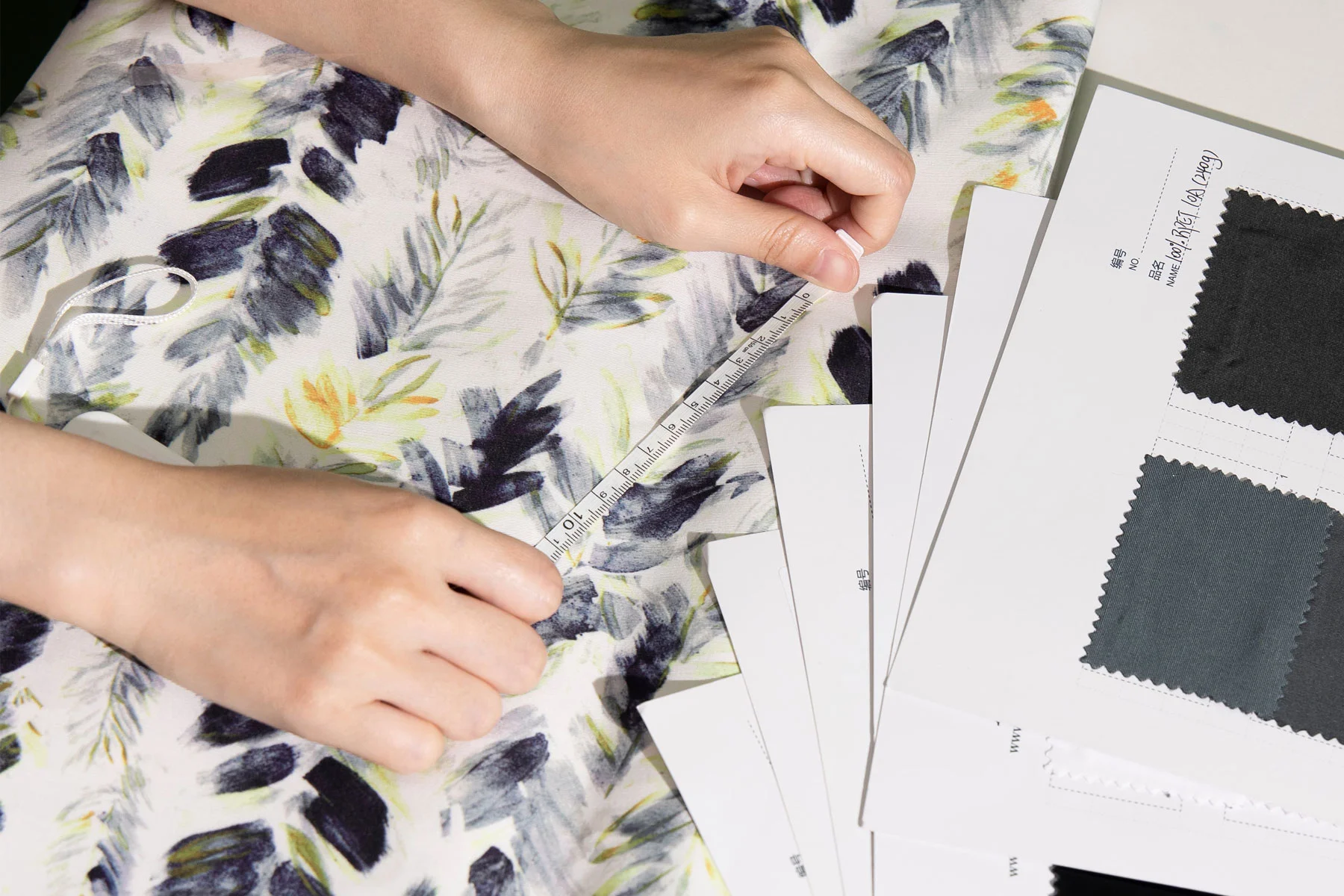
The sample should confirm material handfeel, tote size, handle drop, logo placement, print result, color direction, stitching, folded shape, hangtag position and packed presentation. If the tote will be placed near the store counter or given with a purchase, the buyer should review how it looks when folded, opened and held with typical products inside. A clean sample approval file reduces late comments from retail, marketing and operations teams.
For sample review, use custom tote bag sample evaluation. Standard sample fees can normally be credited or refunded against qualified bulk orders of 1,000 pieces or more, but special mold, metal plate or hardware tooling fees should be confirmed separately because they may not be refundable.
When should retail opening tote details be frozen?
Freeze logo and material before sampling, packaging before final quote, and store split before bulk packing. Sample timing is confirmed after the material, construction, logo method, artwork, packaging and approval scope are clear; the working schedule also depends on revision speed and current capacity. Bulk production timing is confirmed after sample approval, based on material availability, process complexity, quantity, packaging, delivery plan and current capacity. Buyers should add buffer for brand approval, store staff training, launch display setup, freight booking and opening-week reserve stock.
For shipment responsibility terms, ICC Incoterms rules provide common language for international trade responsibilities5. For handling marks, ISO 780 covers pictorial marking for handling packaged goods6. These standards do not replace the buyer's store-level receiving file, but they help keep logistics language clear.
Best fit for this retail store opening tote route
This route is best for private label retail teams, DTC brands opening a physical store, boutique retail groups, merchandising managers, store operations leads, launch marketing teams and GWP buyers adapting gift campaign workflows to retail openings. It fits MOQ 500+ projects with a real brand, approved logo direction, opening date, material preference, sample-first workflow, packaging expectation and delivery window. It is especially useful when the tote must support a first purchase gift, VIP opening event, staff-assisted counter handoff, retail-ready display or opening-week reserve stock. It also helps teams that need one launch file shared by marketing, retail operations, procurement, design and the supplier.
Less suitable fit for this retail store opening tote route
This route is less suitable for one-piece personal gifts, blank wholesale shopping bags, lowest-price-only quote requests, urgent openings with no sample time, or buyers who cannot provide final logo files before production. It is also not the right route for a mature seasonal reorder where the SKU, packaging, carton marks and store split are already approved. Those repeat programs should use reorder planning instead of first-opening launch planning, especially when no new store presentation or staff handoff decision is needed.
What should buyers send before requesting a retail opening tote quote?
Send one RFQ file with brand name, store opening date, delivery market, total quantity, store split, reserve stock, opening use, material preference, final logo file, print size, color reference, packaging route, hangtag or barcode needs, carton mark rule, sample approval owner and target delivery window. If the tote is part of a GWP or VIP gift, specify the inserted items and packed presentation expectations.
For broader private label sourcing, start with private label totes. For material review, use materials. When the launch file is ready, send it through the Ecoicolortote contact page.
FAQ: retail store opening tote bags
What is a retail store opening tote bag?
A retail store opening tote bag is a custom tote used for a new store launch, VIP shopping moment, first-purchase gift, staff-assisted customer handoff or private label retail display. For B2B buyers, the important work is connecting logo, MOQ, material, packaging, sample approval and store opening delivery before bulk production starts.
What should buyers decide first: logo, MOQ or material?
Buyers should discuss all three together because they affect each other. Logo method changes sample setup, MOQ affects cost and production planning, and material controls handfeel, structure and retail positioning. If one item is delayed, the sample may not reflect the actual store opening use.
Can Ecoicolortote write this route without a real store-opening case?
Yes, as a planning guide. Ecoicolortote is not claiming a named retail store opening customer case here. The article transfers GWP and private label tote workflow into a store-opening checklist, using common buyer questions around logo, MOQ and material instead of invented customer history.
What MOQ should buyers expect for retail opening totes?
Ecoicolortote commonly plans custom tote projects around MOQ 500+ depending on material, logo process, packaging and order complexity. Buyers should send total quantity, store split and reserve stock intention together. If the project reaches 1,000 pieces or more, sample fee credit or refund policy can usually be discussed before sampling starts.
What packaging details matter for store opening tote bags?
Packaging details include hangtag, barcode, sleeve, folded presentation, polybag, carton mark, quantity per carton, store split and opening-week handoff point. These details should be confirmed before final quote and sample approval because packaging affects labor, material, packing time and how staff present the tote to customers.
Are sample fees refundable for retail opening totes?
For qualified bulk orders of 1,000 pieces or more, standard sample fees can normally be credited or refunded against the order value. Buyers should confirm the policy before sampling because metal plate tooling, special mold work, unusual accessories, repeated revisions or custom hardware setup may not be refundable.
How can buyers avoid launch-week delivery problems?
Buyers can avoid launch-week problems by freezing the store delivery address, contact person, delivery window, carton mark rule, reserve stock quantity and packaging format before final packing. If those details arrive after cartons are sealed, the warehouse may need to reopen goods, rebuild carton labels or delay shipment preparation.
Factory background and material route
Before sending the RFQ, buyers can review Ecoicolortote's factory background and sales team profile, compare available custom tote bag material routes, and then check the related private label totes hub. These links help keep sourcing, material claims and product route aligned before sampling.
Sources
- GS1. Barcode standards. https://www.gs1.org/standards/barcodes ↩
- Pantone. Color systems for design and production reference. https://www.pantone.com/ ↩
- ISO. ISO 2859-1 sampling procedures for inspection by attributes. https://www.iso.org/standard/85464.html ↩
- GS1. Logistic Label Guideline. https://www.gs1.org/standards/gs1-logistic-label-guideline/1-3 ↩
- International Chamber of Commerce. Incoterms rules. https://iccwbo.org/business-solutions/incoterms-rules/ ↩
- ISO. ISO 780 packaging pictorial marking for handling of goods. https://www.iso.org/standard/87246.html ↩