Zoe Yu
 Sea vs air shipping for custom tote bag projects should be decided from launch date, carton volume, order quantity, packaging size, urgent batch needs and landed-cost tolerance before production is finished. The buyer task is to choose a delivery route that protects the date without turning every tote into an air-freight emergency.
Buyer Summary
- Best for: brand, retail, event and operations buyers comparing sea, air or hybrid delivery for MOQ 500+ tote projects.
- Main decision: balance launch date, carton volume, unit value, urgent quantity, warehouse deadline and total landed cost.
- Factory-side note: air freight may protect timing for a small urgent batch, while sea freight often fits bulk replenishment or planned launches.
- What to prepare: quantity, carton estimate, deadline, destination, delivery terms, packaging size, urgent batch size and approval owner.
Quick answer for sea vs air shipping for custom tote bag projects
Sea vs air shipping decisions work best when buyers compare launch date, carton volume, urgent quantity, landed cost and delivery responsibility before final packing. The factory quote should separate bulk shipment from any urgent batch instead of assuming one route fits the whole order.
Use this guide to prepare a complete RFQ before sampling so Ecoicolortote can review quote scope, sample route, packing requirements and production timing against the real buyer task.
How is this different from MOQ, cost and split shipment articles?
Sea vs air shipping is not the same buyer job as general MOQ planning or split shipment preparation. The custom tote bag MOQ and lead time article explains sample and bulk timing. The custom tote bag cost breakdown article explains unit price factors before sampling. Packaging and labeling pages explain carton and label setup. For buyers, the practical decision is whether all units can move by sea, whether a small air batch protects the launch, or whether the full order must move by air.
If the buyer is asking "how many days does production take," start with MOQ and lead time. If the buyer is asking "which carton goes to which country," use split shipment planning. If the buyer is asking "should we pay for air or wait for sea," use this shipping decision route.
What decides sea vs air shipping?
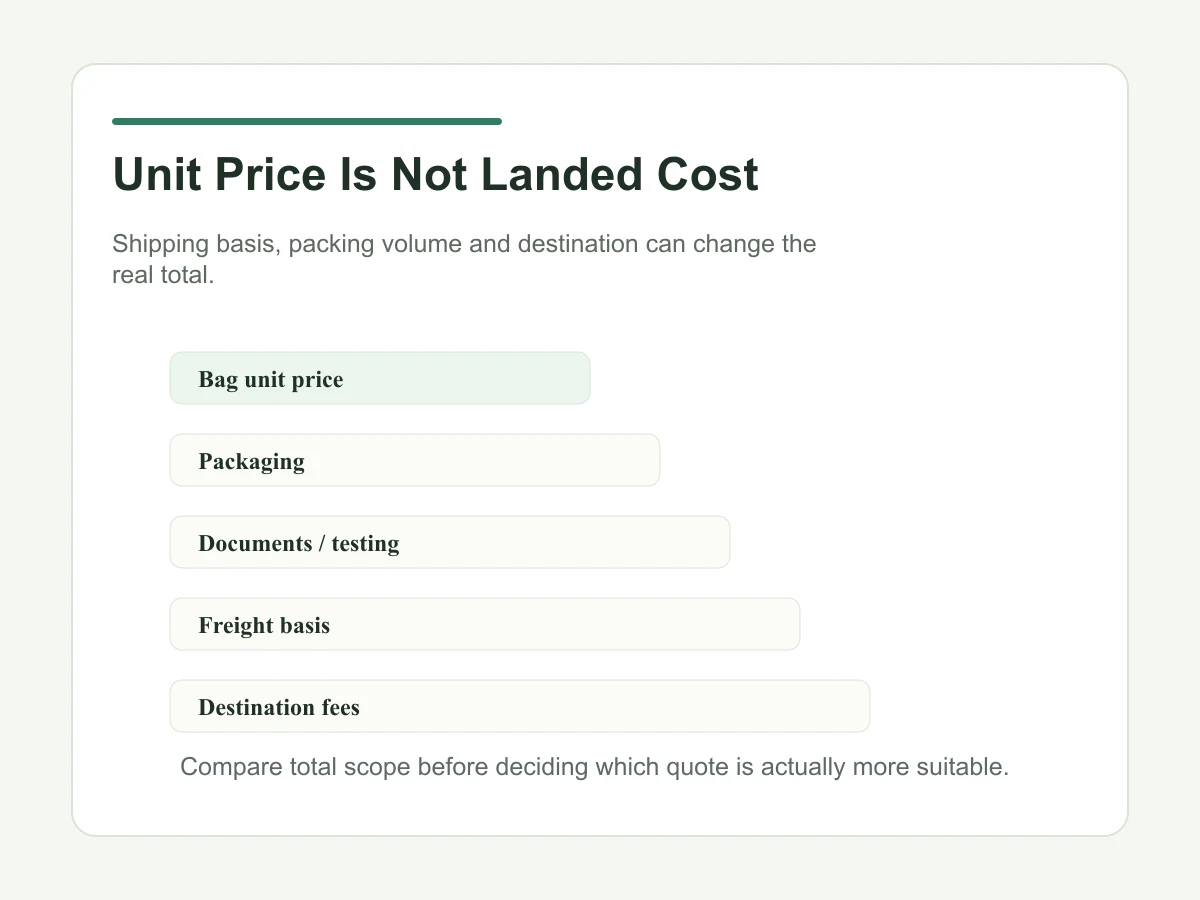
The decision should start with five questions: what is the required arrival date, how many pieces are shipping, how large are the cartons, how much margin can the project absorb, and whether the buyer needs all goods at once. Custom tote bags can become bulky even when the unit price is moderate. A low unit cost does not automatically mean low delivered cost once carton volume, shipment route and delivery deadline are included.
International delivery terms also matter. ICC Incoterms rules define common buyer and seller responsibilities in international trade1. Buyers should clarify whether Ecoicolortote is quoting goods only, delivery to a forwarder, port-level movement, or a route that includes more delivery handling.
When does sea shipping make sense for tote bags?
Sea shipping usually makes sense when the order is larger, carton volume is high, the launch calendar is known early and the buyer can plan delivery after bulk production. It is often the better route for retail programs, hotel stock, GWP campaigns, conference inventory and recurring brand projects where the buyer has enough time to approve samples, freeze packaging and book shipment without panic.
Sea shipping is not only about lower freight cost. It also supports calmer warehouse planning because full cartons can be packed, labeled and handed to the buyer's forwarder or shipping route in one planned batch. The risk is calendar discipline. If sample approval, deposit, packaging files or address confirmation slips, the sea route can become too slow for the launch date. IMO is the United Nations specialized agency responsible for shipping safety, security and marine environmental performance7.
When is air shipping worth the cost?
Air shipping can be worth the cost when arrival date has more value than freight savings. Examples include a small first batch for launch, late-approved samples for a meeting, replacement stock for an event, a VIP campaign quantity, or a partial batch that must arrive before sea-shipped bulk inventory. Air shipping should be treated as a business decision, not a default rescue plan after files are late.
IATA describes air cargo as a key mode for moving goods when speed and network reach are important2. For tote projects, buyers should use air selectively: samples, launch-critical quantities, urgent replenishment or high-value campaigns where missing the date costs more than the freight premium.
Should buyers use a hybrid sea plus air route?
A hybrid route can work well for launch programs. The buyer sends a smaller air batch for photos, retail setup, VIP recipients, event staff or pre-launch selling, then sends the main quantity by sea. This reduces the risk of missing the launch while avoiding air freight on the full order. The key is to define which quantity is launch-critical and which quantity can follow later.
Hybrid shipping requires clean carton separation. The air batch should have its own quantity, carton marks, packaging rule, inspection check and delivery contact. The sea batch should not be treated as leftover stock with unclear labels. For packaging details, review custom tote bag packaging options and custom tote bag packaging and labeling.
Why carton volume changes the shipping decision
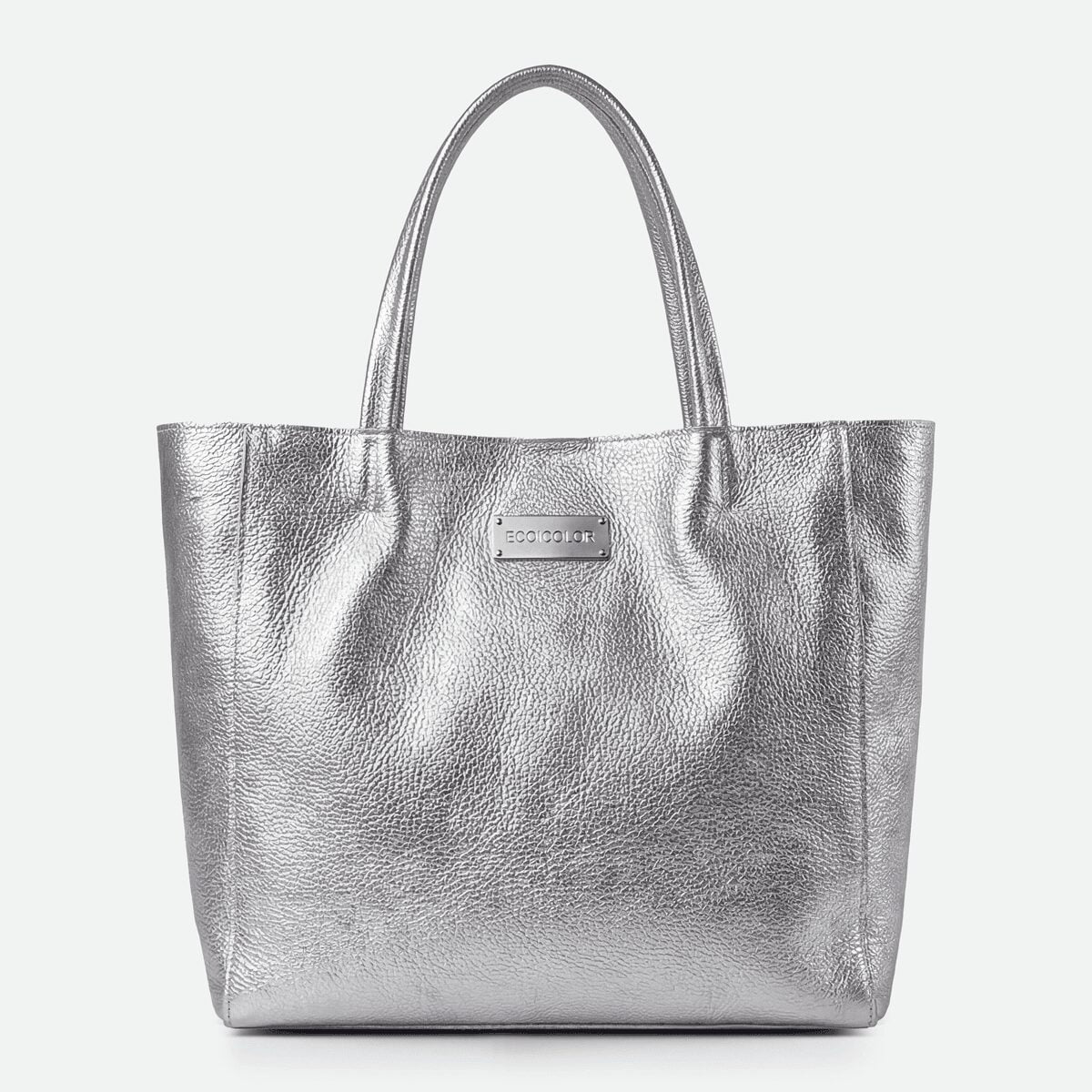
Tote bags are often light but bulky. Fabric weight, gusset, structure, folded size, individual packaging, insert cards and carton packing method can change the shipment volume. A structured tote with protective packaging may look like a simple unit cost item, but the delivered cost depends heavily on carton size and packing density.
For handling marks, ISO 780 covers pictorial marking for handling packaged goods3. For ocean container context, ISO 668 covers classification, dimensions and ratings for series 1 freight containers4. Buyers do not need container engineering knowledge for every project, but carton data should be known before choosing sea or air.
How early should shipping method be decided?
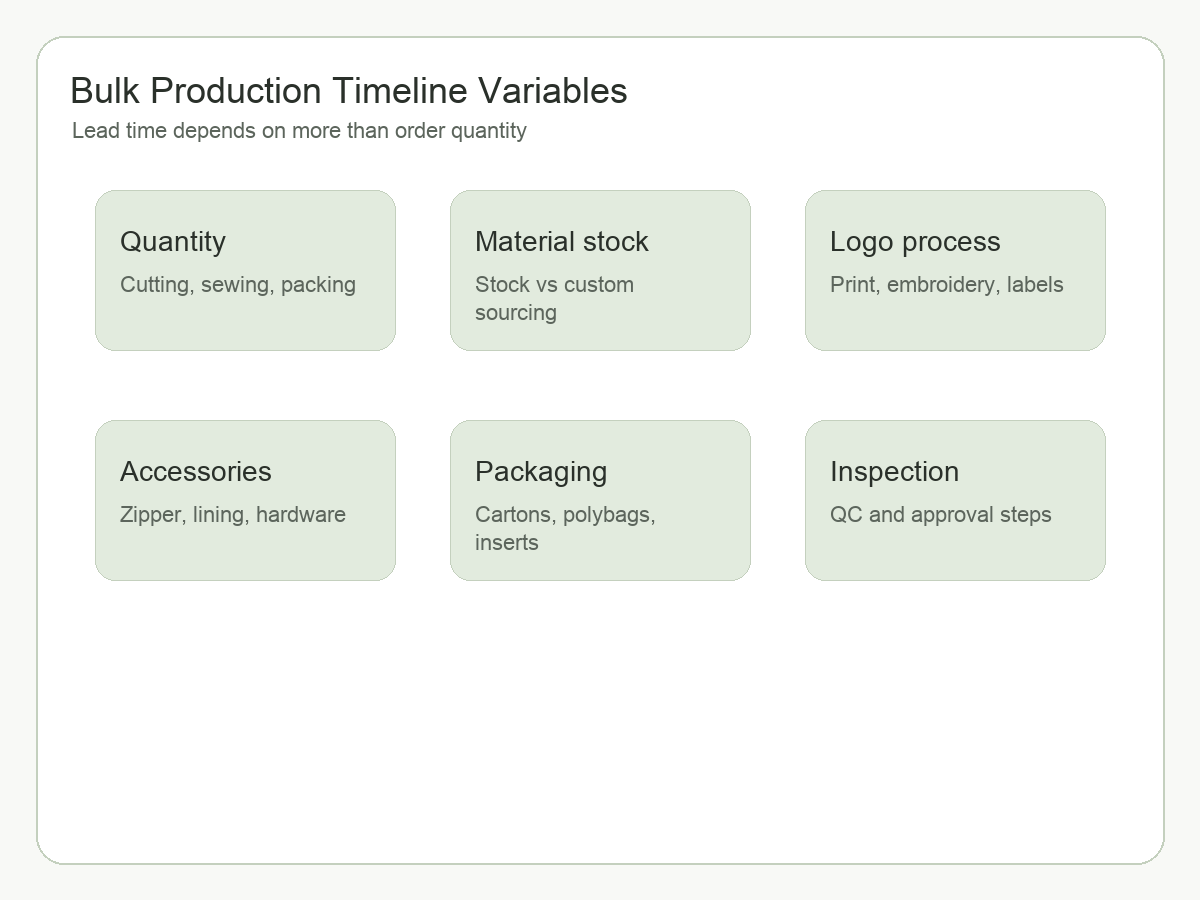
Sample timing is confirmed after the material, construction, logo method, artwork, packaging and approval scope are clear; the working schedule also depends on revision speed and current capacity. Bulk production timing is confirmed after sample approval, based on material availability, process complexity, quantity, packaging, delivery plan and current capacity. Sea or air choice should be discussed before quote approval if the launch date is fixed. Waiting until production is finished can leave only expensive or rushed options.
Inspection planning should also be connected to the shipment method. ISO 2859-1 is commonly referenced for sampling inspection by attributes5. If the buyer needs a first air batch and later sea bulk, both batches should follow the approved sample and QC standard.
What should buyers include in the RFQ?
Send target arrival date, launch type, delivery market, total quantity, urgent quantity if any, material preference, tote size, packaging route, carton mark needs, destination count, buyer forwarder details and whether the quote should include sea, air or hybrid options. If the buyer already has a freight forwarder, state whether Ecoicolortote should quote ex-factory handoff, delivery to forwarder, or only product and packaging cost.
For customs classification context, the World Customs Organization describes the Harmonized System as a global product classification framework6. Buyers should confirm final customs, tax and importer requirements with their logistics partner.
Best fit for this sea vs air shipping route
This route is best for brand buyers, procurement teams, launch operations managers, GWP campaign owners, retail planners, hospitality buyers and event teams ordering MOQ 500+ custom tote bags with a real delivery date. It fits buyers who need to compare delivered cost, launch risk, carton volume and timeline before confirming the RFQ. It is especially useful for projects with a fixed campaign date, split launch quantity, first-batch urgency, bulky packaging, premium tote presentation, or a forwarder who needs carton and handoff details before booking. It also fits repeat buyers who already know their tote spec but need a cleaner approval path between finance, marketing and logistics.
Less suitable fit for this sea vs air shipping route
This route is less suitable for one personal tote, blank stock tote requests, lowest-only sourcing, or projects without a real launch date or brand file. It is also less useful when the buyer only wants a unit price without carton volume, packaging method or delivery market. Ecoicolortote can still quote the tote, but a serious sea vs air recommendation needs arrival date, quantity, packaging and shipment responsibility. If those details are missing, the safer first step is an RFQ cleanup, not a freight comparison.
What should buyers send before asking for shipping options?
Send target arrival date, launch window, total quantity, urgent first-batch quantity, delivery country, destination count, packaging preference, carton label needs, sample approval deadline, buyer forwarder contact and whether the quote should compare sea, air or hybrid routes. For broader quote preparation, review the custom tote bag RFQ checklist, supplier quote comparison guide and sample evaluation guide.
FAQ: sea vs air shipping for custom tote bag projects
When should buyers choose sea shipping for custom tote bags?
Sea shipping is usually better when the launch date is planned, carton volume is high, the order quantity is large and the buyer can accept a longer transit window. It often supports better landed cost for bulk shipments. Buyers should still confirm destination, delivery terms, carton estimate and warehouse deadline before assuming sea freight is safe.
When does air shipping make sense for tote projects?
Air shipping can make sense for a small urgent batch, event deadline, launch sample support or late-approved replenishment when the value of arriving on time is higher than the freight premium. It is usually not the best route for every unit in a bulky tote order unless the deadline truly requires it and the buyer accepts the landed cost.
How is a hybrid sea and air plan structured?
A hybrid plan sends the urgent quantity by air and the larger balance by sea. This can protect launch date, event setup or first-store delivery without paying air freight for the full order. The buyer needs to define urgent quantity, carton split, packing labels, delivery address and whether the two batches need different documents or packing lists.
What should buyers include in a sea vs air RFQ?
Buyers should include total quantity, urgent quantity, launch date, destination, delivery terms, carton estimate if known, packaging method, reserve stock, warehouse deadline, document needs and one approval owner. The factory can then compare sea, air and hybrid routes with a clearer view of what must arrive first and what can follow later.
Can packaging affect sea vs air shipping decisions?
Yes. Large gussets, structured totes, individual packaging, gift boxes and carton inserts can increase carton volume and packed dimensions. Air freight is especially sensitive to volume weight, so packaging design can change the shipping recommendation. Buyers should ask for carton estimate, packed dimensions and carton quantity before choosing the route for a bulk order.
Are sample fees refundable for shipping-planning tote projects?
For qualified bulk orders of 1,000 pieces or more, standard sample fees can normally be credited or refunded against the order value. Buyers should confirm before sampling because rush samples, courier costs, special packaging mockups, repeated artwork changes, custom trims, unusual tooling or extra shipping-route approval rounds may not be refundable.
How can buyers avoid late shipping surprises?
Buyers can avoid surprises by discussing freight route before production is finished, not after goods are packed. They should confirm carton volume, delivery terms, urgent batch quantity, final address, customs or document needs, and who approves any route change. A clear shipping decision protects launch timing and keeps cost expectations realistic.
Factory background and document route
Ecoicolortote supports custom tote bag buyers with material selection, logo process planning, packaging details, sample approval and production coordination. Document needs are scope dependent and should be discussed against the selected material, packaging and destination market before the buyer confirms final wording.
The most useful factory discussion is practical: which materials are available, which logo or label route is realistic, which packing route prevents handoff errors, and which documents or references apply to the actual order scope. Buyers should avoid assuming that every material, package or shipment automatically carries every audit, certificate or standard reference.
Send your brief before sampling. Share quantity, use case, artwork, material direction, packaging, carton marks, delivery market and deadline so Ecoicolortote can review sample route, quote scope and production timing before bulk production. Contact Ecoicolortote.