Zoe Yu
 Split shipment planning for custom tote bag orders should start before packing, because destination quantities, address files, carton marks, packaging labels, reserve stock and delivery timing can change quote scope, production handoff and warehouse work.

Buyer Summary
- Best for: brands shipping MOQ 500+ custom tote orders to multiple offices, stores, warehouses, event sites or regional partners.
- Main decision: confirm destination quantities, address ownership, carton marks, packaging labels and delivery timing before final packing.
- Factory-side note: split shipments can add packing labor, carton separation, label checks, document coordination and delivery risk.
- What to prepare: destination list, quantity split, carton label file, packing method, delivery terms, documents and approval owner.
Quick answer for split shipment planning for custom tote bag orders
Split shipments work best when buyers confirm the destination map, quantity per address, carton marks, packaging labels, reserve stock and delivery timing before goods are packed. The factory quote should cover the actual packing and handoff route, not only the total order quantity.
Use this guide to prepare a complete RFQ before sampling so Ecoicolortote can review quote scope, sample route, packing requirements and production timing against the real buyer task.
How is this different from packaging, RFQ and event receiving articles?
Split shipment planning overlaps with packaging and delivery work, but the buyer job is narrower. The custom tote bag packaging options article explains bag-level and carton-level packaging choices. The custom tote bag RFQ checklist covers the full quotation brief. The conference tote planning article focuses on sponsor pack-out and delivery for event programs. This article owns the factory-side split: destination list, quantity by address, carton marks, packaging data, shipping handoff and final confirmation before goods leave the warehouse.
If a buyer only needs one shipment to one warehouse, use the custom tote bag MOQ and lead time route. If the order must be divided across several countries, cities, stores, venues or distribution partners, start here before sampling and packaging approval.
Why split shipment mistakes happen late
Split shipments usually fail late because the product has been approved, but the delivery file is still incomplete. Buyers may know the total quantity, logo and material, yet still be missing destination quantities, address spelling, consignee details, country rules, carton label names or packaging versions. At that point, warehouse staff cannot simply pack "one order." They need a clear allocation file that connects every carton group to a destination.
The most common operational issue is last-minute data. When quantity split, address list or packaging files arrive after packing starts, cartons may need to be reopened, labels replaced and goods reallocated. That creates avoidable labor, delays and higher error risk. A strong split shipment brief protects the buyer's launch date and helps Ecoicolortote quote labor, packaging and delivery preparation correctly.
What destination map should buyers send first?
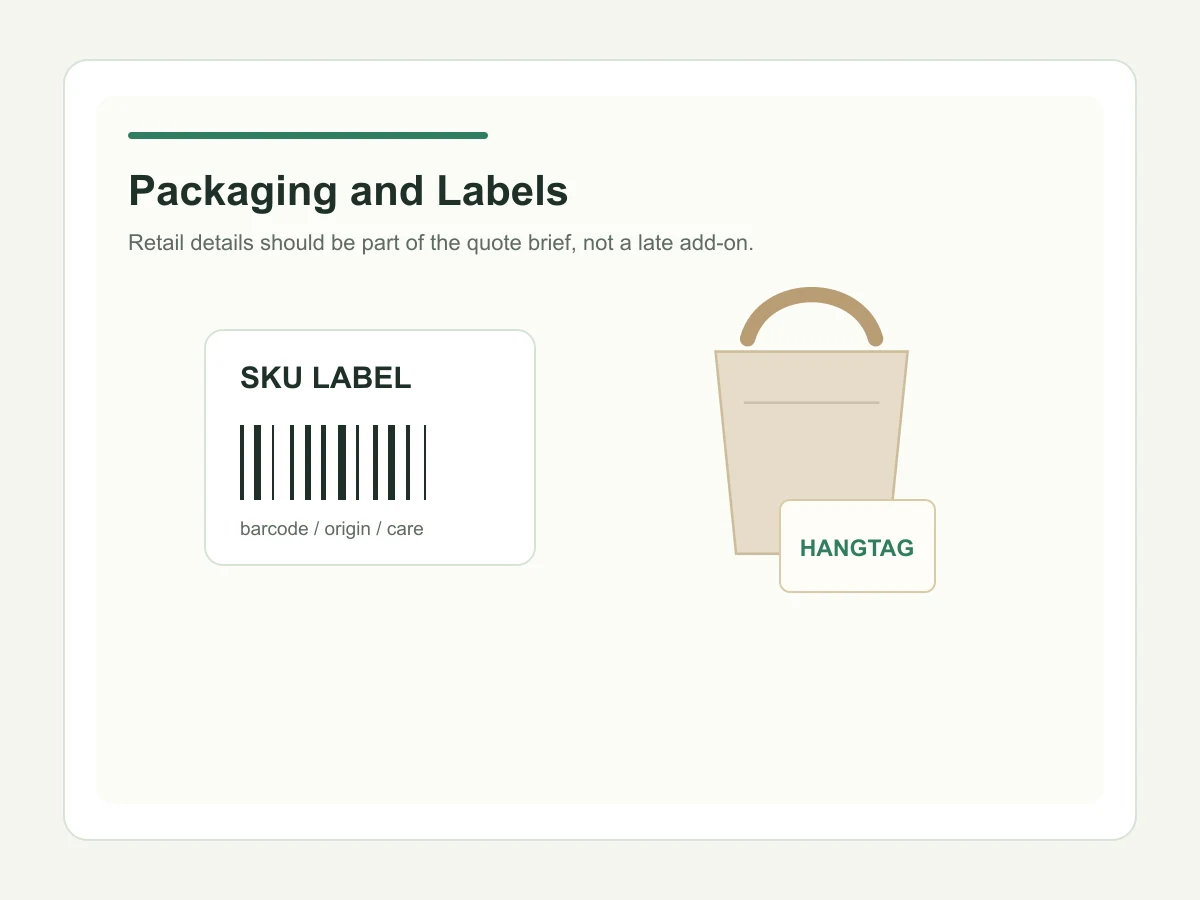
Send a destination map before final quote if the order is not shipping to one place. The file should show destination name, country or city, consignee, contact person, address, phone, email, quantity, carton label wording, required delivery window, packaging version and who pays for each route. Even when final addresses are not ready, buyers should flag how many receiving points exist and whether the split is likely to be a few locations or more than ten.
| Field | Why it matters | When to freeze |
|---|---|---|
| Destination and country | Controls shipping route, carton marks and document preparation | Before quote approval |
| Quantity by destination | Controls packing allocation, reserve stock and carton grouping | Before final packing |
| Consignee and address | Reduces misdelivery and document correction risk | Before shipping handoff |
| Packaging version | Prevents the wrong insert, label or carton mark from going to the wrong market | Before sample approval |
For international delivery terms, ICC Incoterms rules define common buyer and seller responsibilities in international trade1. Ecoicolortote still needs the buyer's operational file even when the commercial term is already agreed.
How should quantity be split across cities or countries?
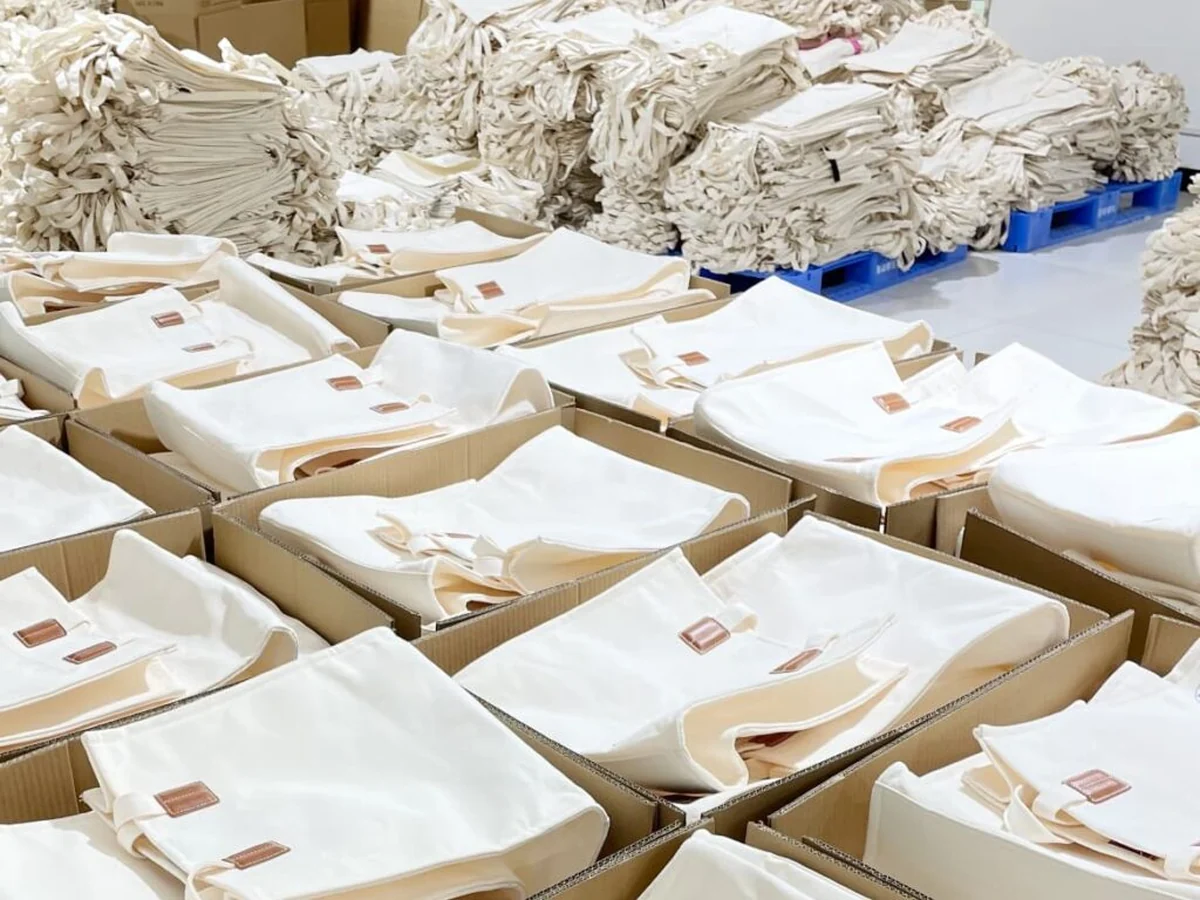
Do not send only a total order quantity. Send quantity by destination, reserve stock, sample reserve, replacement buffer and any market-specific version split. A common file structure is: total order, destination quantity, carton quantity, extra pieces, packaging version, carton mark and shipment method. If ten or more destinations are involved, buyers should add a row owner and revision date so the latest file is easy to identify.
For orders with store, venue or country allocations, SKU-style logic helps. GS1 barcode standards provide a common framework for identifying products and logistics units2. Not every tote shipment needs barcodes, but every split shipment needs a clear quantity file.

When should the address list be confirmed?
The address list should be confirmed before final packing, not at the moment of export booking. Ecoicolortote can ask follow-up questions early, but the buyer must provide detailed information and files in time for warehouse and shipping teams to prepare calmly. Missing address details, unclear consignee names, inconsistent country names or late delivery contacts can force rework after cartons are already sealed.
For multi-country programs, the buyer should also confirm whether Ecoicolortote ships to each country, ships to one forwarder, or prepares carton groups for the buyer's logistics partner. These are different operations. The earlier that responsibility is clear, the easier it is to avoid a packed-order correction.
Which packaging files are needed before shipment?
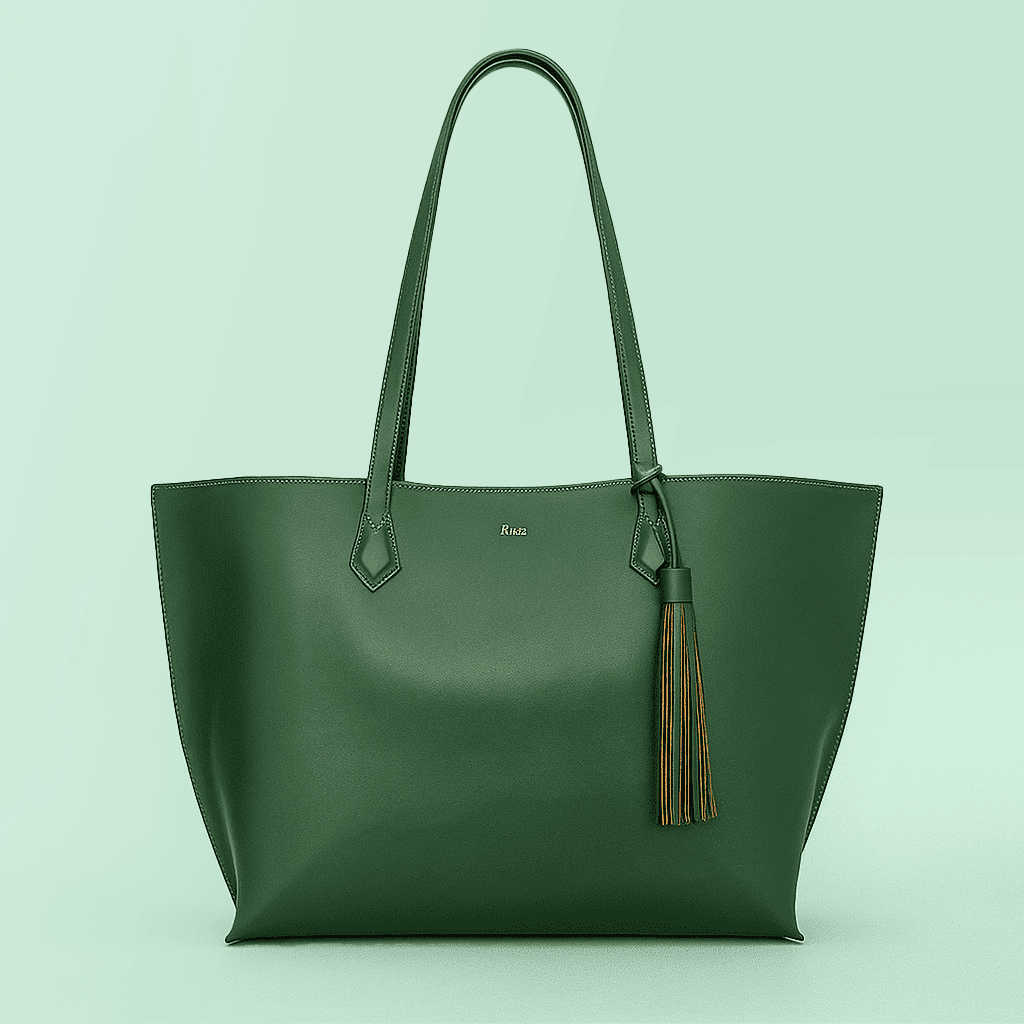
Packaging information should not arrive after production. Buyers should send polybag or paper sleeve choice, hangtag file, insert card file, barcode or SKU label, master carton mark, carton side label, country or city group name and any destination-specific version difference. If the shipment has ten or more receiving points, packaging files should use stable filenames and revision dates so warehouse staff do not mix an old label with a new address list. For label-level planning, review custom tote bag packaging and labeling.
For handling marks, ISO 780 covers pictorial marking for handling packaged goods3. For paper-based packaging claims, FSC explains forest stewardship certification for paper and forest-based materials4. Buyers should still confirm current document scope before making market-facing claims.
How should warehouse and shipping handoff work?
The cleanest handoff uses one final allocation file. It should tell warehouse staff what to pack, where each carton group goes, which label to apply, which carton mark to use and which shipping contact owns the next step. It should tell shipping staff which destinations are ready, which cartons belong together and whether the goods move by buyer forwarder, Ecoicolortote-arranged shipment or mixed route. For factory process context, review custom tote bag manufacturing process.
For inspection language, ISO 2859-1 is commonly referenced for sampling inspection by attributes5. Split shipment planning should not replace product QC. It should connect approved goods with correct destination packing.

What timeline should buyers plan for split shipment orders?
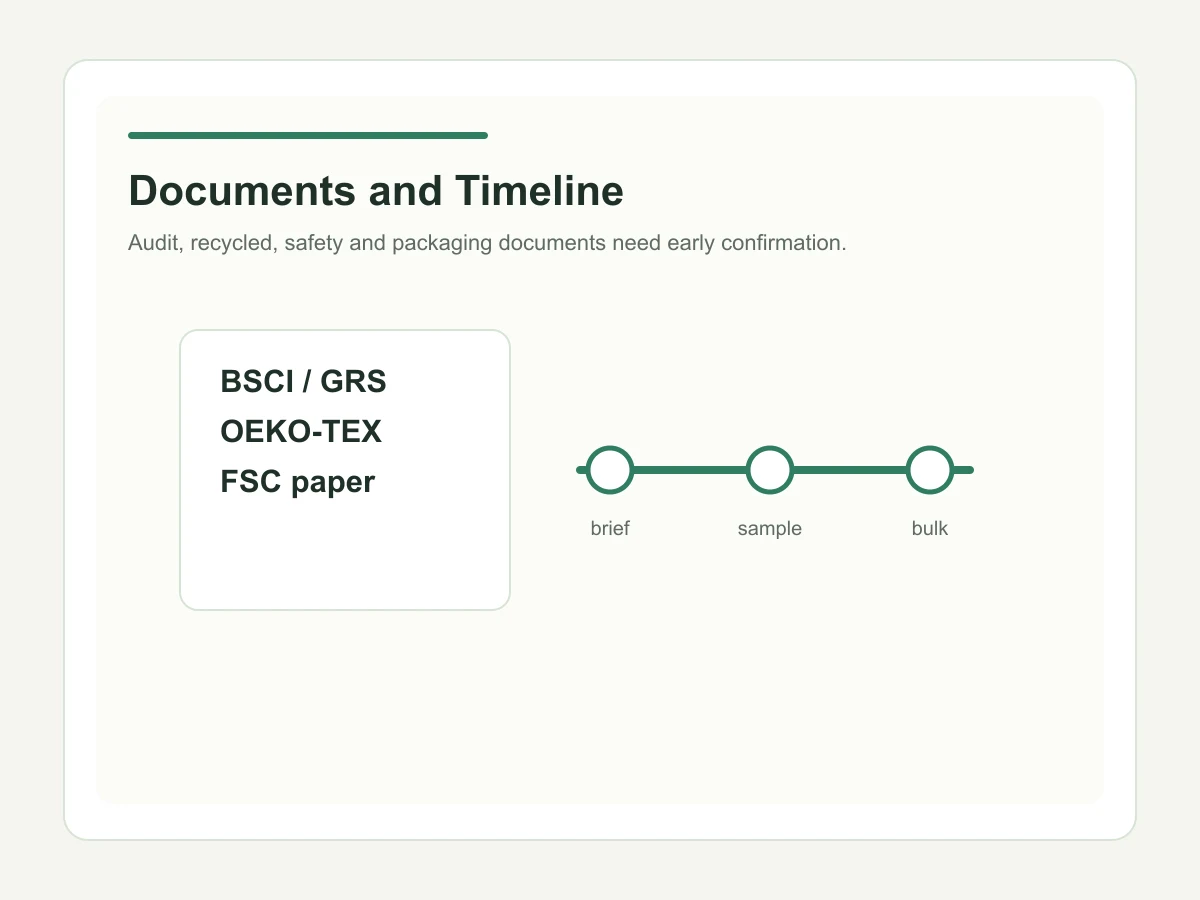
Sample timing is confirmed after the material, construction, logo method, artwork, packaging and approval scope are clear; the working schedule also depends on revision speed and current capacity. Bulk production timing is confirmed after sample approval, based on material availability, process complexity, quantity, packaging, delivery plan and current capacity. Split shipment work adds file review, destination confirmation, carton label preparation and shipping handoff time, so buyers should not treat it as a last-day task.
Sample fee policy should be agreed before sampling. Standard sample fees can normally be credited or refunded against qualified bulk orders of 1,000 pieces or more. Special molds, metal plates, custom hardware, unusual trims, repeated artwork changes or special tooling fees may not be refundable, so buyers should separate product sample cost from non-refundable setup items.
For broad customs language, the World Customs Organization describes the Harmonized System as a global product classification framework6. Buyers should confirm final customs, importer and tax requirements with their logistics partner.

Best fit for this split shipment route
This route is best for brand buyers, retail operations teams, regional marketing managers, global campaign operations, hotel or resort procurement, event logistics planners and DTC teams ordering MOQ 500+ custom tote bags that will ship to several cities, countries, warehouses, stores or partner locations. It fits projects with a real brand, launch window, sample-first workflow and enough operational complexity that destination quantity, address files, carton marks and packaging versions must be controlled. It is especially useful when the buyer expects more than three receiving points, mixed country delivery, separate packaging versions or a final allocation file that warehouse and shipping teams must both follow.
Less suitable fit for this split shipment route
This route is less suitable for one personal tote, blank stock tote requests, lowest-only sourcing, orders with no brand file, or urgent projects that cannot allow sample review and destination confirmation. It is also not necessary for a simple one-warehouse shipment where the buyer only needs standard carton packing. If the buyer cannot provide address, quantity, packaging and consignee details before final packing, Ecoicolortote can still quote the tote, but split shipment accuracy will remain at risk.
What should buyers send before requesting a split shipment quote?
Send total quantity, destination list, country or city, quantity per destination, consignee details, address, delivery window, packaging version, hangtag or insert files, barcode or SKU label needs, carton mark wording, reserve stock rule, shipping responsibility and the person who owns final file approval. If some addresses are not ready, state the expected number of receiving points and the deadline for final confirmation.
For packaging decisions, review custom tote bag packaging options. For broader RFQ setup, review custom tote bag RFQ checklist for brand buyers. For approval checks before packing, review custom tote bag sample evaluation. When the split file is ready, send it through the Ecoicolortote contact page.
FAQ: split shipment planning for custom tote bag orders
What is split shipment planning for custom tote bag orders?
Split shipment planning means one custom tote order is packed and delivered to more than one destination. The destinations may be retail stores, regional warehouses, offices, events, distributor partners or fulfillment centers. Buyers need to confirm quantity per destination, carton marks, address files, packing method and delivery timing before final packing.
What should buyers include in a split shipment RFQ?
Buyers should include total quantity, destination list, quantity per address, delivery deadline, carton label format, packaging method, reserve stock, delivery terms, required documents and one approval owner. These details help Ecoicolortote quote packing labor, carton separation, carton marks and shipment handoff accurately instead of treating the order as one simple bulk delivery.
How is split shipment planning different from normal shipping?
Normal shipping often sends all goods to one warehouse or buyer address. Split shipment planning creates multiple handoffs, labels, carton groups and delivery risks. It may require separate carton marks, address checks, packing lists and timing decisions. The buyer should decide these details before packing, not after cartons are sealed.
Can material or tote design affect split shipments?
Yes. Bulky materials, structured totes, large gussets, retail packaging and filled gift packs can change carton volume and destination quantity planning. A design that looks simple at total-order level may become more expensive when it is split across many small destinations. Buyers should ask for carton estimate and packing logic before final approval.
Which packaging or carton details matter most?
The most important details are carton mark format, SKU or project name, destination code, quantity per carton, packing list, reserve stock rule and whether each destination needs individual packaging. If retail labels, hangtags or barcode stickers are used, the buyer should send final files before the factory prepares split cartons.
Are sample fees refundable for split shipment tote projects?
For qualified bulk orders of 1,000 pieces or more, standard sample fees can normally be credited or refunded against the order value. Buyers should confirm before sampling because special packaging mockups, repeated artwork changes, courier samples, custom trims, special tooling or extra split-shipment approval rounds may not be refundable even when the bulk order proceeds.
How can buyers reduce split shipment mistakes?
Buyers can reduce mistakes by sending one final destination sheet, one carton mark template, one packing instruction file and one approval owner before packing starts. They should freeze destination quantity, reserve stock and delivery responsibility early. Last-minute address changes can still happen, but they are easier to manage when the original split file is clear.
Factory background and document route
Ecoicolortote supports custom tote bag buyers with material selection, logo process planning, packaging details, sample approval and production coordination. Document needs are scope dependent and should be discussed against the selected material, packaging and destination market before the buyer confirms final wording.
The most useful factory discussion is practical: which materials are available, which logo or label route is realistic, which packing route prevents handoff errors, and which documents or references apply to the actual order scope. Buyers should avoid assuming that every material, package or shipment automatically carries every audit, certificate or standard reference.
Send your brief before sampling. Share quantity, use case, artwork, material direction, packaging, carton marks, delivery market and deadline so Ecoicolortote can review sample route, quote scope and production timing before bulk production. Contact Ecoicolortote.