Zoe Yu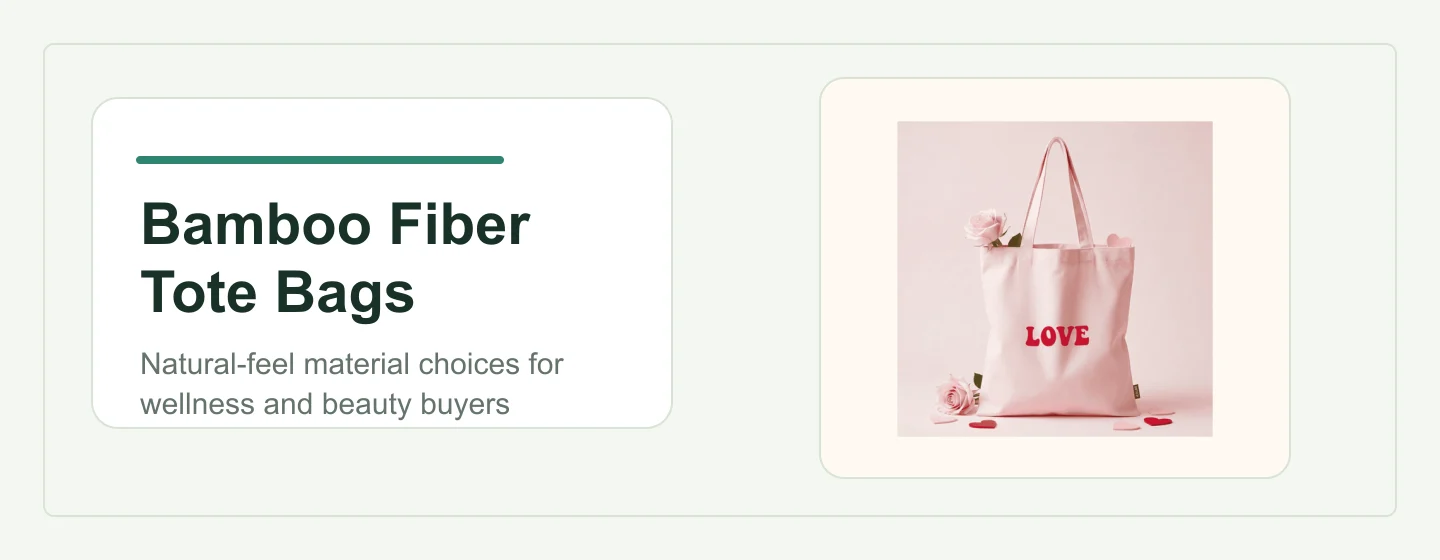
Buyer Summary
- Best for: clean beauty launches, spa gifts, membership gifts, premium GWP programs, hotel welcome gifts and retail tote projects.
- Main decision: choose bamboo fiber when the campaign needs a softer natural feel and a clearer wellness material story.
- Factory-side note: if artwork is full-color, all-over or very time-sensitive, rPET or recycled cotton may be more practical.
- What to prepare: use case, quantity, color direction, logo file, packaging needs, document scope and launch timeline.
How should buyers plan bamboo fiber tote bags for beauty and wellness brands? Confirm soft handfeel, beauty positioning, material claim scope, sample review and bulk quote planning before comparing tote bag quotes or approving production.
When should brand buyers consider bamboo fiber tote bags?
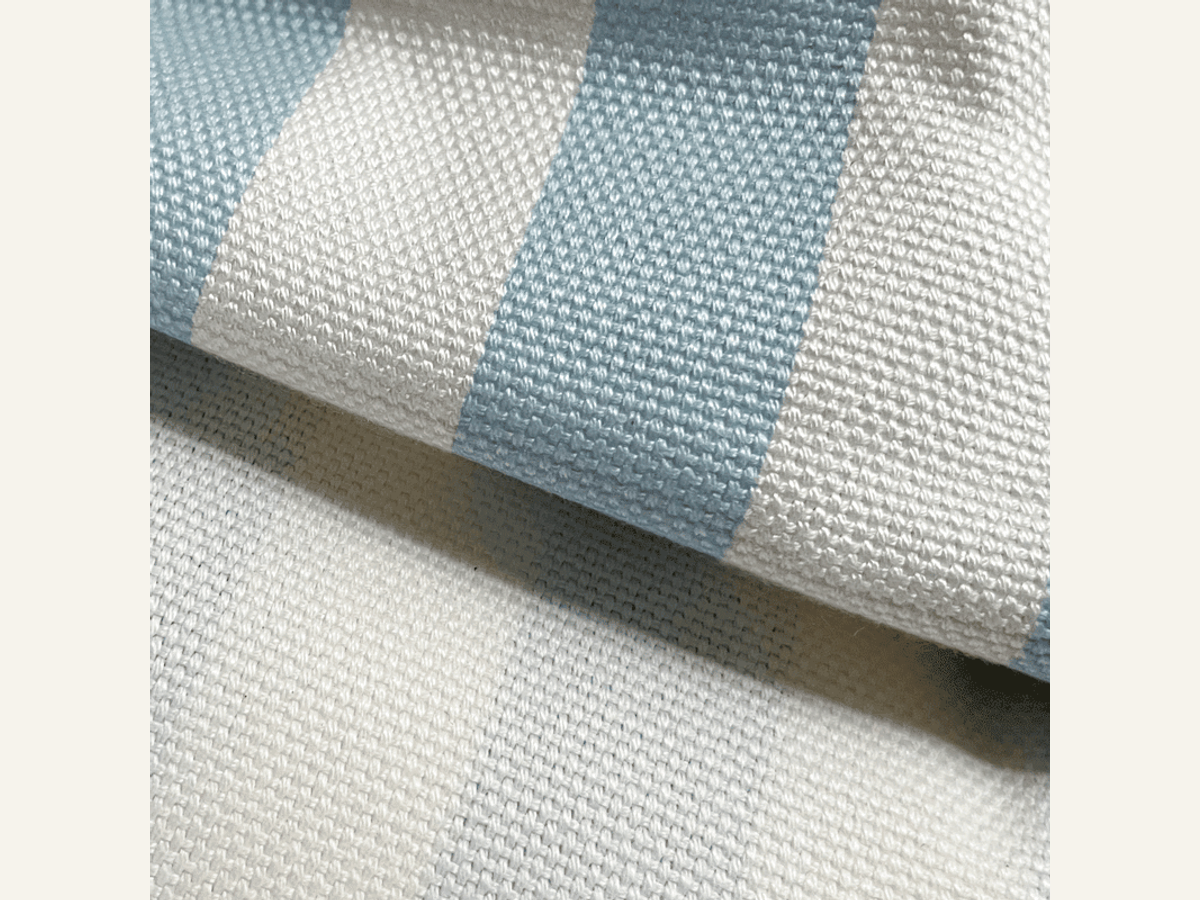
Bamboo fiber makes the most sense when the tote bag needs a natural, soft and wellness-oriented material story. From our factory side, we usually consider it for clean beauty launches, spa gifts, membership gifts, premium GWP programs, hotel welcome gifts and retail tote projects where material feeling matters.
For many buyers, bamboo fiber is attractive because it sounds different from a standard cotton tote. That difference can be useful, but only when it fits the project. A low-budget event tote with a very large full-color artwork may not need bamboo fiber. A clean beauty gift set, spa welcome kit or wellness membership gift may benefit from the softer material message.
Our practical rule is simple: do not choose bamboo fiber only because the name sounds like an environmental shortcut. Choose it when the buyer, the campaign, the expected hand feel, the logo method and the budget all support that direction.
For deeper planning, buyers can also compare this article with our guides on choosing tote bag materials by campaign type, document checks for recycled tote bags, Pantone color matching, heat transfer printing, sample approval, and RFQ checklist preparation. For product routes, compare beauty GWP tote bags, GWP brand tote projects, wellness and beauty tote options, organic cotton tote bags and rPET recycled tote bags before choosing bamboo fiber.
How does bamboo fiber compare with rPET, recycled cotton, cotton canvas and organic cotton?
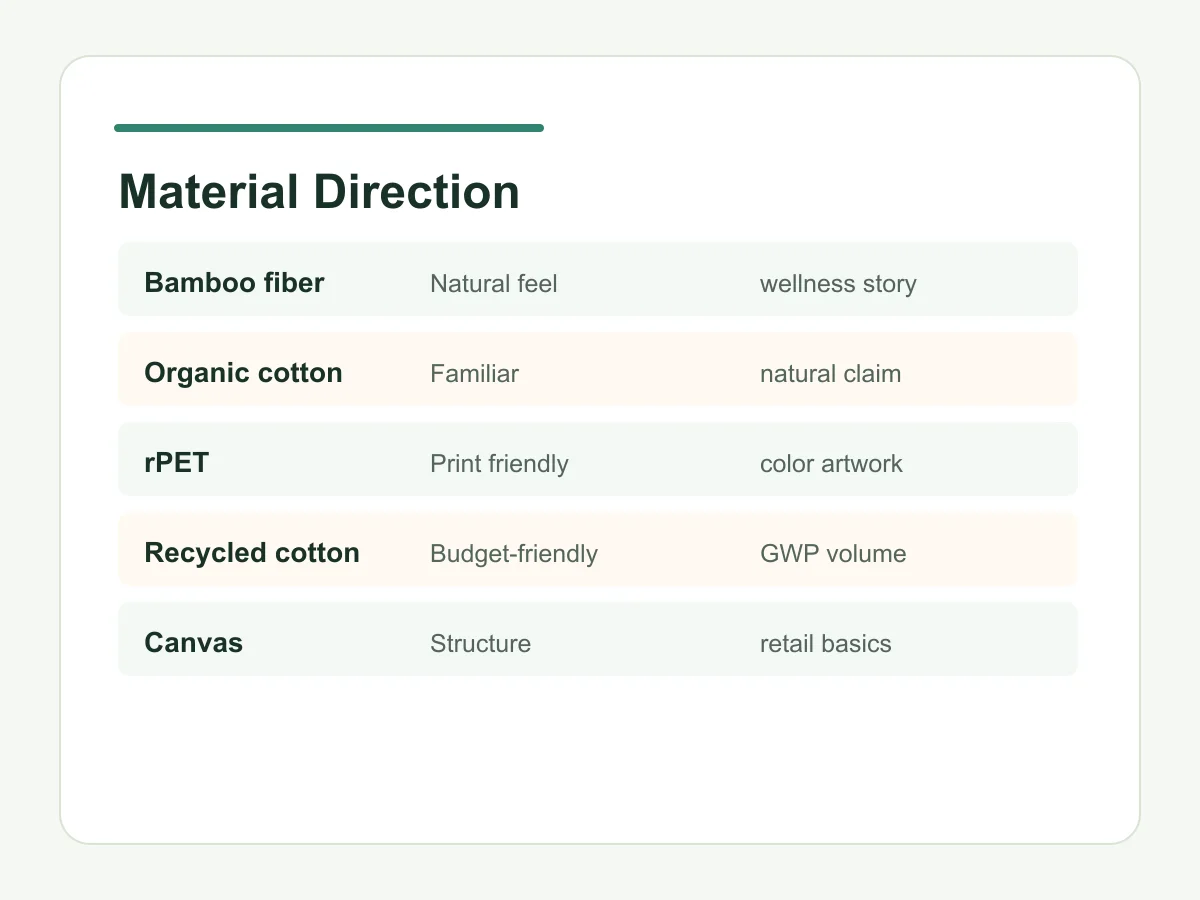
Bamboo fiber is more about natural feeling and brand story than pure cost efficiency. rPET is usually stronger for complex print artwork, recycled cotton is often more practical for budget-conscious GWP, cotton canvas gives more structure, and organic cotton is easier for many buyers to understand.
That does not make one material better than the others. It means the material should follow the campaign. A beauty brand launching a spa-inspired gift may want bamboo fiber. A seasonal tote with full-surface artwork may be better in rPET. A retail basic tote may need cotton canvas structure. A low-budget recycled story may work better with recycled cotton blend.
| Material direction | Best fit | Watch-out |
|---|---|---|
| Bamboo fiber | Wellness, spa, natural-feel gifts | Not usually the lowest-cost option |
| rPET | Color artwork, all-over print, lightweight GWP | Less natural hand feel than cotton-family materials |
| Recycled cotton blend | Budget-conscious recycled story | Composition and file wording must be clear |
| Cotton canvas | Structured retail or shopping tote | Complex full-color prints need testing |
| Organic cotton | Natural positioning buyers already understand | Cost and document scope should be confirmed |
For claims and sustainability language, we keep the wording careful. The FTC Green Guides summary1 is a useful reference when buyers need to avoid broad or unsupported environmental claims. Environmental claims should be supported by the right material path, document scope and claim wording, not only by a material name.
When is bamboo fiber not the right tote bag material?
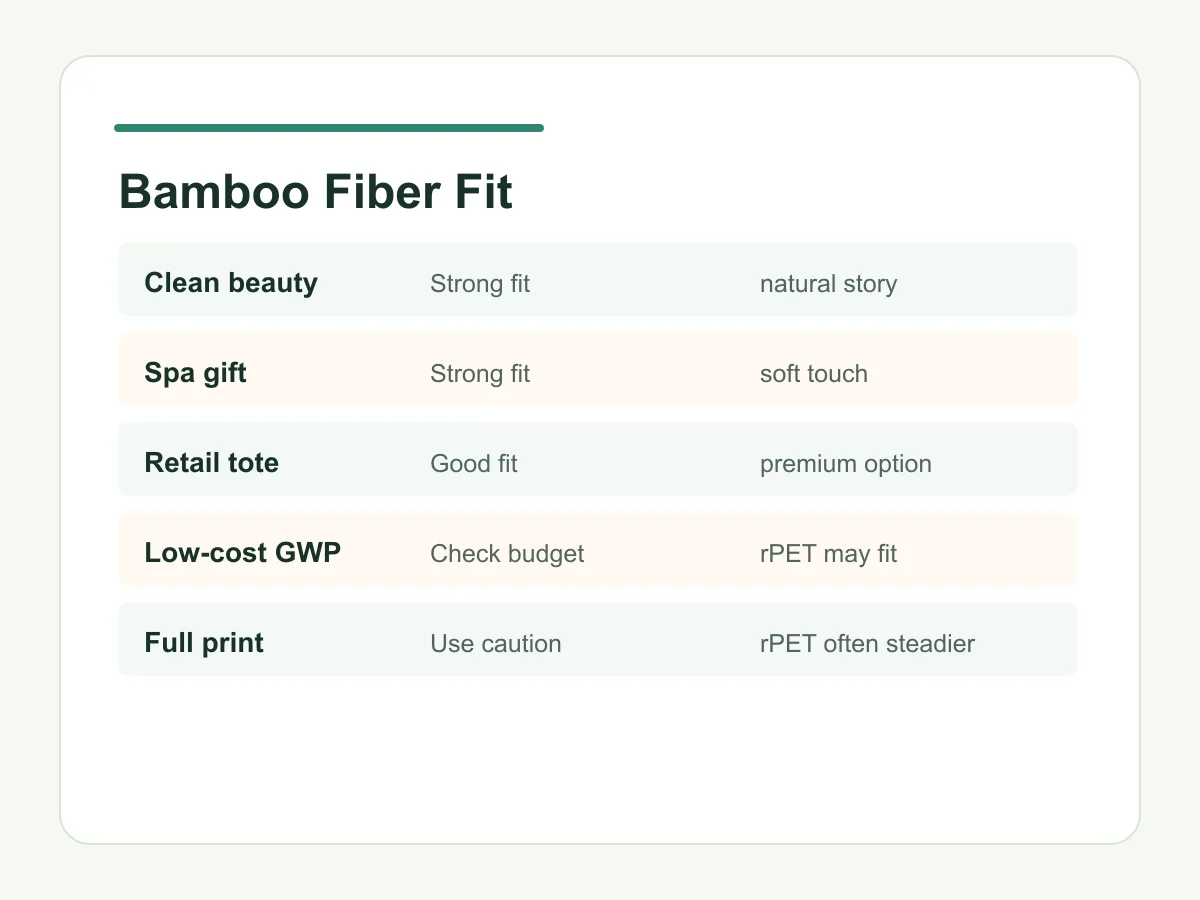
We normally avoid forcing bamboo fiber when the project is very price-sensitive, the launch date is tight, the artwork is complex and full-color, or the buyer mainly needs a low-cost high-volume giveaway. In those cases, rPET or recycled cotton may be a more workable direction.
This is where many projects become clearer. A buyer may be attracted by bamboo fiber, apple leather, pineapple fiber or another special material at the idea stage. After we review the budget, artwork, quantity and timing, the final material may move back to rPET or recycled cotton because those options match the real project constraints better.
| Use case | Bamboo fiber fit | Better alternative to consider | Watch-out |
|---|---|---|---|
| Clean beauty launch | Strong | Organic cotton if buyer wants familiar wording | Confirm claim wording early |
| Spa gift | Strong | Cotton canvas if more structure is needed | Confirm hand feel by sample |
| Low-budget GWP | Project-based | Recycled cotton blend or rPET | Do not choose by material name only |
| Full-color seasonal print | Use caution | rPET | Test color and artwork effect |
| Hotel welcome gift | Good | Canvas or rPET depending positioning | Check capacity and packaging |
Which logo processes work on bamboo fiber tote bags?
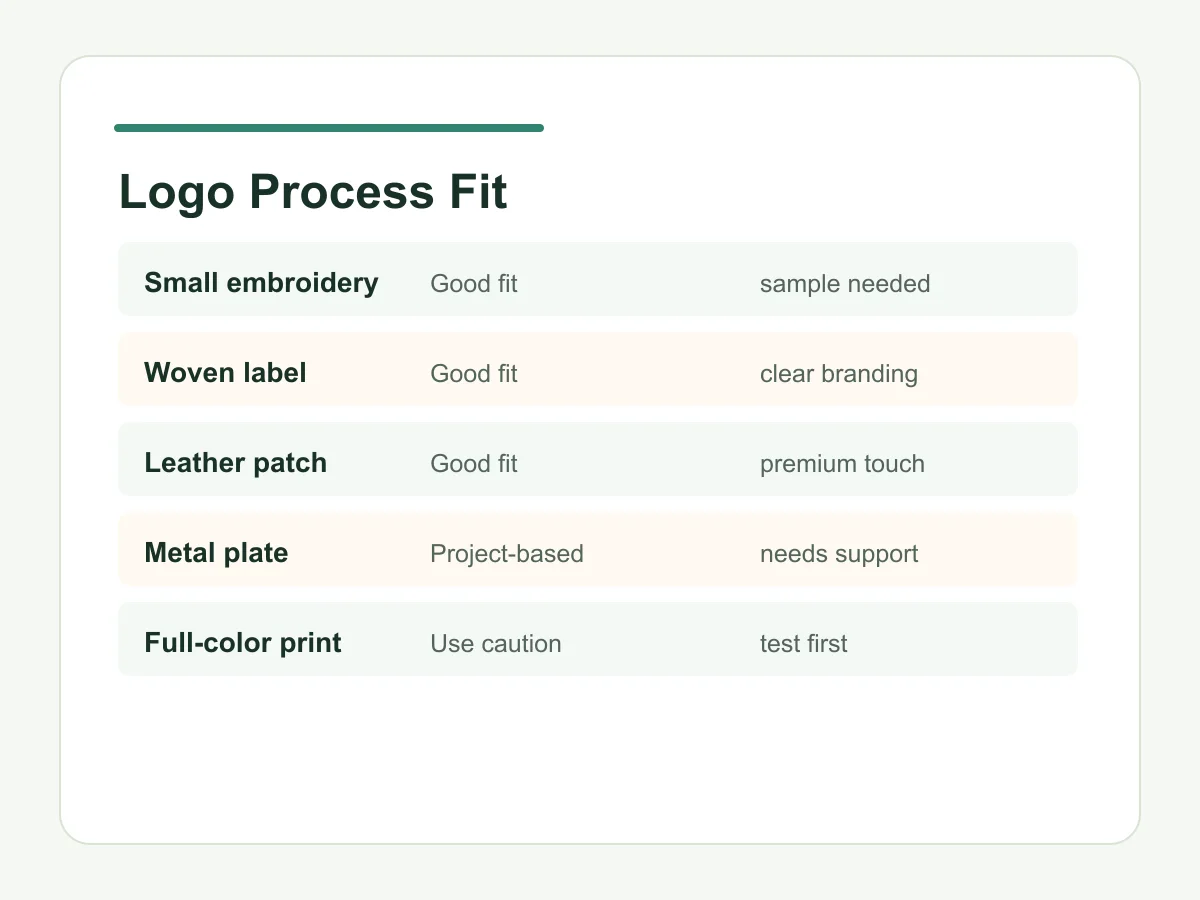
Small embroidery, woven labels, simple screen printing and soft patch details usually fit bamboo fiber better than very large full-color artwork. The material surface and base color can affect logo color, so the final decision should be confirmed by a real sample.
If a brand wants a quiet premium look, we may suggest a small embroidery, woven label or vegan leather patch. If the artwork is a large multi-color illustration, we would usually ask whether rPET is a better material direction before sampling. The goal is not to sell one material. The goal is to make the logo, material and campaign work together.
| Logo process | Fit on bamboo fiber | What to confirm |
|---|---|---|
| Small embroidery | Good for subtle premium branding | Thread color, backing, puckering risk |
| Woven label | Good for small brand detail | Label size, sewing position, color |
| Screen print | Good for simple artwork | Pantone, edge clarity, base color effect |
| Leather or vegan patch | Good for lifestyle positioning | Patch color, deboss depth, stitch line |
| Full-color transfer | Use caution | Hand feel, edge, artwork sample |
For color-sensitive projects, we also ask for Pantone references and real sample approval. The same color can look different on paper, fabric, leather-like surfaces and labels, so physical confirmation matters.2
How do MOQ, cost and timeline change for bamboo fiber tote bags?
Our MOQ starts from 500 pcs per style, but bamboo fiber should not be treated as the cheapest material option. Cost and lead time depend on material availability, custom color needs, logo process, lining, packaging and whether the buyer needs special document support.
For 500 pcs, standard available material options are usually easier to handle than custom dyeing. If the buyer wants a special brand color, we first check whether a close material option exists. Custom color can be possible in some cases, but it can add cost and lead time. This is why the brief should include use case, budget, artwork and launch date early.
| Project factor | Effect on cost | Effect on timeline |
|---|---|---|
| Custom material color | May increase material cost | Can extend material preparation |
| Small embroidery or woven label | Moderate impact | Usually manageable after artwork approval |
| Complex full-color artwork | Can change process and material choice | Needs sample testing |
| Retail packaging | Adds paper, label and packing cost | Needs earlier file confirmation |
| Document requirement | Depends on scope | Should be checked before order |
Sample timing is confirmed after the material, construction, logo method, artwork, packaging and approval scope are clear; the working schedule also depends on revision speed and current capacity. Bulk production timing comes after sample approval and depends on quantity, material availability and process complexity.
What documents and claims should buyers check for bamboo fiber projects?
Bamboo fiber should not be described with broad unsupported sustainability claims without checking the actual material composition, supplier documents, factory scope, order scope and packaging claim. If documents are needed, they should be confirmed before sampling or order placement.
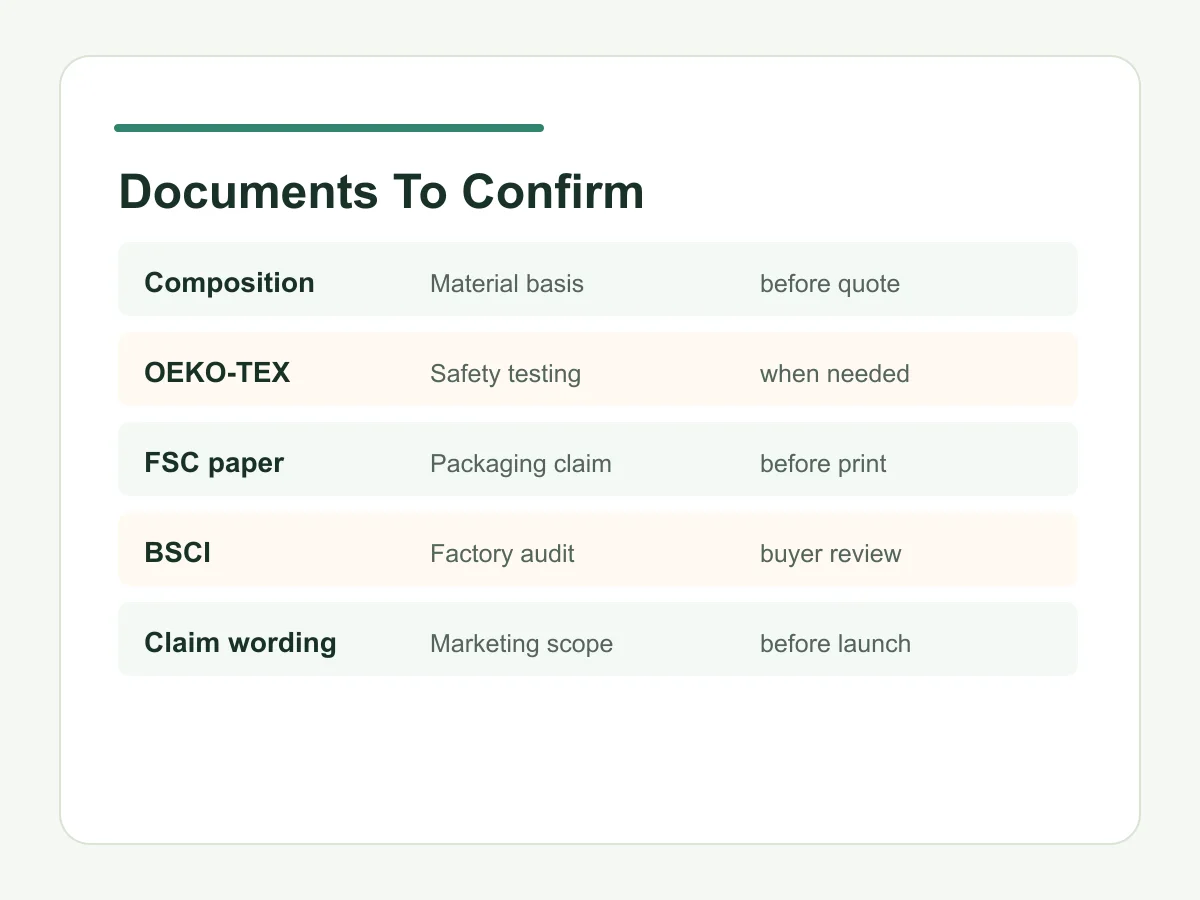
Depending on the buyer's market and internal requirements, we may be asked about material composition, OEKO-TEX-related textile safety, FSC paper packaging, factory audit documents or testing reports. OEKO-TEX STANDARD 100 is mainly related to harmful substance testing3, not a recycled or organic material claim by itself. FSC label guidance is relevant to paper packaging, hangtags and paper cards4, not to the tote fabric itself.
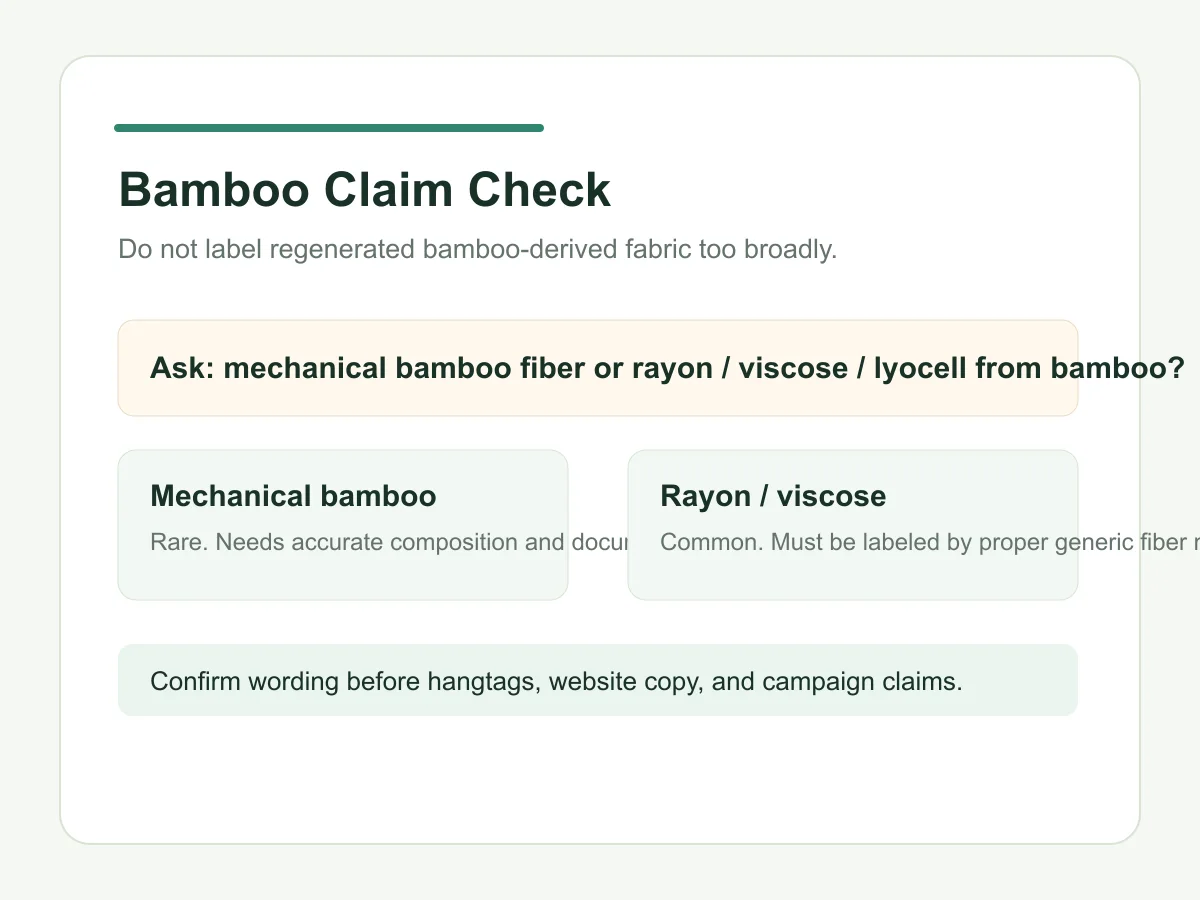
Why bamboo claims need extra caution
Many bamboo-derived textiles on the market are not mechanically processed bamboo fiber. They may be rayon, viscose or lyocell made from bamboo cellulose, and the wording must follow the applicable textile labeling rules. Environmental and fiber-content claims should be clear, specific and supported by suitable evidence.
- Mechanical bamboo fiber: rarer, and composition wording still needs proof.
- Rayon, viscose or lyocell from bamboo: more common for soft bamboo-derived textiles, and should be described by the correct generic fiber name.
For brand buyers, this means the material name, hangtag wording, website copy and packaging claim should be checked before sampling and before campaign launch.
| Document or claim | What it should match | When to confirm |
|---|---|---|
| Material composition | Actual fabric composition | Before quotation is finalized |
| OEKO-TEX request | Material or product scope | Before sampling if required |
| FSC paper packaging | Paper hangtag, card or packaging | Before paper files are printed |
| BSCI / factory audit | Factory and production scope | During supplier review |
| Marketing claim wording | Material path and evidence | Before campaign launch |
For factory social compliance, buyers may also review amfori BSCI-related documents when applicable.5
What should buyers confirm before sampling bamboo fiber tote bags?
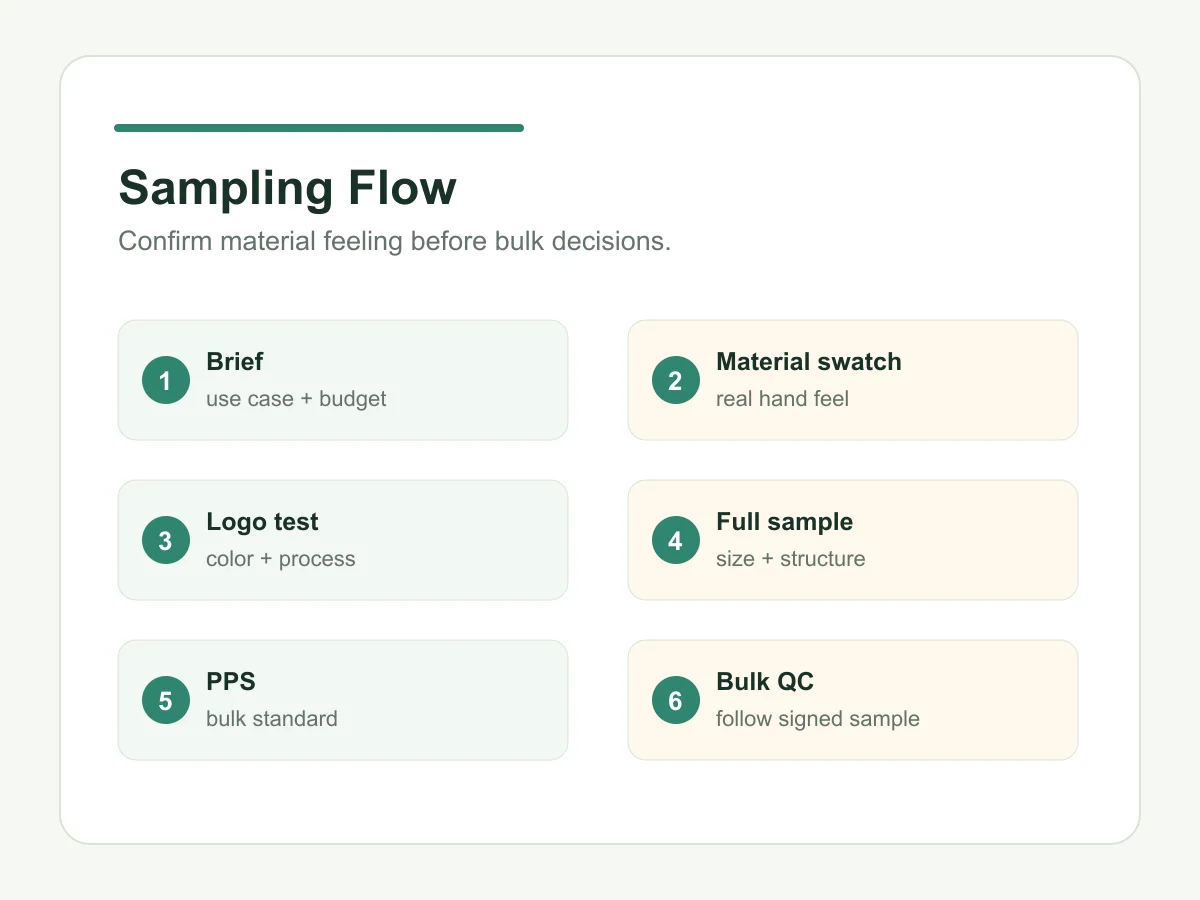
Before sampling, buyers should confirm use case, target budget, quantity, tote size, logo file, logo process, packaging direction, document needs and launch timing. If those points are unclear, bamboo fiber may look attractive at first but become impractical during development.
- Campaign type: clean beauty gift, spa welcome gift, retail tote, hotel gift or event tote.
- Quantity and MOQ: from 500 pcs per style, with color options checked by material availability.
- Material expectation: soft natural feel, structured tote, full-color print or budget-focused giveaway.
- Logo direction: small embroidery, woven label, patch, simple screen print or full-color artwork.
- Packaging: FSC paper hangtag, paper card, recycled-content polybag, belly band or simpler bulk packing.
- Documents: material composition, testing, factory audit or packaging claim requirements.
- Timeline: sample date, approval date, bulk production window and launch date.
Who We Don't Take On
- Orders below 500 pcs per style without an existing brand or campaign context.
- Buyers who only want the lowest price but do not want to confirm material, sample or packaging details.
- Projects that want broad environmental claims without checking document scope.
- Buyers who skip physical sample or pre-production sample approval for material-sensitive projects.
FAQ
When should beauty and wellness buyers choose bamboo fiber tote bags?
Bamboo fiber is most useful when the project needs a soft natural handfeel, a wellness-oriented material story and a quieter premium look for beauty launches, spa gifts, hotel amenities or membership programs.
What sample details matter most for bamboo fiber tote bags?
Buyers should check handfeel, fabric structure, logo clarity, base color, seam behavior, packaging presentation and whether the physical sample matches the intended wellness or beauty positioning.
What MOQ and lead time should buyers expect for bamboo fiber tote bags?
Ecoicolortote custom projects start from 500 pcs per style. Sample timing depends on material availability, logo method, packaging files and whether custom color or document checks are required.
Which material or certification evidence should be checked?
Buyers should confirm material composition, claim wording, textile safety needs, paper packaging documents and whether the selected material scope supports the wording used on hangtags or campaign pages.
What should be included in the RFQ?
The RFQ should include use case, target quantity, tote size, material expectation, color direction, logo file, logo process, packaging needs, document requirements and launch date.
What mistake causes the most rework?
The most common rework comes from choosing bamboo fiber by name only, then discovering that budget, artwork, timeline or document expectations fit rPET, recycled cotton or canvas better.
When should buyers contact Ecoicolortote?
Buyers should contact Ecoicolortote when they have a beauty, wellness, spa or hotel gift brief and need help comparing bamboo fiber with rPET, recycled cotton, cotton canvas or organic cotton before sampling.
Need help deciding whether bamboo fiber fits your tote project?
If you are planning a wellness, beauty, spa or hotel gift project, send us your use case, quantity, budget direction, logo file, material preference and launch date. We can help you compare bamboo fiber with rPET, recycled cotton, cotton canvas and organic cotton before sampling.